


Better Backstroke is shaking things up in the swimming world. This approach mixes modern technique tweaks with smart training that actually sticks. Swimmers report smoother strokes, fewer injuries, and real speed gains without burning out. If you're tired of the same old pool drills, this might be worth a look.
I've been around pools for years, coaching and training myself. Lately, everyone’s talking about Better Backstroke programs. Traditional methods got us this far, sure, but something feels different with the newer stuff. I decided to dig in and compare them head to head. What I found surprised me a bit.
The Basics of Traditional Backstroke Training
Most of us grew up with the classic approach. You focus on body position, straight arm pulls, and strong kicks. Coaches hammer flutter kicks and high hips forever. It works for building fundamentals. Plenty of great swimmers came through this system. But man, it can feel repetitive and sometimes leads to shoulder strain if you're not careful.
I remember grinding out endless laps with the same form cues. It builds endurance, no doubt. Yet a lot of club swimmers hit a plateau pretty quick. The technique feels rigid. Small errors compound over time, especially as you get older or train more intensely.
What Makes Better Backstroke Different
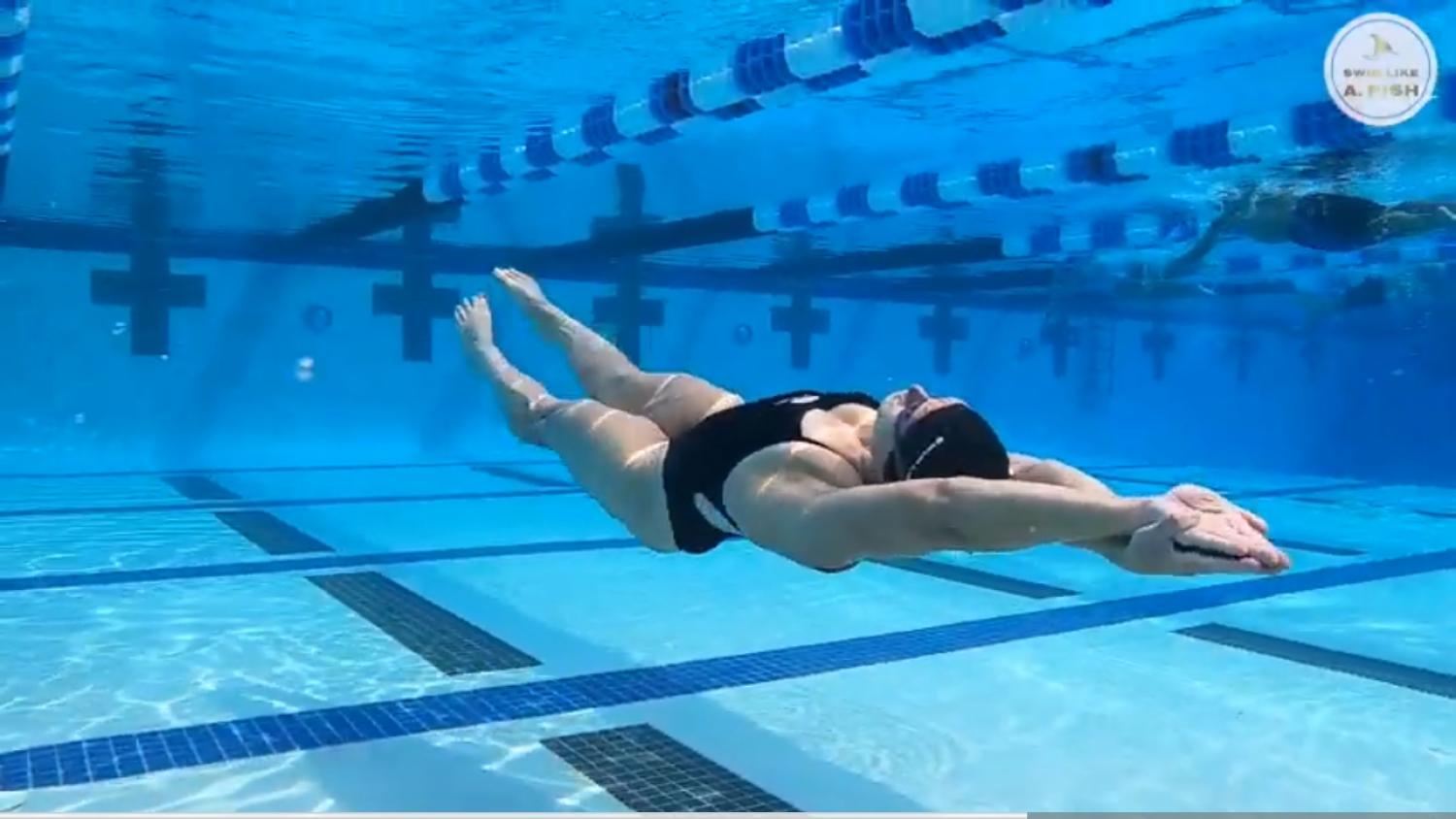
Better Backstroke flips the script a bit. It emphasizes rotation, timing, and using your core more efficiently. Instead of forcing a perfect textbook position, it builds around your natural body mechanics. Drills are shorter but way more intentional. They use video feedback and targeted strength work too.
I tried some of these sessions myself. The focus on catch and pull-through feels more powerful without extra effort. It's not about muscling through the water. You learn to glide and connect movements better. That’s a big shift from the old “just kick harder” mentality.
Technique Breakdown and Comparison
Traditional backstroke relies heavily on the straight arm recovery and steady six-beat kick. It’s reliable but can create drag if your timing is off. Better Backstroke tweaks the entry and exit points, using more body roll to generate propulsion. The pull becomes a high-elbow catch that transitions smoother into the push phase.
One thing I noticed right away is reduced tension in the shoulders. Old methods often lock you into positions that fight your mobility. This newer way feels looser yet more connected. Swimmers I know who switched say their stroke rate improved without losing distance per stroke. That combo is gold for races.
Training Volume and Intensity Differences
With traditional programs, it’s a lot of yardage. Long sets, high volume, repeat until you drop. It builds mental toughness for sure. Better Backstroke cuts some of that mindless swimming and replaces it with quality-focused sessions. You still swim plenty, but the drills target weaknesses directly.
I’ve seen athletes cut their weekly meters but drop better times. It’s not magic, just smarter work. Recovery days actually mean something now. Traditional methods sometimes leave you fried, especially if you’re balancing life outside the pool. This approach respects that more.
Injury Prevention and Longevity
Here’s where things get blunt. A lot of traditional backstroke training beats up shoulders over years. Repetitive overhead motions without enough mobility work add up. Better Backstroke builds in dryland routines and technique adjustments that protect joints better.
I’ve dealt with my own nagging issues from old-school training. Switching emphasis to core stability and proper rotation helped. It’s not that traditional methods are dangerous, but they demand perfection from every rep, which is tough for mortals. The newer programs seem more forgiving while still pushing limits.
Speed Gains and Race Performance
Traditional methods get you fast, especially in shorter races where power matters. But Better Backstroke shines in middle distances and open water too. The efficiency focus means you hold speed longer without fading. I watched a local age-grouper drop seconds off her 200 back after a few months.
It’s not just about raw power. Better timing and reduced drag add up fast. One coach told me his athletes feel like they’re swimming downhill now. Traditional training builds the engine, but this optimizes how you use it. That’s a noticeable edge when races get tight.
Accessibility for Different Swimmers
Not everyone is a young phenom with perfect flexibility. Traditional backstroke can frustrate adult learners or masters swimmers. The expectations feel high and unforgiving sometimes. Better Backstroke adapts better to various body types and experience levels.
I love that it works for triathletes too, who often come from running or cycling backgrounds. The program meets you where you are. No need to overhaul everything overnight. Small consistent changes lead to big results. That keeps people in the sport longer.
Coaching and Community Feedback
From what I’ve seen in forums and talking to other coaches, opinions are mostly positive on Better Backstroke. Some old-school guys stick to what they know, and that’s fine. But younger trainers and self-coached athletes are all in. The results speak.
One buddy who runs a small club switched half his group. He says technique videos and progress tracking make a huge difference. Traditional methods rely more on feel and verbal cues. Having data helps everyone improve faster. It’s not replacing good coaching, just enhancing it.
Potential Drawbacks to Consider
Let’s keep it real. Better Backstroke isn’t perfect for every situation. Some elite sprinters might still need that raw traditional power base. Equipment needs can be higher at first if you’re doing video analysis and specific drills. And it takes time to unlearn old habits.
Cost is another thing. Quality programs aren’t always cheap compared to generic lap swimming. But if you’re serious about improving, it pays off. Traditional methods are cheaper upfront but can lead to more coaching hours fixing bad patterns later.

The Road Forward for Swimmers
Swimming evolves like everything else. Better Backstroke represents that shift toward efficiency and sustainability. It doesn’t throw out everything traditional, it builds on the good parts. I think we’ll see more hybrid approaches in the future.
For recreational swimmers or competitive ones hitting limits, it offers fresh motivation. The water still feels fun instead of a grind. That mental side matters more than we admit sometimes.
Conclusion
In the end, Better Backstroke delivers a more balanced, efficient way to swim backstroke compared to traditional methods. It respects your body while pushing performance higher. Whether you’re chasing personal bests or just staying injury-free, the difference shows in the water. If you want to level up, checking out solid swimming training programs could be the move that finally clicks for you.
Comments (0)