


Keeping Traffic Moving Safely Around Active Work Areas
Road construction, infrastructure upgrades, utility maintenance, and large-scale civil projects often require temporary work zones that directly affect normal traffic conditions. Without proper management, these areas can quickly become congested, creating delays, confusion, and serious safety risks for both workers and road users. Maintaining organised traffic movement is essential for ensuring projects continue efficiently while minimising disruption to the public.
This is why many contractors rely on traffic controllers sydney when managing worksites in busy urban and suburban environments. Skilled traffic control professionals play a critical role in directing vehicles, reducing congestion, and ensuring safe movement through temporary road changes near active project zones.
Coordinating Vehicle Movement Through Temporary Work Zones
Directing Traffic Safely Around Construction Areas
Work zones frequently involve lane restrictions, road diversions, reduced speed areas, and temporary changes that can confuse drivers if left unmanaged. Traffic controllers help guide motorists safely through these changing conditions while reducing the risk of accidents.
By maintaining clear vehicle direction, they help ensure traffic continues moving safely without interfering with ongoing construction work.
Managing Stop-and-Go Traffic Conditions
Certain projects require alternating traffic flow where only one lane remains open. Traffic controllers manually coordinate stop-and-go movement to allow vehicles to pass safely in both directions.
This controlled approach helps maintain orderly traffic flow while preventing dangerous driver behaviour near restricted road sections.
Reducing Traffic Congestion Near Worksites
Preventing Vehicle Build-Up During Peak Hours
Construction activities near busy roads can quickly cause congestion during high-traffic periods. Delays often extend beyond the immediate work zone and affect surrounding streets, businesses, and residential areas.
Traffic controllers actively manage vehicle flow to reduce bottlenecks and keep traffic moving as efficiently as possible.
Minimising Delays for Daily Commuters
Road users passing through temporary work zones often experience frustration when delays become excessive. Effective traffic control helps reduce unnecessary waiting times and improves the overall travel experience for commuters.
Smoother traffic flow helps minimise disruption to the wider community.
Improving Safety for Construction Workers
Creating Protected Work Areas
Workers operating close to live traffic face constant exposure to moving vehicles, heavy equipment, and changing road conditions. Traffic controllers help create safe work zones by separating vehicle movement from active construction areas.
Maintaining this separation significantly reduces the likelihood of workplace accidents involving passing traffic.
Monitoring Driver Behaviour Near Hazard Zones
Drivers approaching temporary roadworks may fail to notice speed reductions, lane changes, or worksite hazards. Traffic controllers monitor driver behaviour and provide clear instructions that encourage safer driving near active work zones.
Their presence helps increase driver awareness in potentially dangerous areas.
Managing Temporary Road Closures and Diversions
Implementing Safe Lane Closures
Many roadworks projects require partial lane closures to allow workers and equipment to operate safely. Improperly managed lane closures can quickly create confusion and accident risks.
Traffic controllers manage these closures by guiding vehicles into appropriate lanes while ensuring traffic transitions smoothly through restricted areas.
Supporting Road Diversion Routes
Some projects require temporary detours when roads become inaccessible during construction. Traffic controllers assist by directing vehicles through designated diversion routes and helping drivers adjust to temporary road changes.
Properly managed diversions reduce congestion and improve public safety.
Assisting Large Infrastructure and Civil Projects
Coordinating Heavy Vehicle Access
Infrastructure projects often involve regular movement of trucks delivering materials, construction equipment, and specialised machinery. Unmanaged heavy vehicle movement can interfere with surrounding traffic and create dangerous site conditions.
Traffic controllers coordinate safe entry and exit procedures for delivery vehicles while minimising disruption to public roads.
Managing High-Traffic Urban Environments
Busy metropolitan projects require constant attention to changing traffic conditions. Urban roads often involve public transport routes, pedestrian crossings, commercial traffic, and high daily vehicle volumes.
Traffic control professionals help manage these complex environments while maintaining steady traffic flow around work zones.
Supporting Pedestrian Safety Around Worksites
Creating Safe Temporary Walkways
Roadworks frequently impact footpaths, pedestrian crossings, and public access routes. Maintaining safe pedestrian movement remains essential in busy commercial and residential areas.
Traffic controllers help establish temporary pedestrian pathways that allow safe movement around restricted work zones.
Protecting Public Access Areas
Projects near schools, shopping centres, train stations, and office precincts often involve significant pedestrian traffic throughout the day.
Traffic controllers monitor these areas closely to ensure pedestrians remain safely separated from moving vehicles and construction activity.
Ensuring Compliance with Traffic Safety Regulations
Meeting Australian Safety Standards
Construction and roadworks projects affecting public roads must comply with strict workplace safety regulations. Proper traffic management is often required to meet legal obligations and maintain approved worksite operations.
Traffic controllers help ensure these safety procedures are followed correctly throughout the project.
Reducing Liability and Project Risk
Poorly managed traffic conditions can result in accidents, insurance claims, legal disputes, and costly project delays.
Professional traffic control reduces operational risk by maintaining safer work environments and ensuring proper traffic procedures remain in place at all times.
Adapting Quickly to Changing Site Conditions
Responding to Unexpected Situations
Worksite conditions can change rapidly due to weather, equipment movement, emergency access needs, or altered construction schedules.
Traffic controllers monitor these changes continuously and adjust traffic arrangements whenever necessary to maintain safety.
Maintaining Efficient Traffic Flow Throughout Project Stages
As construction projects progress, traffic management requirements often change. Lane closures may expand, work areas shift, and access points evolve.
Traffic controllers adjust strategies as conditions change, ensuring traffic continues flowing smoothly throughout every project stage.
Frequently Asked Questions
What do traffic controllers do at construction sites?
Traffic controllers manage vehicle movement, direct traffic around work zones, coordinate lane closures, and help maintain safety for workers and road users.
How do traffic controllers reduce road congestion?
They organise vehicle flow, manage stop-and-go traffic, guide drivers through diversions, and help minimise delays near temporary work zones.
Are traffic controllers required for roadworks projects?
Many roadworks and construction projects affecting public roads require professional traffic management to meet Australian safety regulations.
How do traffic controllers improve worksite safety?
They separate moving traffic from active work areas, monitor driver behaviour, manage pedestrian access, and reduce the risk of vehicle-related accidents near worksites.
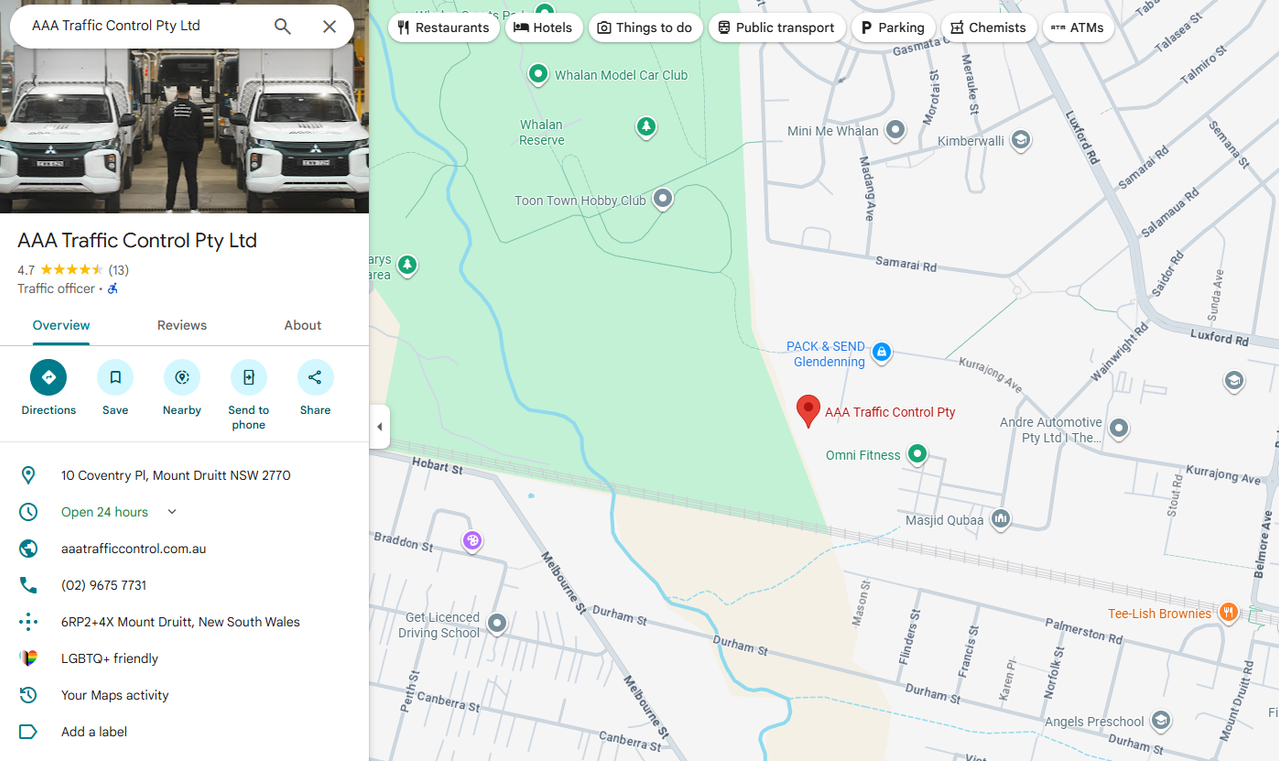
AAA Traffic Control Pty Ltd
10 Coventry Pl, Mount Druitt
NSW 2770, Australia
+61296757731
Comments (0)