


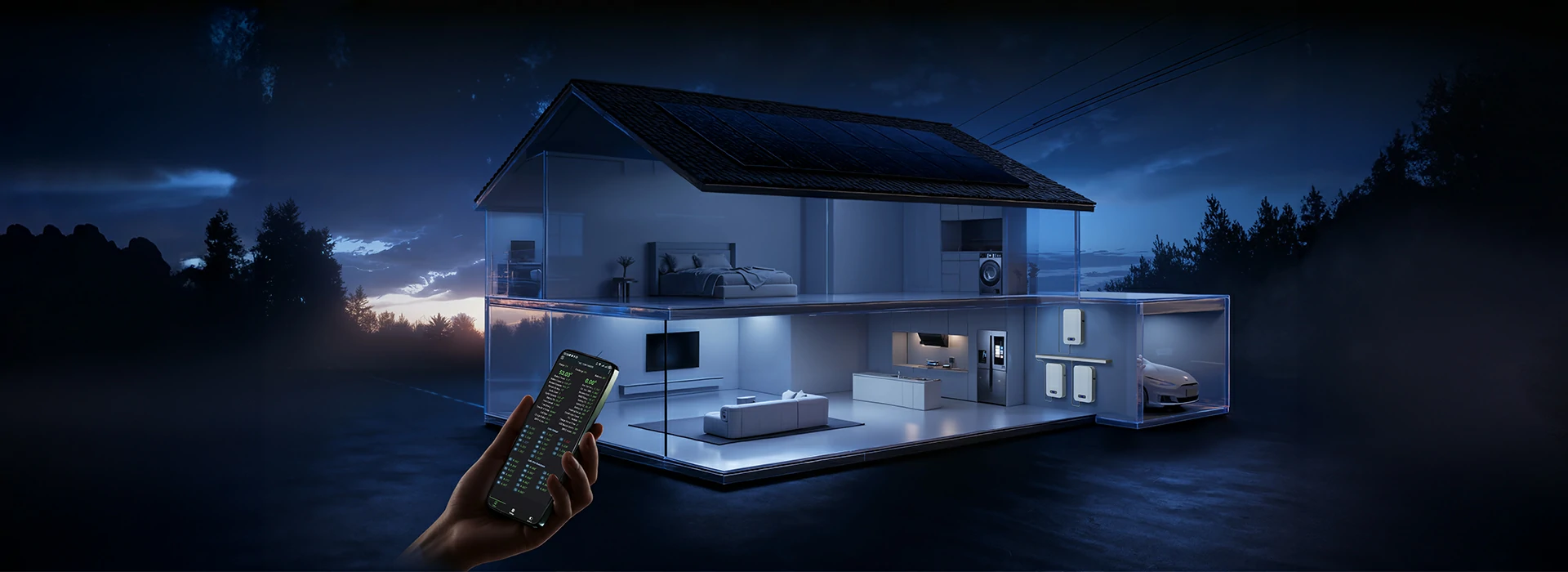
There is a particular frustration that solar homeowners know well: watching your panels generate a flood of electricity at noon, then buying power from the utility at night because you had nowhere to store the excess. High capacity rack mounted batteries solve this problem by offering enough storage to capture that midday surplus and release it long after the sun sets. Unlike small backup batteries that focus on emergency power, high capacity systems are designed for daily solar self consumption. They store twenty, thirty, even fifty kilowatt hours or more, enough to run an entire home through the night and into the next cloudy morning. For anyone serious about maximizing solar investment and minimizing utility bills, high capacity rack storage is not a luxury, it is the missing piece that finally makes solar work the way you always imagined it would.
Defining High Capacity for Solar Applications
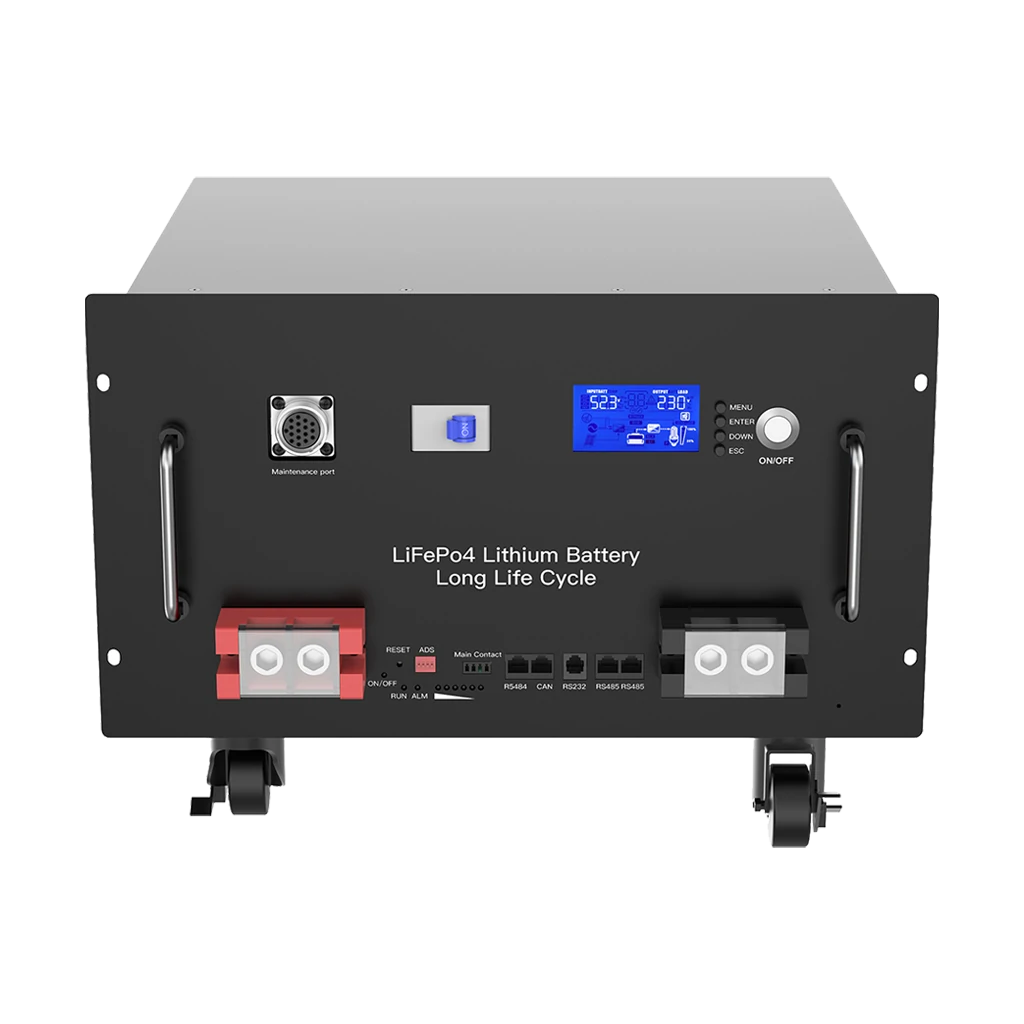
What counts as high capacity depends entirely on your home size and energy appetite. For a modest two bedroom house with efficient appliances, high capacity might start at fifteen kilowatt hours, enough to cover evening and overnight loads completely. For a larger home with electric vehicles, heat pumps, or a home workshop, thirty to forty kilowatt hours is the real starting point. High capacity rack batteries achieve these numbers through dense packaging. A single rack standing about waist high can hold twenty kilowatt hours, while a full height rack can pack forty or more. The key metric for solar storage is usable capacity, not just the label on the box. Quality high capacity racks allow depth of discharge of ninety to ninety five percent, meaning nearly every stored kilowatt hour is available for your evening use. When comparing systems, ignore marketing numbers and look for the rated usable kilowatt hours printed on the specification sheet.
How High Capacity Changes Daily Solar Usage
With a small battery, you make constant compromises. Do you run the dishwasher now or wait until morning? Should you save that stored power for a possible outage or use it to avoid expensive evening rates? A high capacity rack removes these agonizing choices entirely. You have enough stored energy to run everything normally, all evening, all night, and well into the next morning. The dishwasher runs at 8 PM because there is plenty of power. The electric car charges overnight from stored solar energy. The morning coffee maker pulls from battery reserves that still have hours of runtime left. When the sun rises again, your battery still has a twenty or thirty percent charge, ready to accept the new day's solar harvest. This abundance transforms the solar experience from careful rationing to effortless energy independence. You stop thinking about when to use electricity and simply live your life while the battery quietly manages the background.
Matching Battery Capacity to Solar Array Size
A high capacity battery is useless if your solar array cannot fill it. The general rule of thumb is that your battery should store roughly one to two days of your home's average energy consumption, and your solar array should be large enough to fully recharge that battery on a typical sunny day. A ten kilowatt solar array in a sunny climate generates forty to fifty kilowatt hours on a good day. That array can comfortably charge a thirty kilowatt hour rack battery while still running your daytime loads. A smaller five kilowatt array might only generate twenty to twenty five kilowatt hours daily, making a twenty kilowatt hour battery the sensible pairing. Under sizing your solar relative to your battery means your rack never fully charges, leaving capacity permanently unused. Over sizing your solar without enough battery means you still export energy to the grid at low rates. A quick way to find your balance is to look at your utility bill for average daily kilowatt hour usage, then aim for battery capacity equal to one hundred to one hundred fifty percent of that number.
Managing Multiple Solar Inputs and Loads
High capacity racks in solar applications rarely connect to just one power source. They juggle solar panels, the grid, sometimes a generator, and multiple household loads simultaneously. The battery management system must decide when to charge from solar, when to discharge to the home, when to pull from the grid, and when to send excess solar back to the utility. The best high capacity racks handle this orchestration automatically through programmable logic. You set priorities, for example, "Always charge from solar first, then from the grid only if battery is below twenty percent and solar is unavailable." You set schedules, such as, "Discharge to power the home from 4 PM to 9 PM when utility rates are highest." You set reserve levels, like, "Keep fifteen percent in reserve for potential outages at all times." The system then executes these rules every day without further input. This automation is what turns a pile of batteries into a genuine smart energy storage system.
Physical Space and Structural Considerations
High capacity means high weight. A fully populated rack holding forty kilowatt hours of lithium iron phosphate cells weighs between four hundred and six hundred pounds. You cannot place this on flimsy flooring or in an upstairs closet without serious reinforcement. Concrete slab floors in garages or basements are ideal. If your only available space has a wooden subfloor, consult a structural engineer before installation. The rack itself must be anchored to the wall or floor to prevent tipping, especially in earthquake prone regions. Allow clearance of at least three feet in front of the rack for module replacement and maintenance, and six inches on all other sides for airflow. High capacity racks generate noticeable heat during heavy charge or discharge cycles. In a small, unventilated utility closet, that heat can accumulate and reduce battery life. A small exhaust fan or louvered door often solves the problem. Planning the physical installation carefully prevents unpleasant surprises on delivery day.
Cost Considerations and Payback Periods
High capacity rack mounted battery have become dramatically more affordable, but they still represent a significant investment. A thirty kilowatt hour system with installation typically costs between eight thousand and fifteen thousand dollars, depending on brand, features, and local labor rates. The payback comes from avoided utility bills. If your time of use rates charge thirty cents per kilowatt hour during evening peak periods and you shift fifteen kilowatt hours per day from peak to off peak or solar, you save roughly four dollars and fifty cents daily, over sixteen hundred dollars annually. Add avoided demand charges for commercial customers or participation in grid service programs, and the payback period drops to four to seven years for many installations. Federal tax credits currently cover thirty percent of battery costs when charged primarily by solar, further improving the math. Spreading the upfront cost across a five or six year payback period means the battery starts generating pure savings well before its ten year warranty expires.
Future Proofing with Expandable Rack Architecture
The solar industry changes fast. Panels get more efficient, inverters get smarter, and utility rate structures shift unexpectedly. A high capacity rack battery protects against obsolescence through expandable architecture. You choose a rack frame that accepts additional modules, a battery management system that supports future communication protocols, and an inverter with extra capacity for growth. When your family grows and energy use increases, you add modules rather than replacing the system. When new battery chemistry emerges, you keep the old rack and swap modules gradually. When your utility introduces new time of use rates, you update the programming software rather than buying new hardware. This future proofing is the quiet advantage of rack mounted systems over integrated all in one batteries. You are buying a platform that evolves with you, not a sealed box that becomes obsolete the day you install it. For anyone planning to live in their home for ten or twenty years, that flexibility is worth paying extra for upfront.
Comments (0)