


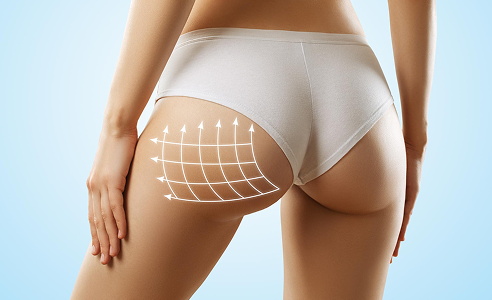
A body contouring journey does not end when the procedure is completed; it continues into a carefully managed recovery phase that shapes the final outcome and long-term satisfaction. One of the most important aspects patients often overlook is how deeply daily habits influence results, especially in the weeks and months following surgery. From posture awareness to dietary discipline, every decision contributes to healing efficiency and aesthetic refinement. In the middle of this transformative process, Brazilian Butt Lift in Dubai becomes more than a cosmetic enhancement—it evolves into a structured lifestyle adjustment that demands commitment, patience, and consistency to achieve optimal shaping and longevity of results.
Post-Surgery Lifestyle Adjustments and Recovery Discipline
After undergoing body sculpting procedures, the body enters a delicate healing phase where swelling, tissue integration, and fat stabilization occur simultaneously. During this time, lifestyle changes are not optional but essential. Simple habits such as how you sit, stand, or move throughout the day can significantly influence symmetry and fat retention.
Patients are often encouraged to avoid unnecessary pressure on the treated area, especially during the initial recovery weeks. Even small decisions, such as choosing supportive seating or adjusting sleeping positions, help maintain the integrity of results. It is during this stage that discipline plays a defining role, as improper habits can compromise the aesthetic outcome.
Consistency in following recovery guidelines ensures that the body adapts smoothly to its new contours while minimizing complications. This phase sets the foundation for long-term satisfaction and naturally enhances confidence as physical changes begin to stabilize.
Nutrition and Hydration for Optimal Healing
Diet plays a crucial role in recovery and long-term maintenance after body sculpting procedures. A nutrient-rich eating plan supports tissue repair, reduces inflammation, and helps maintain energy levels during healing. Protein-rich foods are especially important as they assist in rebuilding cellular structures and supporting overall recovery efficiency.
Hydration is equally essential. Proper water intake helps flush out toxins, reduces swelling, and supports healthy circulation. Dehydration can slow down the healing process and may increase discomfort, making consistent fluid intake a priority throughout recovery.
Balanced meals that include fruits, vegetables, whole grains, and healthy fats contribute to better skin elasticity and overall wellness. Avoiding processed foods and excessive sodium helps reduce bloating and supports a smoother recovery experience. Over time, these dietary adjustments naturally become part of a healthier lifestyle, reinforcing long-term results.
Physical Activity and Movement Guidelines
Movement is an essential component of recovery, but it must be approached with caution and gradual progression. Light walking is often encouraged early in the recovery process as it promotes circulation and reduces the risk of stiffness or blood flow complications. However, strenuous activities should be avoided until the body has adequately healed.
As recovery progresses, controlled physical activity can be gradually reintroduced. This includes low-impact exercises that support overall fitness without placing pressure on treated areas. Eventually, a balanced fitness routine helps maintain results by improving muscle tone and metabolic function.
It is important to listen to the body during this phase. Overexertion or premature training can interfere with fat stabilization and compromise aesthetic outcomes. A structured, gradual approach ensures both safety and sustainability of results.
Sleep, Sitting, and Daily Habits That Influence Results
Rest is one of the most underrated elements of recovery. Quality sleep allows the body to repair tissues and regulate inflammation effectively. Proper sleeping positions are crucial to avoid unnecessary pressure on sensitive areas, ensuring that healing progresses without disruption.
Sitting habits also require adjustment. Special attention must be given to posture and pressure distribution to prevent distortion of results. Many individuals adopt modified sitting techniques during recovery to protect newly shaped areas while maintaining comfort.
Daily routines, including dressing, commuting, and working, may also require temporary adjustments. These small but important lifestyle modifications ensure that the healing process remains uninterrupted and efficient. Over time, these habits become second nature and contribute to maintaining long-term aesthetic outcomes.
Emotional Adaptation and Body Confidence
Physical transformation often brings emotional adjustments as well. It is common for individuals to experience fluctuating emotions during the healing phase due to temporary swelling, delayed final results, or changes in body perception. Understanding that recovery is a gradual process helps manage expectations and reduce unnecessary stress.
Confidence tends to grow as the body transitions into its final shape. This psychological shift is an important part of the overall transformation journey. Supportive environments, realistic expectations, and patience all contribute to a healthier mental state during recovery.
Emotional well-being is closely linked to physical healing. Stress management techniques such as mindfulness, relaxation, and light social interaction can positively influence recovery outcomes and overall satisfaction.
Long-Term Maintenance of Results Through Lifestyle Balance
Maintaining results requires a long-term commitment to healthy living. Once the body has fully healed, consistent habits such as balanced nutrition, regular exercise, and stable weight management become essential.
Fluctuations in weight can affect body proportions and may compromise long-term aesthetic outcomes. A stable lifestyle ensures that results remain consistent over time. Fitness routines that combine strength training and cardiovascular exercise help maintain shape and improve overall body tone.
Additionally, skincare, hydration, and general wellness practices contribute to preserving skin quality and elasticity. Over time, these habits integrate seamlessly into daily life, reinforcing both physical appearance and overall health.
Book Us
Choosing the right guidance during your transformation journey ensures that every stage—from recovery to long-term maintenance—is handled with precision and care. A well-planned approach to body contouring not only enhances physical appearance but also supports sustainable lifestyle improvements that last for years. With professional support and structured recovery planning, individuals can achieve smoother transitions and more predictable results. If you are considering long-term body enhancement goals, Brazilian Butt Lift procedures require informed decisions, disciplined recovery habits, and ongoing lifestyle commitment to maintain optimal results. For personalized support and expert care, Enfield Royal Clinic Dubai provides dedicated assistance designed to help individuals achieve refined body goals while maintaining comfort, safety, and confidence throughout their journey.
Comments (0)