


Tiny homes have this romantic vibe around them. Mountains, freedom, less stuff, less stress. That’s the dream anyway. And yeah, Colorado has become one of those places where people constantly search for a tiny house for sale Colorado listings like they’re hunting for hidden treasure.
But here’s the truth. It’s not always as simple as those Instagram posts make it look. Buying or building a tiny home, especially in Colorado, comes with a mix of excitement, confusion, and a bit of “wait… what did I just get into?”
Still, people are doing it. A lot. Some want to downsize. Some want a second home. Others just want something cheaper than a regular house (spoiler: not always cheaper, more on that later).
Let’s break it down in a real way.
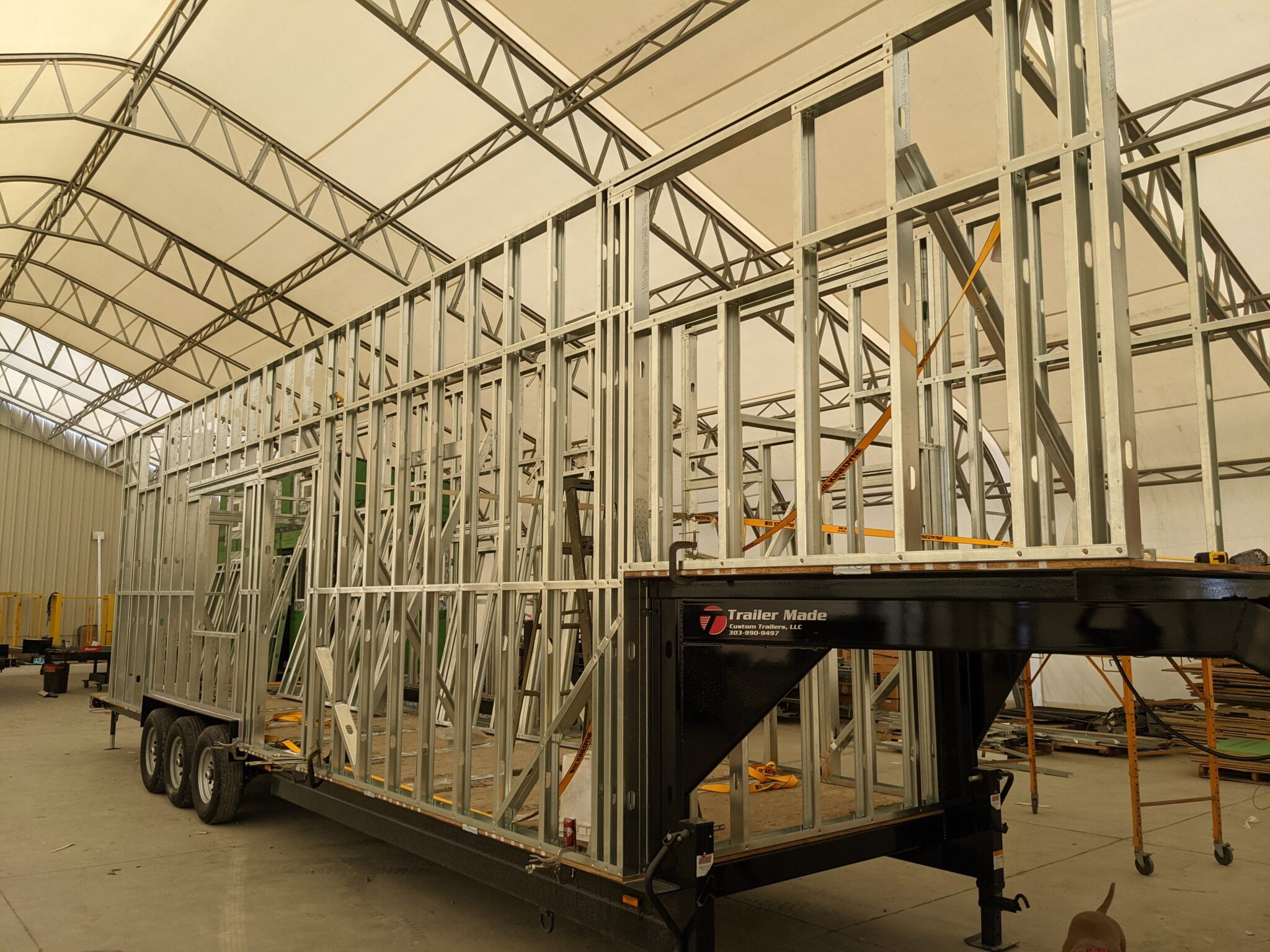
Tiny house for sale Colorado – what people are actually searching for
When someone types tiny house for sale Colorado, they usually don’t mean just one thing. It can be:
- A ready-built tiny home sitting on land
- A mobile tiny house on wheels
- Or even a prefab structure waiting to be assembled
Colorado is kind of perfect for this trend. Mountains, open land, rural zones where zoning rules are sometimes flexible… sometimes.
But also confusing. Because one county says yes, another says “nope.” And you only find that out after you’ve already fallen in love with a listing.
People imagine buying a tiny home like buying a car. Quick, clean, done. It’s not like that. There’s paperwork, land issues, utility hookups, and sometimes rules that feel a bit random.
Still, demand keeps growing. Especially near places like Denver outskirts, Colorado Springs, and mountain towns where people want escape energy without full isolation.
Why tiny homes are blowing up in Colorado right now
There are a few reasons this whole tiny home thing has exploded.
First, housing prices. No surprise there. Regular homes in Colorado? Expensive. Like, seriously expensive depending on where you look.
Second, lifestyle shift. People want less maintenance. Less cleaning. Less “why do I own so much stuff?”
Third, remote work changed everything. If you don’t need to sit in an office daily, why pay for a big house near it?
And honestly, Colorado just fits the aesthetic. Snow, forests, open skies. A small wooden home with a deck suddenly feels right.
But let’s not romanticize too hard. Tiny living is still living. You still need water, heating, storage, and patience when two people try to move around in 250 square feet without bumping into each other.
Still, people are choosing it. Because the trade-off feels worth it.
Tiny home kit vs ready-built tiny houses – big difference here
This is where a lot of people get stuck.
A Tiny home kit sounds simple. Like a DIY project. You order it, it arrives, you build it, done.
Well… kind of.
Tiny home kits usually include the structure frame, panels, sometimes insulation, and basic layouts. But you still need skills or contractors for plumbing, electricity, finishing work, permits, and probably a bit of emotional strength when something doesn’t line up perfectly.
On the other side, prebuilt tiny houses are delivered mostly finished. You still handle land and hookups, but the building stress is way lower.
So which is better? Depends on you.
If you like building, fixing, or learning as you go, a Tiny home kit can actually be fun. If not, it can turn into a long stressful project that eats weekends and patience.
People underestimate this part. They think it’s like assembling IKEA furniture. It’s not.
More like IKEA furniture… but for your life.
What you should know before buying a tiny house in Colorado
Okay, this part matters more than people expect.
First thing: land rules. Colorado is not one big uniform system. Each county has its own zoning laws. Some allow tiny homes as primary residences. Some don’t. Some only allow them as accessory dwellings.
Second: utilities. You can’t just drop a tiny house anywhere and expect it to function. Water access, septic systems, electricity hookups… all of that costs money. Sometimes a lot more than expected.
Third: winter. Colorado winters are no joke. Insulation matters. Heating matters even more. A poorly built tiny home can feel like a freezer in January.
Fourth: resale value. Not always strong. Tiny homes are still a niche market. So if you plan to “upgrade later,” think carefully.
And yeah, financing is another headache. Banks don’t always treat tiny homes like traditional property. Loans can be tricky.
So before jumping into a tiny house for sale Colorado deal, slow down a bit. Ask questions. Then ask more.
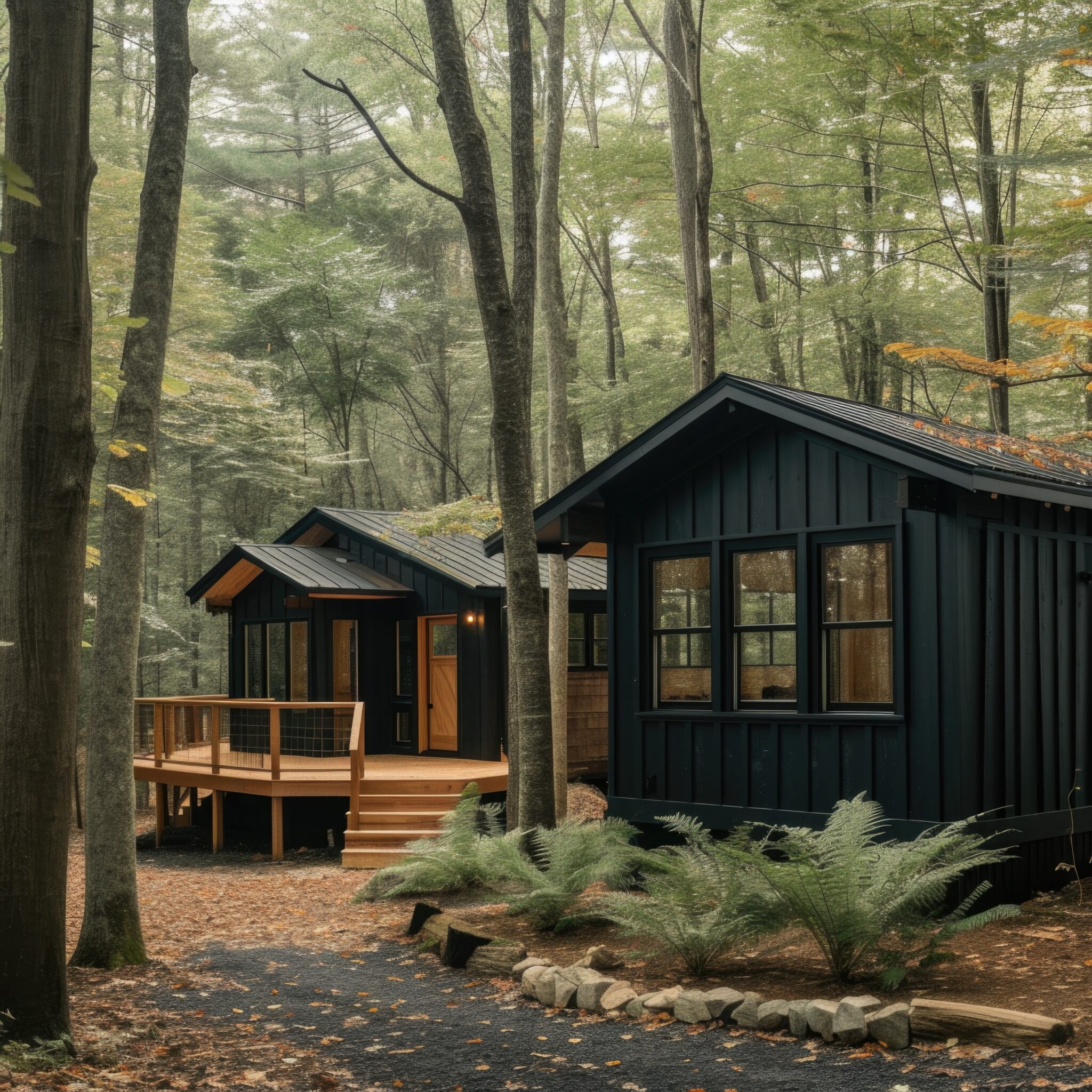
Cost reality of tiny homes in Colorado (not what people assume)
Let’s talk money.
People often assume tiny homes are cheap. Like $20k cheap. Sometimes they are, but that’s usually just the shell or DIY kits.
A finished tiny home in Colorado can easily range anywhere from $60,000 to $150,000+. And that’s before land in many cases.
Then add:
- Land purchase or rental
- Utility setup
- Permits and inspections
- Interior finishing or upgrades
Suddenly the “cheap alternative” doesn’t always feel cheap.
But here’s the flip side. Compared to a full-size home in Colorado, it can still be way more affordable. Especially if you’re flexible about location and lifestyle.
So it’s not really about “cheap.” It’s about “smaller commitment, different trade-off.”
People sometimes miss that distinction.
Are tiny home kits actually worth it or just hype?
Honestly? It depends on expectations.
A Tiny home kit is worth it if you:
- Want control over your build
- Don’t mind learning on the go
- Have time (a lot of it, sometimes)
- Enjoy DIY projects
But it’s probably not worth it if you expect fast results or zero stress.
Some people start strong and then halfway through realize they underestimated everything. Wiring alone can make people rethink life choices.
Still, others love it. They turn it into a long weekend project, slowly building something that feels personal.
So yeah, it’s not a scam or magic solution. It’s just a different way of building a home. With its own headaches and rewards.
FAQs
Are tiny houses legal in Colorado everywhere?
Not really. It depends on the county and zoning rules. Some areas allow them fully, others only as secondary units or with restrictions. Always check local regulations before buying anything.
Can I place a tiny house anywhere on land I buy?
Nope. Even if you own land, zoning laws still apply. You’ll need permission for residential use, plus approvals for utilities and septic systems in most cases.
What is included in a Tiny home kit?
A Tiny home kit usually includes the basic structure, framing, and sometimes insulation or exterior panels. But plumbing, wiring, and interior finishes are often not included.
Is living in a tiny house cheaper in Colorado?
It can be, but not always. The home itself might be cheaper, but land, permits, utilities, and setup costs can add up quickly. Total cost depends heavily on location and design choices.
Comments (0)