
Remember me


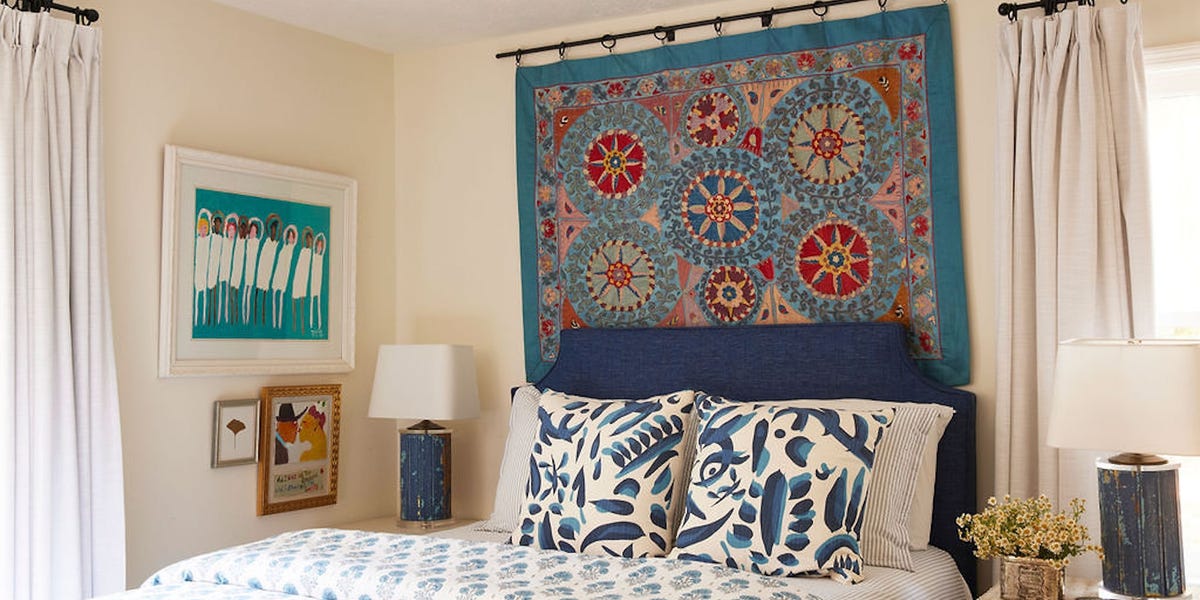



We’ve all heard of the “lived-in” look—it consists of unstyled authenticity, vintage finds that tell a story, and character-driven decor. But how exactly can you create that look in a sincere, genuine way?
Pros agree there is one design element that stands out above all else when it comes to achieving that love-worn look right at home: patina.
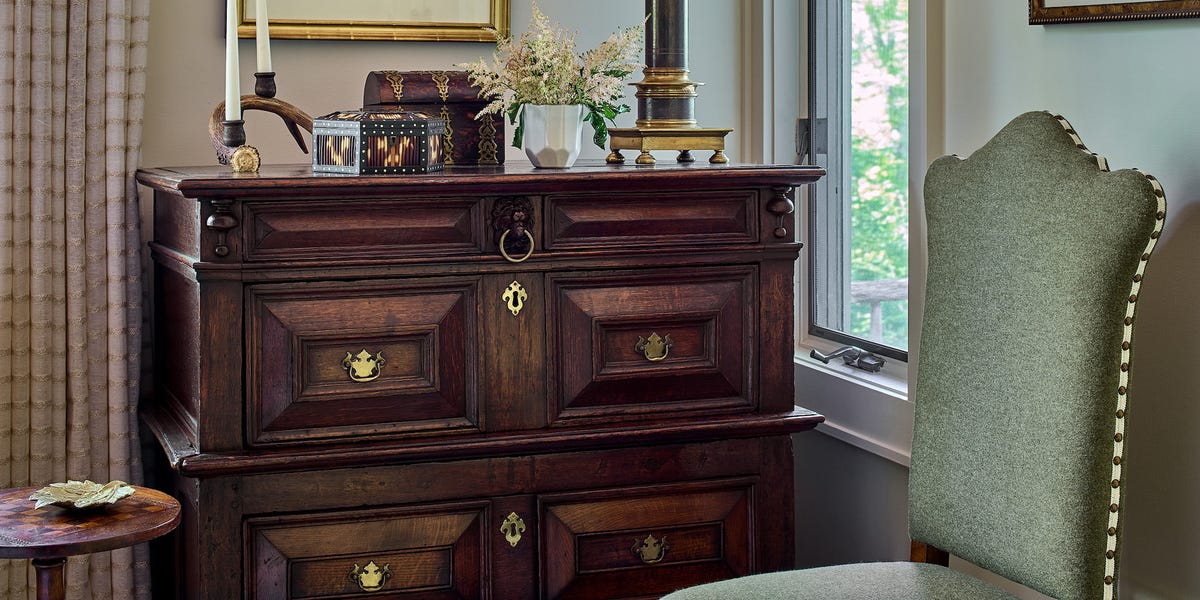
“To me, patina can appear different depending on the material of the antique you are looking at. If the piece is wood, the stain color often darkens and becomes richer in appearance over the years. This can happen due to people touching these pieces and transferring the oils from their skin,” says Debbie Mathews LeRoy, owner and principal designer of Debbie Mathews Antiques & Designs.
While wood and leather might immediately come to mind when picturing patina, there are other surfaces that transform over time, resulting in that same comforting, weathered appearance.
“If you are looking at brass, silver, bronze, or copper, you will notice that these pieces also darken. Some people like this more tarnished look,” says Mathews LeRoy.
We spoke to several interior designers about why patina makes such a huge styling difference, the sorts of materials that develop the look, and how to go about finding those true, high-quality pieces with a history.
How Does Patina Create a ‘Lived-In’ Look?
Design by Debbie Mathews Antiques & Designs. Photo by NativeHouse Photography
Patina is natural—it’s a sign of aging that tells a story. “It is one of the few things that simply can’t be manufactured. It reflects years of use and allows a home to feel as though it has evolved naturally over time rather than being completed all at once,” says Lauren Sullivan, founder and curator of Well x Design.
The “lived-in” look is all about embracing the way you truly live. By incorporating pieces with patina into your home, you’re rejecting the idea that everything has to look untouched.
“If everything in a room is brand new, it can almost feel like a showroom. But bring in an antique chest with softly worn corners or a brass lamp that's mellowed over time, and suddenly the space feels layered and personal. Those imperfections are what make a home feel approachable. They tell you someone has actually lived there, and that's what people connect with,” says Hannah Goldberg of Hannah Charlotte Interiors.
Antiques That Develop PatinaSure, wood and leather are probably the top materials that come to mind when we think about patina’d furniture. But there are actually plenty of other pieces that develop that characterful look, too.
Walnut Furniture: “One of my favorite wood species is walnut, because it patinas so beautifully over time,” says Mathews LeRoy. “Not only does it darken over time, but it becomes warmer in color with golden undertones.”

Design by Debbie Mathews Antiques & Designs. Photo by NativeHouse Photography
Leather: “Leather, first and always. Leather wears in rather than wearing out,” says John Maloney McNamara, owner and principal designer of Coosa Interiors.
For a recent project, Maloney McNamara sourced a pair of leather chairs in their original upholstery. “Those chairs handed the house its history back,” he said. “Nobody looks at leather like that and wonders if it's a knockoff.”

Add Good Housekeeping as a preferred source in your Google search results.
Use your Google account to add this to your settings.

Add to Google settings
Bronze & Crystal Fixtures: “Bronze and crystal chandeliers also age beautifully. The bronze can darken, which sets off the crystals in a magical way. This is why many people love incorporating this type of chandelier in their dining room,” says Mathews LeRoy.

Design by Lindsey Hanna Design. Styling by Adam Fortner. Photo by Molly Culver
Terracotta Planters: “Even something as simple as a vintage wooden stool or a weathered terracotta planter can introduce warmth and keep a room from feeling too new,” says Sullivan.
Vintage Textiles: “To keep tradition alive, we love taking family heirloom table linens and repurposing them into pillows—adding a monogram and using it as a throw pillow on the bed is a go-to,” says Gina Elkins, owner and principal designer of Studio Casa Vita.

Design by John Malone McNamara of Coosa Interiors. Photo by Lauren Krysti
Aged Brass: “Aged brass—whether on a vintage bar cart, library ladder, or pair of sconces—develops a rich warmth that polished finishes simply can't replicate,” says Goldberg.
Architectural Features: “We love architectural antiques, and choose to place them in a range of interiors, no matter the style,” says Elkins. “We love the unexpected juxtaposition of a mid-century home with reclaimed steel elements, or a Colonial Revival home with found doors or fireplace surrounds.”
How to Collect Patina’d PiecesOftentimes, finding just one or two pieces with patina is enough to transform a whole space.
“Vintage pieces are more accepting of life—right off the bat! We feel that every room needs at least one thing that isn’t brand new, and we love scouting pieces with worn character to incorporate into our clients' homes,” says Lindsey Hanna, founder and principal designer of Lindsey Hanna Design. “They typically become the centerpiece of the design.”
Read on for expert-approved tips on finding those love-worn pieces we all crave.

Design by BANDD/DESIGN. Photo by Frank Garnica
Check Out Online Shops: “You can search online on Chairish, 1stdibs, Facebook Marketplace, or eBay,” says Mathews LeRoy.
Master the Keywords: “Search for terms like ‘original finish,’ ‘unrestored,’ and ‘natural patina’ and PLEASE don’t be afraid of a few imperfections. That’s usually the good part,” says Sara Malek Barney of BANDD/DESIGN.
Be Patient: “Don't be afraid to scour auction websites for patina’d treasures. Sites like hibid.com have tons of vendors with exceptional pieces,” says Elkins. “But hunting takes time and patience. If you're willing to monitor the auction sites, you can always find wonderful pieces at affordable prices.”
Do Your Research: “If you love the physical treasure hunt, then I would recommend visiting antique stores, flea markets, estate sales, or antique shows. I find it helpful to study pieces online first before heading out to learn about typical pricing for an item, or the age or provenance of a piece you’re interested in,” says Mathews LeRoy.
Pay Close Attention to Condition: “The only rule I'd call non-negotiable is to buy the real thing in honest condition,” says Maloney McNamara. “A piece that earned its age over 70 years will always out-charm one that was distressed in a factory last month.”
Don’t Settle: “The best approach is to buy what you genuinely love, because the most timeless homes are built from meaningful collections gathered over time,” says Mary Patton of Mary Patton Design.
Related Story
 7 Vintage Design Trends With Staying Power
 What Designers Think of the Refined Layering Trend
 Why Designers Love the 'Grandmacore' Trend
Laura Millar (she/her) is a freelance lifestyle journalist for Good Housekeeping. She holds a degree in Film, TV & Media from the University of Michigan, and was previously the assistant lifestyle editor for GH, where she covered home design. Her byline has appeared in NBC's TODAY.com, PEOPLE, Real Simple, and Business Insider.