Remember me

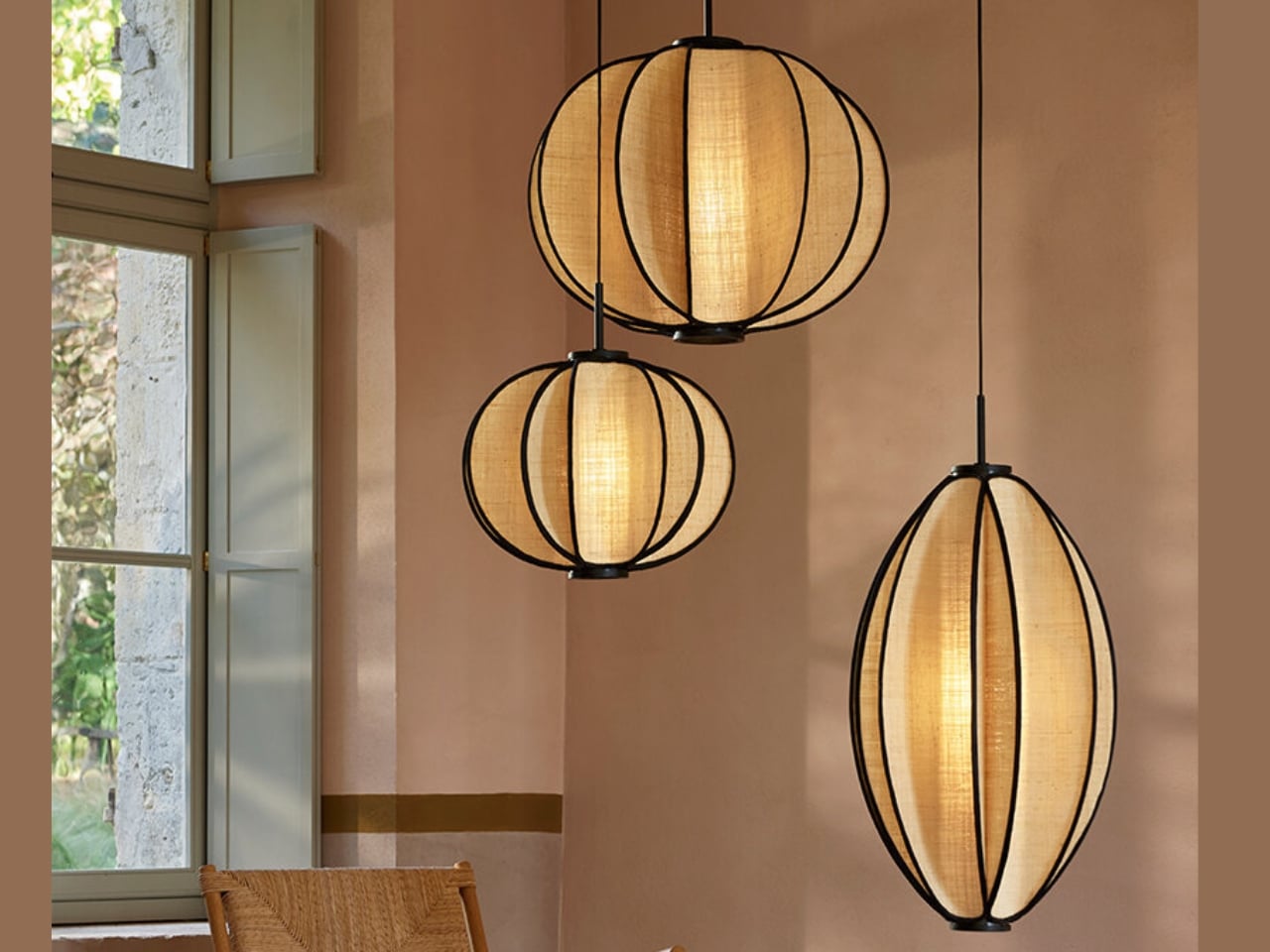
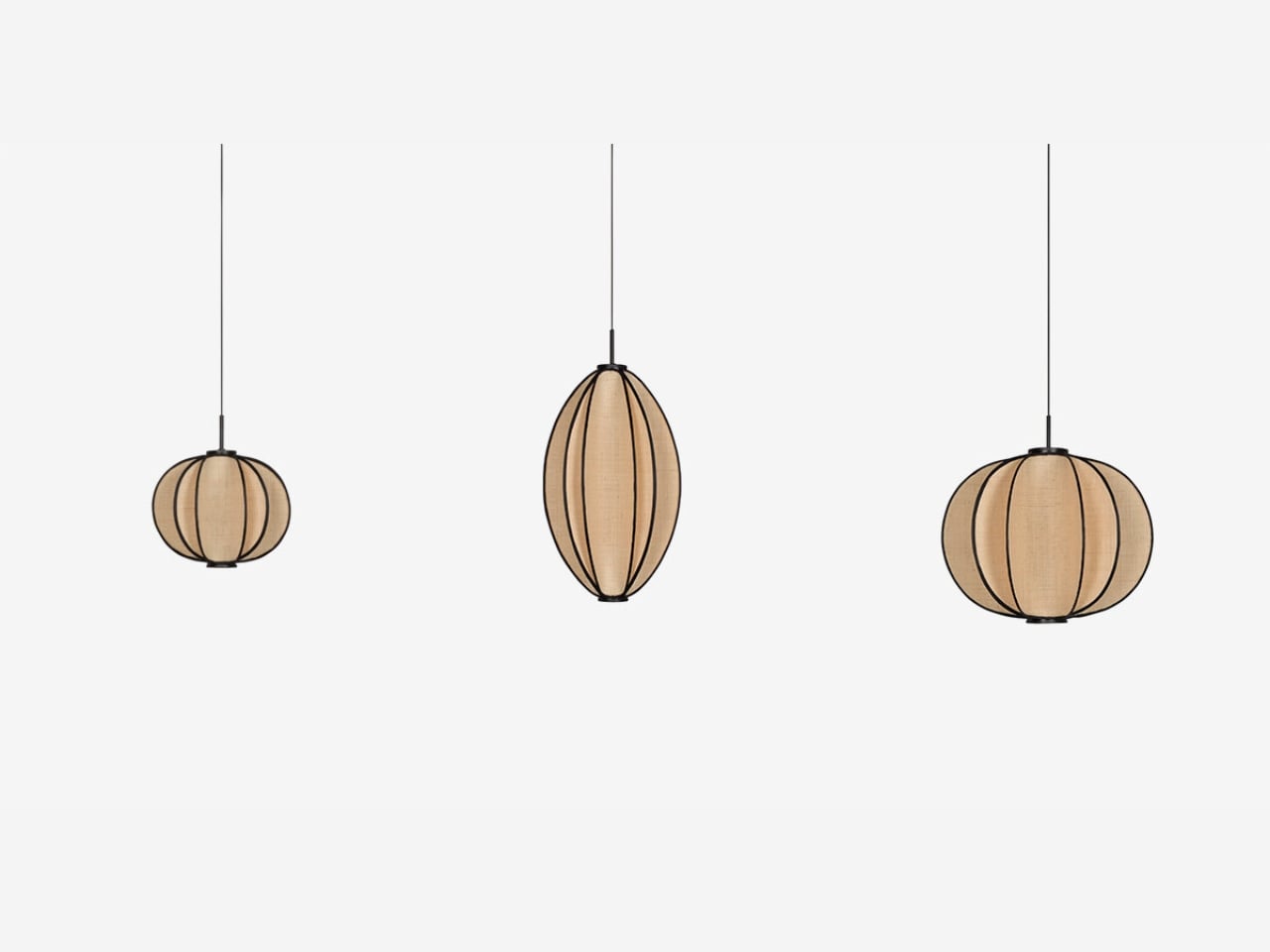
If you’ve ever stood in a room and felt the light fundamentally change your reading of the space, you’ll understand immediately why the Solis collection by Forestier stopped me in my tracks. Designed by German-born, Netherlands-based Jette Scheib, these pendant lights are doing something that most contemporary lighting design doesn’t bother to attempt anymore: they’re asking you to slow down and actually look at what’s above you.
Scheib has been a longtime creative partner with Maison Forestier, a French lighting brand founded in 1992 that has consistently built its identity around natural materials and handcraft. Their collaboration isn’t a commissioned-and-done arrangement; it’s a genuine alliance that has shaped the brand across multiple collections. Solis is the latest result, and it feels like the kind of piece that only comes from two parties who trust each other enough to take a real design risk.
Designer: Jette Scheib
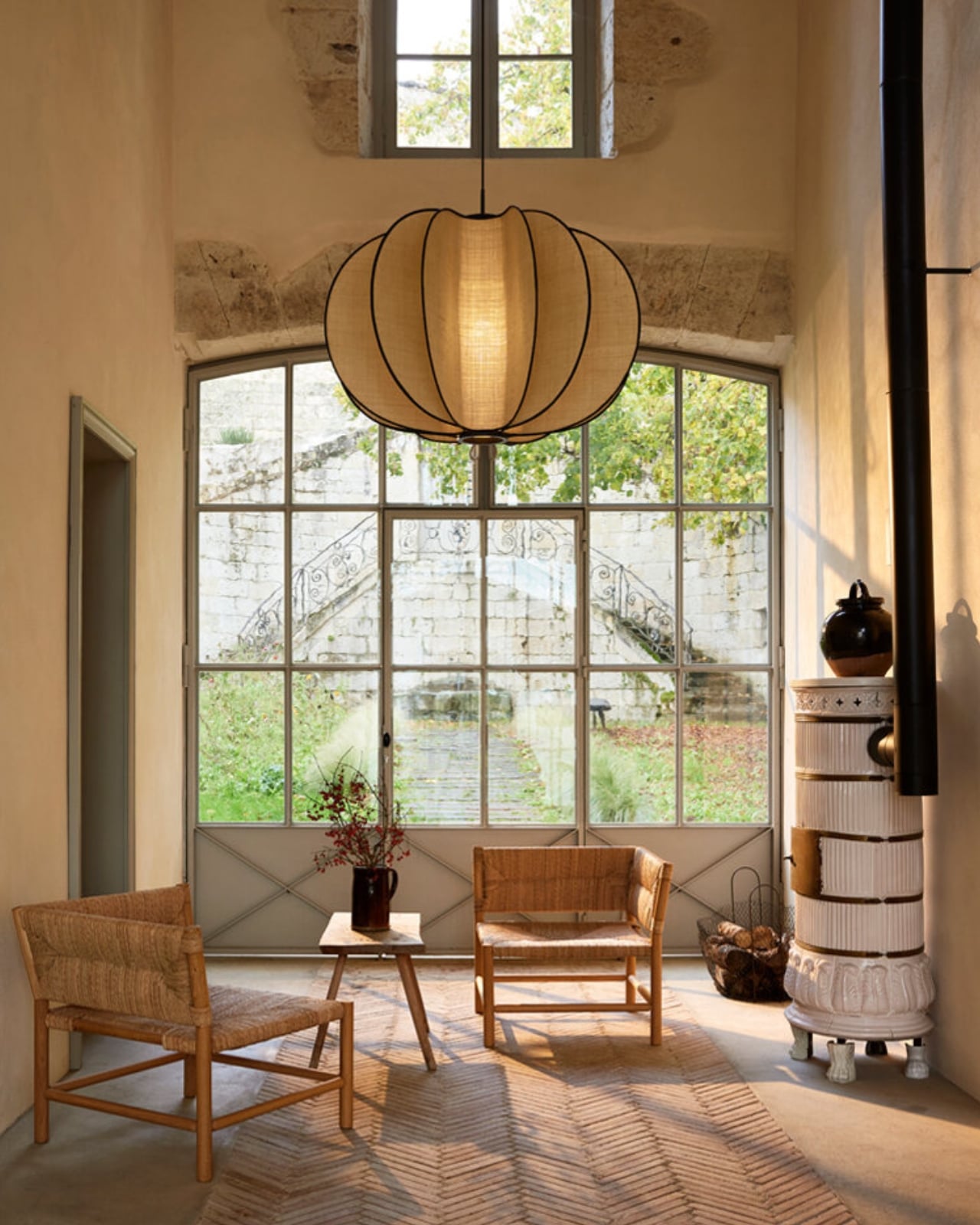
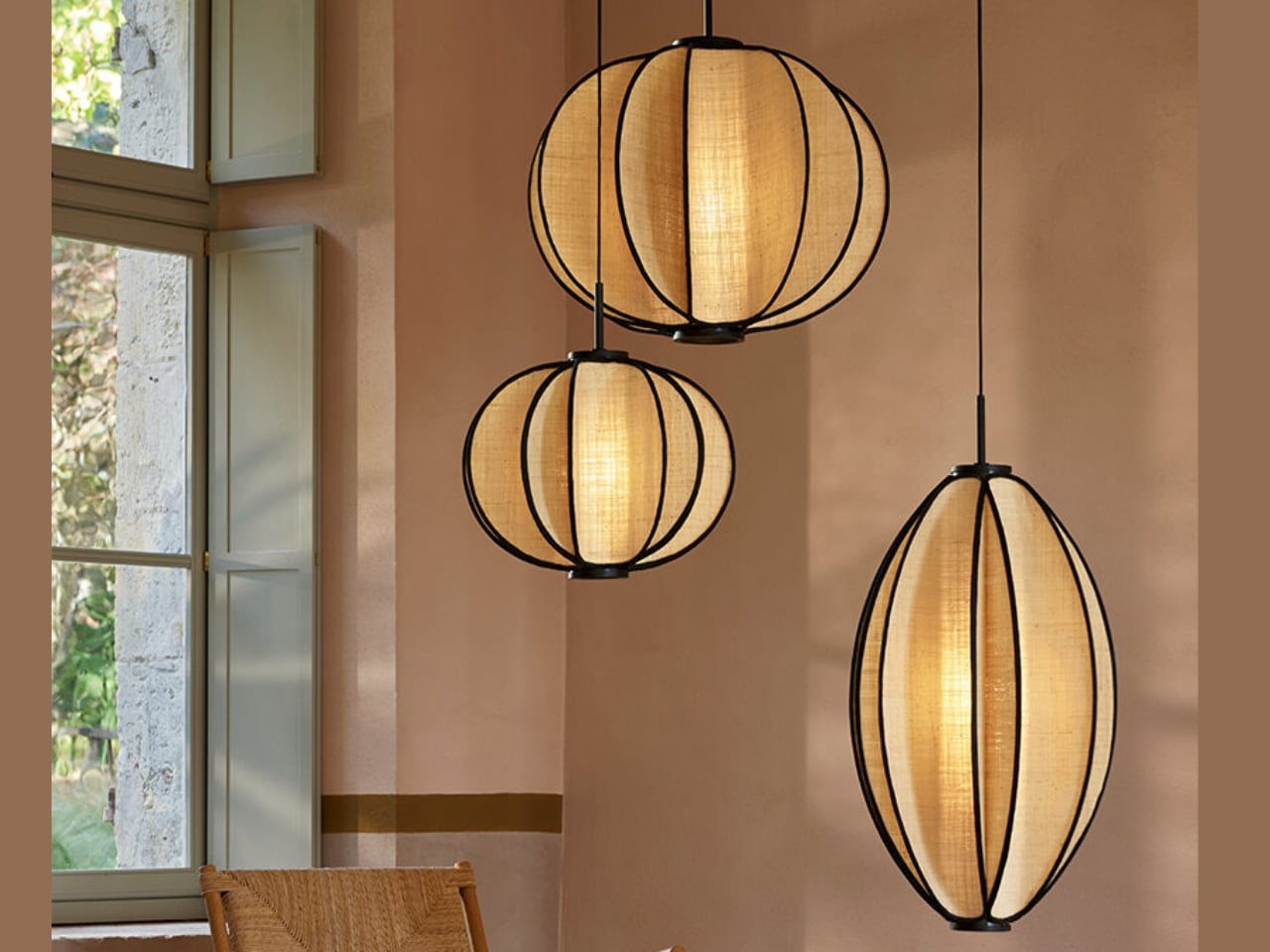
The design itself is deceptively simple. Organic plant fiber, specifically raphia, is hand-woven and stretched over rigid metallic frames, with fine black edging tracing the silhouette. The light that passes through is soft and diffused, mimicking the gentle warmth of late afternoon sun rather than the hard, directed brightness we’ve come to expect from modern interiors. That distinction matters more than people typically give it credit for. Most lighting design optimizes for performance. Solis optimizes for feeling.
The name gives it away, if you know where to look. Solis is Latin for sun, but Scheib built in a second layer of meaning that’s genuinely clever: it also alludes to what grows under the sun, the plant fibers that give these lamps their texture and warmth. A lamp named for both the light it casts and the material born from light. That kind of conceptual coherence is rare, and when it shows up, it elevates an object from product to something closer to poetry.
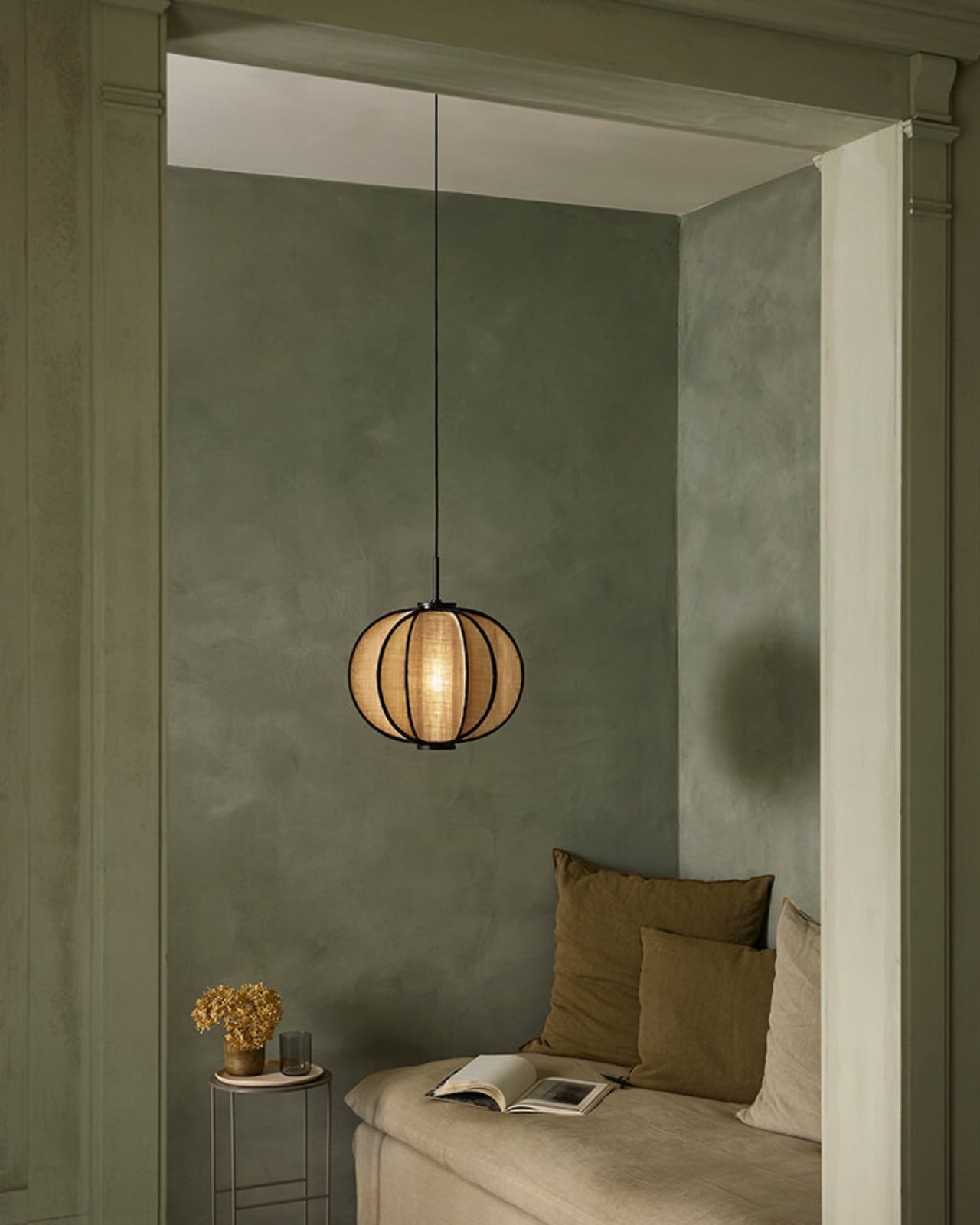
Solis behaves interestingly in space. The silhouettes shift subtly depending on your angle and the time of day, so the lamp you see at 9am is not quite the same lamp you see at 6pm. Volume appears to expand or contract; weight seems to change. The organic shape can read as a seed from one angle and something closer to a radiant star from another. Scheib’s stated focus was the tension between solidity and lightness, and she’s pulled it off in a way that doesn’t feel like a design statement, just a lamp that happens to feel alive. Because raphia carries natural irregularities, no two Solis pendants are identical either. Every one is technically its own object.
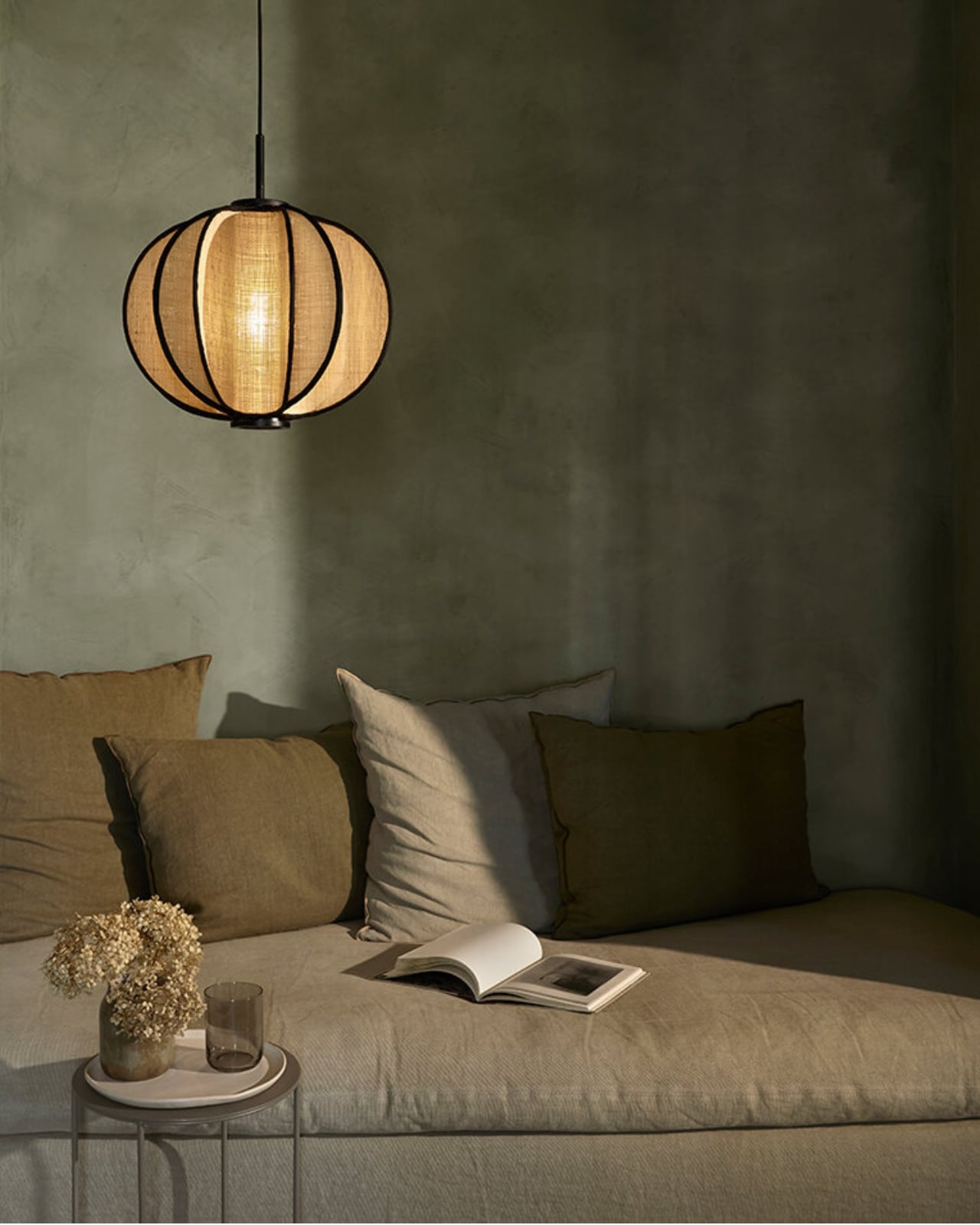
The craftsmanship behind the collection is rooted in a fifteen-year partnership with specialized workshops in the Philippines, where weaving and basketry skills have been passed down through generations. Aesthetics tend to dominate design coverage, but the provenance of an object like this deserves equal attention. The lamp isn’t just something to admire from across the room; it’s the physical result of skill that exists in specific places and specific hands. Forestier’s relationship with those workshops is long enough to be structural, and that’s the real difference between sourcing craft and actually valuing it.
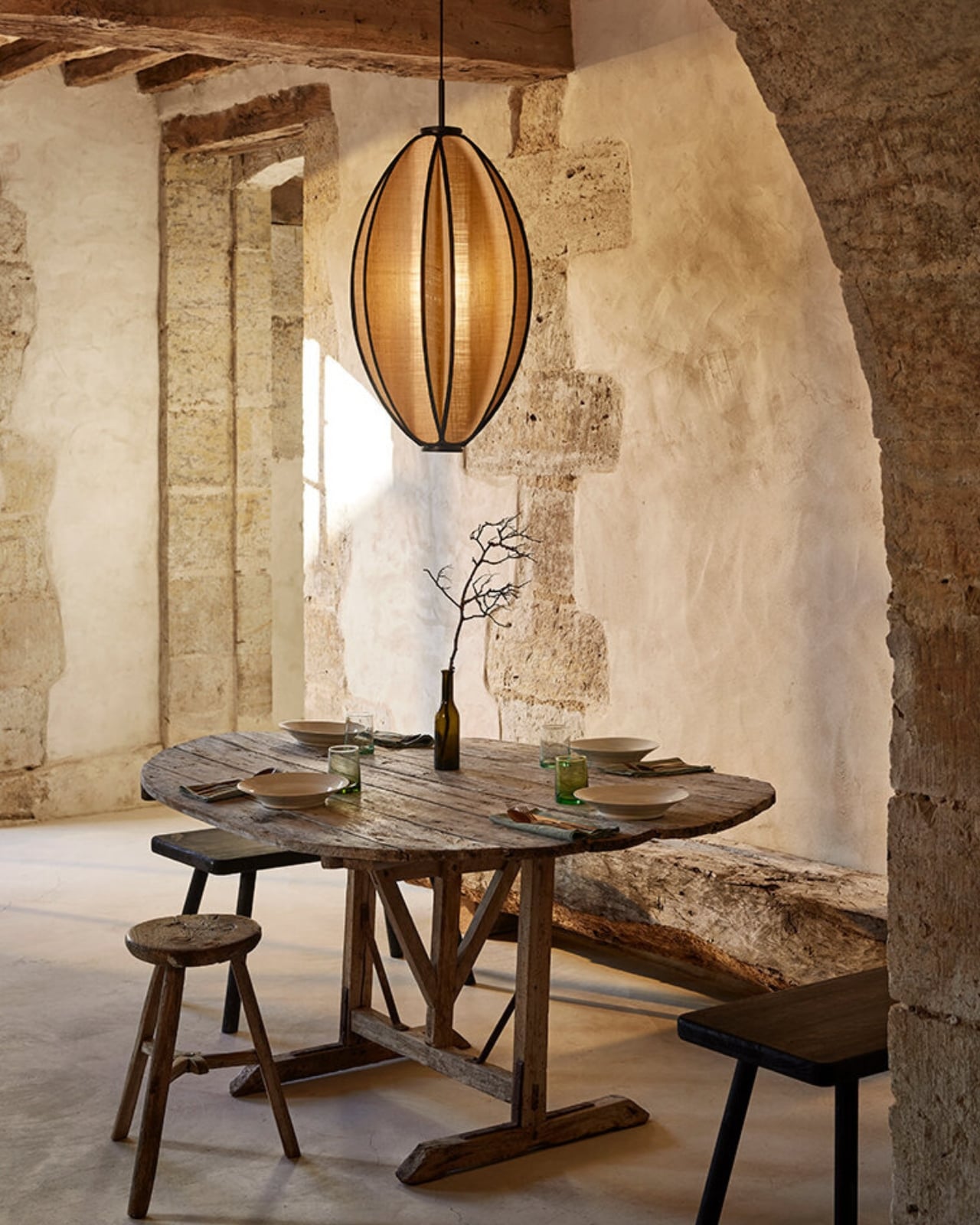
Solis is available in sizes from 40cm to 100cm in diameter, which makes it genuinely flexible. It can anchor a dining table or settle quietly in a corner without demanding attention. It reads well in both contemporary and rustic interiors without looking like it’s trying too hard to belong somewhere specific, which is rarer than it sounds in pendant lighting.
Design objects earn their place by doing more than filling space. The best ones shift your experience of a room, subtly enough that you might not even notice immediately. Solis does that. The light it casts is warm and a little sun-like. The form changes on you. The fiber holds the story of where it came from. That’s not a small thing for a pendant light to carry, and Scheib makes it look genuinely effortless.