Remember me
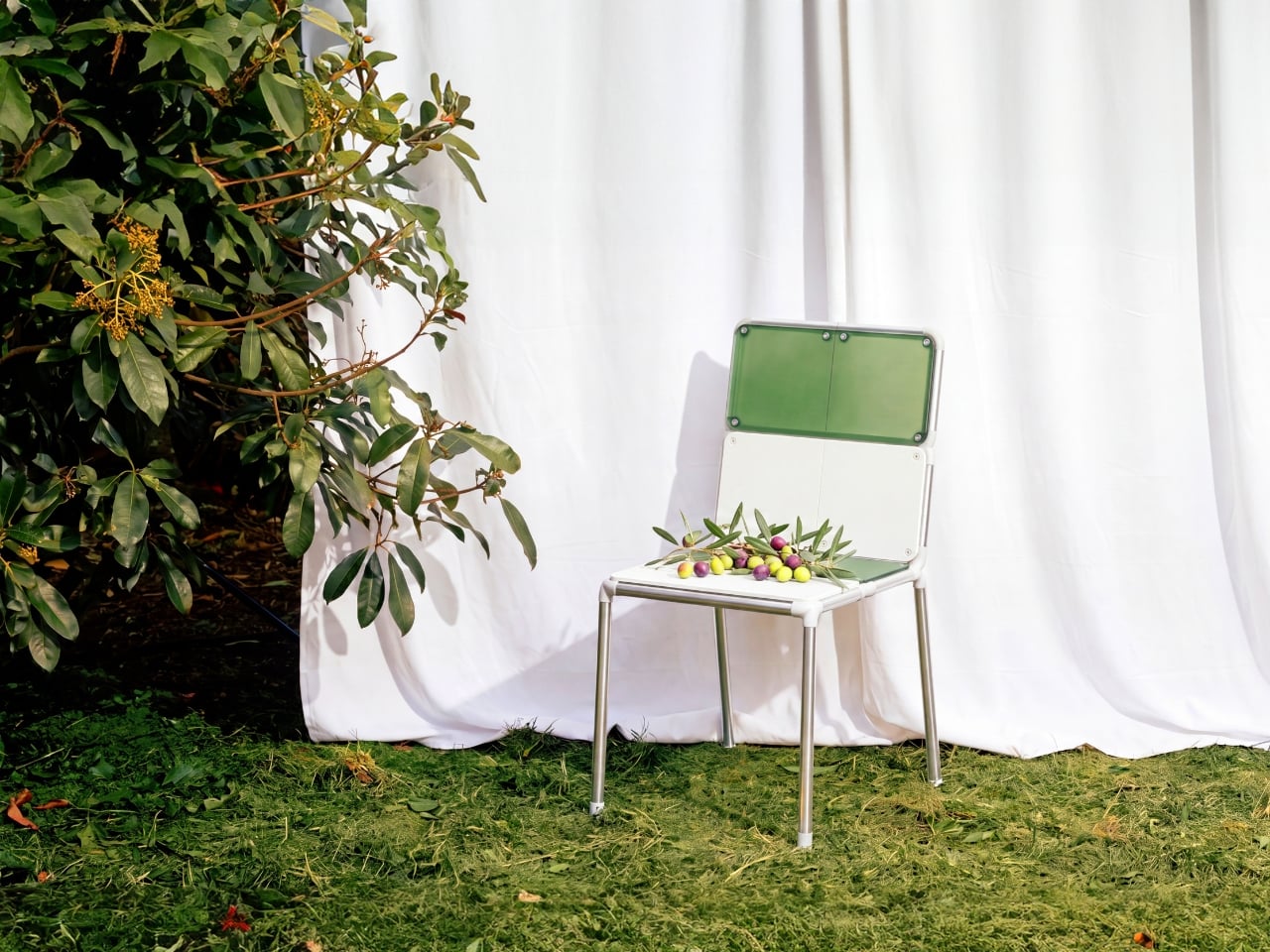
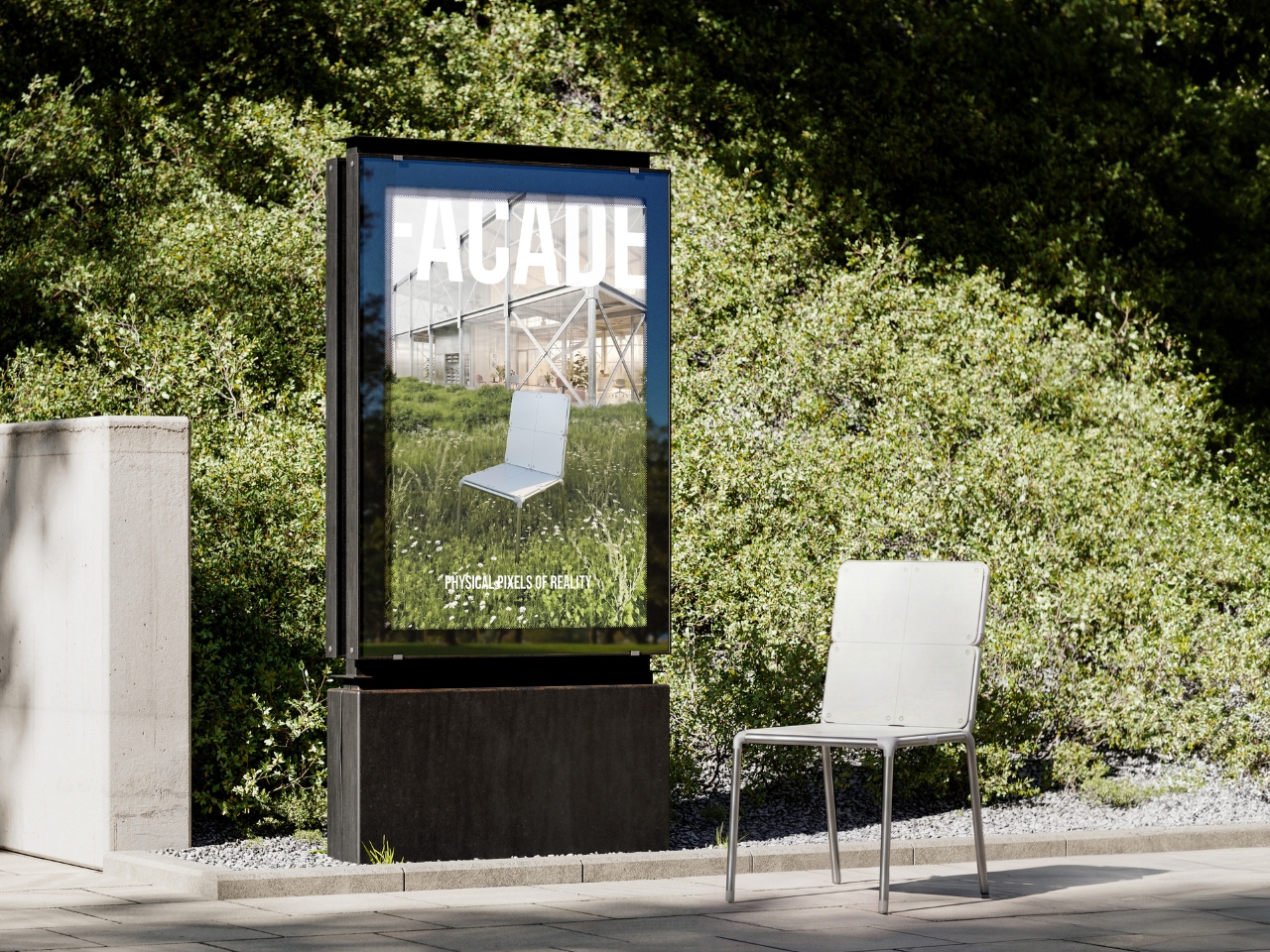
Most furniture asks one question at the point of purchase: do you like it enough to live with it, possibly forever? Junha Kahm’s Facade modular chair asks something different. It asks what you want from it right now, with the understanding that the answer is allowed to change.
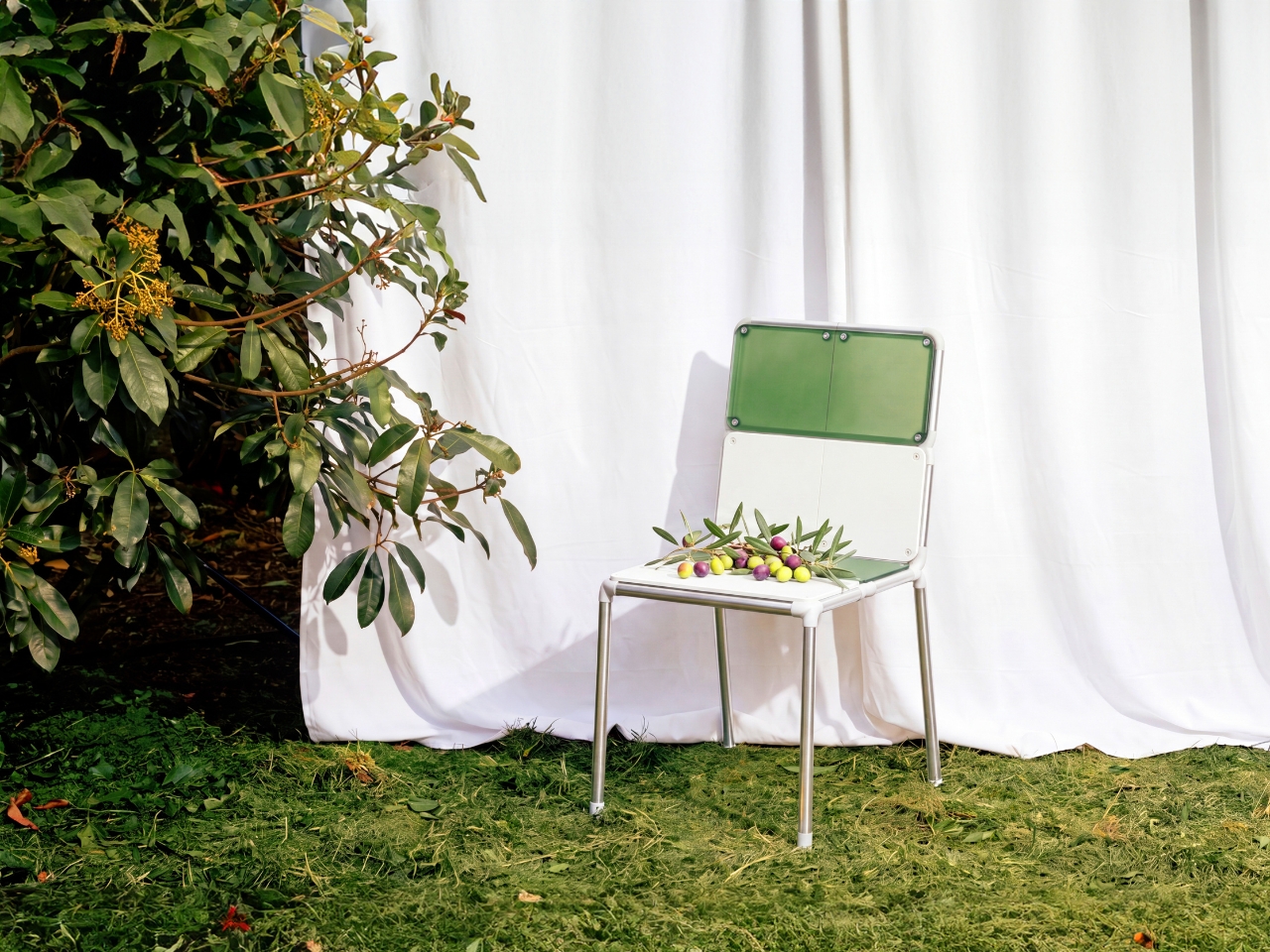
The design breaks down into two primary systems: a stainless steel tube frame built on a 1:2 proportion ratio, and eight symmetrical PETG panels that clip into it. That proportion isn’t arbitrary. It gives the chair a visual discipline that reads immediately as intentional, a grid logic that references the structural composition of industrial architecture without cosplaying as a building. The frame is the constant. The panels are the conversation.
Designer: Junha Kahm
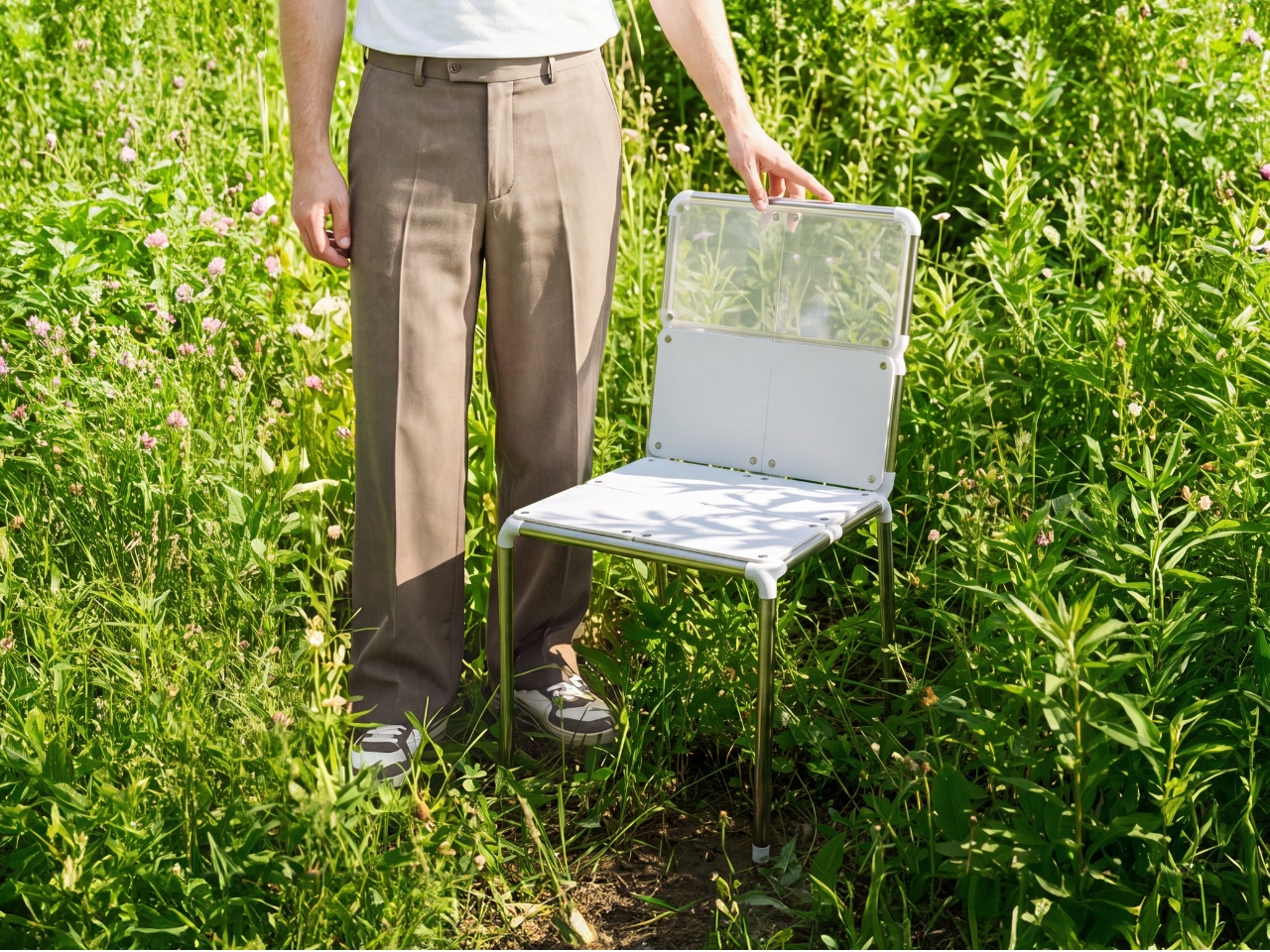
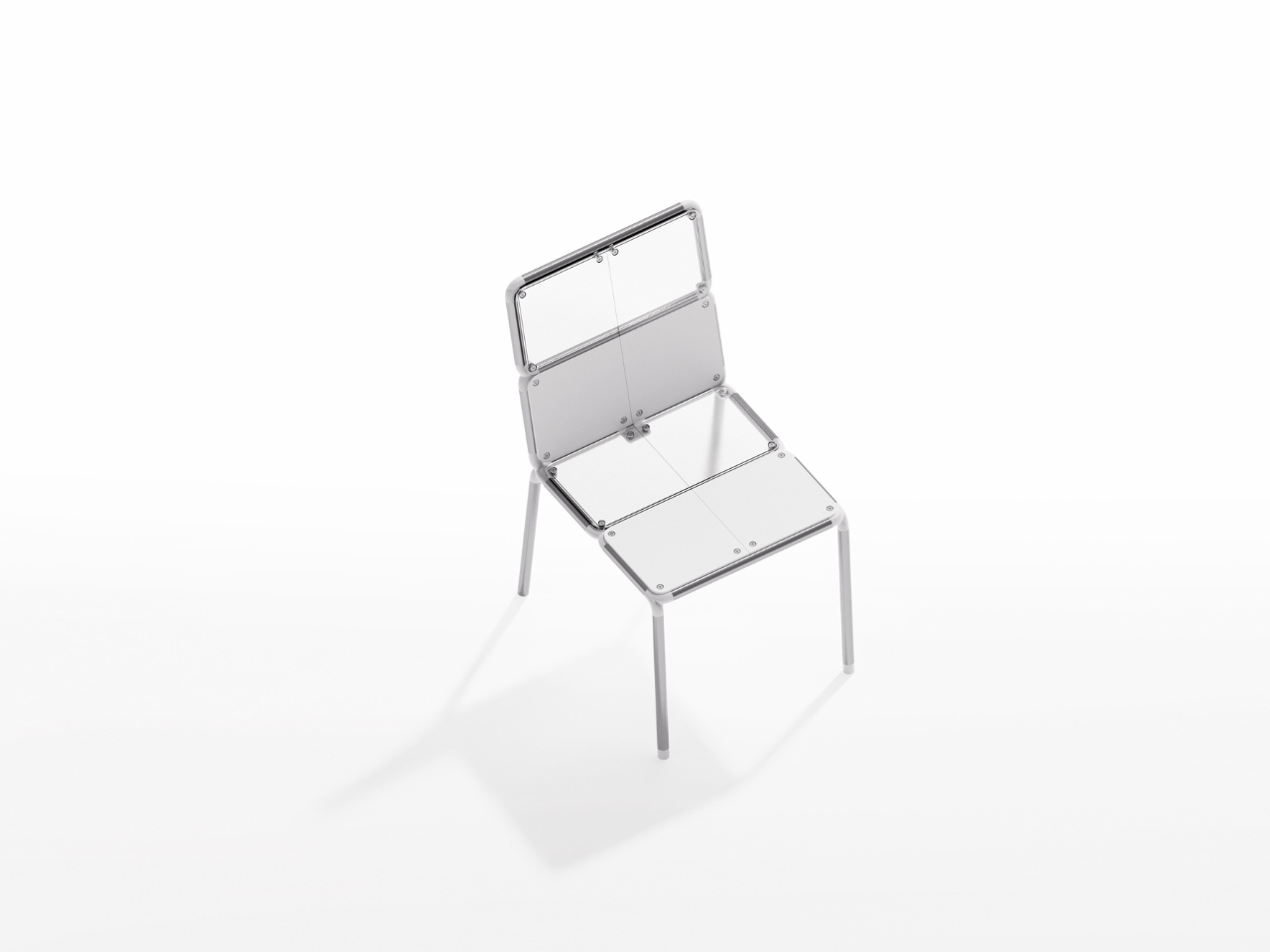
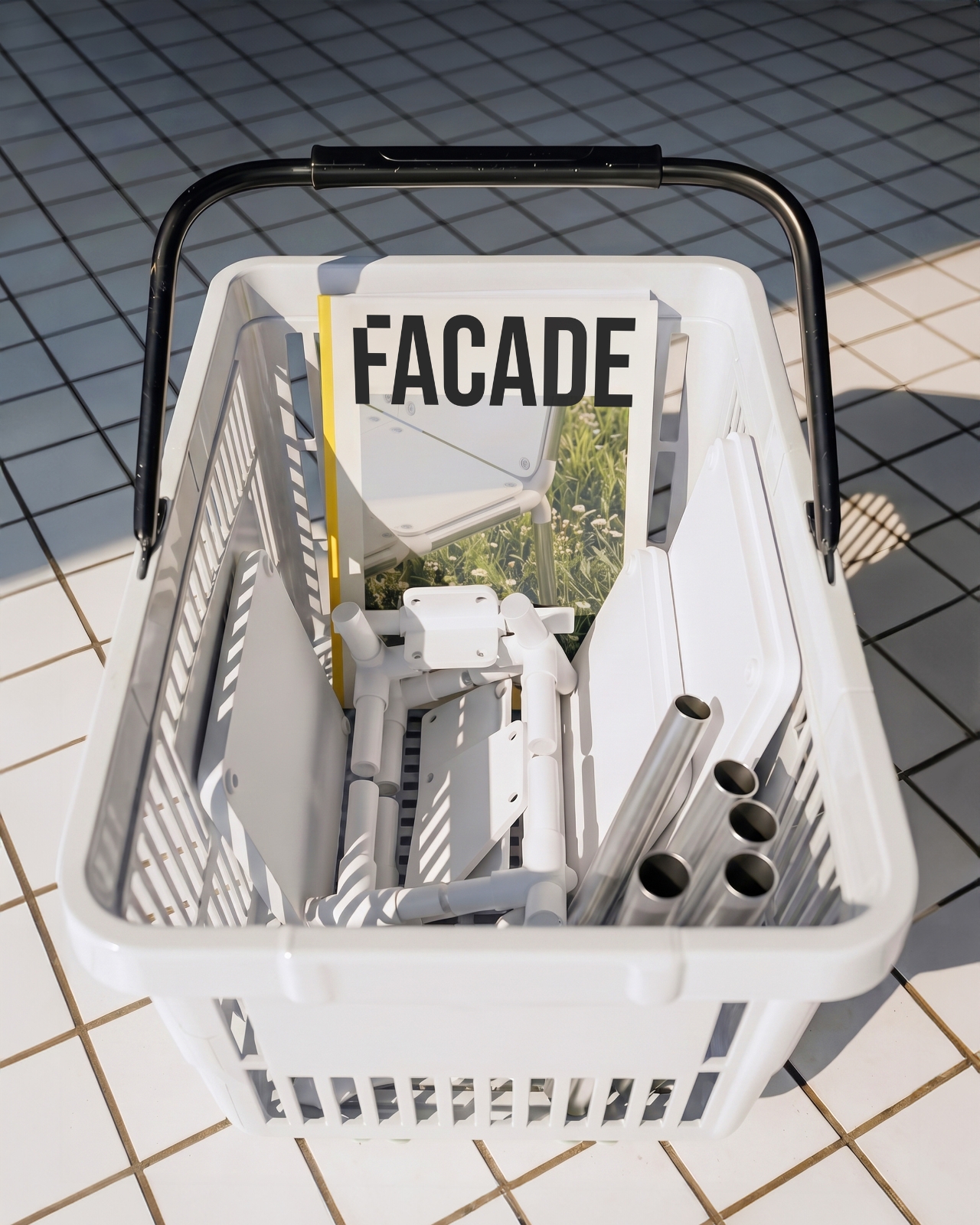
Each of those eight panels is identical in its symmetry, meaning the A and B parts mirror each other across both the seat and backrest. This is smart, deliberate engineering. Symmetrical components reduce manufacturing complexity and make component replacement genuinely practical rather than a design promise that falls apart the moment you try to source a spare. The panels attach to the frame via bolts and threaded inserts, making disassembly straightforward rather than surgical. The whole chair breaks down into components that, notably, fit inside a standard shopping basket. Kahm included that image in the project, and it lands as both a practical statement and a quiet joke at the expense of furniture that makes you feel like you need a logistics team to move it.
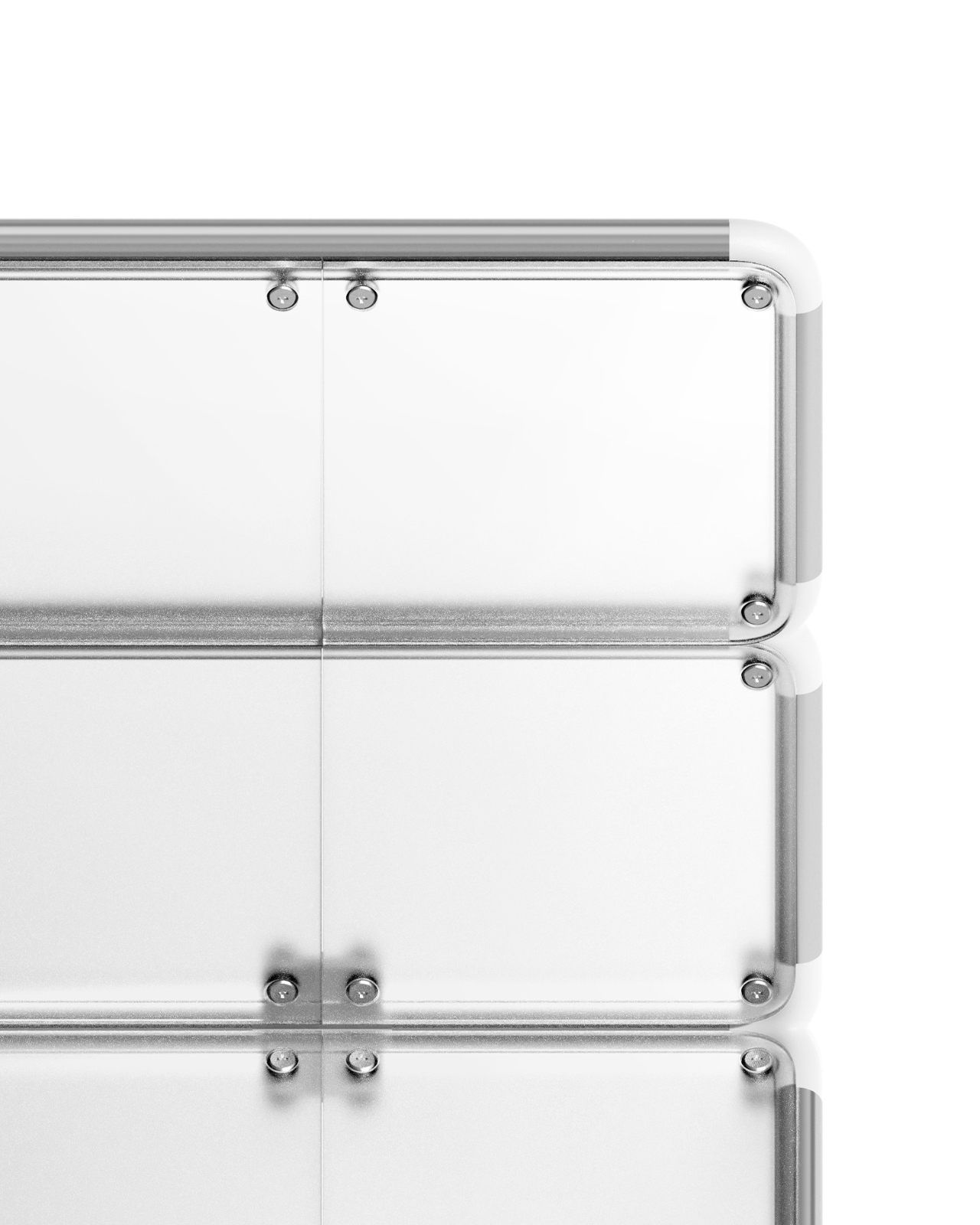
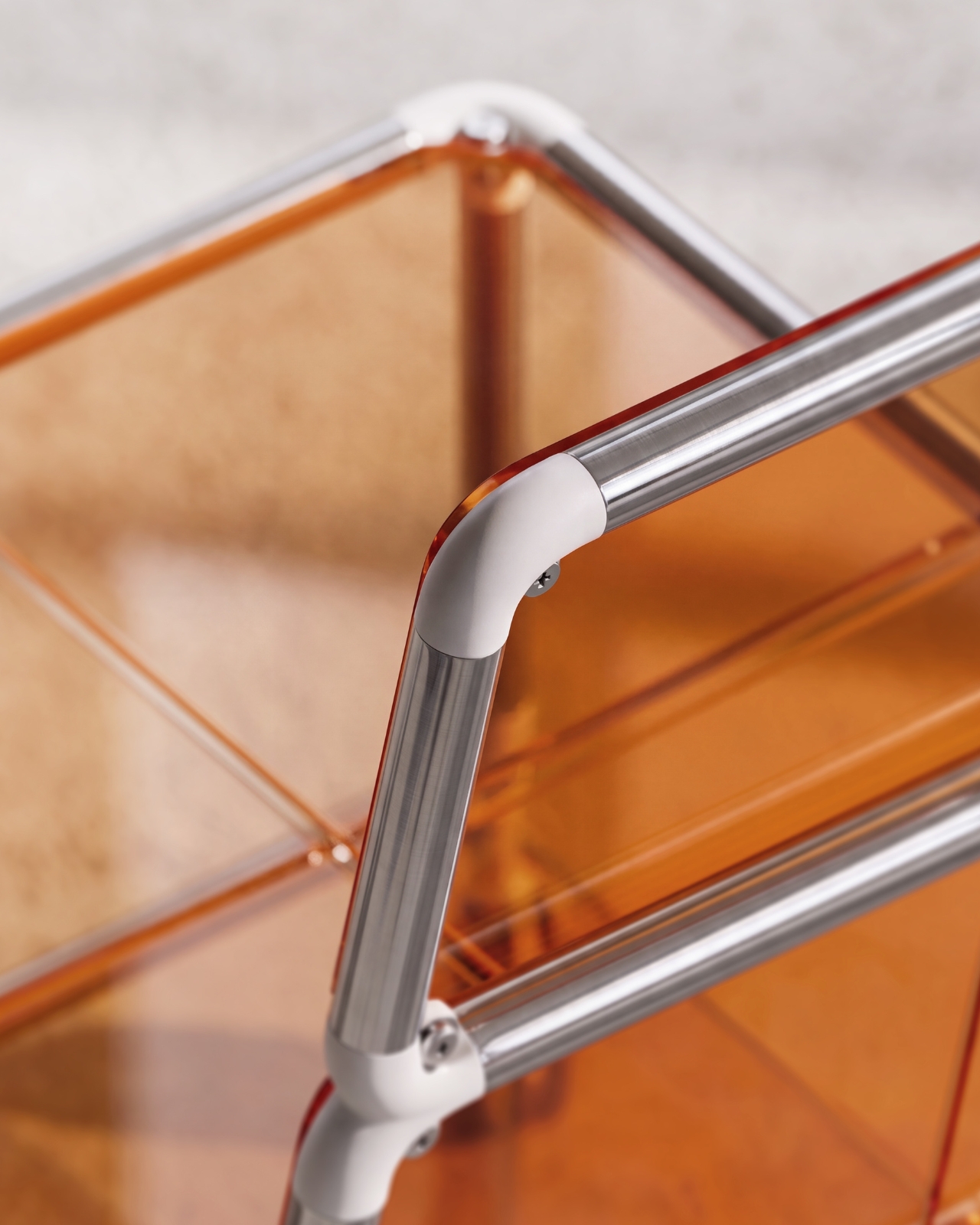
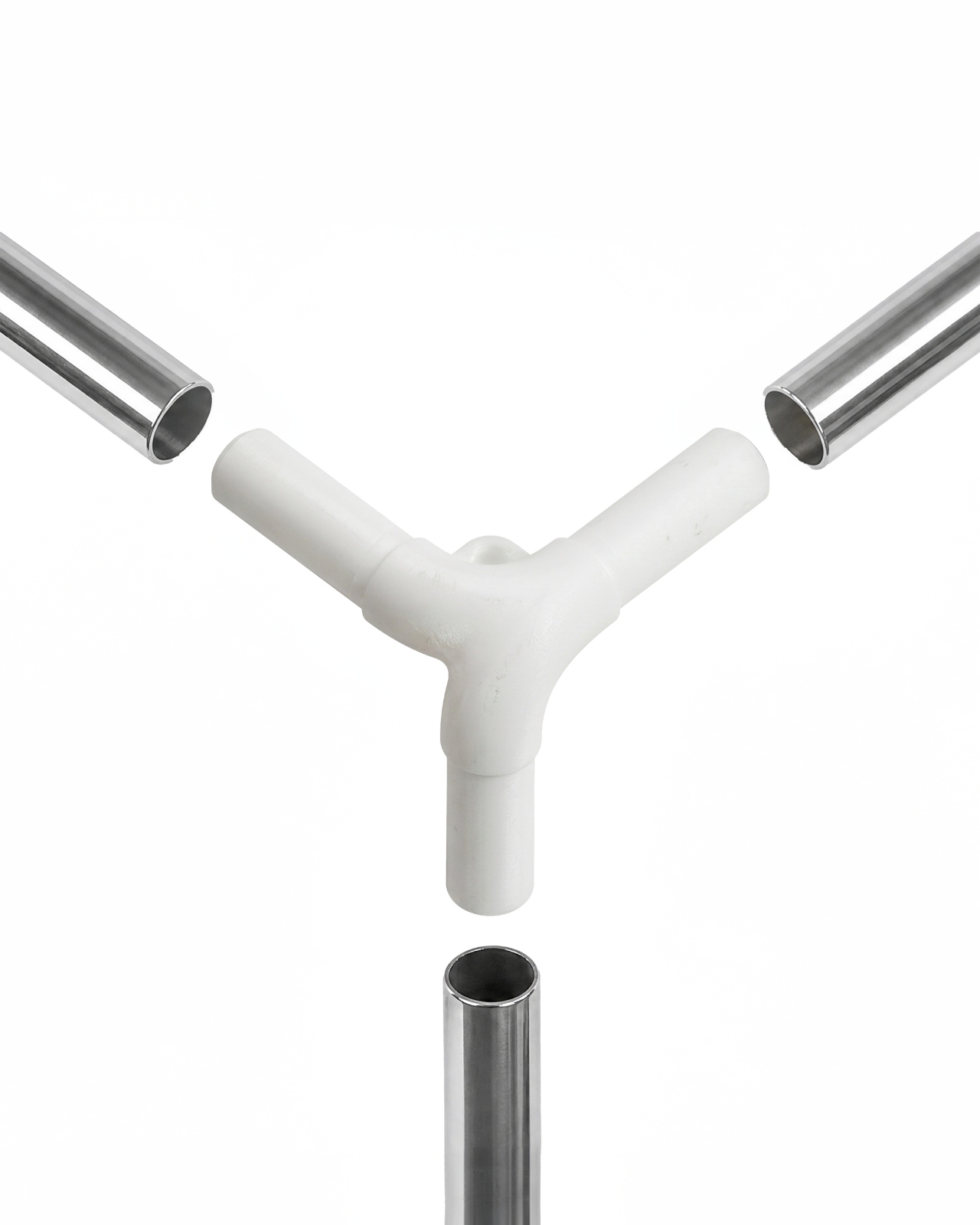
The joints connecting the stainless steel tubes deserve particular attention. Made from PETG in a rounded elbow form, they’re molded in white and sit at the intersections of the frame with a deliberate softness that contrasts cleanly against the brushed metal tubes. The angles are precise: 14 degrees at the rear leg splay, with 3 and 8 degree variations at other connection points. These aren’t decorative choices. They give the chair stability and a subtle forward lean that makes the silhouette feel considered rather than rigid.
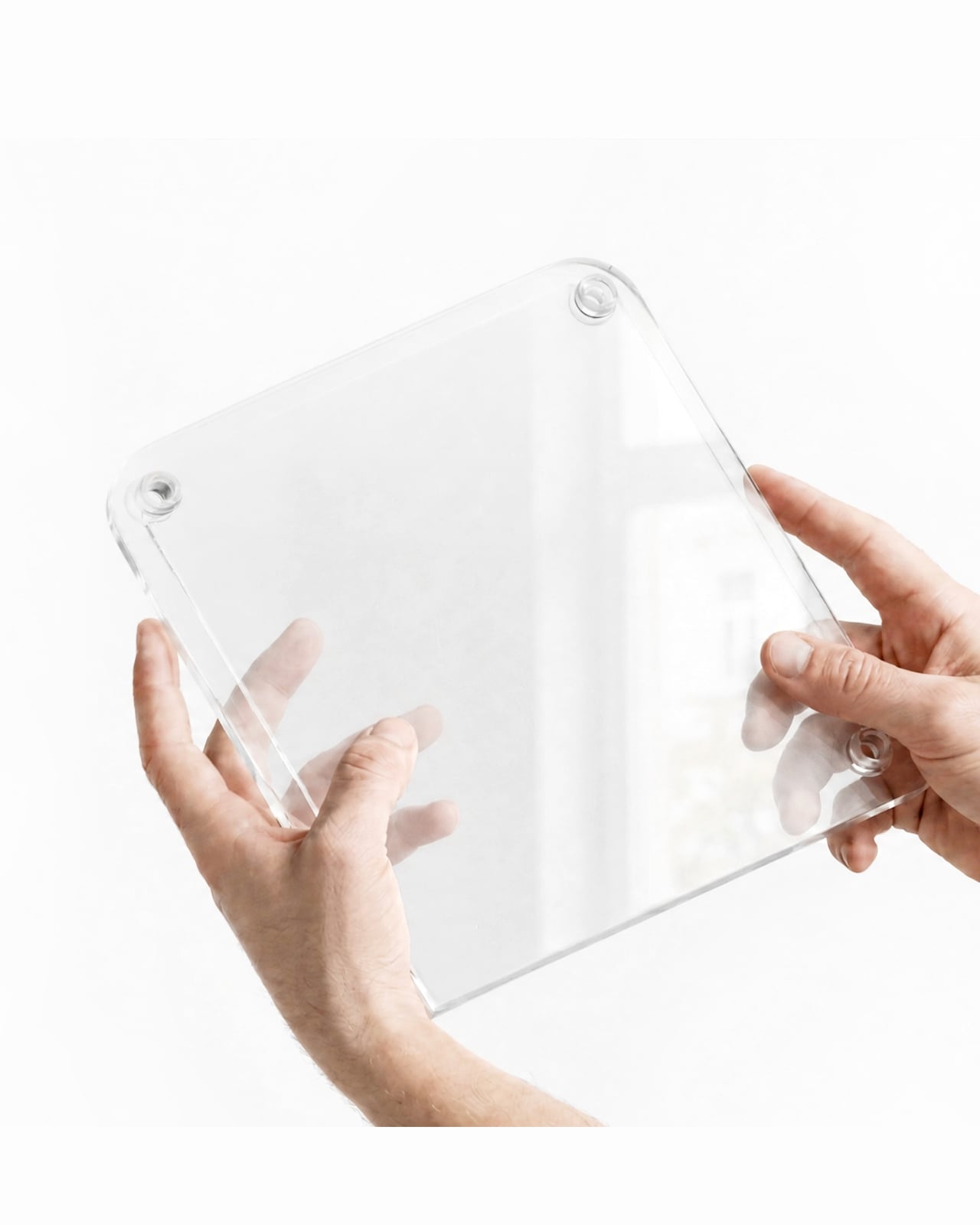
The panel material opens the design up in a direction that’s genuinely interesting. PETG is semi-rigid, lightweight, and takes color well, which is where the CMF possibilities come in. The translucent versions let the stainless frame read through the surface, keeping the chair visually light. The opaque panels, seen in white and amber orange across different configurations, shift the chair’s entire personality. In orange, sitting against warm light, the Facade looks like something from a terrace in the south of France. In white, it’s crisp and minimal, closer to a studio or a modern dining room. Same chair. Different skin. That’s the point, and Kahm communicates it with a tagline in the project’s moodboard that cuts straight to it: “one point. sixteen panels. infinite facades.”
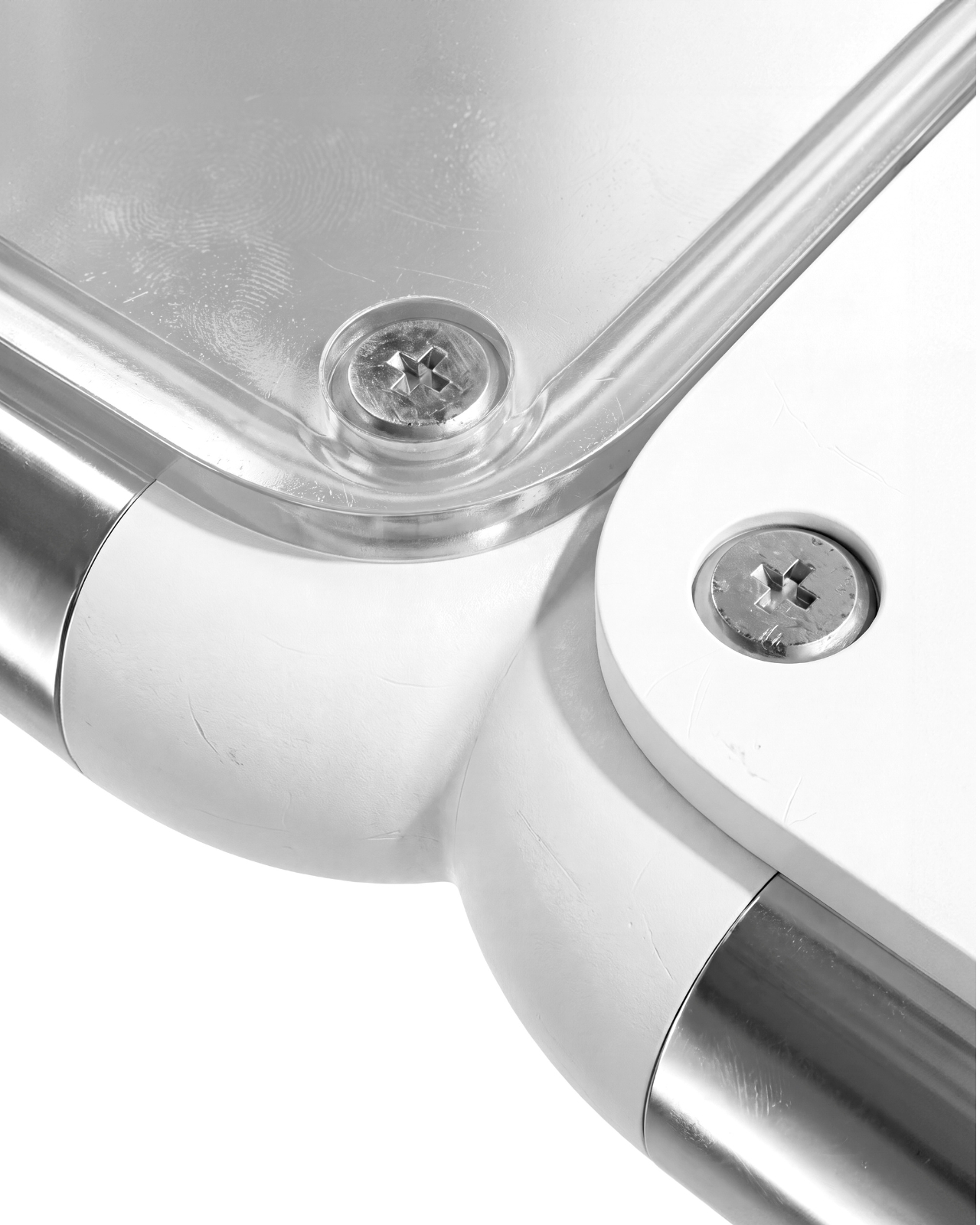
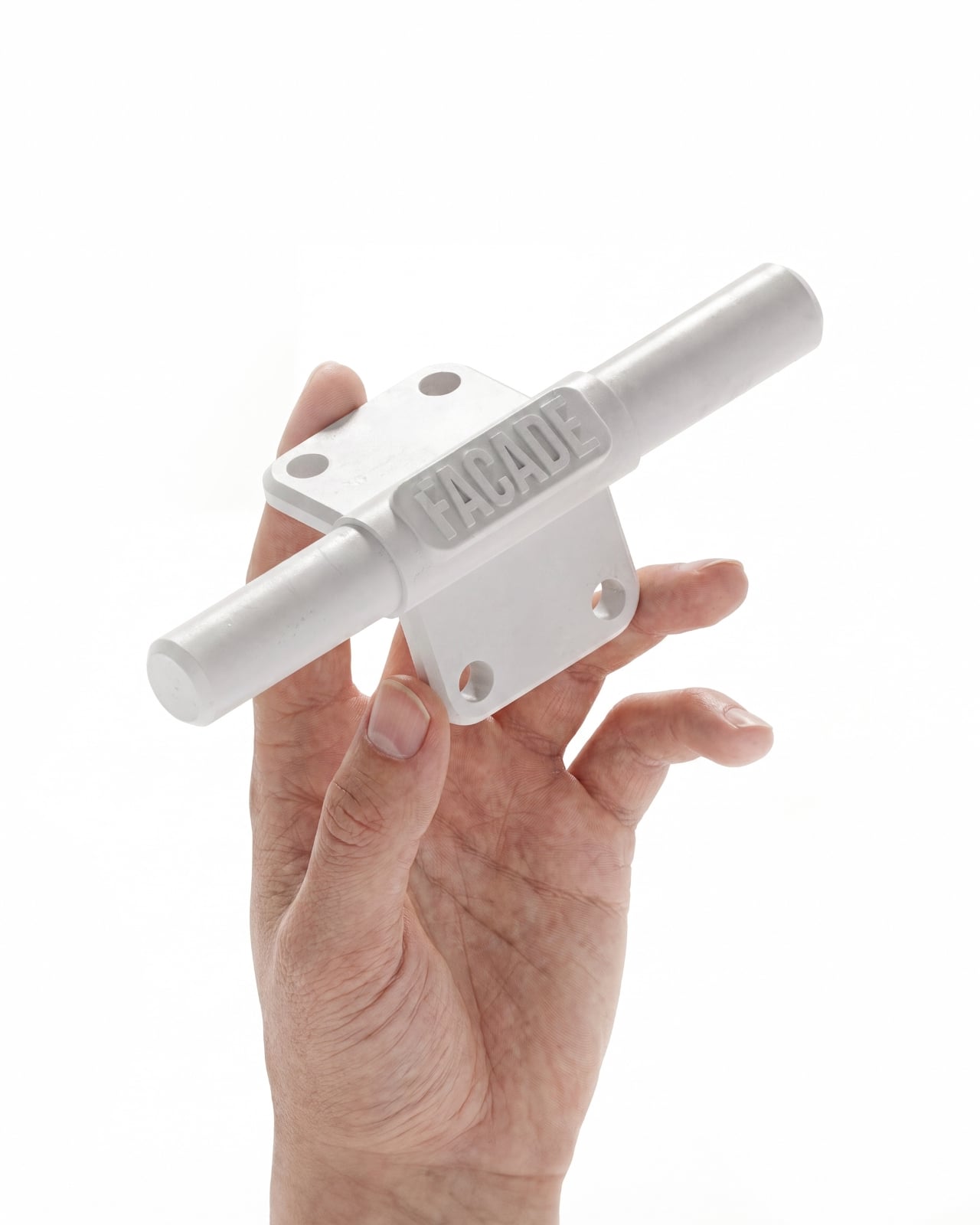
The architectural reference holds up because Kahm doesn’t use it superficially. Building facades serve real functional purposes: they regulate the relationship between structure and environment, they’re the part of a building most exposed to change and weathering, and on good buildings, they can be updated without touching the core structure. The Facade chair operates on the same logic. The frame is the architecture. The panels are the cladding. If one gets damaged, scratched, or simply becomes the wrong color for the room it’s in, you replace the panel, not the chair.
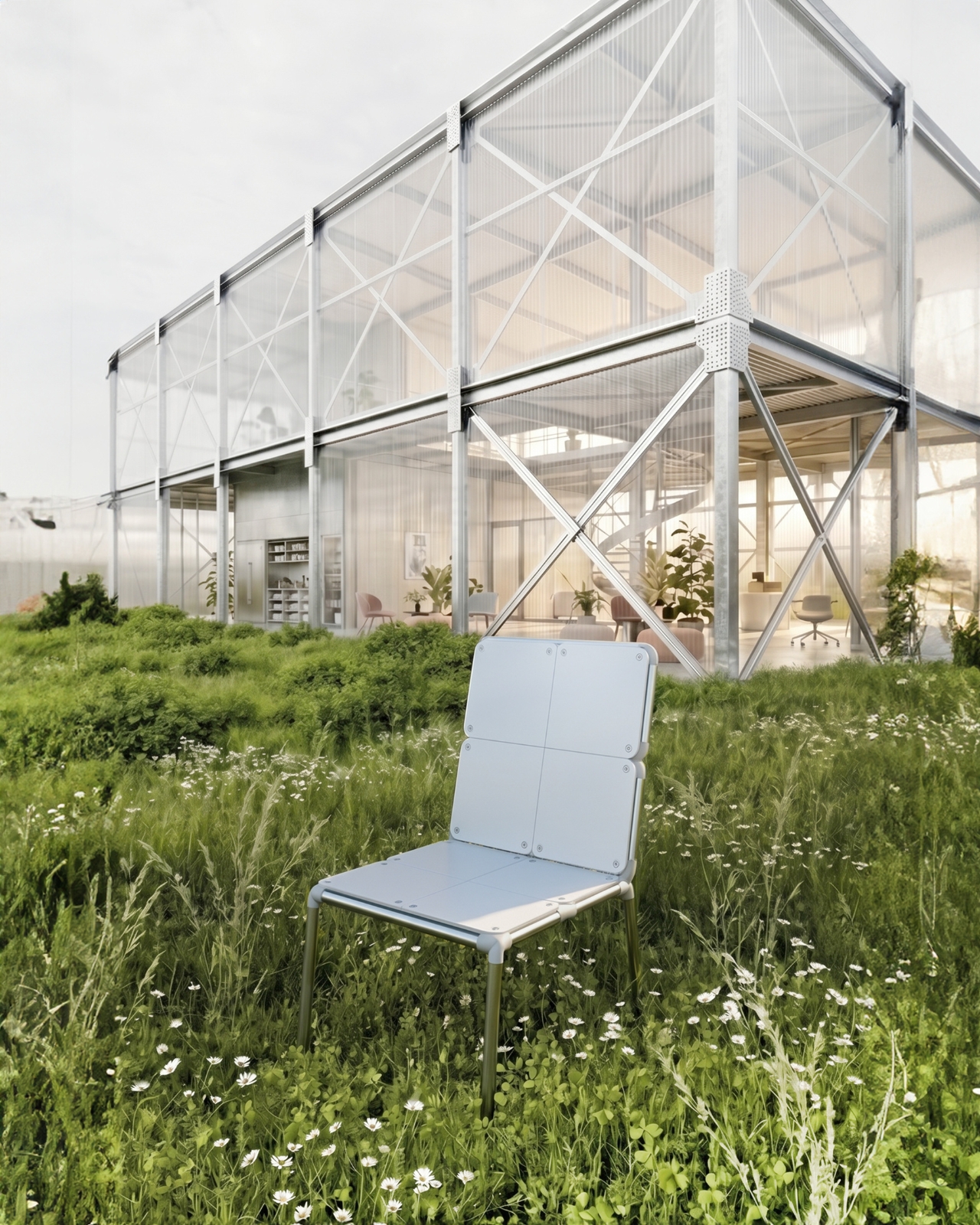

That reframing matters. The sustainability conversation in furniture design has leaned heavily on material sourcing, which is important, but it often ignores the simpler question of longevity through repairability. The Facade doesn’t require you to care deeply about sustainability to benefit from its approach. You just have to occasionally want things to look different, and most of us do. The clean grid composition keeps all of this from feeling overwrought. The Facade doesn’t announce itself. It sits quietly, reads as a well-proportioned chair, and holds its adaptability as a structural fact rather than a selling point worn on its sleeve. That restraint is, in its own way, the strongest part of the design.