Drought impacts on European crops summaryEuropean drought conditions are reducing yields across major cropsCorn faces the steepest losses with harvests projected at lowest for decadesWheat, barley and oilseeds have suffered smaller yield declinesImports from Ukraine and overseas suppliers could ease shortagesMore frequent droughts may make future water supplies less reliable
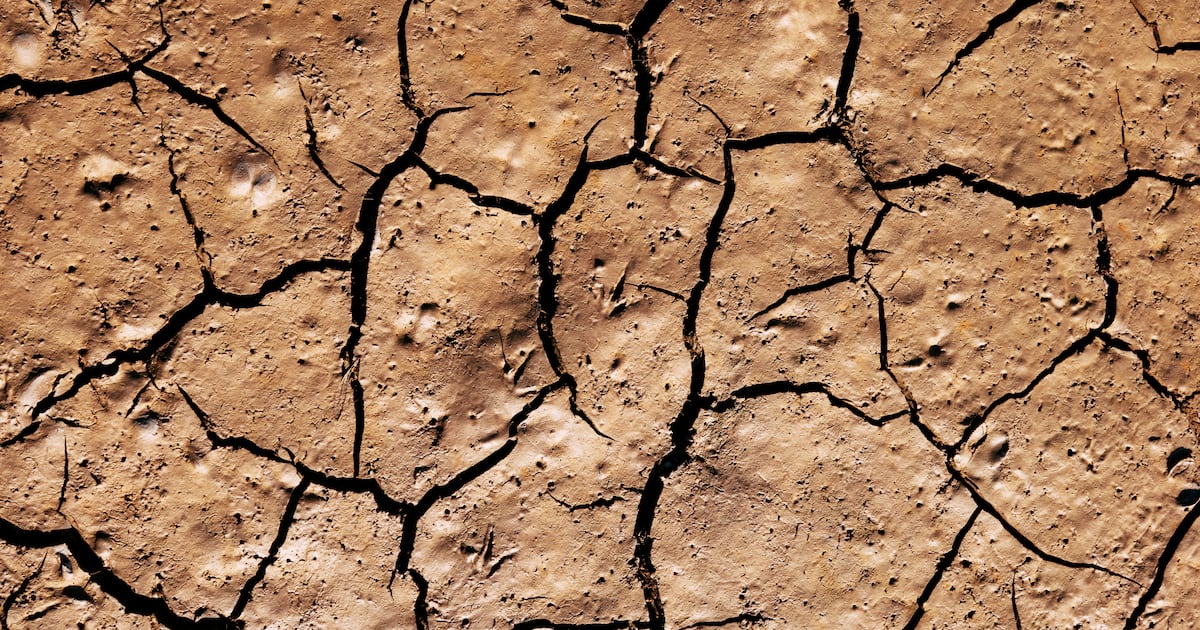
Recent heatwaves have brought drought conditions to Europe. Drought in countries such as the UK, France, Switzerland, southern Germany and northern Italy is putting pressure on crop yields.
Which crops are the most affected by drought conditions? And is this the new normal?
Summer crops struggle the most
All crops in Europe have been affected by drought conditions, explains Andrew Kanyemba, senior grains analyst at commodity analysis platform Expana. Yet it is summer crops that have been impacted the most.
EU corn is the “biggest concern”, explains Kanyemba. Harvest size is forecast to be at its lowest since 1995, and France, the main regional corn producer, is set for its lowest crop since 1977.
“Among European arable crops, corn is expected to experience the most severe production losses compared to ‘normal’ volumes.”
Summer crops are far more exposed to water stress than winter crops, as summer crops are exposed to drought conditions precisely at the critical stages of flowering and grain filling (the process of carbohydrates moving from stems and leaf sheaths to the grain), explains Kanyema.
Wheat and barley have experienced fewer losses than corn, yet their yields have still been diminished by around 3-4% by the drought, explains Stephen Butler, co-founder of AI food commodities prediction platform ChAI.
Yield losses for wheat and barley crops have been more pronounced in Italy and the UK since May.
Some edible oils have also seen yield losses, particularly sunflower and olive oil which have seen reductions of 6-7%.
No crop is unaffected by the drought
No crops have remained entirely unaffected by the drought. Even crops such as sunflower, which is more resilient than many others, has seen its yields lowered compared to their potential, explains Nouha Slama, manager of oilseed and biofuel analysis at Expana.
Where irrigation is possible, yields can be preserved to a certain extent, explains Vincent Braak, crop analyst for strategic grains at Expana. Yet this does not mean that, even in these areas, crops will be saved from the effects of drought.
“The meteorological conditions prevailing in 2026 are such that even irrigated plot yields have been undermined by excessive temperatures occurring during the flowering period. Furthermore, water supply tension is particularly acute this summer, resulting in usage restrictions across several regions.”
There are some crops that have seen production increases, despite yield reduction, due to increased acreage. Production of rapeseed and soybean is projected to remain stable, says Slama, while sunflower production is expected to rise despite its yield decreases.
Can crops be sourced elsewhere?
Nearly all crops can be sourced elsewhere, says ChAI’s Butler, although not all substitutes will be the same in terms of quality.
Corn, for example, can be sourced from Ukraine, says Expana’s Kanyemba. Drought is not as widespread there as in Western Europe, according to the European Drought Observatory.
Expana expects corn imports to the Europe from Ukraine. Here, port blockages at the Black Sea are making short-haul destinations to other European countries, especially Spain, Italy and Portugal more attractive, to increase. The corn harvest in September-November will likely increase pressure to sell as storage capacity thins.
Furthermore, as livestock producers begin to rely more on other crops such as barley, oilmeals (crushed oilseeds for animal feed) and wheat, demand within Europe itself may go down, putting less pressure on producers.
For soybeans, the vast majority of the EU’s consumption is already sourced from Latin America and the US, where there is already ample crop, explains Expana’s Slama. Therefore, EU-origin shortfall will likely be substituted. Rapeseed and sunflower oil can be supplied by Ukraine, which is expected to see higher production this season, and as with corn, Black Sea port blockages will make Europe a more attractive market.
The situation for wheat is different. Ukraine may be able to make up for some shortfall, but domestic demand for wheat in the EU remains high, as does export demand. High demand for wheat is in part due to its popularity as a replacement for corn in animal feed.
The future of drought
So could droughts such as this increase in frequency?
“We’re looking at a future where droughts are more common and water supplies are less reliable”, says Liz Saccoccia, water security lead at the organisation World Resources Institute (WRI).
Saccoccia predicts that by 2050, the number of watersheds (places that catch water and channel it to creeks, streams and rivers) experiencing greater year-to-year swings in water availability will increase by 19%.
European agriculture is already seeing gargantuan pressure on its crops due to drought. All crops are affected by this. But the worst may be yet to come.