
Remember me
Perimenopause is a collection of hormonal fluctuations that can begin as early as your late 30s and last anywhere from a few years to over a decade. Hot flashes often don’t show first. So for many women, the first signs of perimenopause feel strange and confusing: unexplained anxiety, a stretch of brain fog, sleep disruption, mood swings, or low energy. Yoga won’t make the hormonal shifts magically disappear, but a regular practice can ease many of these physical and psychological symptoms.
Disclosure: This post may contain affiliate links. If a purchase is made through these links, we may earn a commission at no extra cost to you. Your kind support helps us create more mindful articles!
How Yoga Helps with Perimenopause SymptomsYoga affects perimenopause symptoms through three different practices: yoga poses, breathwork, and meditation. Each technique offers a particular pathway to regulate and balance the nervous, hormonal, and endocrine systems. Not all women experience the same benefits, so experiment with different practices until you find what works best for your body.
Yoga PosesYoga poses offer several specific benefits during perimenopause:
Restorative poses and forward folds calm the nervous system to reduce feelings of anxiety, worry, and stress.A mindful, flowing sequence lowers cortisol and adrenaline output to ease muscle tension and fatigue built up from prolonged stress.Flowing sequences like Sun Salutations release endorphins, which can soften the irritability that comes with fluctuating hormones.Declining estrogen can make joints stiff and achy. Gentle stretches and held poses can ease stiffness in the joints and keep connective tissue flexible.Holding weight-bearing poses like Warrior II and Bridge Pose uses sustained muscular engagement to build bone density.[1]A regular yoga practice improves sleep and reduces anxiety.[2]Pranayama (Breathwork)Specific yogic breathing practices affect the autonomic nervous system through several mechanisms:
A slow, 5-6 second diaphragmatic breathing pattern rapidly calms the nervous system to reduce the intensity and reactivity of a hot flash.[3]Inhaling for a count of 4 and exhaling for a count of 6-8 slows the heart rate and shifts the body into the parasympathetic, rest-and-digest mode.Practicing calming breathing techniques helps your body quickly bounce back from a stress response. With regular practice, future stressful events become more manageable and less triggering.Breathing exercises such as Shitali and Sit Cari briefly cool the body.[4] They work by cooling the air through evaporation in your tongue and mouth. These techniques also stimulate the vagus nerve, activating the parasympathetic nervous system and calming the mind.MeditationThe benefits of a meditation practice take time to show up but have a lasting effect on the nervous system.
Meditation helps you fall asleep faster and stay asleep longer by reducing racing and ruminating thoughts, calming anxiety, and lowering stress.Regular practice eases emotional reactivity, reduces sensitivity to triggers, and stabilizes and balances emotions and mood.Meditation boosts focus and concentration to minimize bouts of brain fog and improve productivity.14 Yoga Poses for Perimenopause Relief — A Practice SequenceThe poses below build into a complete sequence, moving from a gentle warm-up through standing poses, hip openers, twists, and a full wind-down into Savasana. Practice the whole sequence for full-body relief, or choose individual poses to address whatever symptom is strongest that day.
 1. Cat–Cow Stretch (Marjaryasana-Bitilasana) — 5–10 rounds with slow, deep breaths. This rounding and arching motion warms up the back muscles and loosens the neck, preparing the body for more active poses.
 2. Child’s Pose (Balasana) — Hold 6–18 breaths. This pose gently releases tension in the low back and hips. Hold longer on days when you feel excessive stress or fatigue.
 3. Standing Forward Fold (Uttanasana) — Hold 3–6 breaths. This semi-inversion increases blood flow to the head for a cooling effect, useful for hot flashes. If bone density is a concern, bend the knees to lessen the load on the spine.
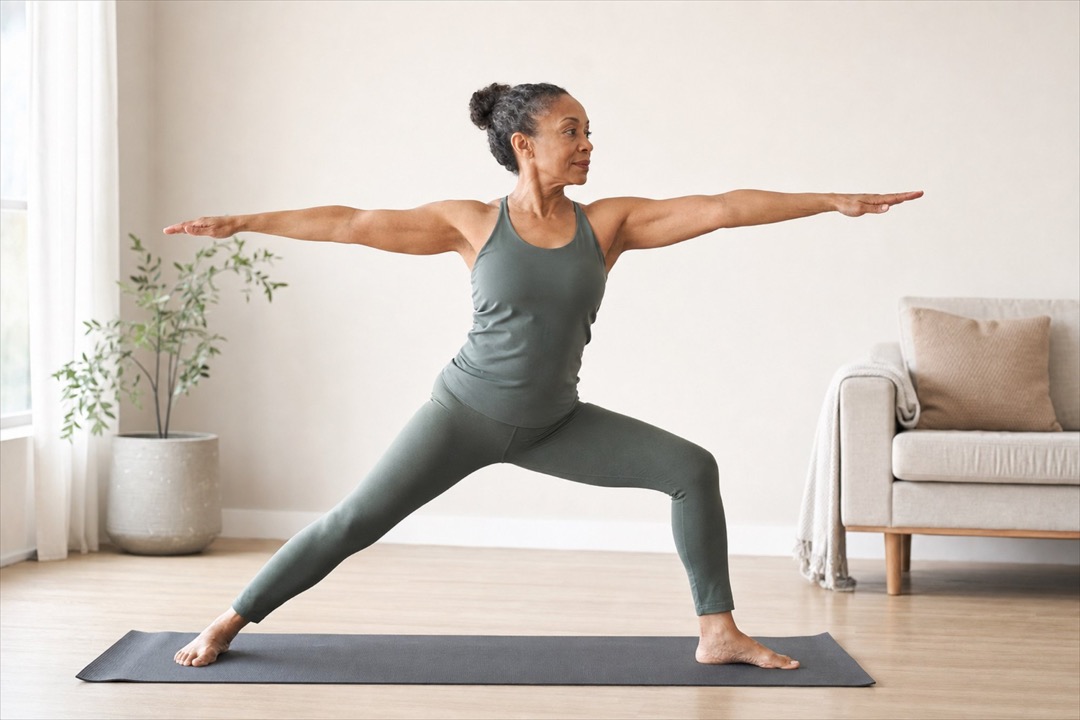
 4. Warrior II with Breath (Virabhadrasana II) — Hold 3–6 breaths per side. This stance loads the front leg’s hip and femur under sustained muscular tension. This weight-bearing stress helps support bone density as estrogen declines. It’s also a grounding pose, helping to regulate your nervous system on challenging days.
 5. Downward Dog (Adho Mukha Svanasana) — Hold 5–8 breaths. Weight-bearing on the hands can help support bone density in the wrists, forearms, and shoulders. Some practitioners also find a little lift in mental clarity in this mild inversion.
 6. Reclined Pigeon Pose — Hold 6–12 breaths per side. This reclined hip opener releases tension and emotional stress in the hips and lower back.
 7. Happy Baby Pose (Ananda Balasana) — Hold 3–6 breaths, gentle rocking optional. A second hip opener, this one adds a calming, almost playful quality that can ease an amped-up nervous system.
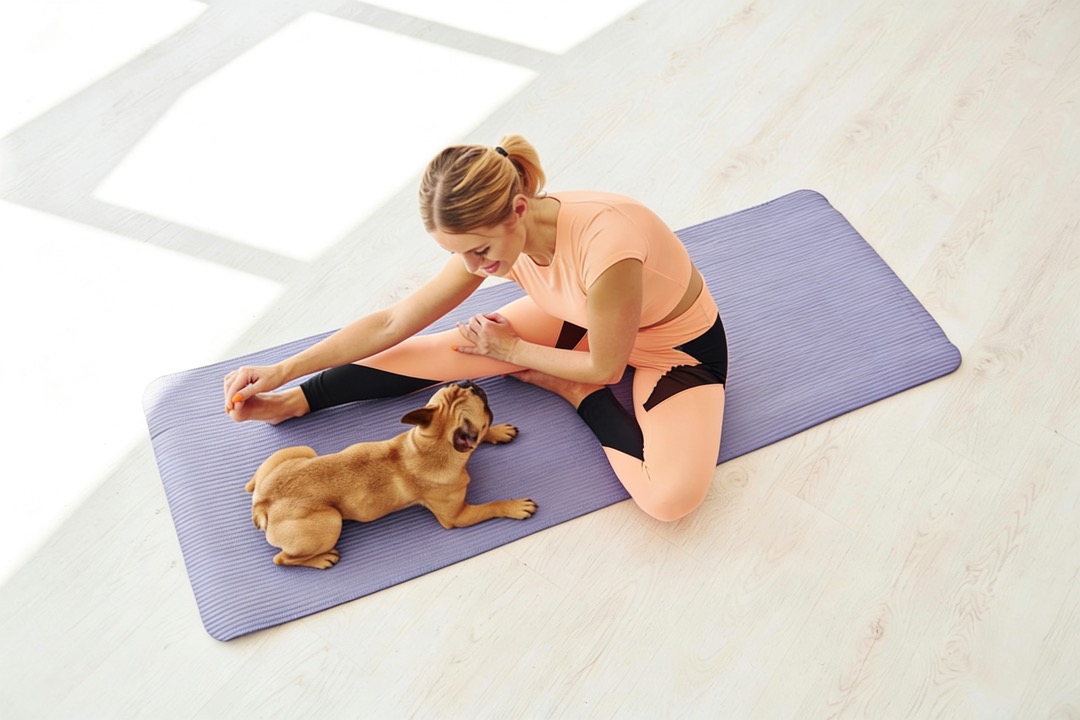
 8. Seated Forward Fold (Paschimottanasana) — Hold 6–18 breaths. This forward fold calms the mind and soothes digestion. Holding with a slow deep breath activates the vagus nerve, helping regulate body temperature and soothe hot flashes.
 9. Seated Twist (Ardha Matsyendrasana) — Hold 3–6 breaths per side. Twisting poses are traditionally believed to help balance the endocrine system. Twists help ease fatigue and mood and clear brain fog by improving circulation to the brain.
 10. Bridge Pose (Setu Bandhasana) — Hold 3–6 breaths. This backbend loads the hips and legs enough to support bone density while lifting mood and energy. For a gentler version, place a block under the sacrum.
 11. Supine Spinal Twist — Hold 6–12 breaths per side. This twist is associated with safety and surrender. It regulates the nervous system and improves sleep, digestion, and irritability.
 12. Reclined Bound Angle (Supta Baddha Konasana) — Hold 18–30 breaths, or use the supported option. This is a purely relaxing hold, easing the body toward stillness before Savasana. Rest blocks or a bolster under the knees for a gentler version.
 13. Corpse Pose (Savasana) — Hold 5–15 minutes. By consciously relaxing the body, Corpse activates the parasympathetic (“rest and digest”) nervous system and lowers cortisol levels.
 14. Easy Seated Pose with Meditation (Sukhasana) — Hold for 2-5 minutes. A short seated meditation helps the effects of the practice settle in before moving back into the rest of the day.
The yogic tradition uses more than just poses and breathing to help with perimenopause. What you eat and your daily habits are also important. Mixing simple nutrition and ancient Ayurvedic wisdom can help with many perimenopause symptoms.
Dietary PrinciplesFavor fresh, whole foods, ideally seasonal and locally grown.Choose warm, cooked meals over raw or cold food. In Ayurvedic terms, warm food is easier on digestion (agni) during a time when the body’s internal balance is already shifting.Get healthy fats from flax, chia, and walnuts. Omega-3s support brain health and are some of the building blocks hormones are made from.Eat fiber-rich foods. Fiber decreases a gut enzyme’s activity (beta-glucuronidase). This leads to less estrogen being reabsorbed and more being passed through digestion.[5]Eat plenty of leafy greens, almonds, and sesame seeds. These are good sources of bone-strengthening calcium and magnesium.Limit sugar and processed foods. Blood sugar swings can worsen mood swings.Lifestyle PracticesKeep a consistent sleep and meal schedule. Regular timing helps the body regulate hormones more predictably.Build in daily stress management, whether that’s meditation, breathwork, or a short yoga practice.Aim for 7 to 9 hours of sleep in a cool, dark room.Favor moderate exercise over intense training. Overexercising raises cortisol, and one study found that a sudden increase in activity raised the odds of hot flashes occurring.[6]SupplementsSupplements can offer additional support for perimenopause symptoms, though the strength of the evidence varies by ingredient. Please consult with your healthcare provider before starting any new supplement, especially while your hormone levels are already in flux.
Vitamin D3 combined with K2 helps reduce fracture risk.[7]Ashwagandha reduces cortisol and eases symptom scores during perimenopause.[8] It can interact with blood pressure medication, thyroid medication, and sedatives, so check with your doctor if you take any of those.Magnesium glycinate is commonly recommended for sleep, anxiety, and muscle relaxation.Omega-3 fatty acids support brain health and help lower inflammation.Calcium and Vitamin K2 support bone health. Try to get these from your food first and use a supplement as needed.If a single combined formula is more practical than juggling several bottles, Perimeno Health combines shatavari with ashwagandha, black cohosh, and several other botanicals traditionally used for hormonal support.
Best YouTube Videos for Perimenopause YogaYouTube offers dozens of free classes built around perimenopause and menopause symptoms, though quality and instructor experience vary widely. The five videos below cover a range of lengths and focuses, so you can pick the one that matches what you need today.
Yoga For Perimenopause: Hormone Balancing Yoga to Relieve Hot Flashes by BrettLarkinYogaThis 16-minute restorative flow is sequenced for hormone balance and hot flash relief. Brett Larkin teaches the whole class from a seated position, moving through slow arm and shoulder work along with a palm-rubbing warm-up before easing into stillness. The pace stays gentle throughout, closing with an extended relaxation to help the nervous system settle.
Best for: hot flashes, beginners, relaxation
Cool Hot Flashes: Flow Away Hot Flushes by Second Spring Yoga for MenopauseThe 13-minute class pairs slow breathwork with a handful of gentle poses rather than a full practice, making it easy to use on the spot when a hot flash hits.
Best for: hot flashes, on-the-spot relief
Yin Yoga for Insomnia & Better Sleep by Yoga With BirdPart of Yoga With Bird’s 30 Days of Yoga series, this 14-minute class uses long-held yin poses to work the deep connective tissue that supports falling and staying asleep. No props are required, though a bolster or blanket makes the longer holds more comfortable. The pacing stays slow and unhurried throughout.
Best for: sleep, evening practice
Menopause Yoga to Ease Anxiety and Overwhelm by Dr Ben Webb, featuring Maria HastingsThis 15-minute class is led by Maria Hastings, a Menopause Yoga practitioner, and targets anxiety and emotional overwhelm. Hastings works at an unhurried pace through grounding poses meant to calm a keyed-up mind. No props are required, and the sequence is easy to follow along with in real time.
Best for: mood, anxiety, beginners
Yoga for Hormonal Balance During Perimenopause by Yogalates With RashmiThis 31-minute flow blends yoga, pilates-style movement, and breathwork aimed at the hormonal swings of perimenopause. Rashmi builds the sequence around core and postural strength alongside the breathwork, making it a longer, more active class.
Best for: general hormonal balance, core strength, longer sessions
Frequently Asked QuestionsCan yoga replace hormone therapy?No. Yoga can improve quality of life during perimenopause, but it does not replace the hormones your body stops producing, and it does not treat symptoms the way hormone therapy does. The two work well together: hormone therapy addresses the hormonal shift, while yoga supports the nervous system and day-to-day wellbeing alongside it. Whether hormone therapy is right for you is a conversation for your doctor, not something a yoga practice can answer.
How long before I see results?Sleep and mood typically improve within 8 to 10 weeks of regular practice, generally 2 to 5 sessions per week. Hot flashes are slower and less consistent to improve, and for some women the deeper changes take several months rather than weeks. Give it a fair trial before judging whether it’s working, and don’t expect every symptom to respond on the same timeline.
What if I’m new to yoga?Start with the gentler poses in this sequence, held for fewer breaths, and skip Warrior II or Downward Dog until the basics feel familiar. Restorative, yin, and gentle hatha classes are the easiest styles to start with, and a bent-knee version of every forward fold is safe regardless of experience level.
Can I practice if I have osteoporosis?Yes, with the right modifications. Skip unsupported forward folds and stick to the bent-knee versions throughout this sequence, favor the supported options for Bridge Pose and Reclined Bound Angle, and check with your doctor before adding anything beyond gentle, modified practice. See our guide to yoga for osteoporosis for more detail.
How often should I practice?Three to five sessions a week produces the most consistent results, but even two sessions a week can create measurable benefit. Consistency over time matters more than how long or how often any single session runs.
DisclaimerPlease consult with your physician before starting this practice or any new supplement mentioned in this article, especially if you have an injury, surgery, or health condition beyond typical perimenopause symptoms. Stop any pose that causes pain rather than a normal stretch. Sudden or severe hot flashes, or any symptom that feels different from your usual pattern, deserve a conversation with your doctor too. Perimenopause can mask or mimic other conditions, so it’s worth ruling those out.
References