
Remember me



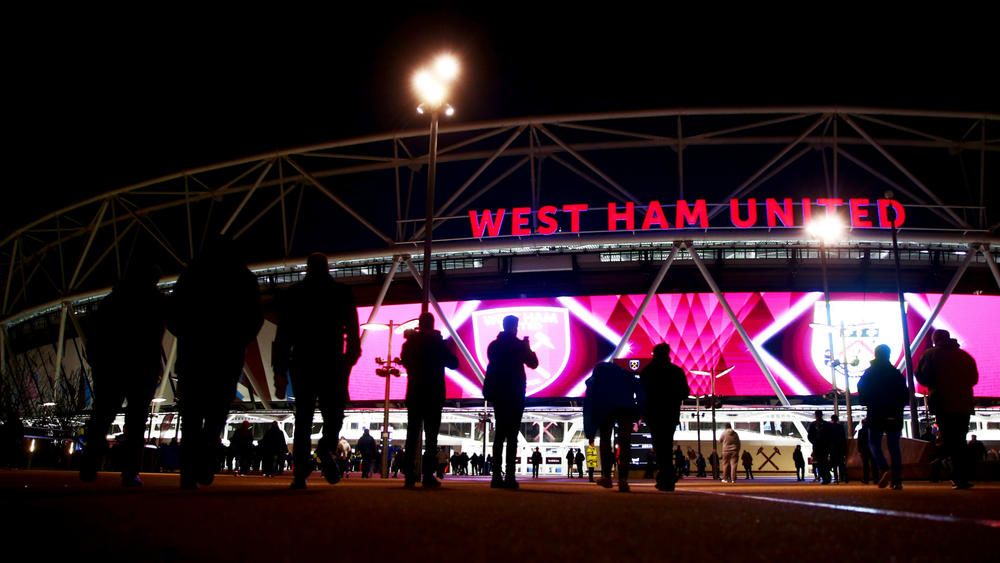



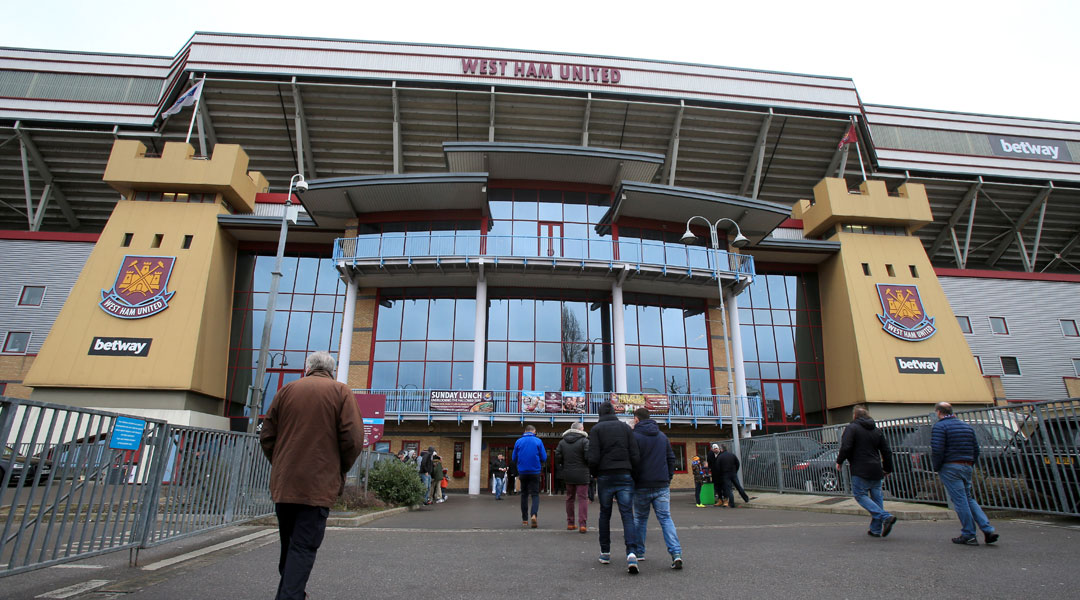
West Ham’s move from the Boleyn Ground to the London Stadium remains one of the most contentious stadium relocations in recent football history.
The Hammers’ previous home was steeped in history and provided the kind of edge that is only found in old-school, tightly-packed stadiums that are becoming more and more rare in this age.
As the East Enders prepare for life back in the second tier, former Hammers favourite Tony Gale believes that the club’s fortunes on the pitch have indeed suffered following the 2016 move.
For Gale, the contrast between the side that left Upton Park under Slaven Bilic and the football that has been seen since is clear.
“Slaven Bilic took us out of Upton Park and I enjoyed that period,” Gale tells FourFourTwo. “Dimitri Payet, Manuel Lanzini, players that crowds wanted to watch.
You may like From debut challenges to record scorer: Michail Antonio recalls his West Ham highlights
 How Michail Antonio's mother influenced his early football career by rejecting a Spurs offer
 First major West Ham United exit after relegation revealed as summer rebuild stalls: report
“I remember listening to Slav, he was really interesting. He said the pitch is roughly the same size as Upton Park, but because of the vast expanse of the surroundings, there’s an optical illusion around the place and he said that reflected in the players. He found it hard to keep the team compact when they played at home.”
But Gale, who turned out more than 300 times for the Irons between 1984 and 1994, is aware that it is all too easy to look back with rose-tinted spectacles.
“But we must also remember that Upton Park didn’t always have a great atmosphere,” he admits. “You look at the start of our really good season in 1985-86, our crowds were down to 15,000.
“They’re now 62,000, and the acoustics of the new stadium are brilliant. Don’t tell me we haven’t had great nights with the European games there.
“The ground has changed but the crowd hasn’t. They’ll respond to 100 per cent effort and good football.”
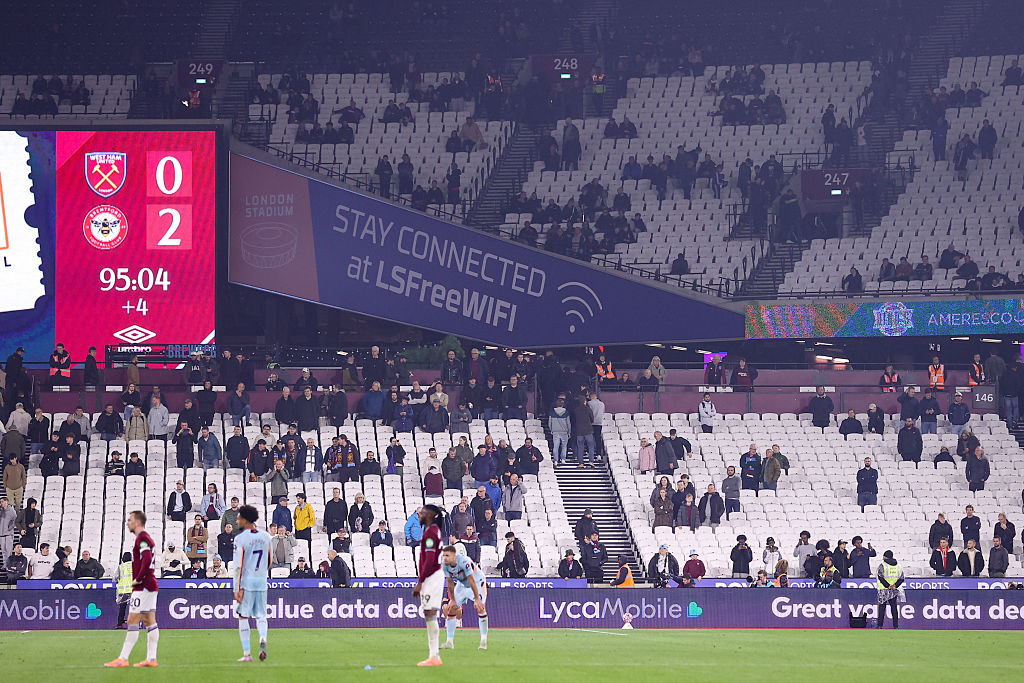
And while the passion of the fans is there, Gale looks at the current infrastructure when it comes to why the club’s fortunes have been on the turn.
“Outside, it’s a different story,” he adds. “There should be more things around the stadium. You should feel like you’re coming up to a football ground, because it really doesn’t feel like that at present. It’s 20 to 25 minutes’ walk from Stratford station and it’s all wide open, not like the old cramped streets near Upton Park. That makes it hard to build an atmosphere outside.
“A lot of Premier League grounds suffer from that, but I miss the old programme sellers and old-fashioned hot dog stalls where you could smell the onions from the next post code. The London Stadium doesn’t ‘smell’ of football.”