Why Osaka and Tokyo keep landing in the world's top 10 cities
Osaka ranked seventh and Tokyo tenth in the Economist Intelligence Unit's 2026 Global Liveability Index. Japan was the only Asian country with two cities in the top 10. BBC Travel asked residents and planners why, and their answers came down to four rules.
First, build cities around everyday life. In Osaka, Patrick Lydon and his wife traded their cars for bicycles and shopped on foot in the covered shopping streets, where a greengrocer, a coffee shop, and a clinic all sit within a few blocks.
Second, design transport for everyone. Josh Grisdale, who has used a power wheelchair in Tokyo for 18 years, can show up at almost any station and get where he's going by rail or bus without reservations. When an elevator is down, staff bring a portable stair climber rather than turn him away.
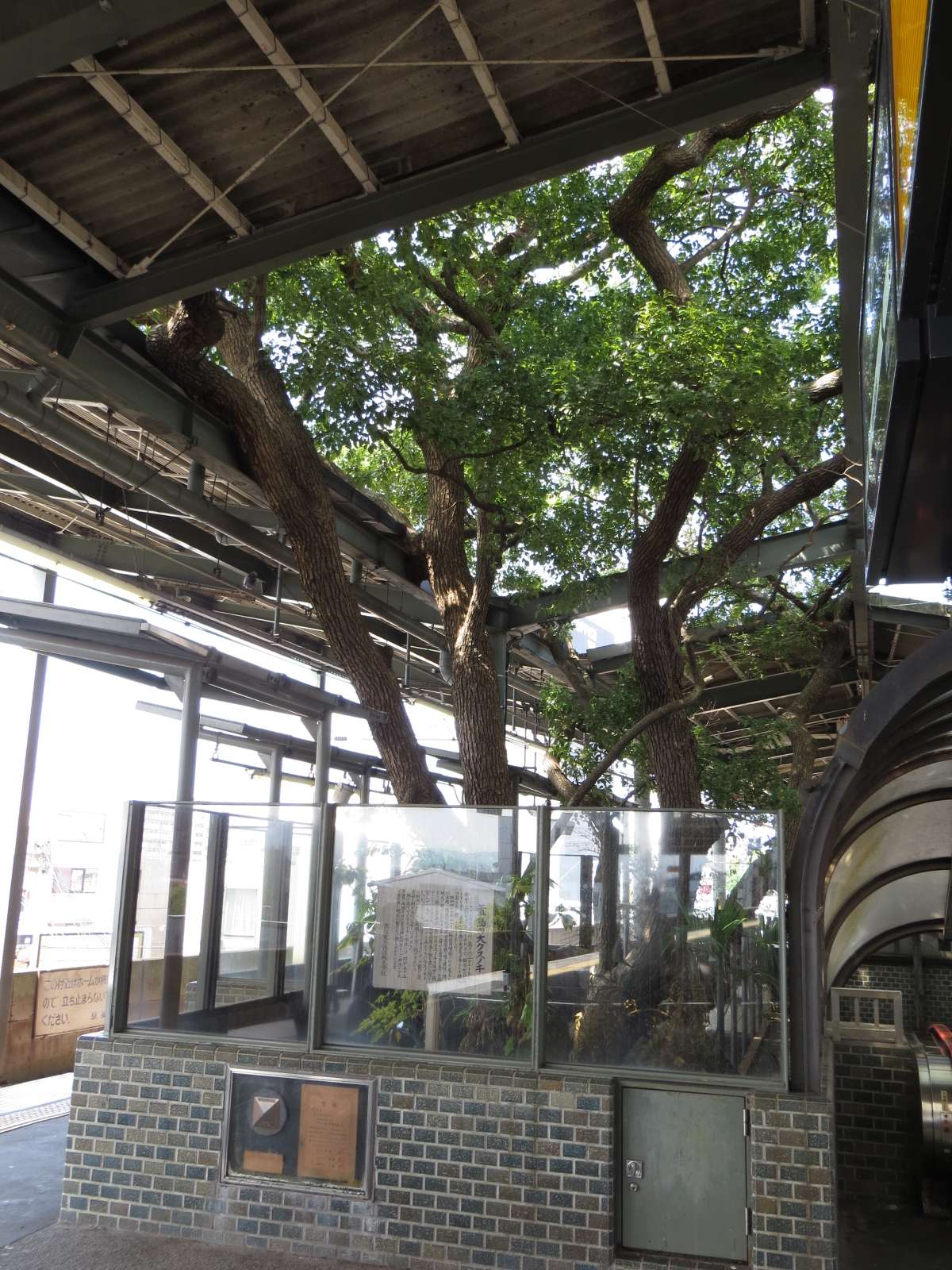
Third, keep a sense of place. Japan often keeps systems that still work. A 700-year-old camphor tree grows straight through the roof of Kayashima Station near Osaka.
Fourth, keep good manners in shared spaces. People queue on the platform marks, keep trains quiet, and give up priority seats without being asked.
Previously:
• RIP Donald Shoup: parking reform visionary who changed cities
• Explore Tokyo's subway system in 3D