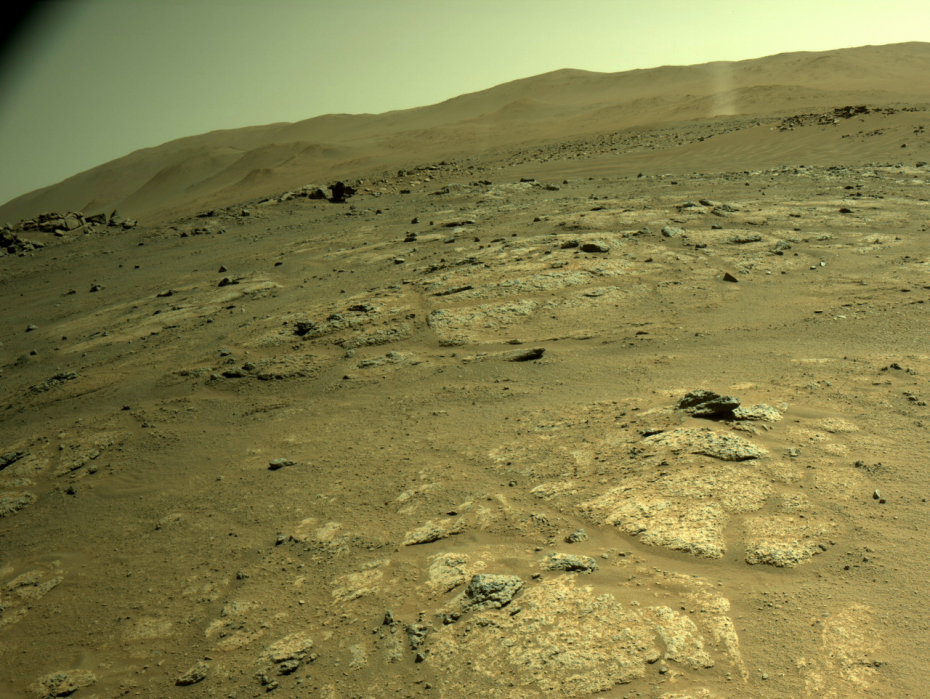
NASA created a Martian Dust Limit Working Group this year to figure out how much Mars dust a person can safely breathe, and Leonard David reports for Space.com on the dust hazard and how future astronauts might deal with it. The panel included toxicologists, volcanologists, geologists, and habitat designers, and NASA asked them to set a limit before anyone lands.
The Apollo missions showed that dust is a real problem. The dust the 12 moonwalkers tracked inside was fine, sharp, and glassy. It wore down suits, overheated equipment, wrecked seals, and irritated eyes and lungs. "The moon is worse in some ways and Mars is worse in other ways," said panel member Brian Hynek of CU Boulder. "On Mars, dust particles are a little more rounded, not as jagged and cutting into you. But then you have all the extra chemical components and minerals that you don't have on the moon, like really unhealthy perchlorates."
Mars dust also carries silica and heavy metals, both of which cause cancer. Hynek worries most about food. "There's talk about growing crops on Mars," he said. "The martian soil is full of all these nasty chemicals. So the astronauts might get more exposure from what they are growing on Mars than the actual airborne dust."
Shaunna Morrison of Rutgers, another panel member, said the danger can be handled if it is planned for from the start. The problem is a sealed habitat, a crew going in and out, and low humidity that keeps fine particles floating. No real Mars dust has ever been brought back for testing, so the limit rests on lunar toxicology, simulated soils, and rover measurements. "The best strategy is prevention first," Morrison said. "Keep as much dust as possible outside the habitat, remove it quickly when it gets in, monitor airborne particles, and design the system so crews are not relying on medical countermeasures."
Previously:
• Lightning detected on Mars for first time
• ESA made Lego bricks out of meteorite dust