Your brain guesses at reality instead of recording it
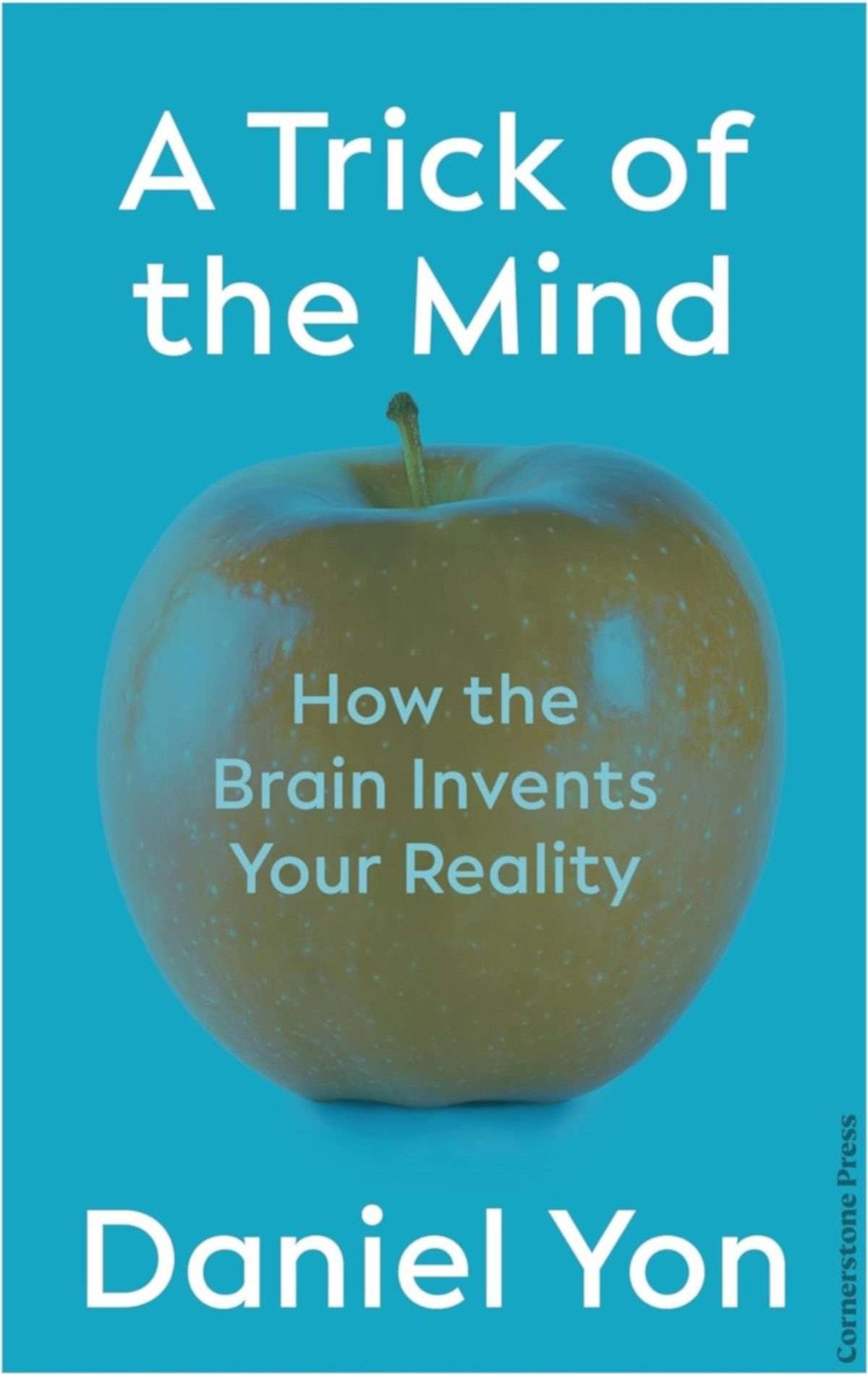
Your brain isn't showing you the world so much as guessing at it. That's the argument from psychologist Daniel Yon, who runs the Uncertainty Lab at Birkbeck, University of London. The brain, Yon writes, works "like a scientist," constantly forming hypotheses about what's out there rather than passively recording it — a habit that explains everything from mangled song lyrics to why you don't quite trust your own reflection.
Some of the examples get genuinely strange. Cognitive neuroscientist Matt Davis at the University of Cambridge has played people a garbled audio clip that sounds like meaningless noise. Once they're told what it's supposed to say, the exact same recording suddenly sounds perfectly clear. Conversation timing backs this up too: people reply to each other with an average gap of around 200 milliseconds, fast enough that the brain has to be predicting the end of a sentence before it's actually finished.
Confidence gets the same treatment. Yon points to research on scientists near the cutoff for their first grant application. Those who barely won it went on to raise more funding over their careers than those who barely missed — even though, statistically, the two groups' proposals were about equally good at the time. Yon's argument doesn't stop at the world outside you; it shapes how you see yourself, too.
Previously:
• Your brain just made up the color you're looking at
• Stare at 100 dots for 30 seconds, and your brain starts lying about how many things it sees