Remember me


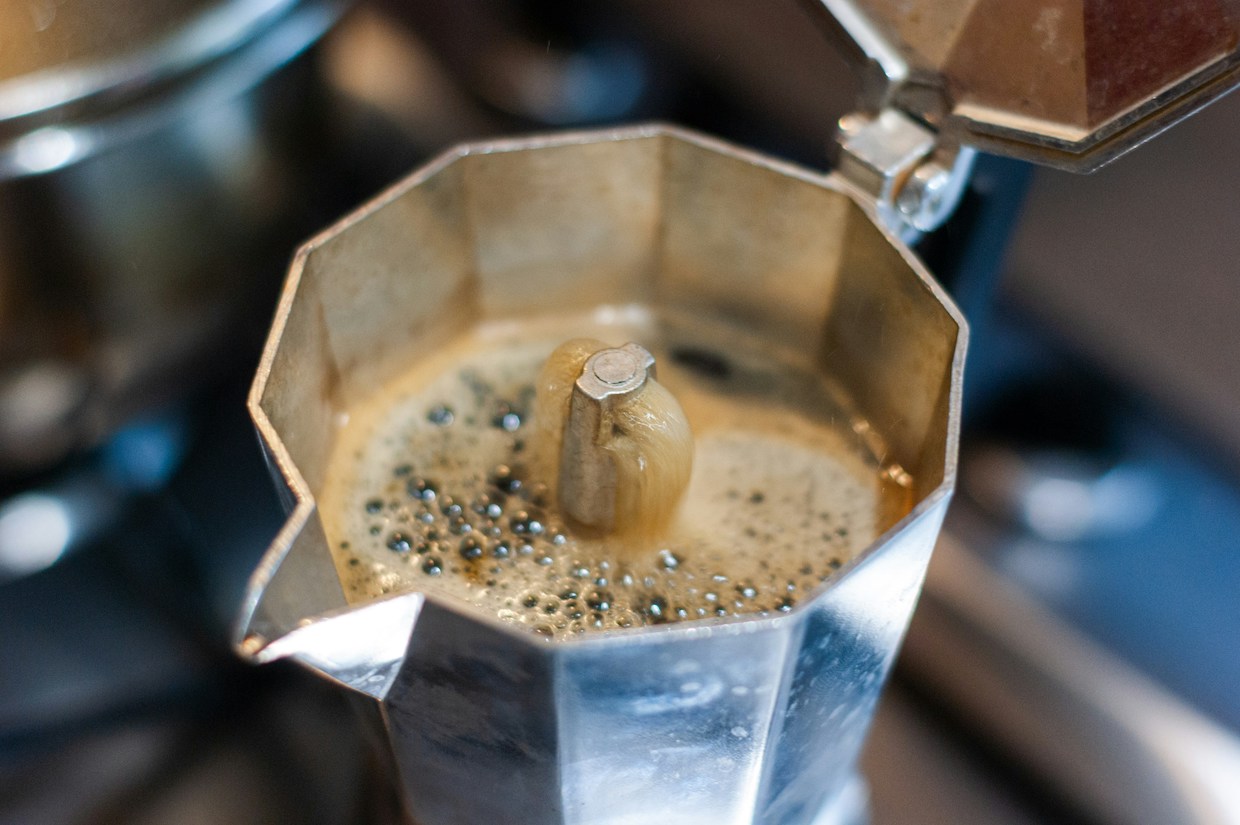

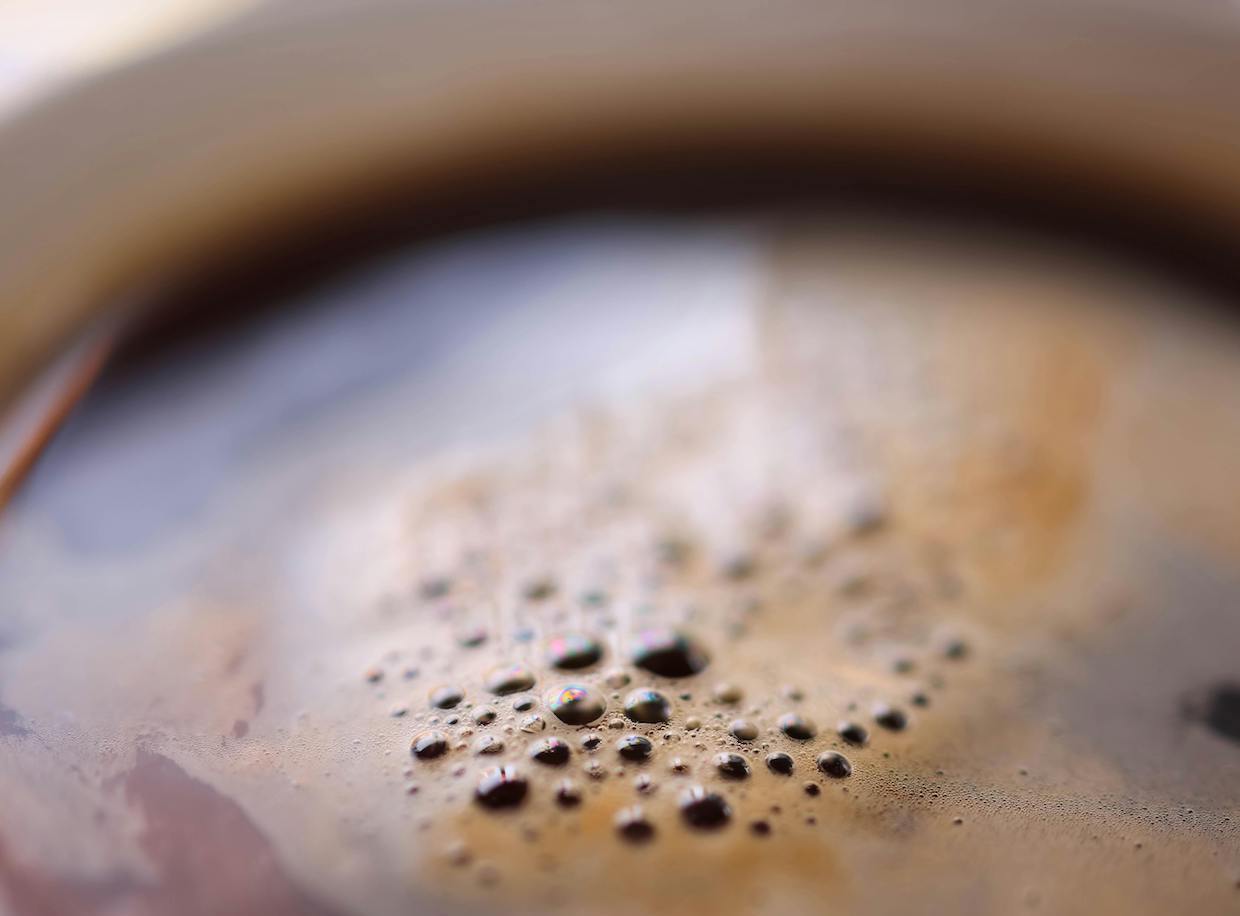


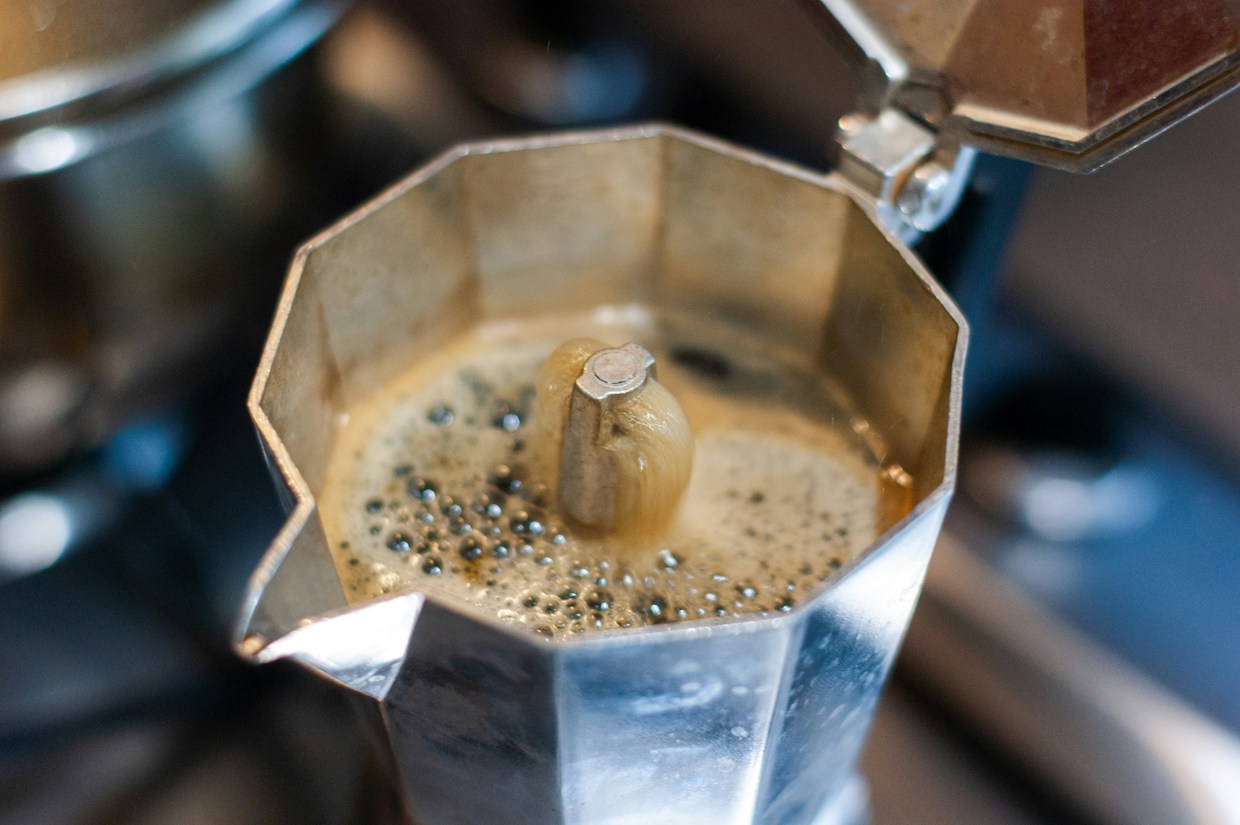
A new study among coffee drinkers in southern Italy found that people who drink espresso or moka pot brews on a daily basis were less likely to develop the liver disease known as MASLD. In the study, the protective benefit appeared to grow stronger with each cup, plateauing at 4-6 cups per day.
Yet before going further, it should be noted that numerous studies over the past decade have associated coffee consumption of all kinds with potentially protective effects on liver health.
Published March 19 in Frontiers in Nutrition, the Italian study examined 1,079 coffee-drinking adults for associations between daily Italian-style coffee consumption and metabolic dysfunction-associated steatotic liver disease, (MASLD).

MASLD is defined as fat accumulation in the liver combined with at least one cardiometabolic risk factor, such as obesity, high blood sugar, high blood pressure or abnormal cholesterol levels, while excluding harmful levels of alcohol intake.
“Given its cultural relevance and favorable metabolic profile, Italian-style coffee may be considered a functional food for MASLD prevention, with caution advised for sensitive populations,” the authors wrote.
Key FindingsOne cup per day was associated with roughly 52% lower odds of MASLD compared to less than one cup daily. Odds were 53% lower at two cups per day, 55% lower at three cups per day and 59% lower at 4-6 cups per day.
All findings are from an adjusted model accounting for age, sex, BMI, diastolic blood pressure, daily energy intake, sugar in coffee, milk in coffee, smoking, adherence to a Mediterranean diet, education, spirits intake, HDL cholesterol, liver enzyme ratios and glycemic status.
The study only included espresso and moka preparations, which are the dominant brewing styles in Italy. Unlike filtered or instant coffee, both methods use pressure-based extraction without paper filtration, retaining higher concentrations of fat-soluble compounds and antioxidants. As the authors wrote, “Italian-style preparations, namely espresso and moka, are characterized by high concentrations of diterpenes and [chlorogenic acids], which may account for their unique biological effects compared to other brewing techniques.”
Those compounds have been linked in prior research to antioxidant, anti-inflammatory, antifibrotic and lipid-related effects, all of which are relevant to a disease like MASLD.
Coffee and the LiverThe study adds to a growing body of research linking coffee to better liver outcomes. A December 2025 literature review found coffee consumption is broadly associated with lower risks of liver disease and slower progression of fibrosis, cirrhosis and liver cancer.
A 2021 UK Biobank study found coffee drinkers had a 21% lower risk of chronic liver disease and a 49% lower risk of death from chronic liver disease compared to non-drinkers.
One thing that distinguishes the new Italian study is its focus on specific brewing method and dose within a single, culturally homogeneous population.
While the authors offer caveats surrounding the study’s findings — including its observational design, self-reported dietary data and lack of physical activity data — they nonetheless offer some bold interpretations, including the “functional food” assertion for MASLD prevention.
The study was authored by Manuela Siani, Caterina Bonfiglio, Leonilde Bonfrate, Rossella Donghia and Maria Noemy Pastore of the National Institute of Gastroenterology IRCCS “Saverio de Bellis” and affiliated institutions. Funding came from the Italian Ministry of Health. The authors declared no commercial or financial conflicts of interest.
Comments? Questions? News to share? Contact DCN’s editors here. For all the latest coffee industry news, subscribe to the DCN newsletter.