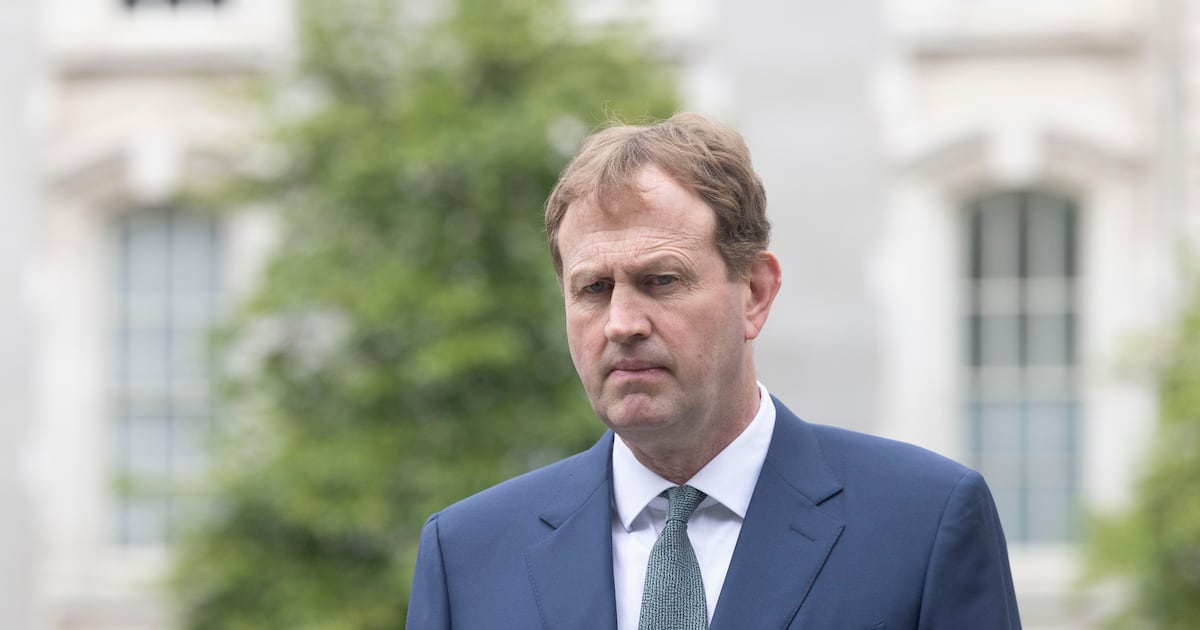
Minister for Justice Jim O’Callaghan under siege as solicitors extend criminal legal aid dispute
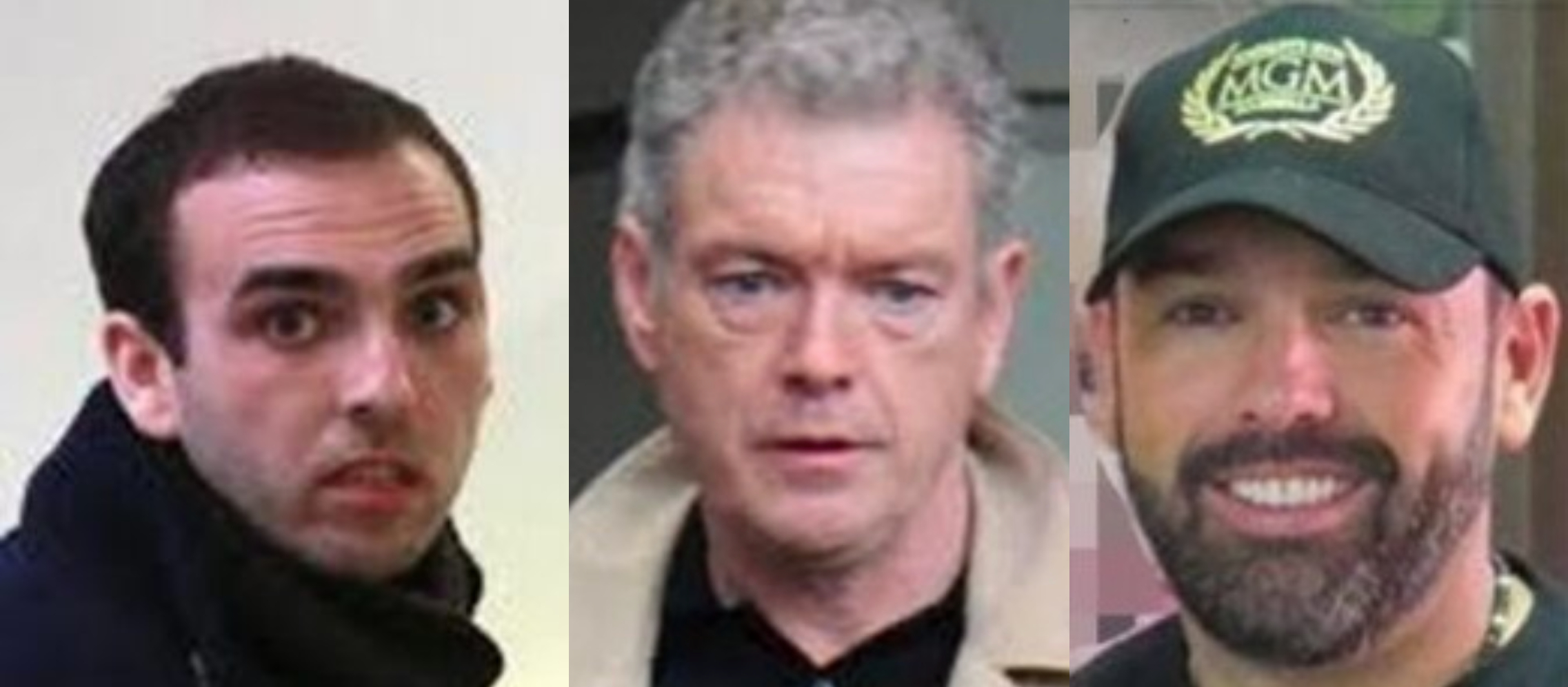
The legal year ended this week with no sign of any immediate breakthrough in the dispute between Minister for Justice Jim O’Callaghan and solicitors over a new criminal legal-aid payment model for the District Courts.More than 200 criminal defence solicitors across the country overwhelmingly agreed on Friday to extend into August their withdrawal of services – a protest that has been ongoing since June – in opposition to the new model. It will particularly affect some accused people in Garda detention and appearing before special and emergency sittings of the District Courts during the August recess. Among those who may be seeking a solicitor during the courts’ closure is Kinahan cartel leader Daniel Kinahan (49), who is facing extradition from Dubai to Ireland in the coming weeks.READ MOREHas the Christian Brothers’ ‘grossly unfair’ legal strategy backfired?Gardaí trying to piece together Glen Hansard’s last movements after leaving west Dublin pubSherry FitzGerald chief’s own €3.75m Victorian house goes for 10% under askingMy friends never pick up the bill and it’s making me resentfulSince the withdrawal began, gardaí have informed judges of contacting up to 40 solicitors without success in an effort to secure representation for an arrested individual. The withdrawal of services began in early June and escalated sharply after the new payment model came into operation on July 1st. There was a near-total withdrawal of services over three days this week and two days last week.The action has led to the adjournment of thousands of cases across all criminal court divisions, especially in the District Courts with 55 to 60 courts sitting daily.Many trial and sentence hearings in the Circuit and Central Criminal Courts have been delayed, including cases concerning sexual offences, serious assaults and armed robbery. That led to some judges criticising solicitors, including a warning from Judge Tony Hunt in the Central Criminal Court that solicitors faced possible referral to the Legal Services Regulatory Authority if they ceased representing a client without advance permission from the court. Asked whether it had received complaints arising from the withdrawal, the authority said it could not comment on details of individual complaints received or potential complaints. Most adjourned cases have involved accused people on bail. Solicitors continued to work on custody cases assigned to them under the old legal-aid scheme before July 1st and on cases involving juveniles.Even if the dispute is resolved before the District Courts resume full hearings in September, judges in all criminal court divisions already struggling with busy lists and delays face additional backlogs as a result of the adjournments to date.The Irish Human Rights and Equality Commission (IHREC), Irish Penal Reform Trust and Irish Council for Civil Liberties have all expressed concern about the impact of the dispute. This week, the commission said access to legal representation was “not simply an administrative matter” and was “fundamental to the right to a fair trial”. Noeline Blackwell, a member of the IHREC, said it was particularly concerned about the impact on people already experiencing poverty, homelessness, disability, addiction, mental-health difficulties and social exclusion. “Delays can also have significant consequences for victims of crime and witnesses, particularly vulnerable people involved in highly sensitive cases,” she said.Criminal legal aid is assigned by District Court judges to solicitors and paid for by the Department of Justice.An analysis of criminal legal-aid fees in 2025 showed 518 solicitors (67.8 per cent) received payments of less than €53,300, with more than half of those earning less than €20,000, including some earning nothing under criminal legal aid. Almost a third, or 246, were paid more than €53,300, including 6.3 per cent earning more than €250,000. The defence solicitors object to a new flat fee of €520 per case, irrespective of the number of separate and distinct prosecutions before the court. It replaces the old model of €239 for a first appearance and about €60 for each subsequent appearance.Their core claim is that the new scheme does not reflect the defence work involved and means, if a case requires 10 remand appearances, the effective fee is €52 per appearance, falling to €26 after 20 appearances. They argue that many accused people with addiction, mental health and other issues routinely face multiple separate prosecutions at a single sitting. They add that the scheme amounts to the defence being unfairly blamed for adjournments, which often arise from State delays and insufficient services in the areas of probation, addiction and mental health. They have also claimed the new model was presented and introduced by O’Callaghan and his department as a “fait accompli”, without “meaningful” engagement with them or their representative body, the Law Society. In response, O’Callaghan said his department had been engaging on the issue since October 2025 and had met both the Law Society and the Bar of Ireland.He said the new scheme was devised following an internal Department of Justice review of criminal legal aid in the District Courts that noted spending almost doubled from €19 million in 2017 to €37 million in 2024 despite a fall in the volume of District Court cases. The review said the old fees structure “incentivised” solicitors to seek multiple hearings. It referred to some particular claims, including by a firm that sought €14,000 payment on foot of 63 legal-aid certificates, one for each of 63 charges, against an alleged brothel keeper. The reforms, the Minister said, would improve efficiencies and save costs. O’Callaghan hoped some amendments to the new scheme, set out in a letter to the Law Society on Tuesday, would resolve the dispute but those were rejected by solicitors on Friday. In a letter sent to the Minister following the meeting, the society is believed to have set out what the solicitors require to reach a resolution. More than 200 solicitors had by June 30th resigned from the criminal legal-aid panel of 826 solicitors listed on June 30th. The department said 344 legal-aid certificates were issued under the new scheme up to July 28th, reflecting a State commitment to spend €180,000 on criminal legal aid. Solicitors pointed out that the number includes certificates assigned by judges under the new scheme to solicitors who had not requested them and have not, due to the dispute, taken them up. Most solicitors remaining on the panel are not providing legal-aid services under the new scheme, they said.Dublin-based solicitor Tony Collier, of Ferrys Solicitors, said the number of certificates issued under the new scheme in July must be considered against a total of 98,617 certificates issued in 2025, an average of more than 1,800 weekly. A serious problem facing the Minister arising from the dispute is the impact of a significant High Court decision on Wednesday, that the constitutional rights of 11 defendants were breached due to the dispute as they did not have access to legal representation when they failed to get bail before the District Courts. Similar applications have been initiated. The Minister could face an even more serious difficulty if the High Court upholds a judicial review challenge aimed at overturning the legislation underpinning the new payment scheme. That challenge, by Dublin-based solicitor John Quinn, concluded on Friday and Judge Mary Rose Gearty will rule in October.