Joe Humphreys: Enoch Burke vs Apollo House: what makes civil disobedience uncivil?
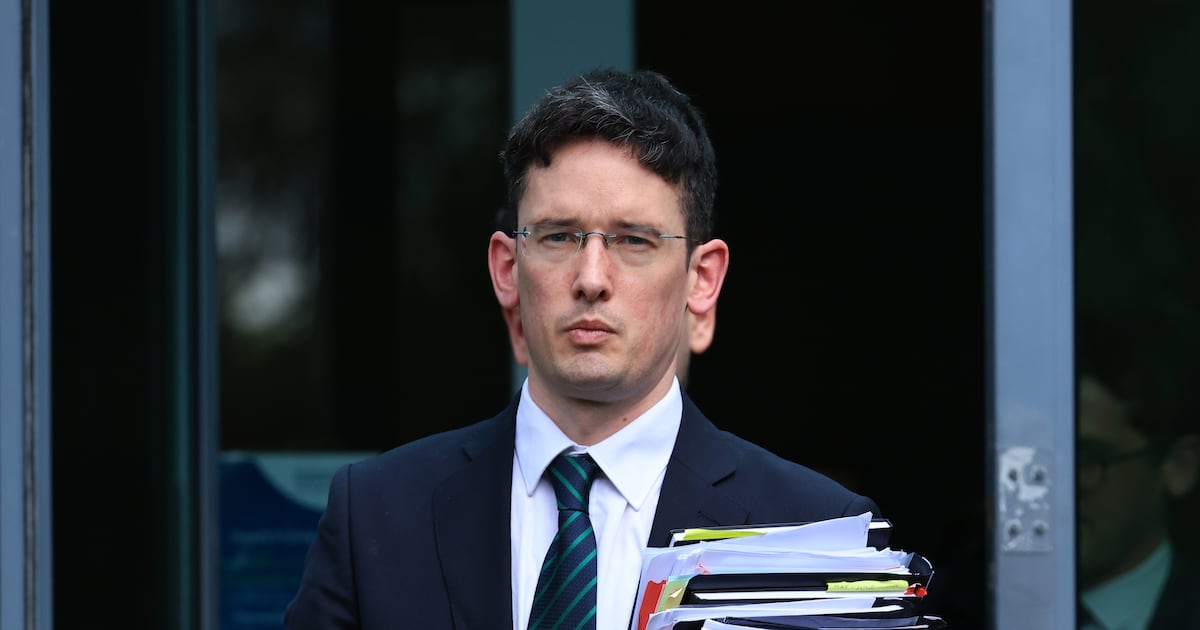
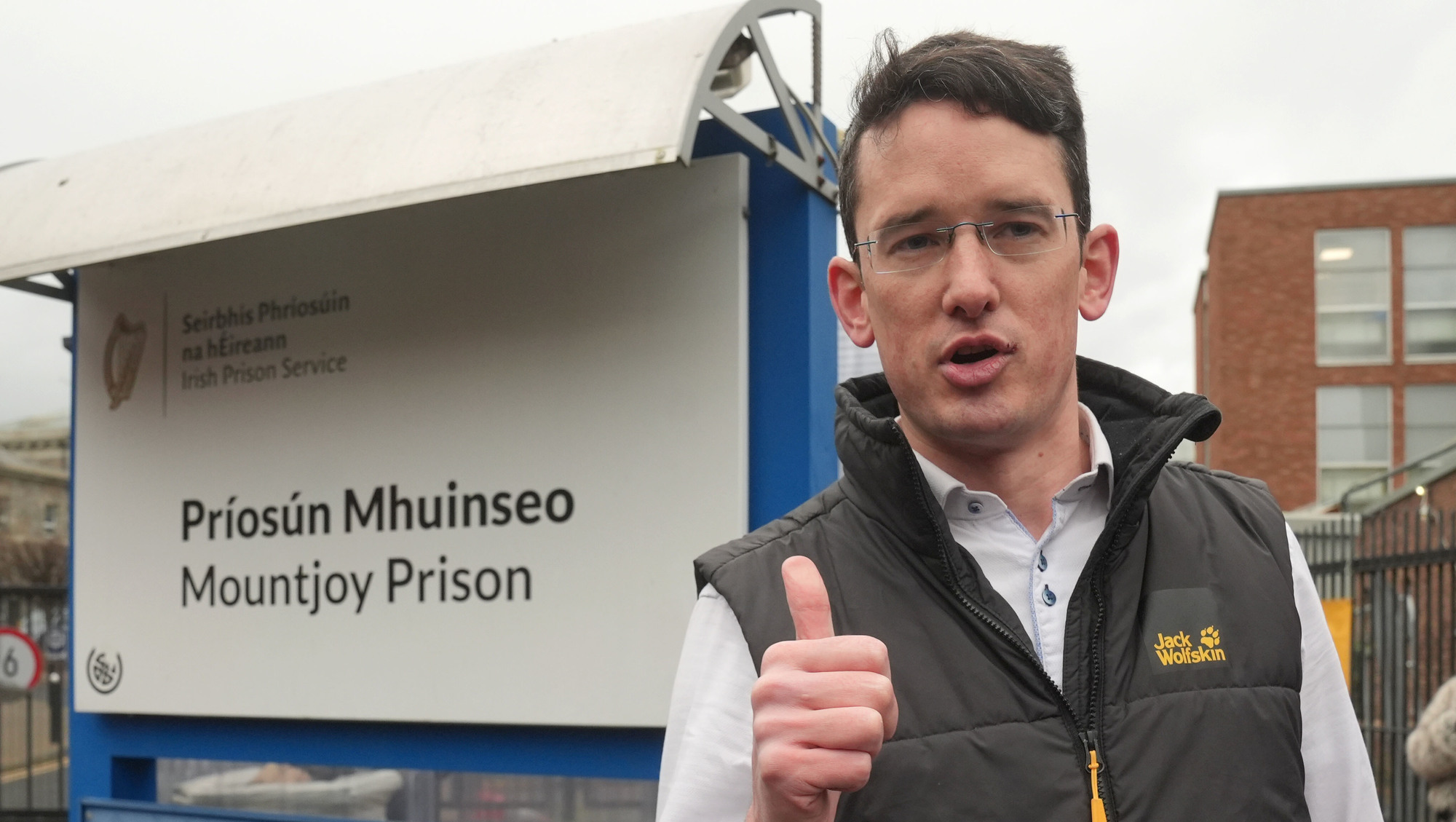
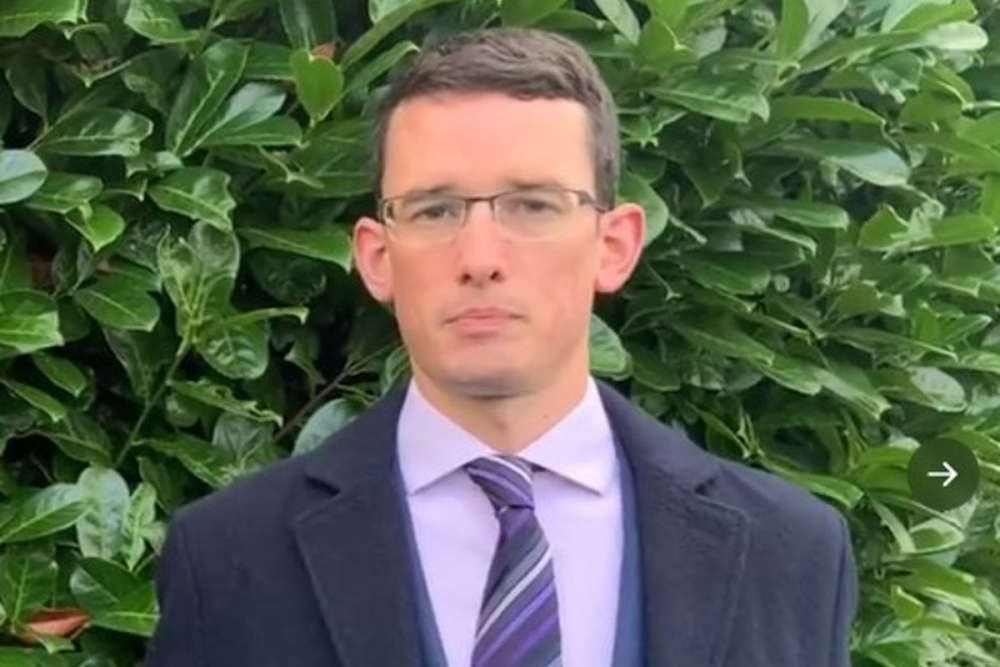
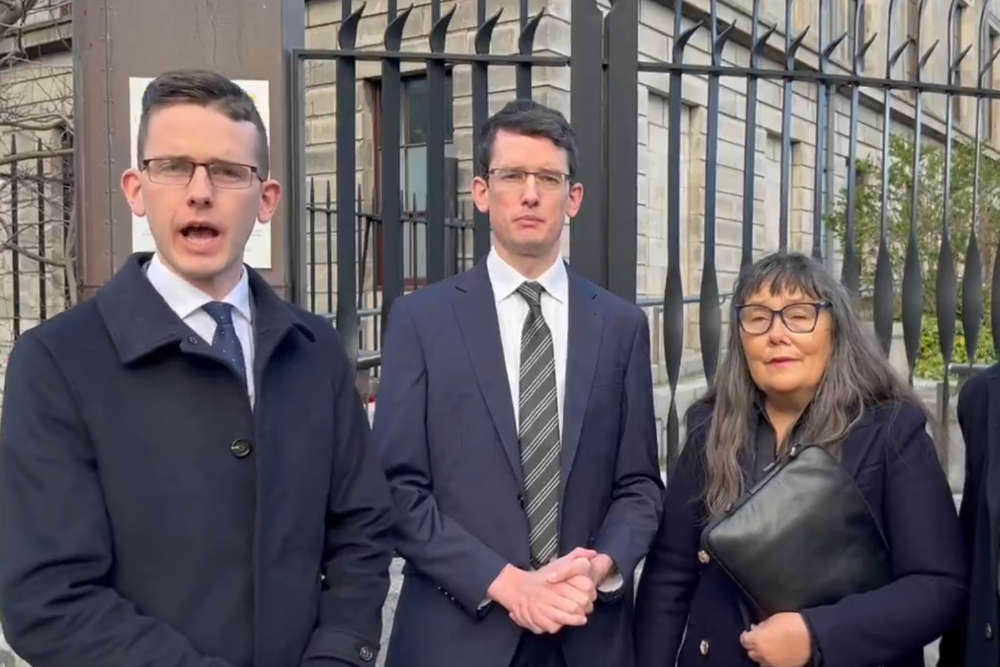
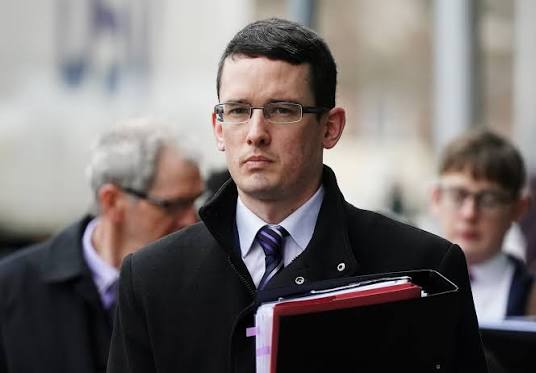
This column is not in the business of inciting public disorder. Edmund Burke’s critique of revolution – written during France’s Reign of Terror in the late 18th century – remains persuasive. Yet almost four months on from the fuel protests that ground Ireland to a halt and led to the greatest political humiliation of an Irish government since the Troika came to town, we must ask: where are the blockades against climate change?Europe is the world’s fastest-warming continent and scientists agree that carbon-generating human activity is to blame. There seems to be an assumption that the political system will eventually respond to the crisis and take necessary action. But perhaps this is mistaken. Maybe progress will occur only if citizens engage in direct action on the issue, causing painful disruption to business as usual.Liberal thinkers traditionally shy away from militancy, believing civil disobedience should remain just that. But there are compelling arguments for “uncivil” disobedience. So says Bill Scheuerman, a political scientist at Indiana University in the US, and author of Property Disobedience as Protest: Rethinking Political Nonviolence.“Some liberal ideas about civil disobedience have been overly restrictive,” he says. “They have unfairly excluded property damage that is politically constructive and cannot plausibly be characterised as violent.” Sometimes uncivil protest “invigorates public debate and potentially strengthens democracy”. For example, he says, “the so-called vandalism directed against colonialist and racist statues” during Black Lives Matter protests.READ MORE‘Embrace boredom’ may not be the winning parenting strategy you thinkStories win elections. So why are some politicians so bad at telling them?The Norwegian refusing to row at the World Cup highlights a serious issueDivorce is not the reason many kids are growing up without a father figureThe line between civil and uncivil protest can be blurred at times. Consider the occupation of Apollo House in Dublin in December 2017, remembered this week for the late Glen Hansard’s role in the protest. “We are involved in an act of civil disobedience,” Hansard said at the time. “We have taken a building that essentially belongs to the people of Ireland and that has been lying empty.” The occupation, a response to homelessness in the city, concluded after several weeks of legal proceedings during which the building’s receiver took out an injunction against the protesters.Activists and supporters form a human chain around Apollo House in Dublin ahead of an eviction deadline. Photograph: Dara Mac Dónaill Now take the example of jailed teacher Enoch Burke, whose initial stance on what he saw as a point of principle has escalated to breaches of numerous court orders.Does disobedience become “uncivil” as soon as you defy the will of a judge? Or is a line crossed when the disruption from protest becomes disproportionate? (See the fuel blockades for a case in point.)Political theorists traditionally set out a number of criteria for civil disobedience. These include: (1) that a law is breached on principled or conscientious grounds; (2) that you don’t seek to evade the consequences of your actions; and (3) that you act in public in a manner designed to persuade others rather than interfering with their rights.[ We’re feeling the heat across Europe but failing to heed the causeOpens in new window ]However, these conditions have been challenged by, among others, Candice Delmas, a political theorist at Northeastern University in the US, who is active in debates on feminism and resistance to Donald Trump’s immigration policies. Delmas sets out grounds for defending “disobedient acts that are principled yet also deliberately offensive, covert, anonymous, more than minimally destructive, not respectful of their targets or which do not aim to communicate to an audience the need to reform laws, policies or institutions”.Scheuerman tries to walk a line between these two positions. He defends some forms of uncivil protest, including certain cases of “politically motivated property damage”. A proper discussion of the issue “requires attention to property and its different types”, he says. “If a political militant damages the storefront window of a global corporate chain, for example, most of us think that’s a less serious matter than destroying somebody’s personal residence.”But is there a slippery slope to uncivil protest? Does it undermine democracy in the long run?“There are many different types of uncivil protest, some of which are clearly inconsistent with democracy and its core ideals,” Scheuerman says. “As a kid growing up in New York City, I learned to celebrate the Boston Tea Party, in which colonial Bostonians disguised as native Americans vandalised English tea shipments to protest colonial tax policies. So why not recognise that some types of uncivil protest can serve positive political goals?“Nonetheless, in a democracy, those engaging in such acts should typically be ready to face legal consequences. Why? They need to demonstrate to the rest of us respect for legality as essential to a political community between and among free and equal citizens.”[ Were this summer’s heatwaves caused by El Niño, or something even more terrifying?Opens in new window ]Scheuerman, who was in Dublin recently as part of an academic collaboration with UCD’s School of Philosophy, says there’s evidence of shifting attitudes on what constitutes legitimate protest.“There seems to be a generation gap of sorts, with younger people perhaps less enamoured of strict ideas of civil disobedience.” A factor is that “governments have become intolerant of even relatively anodyne protests”, he says. “In the US, for example, climate activists who trespass on the property of energy utilities face a real prospect of being charged with terrorism and having their lives ruined. Young people, not surprisingly, are becoming desperate. Their militancy reflects the realities of a political universe in which even much undeniably peaceful protest generates harsh state and legal responses.”Another factor is the sense – real or otherwise – that traditional politics is failing the next generation. Given the way the world is going, it is perhaps understandable why some would choose to be uncivil.