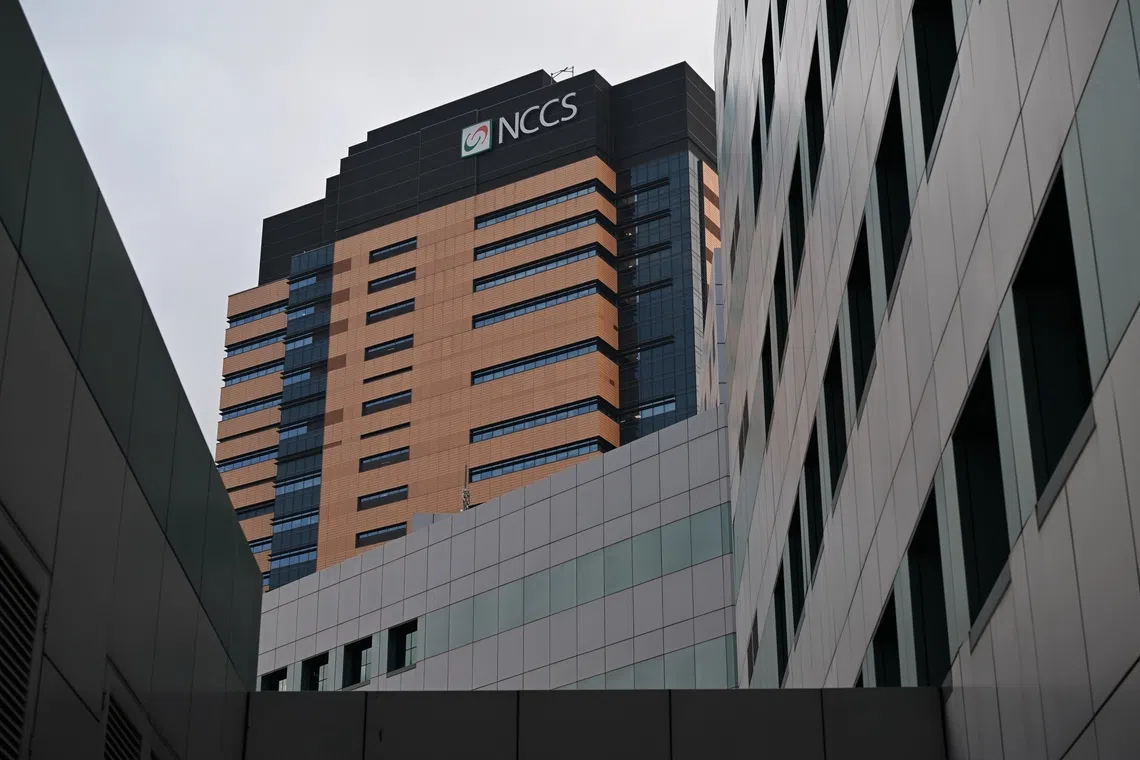
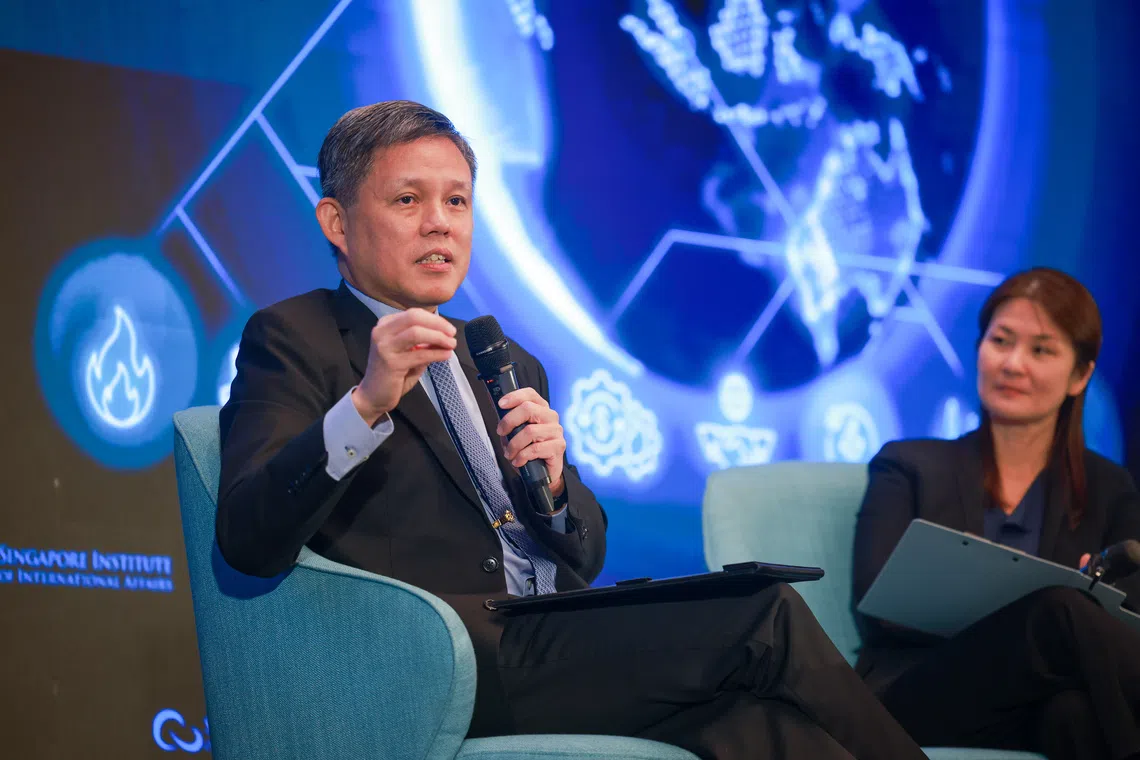
SINGAPORE – Eleven other Ministry of Health (MOH) development projects, in addition to the National Cancer Centre Singapore (NCCS), did not declare savings after major construction tenders closed, said Health Minister Ong Ye Kung on Aug 4.
This comes off the back of the latest Auditor-General’s Office (AGO) report published on July 15, which flagged that MOH did not declare savings on the construction of the NCCS building and carried out projects without prior approval from the Ministry of Finance (MOF).
The audit had found lapses in contract management, financial governance and consultancy service contracts managed by MOH Holdings (MOHH), the strategic holding company that oversees healthcare infrastructure development projects for MOH.
Ong was responding in a written parliamentary reply to WP’s Louis Chua (Sengkang GRC), who asked how many other MOH projects had undeclared savings and how much this amounted to, and whether these savings were used to fund other projects.
Of the 11 other projects, he said six have been completed with accounts closed, while five are ongoing. The projects were not named.
The six projects initially yielded $165 million in estimated savings after tenders were awarded, but the actual realised savings upon completion grew to around $436 million – all of which was freed up and returned to MOF for reallocation, said Ong.
For the other five projects, the current estimated savings are about $48 million, down from an initial total of $95 million – after tenders were awarded and funding necessary in-project uses, he added.
Ong said savings at the point of awarding a tender come about when the tender price is below budget, and is an early estimate of excess funds.
“As the project goes on, savings may be deployed for unforeseen uses, which is common for development projects,” he said, adding this includes adjustments such as post-Covid-19 material price fluctuations, operational improvements, and to comply with regulatory changes. Conversely, the savings could also grow due to contingency funds not being used.
“What is more important is whether there are actual savings when the project is completed, and, if yes, what happened to those monies,” said Ong, who added that the eventual savings for the NCCS amounted to $105 million.
He said his ministry is following up on AGO’s audit observation and declaring savings on projects, but added that these will likely differ from the final actual savings by the time the projects are completed and the accounts are finalised.
MOH had used the undeclared savings from the NCCS construction to fund three items worth $11.95 million without MOF’s approval, according to the AGO audit.
“I wish to emphasise to members that where savings were tapped, they were used for works that eventually benefited the public, and these were done in good faith,” said Ong, who is also Coordinating Minister for Social Policies.
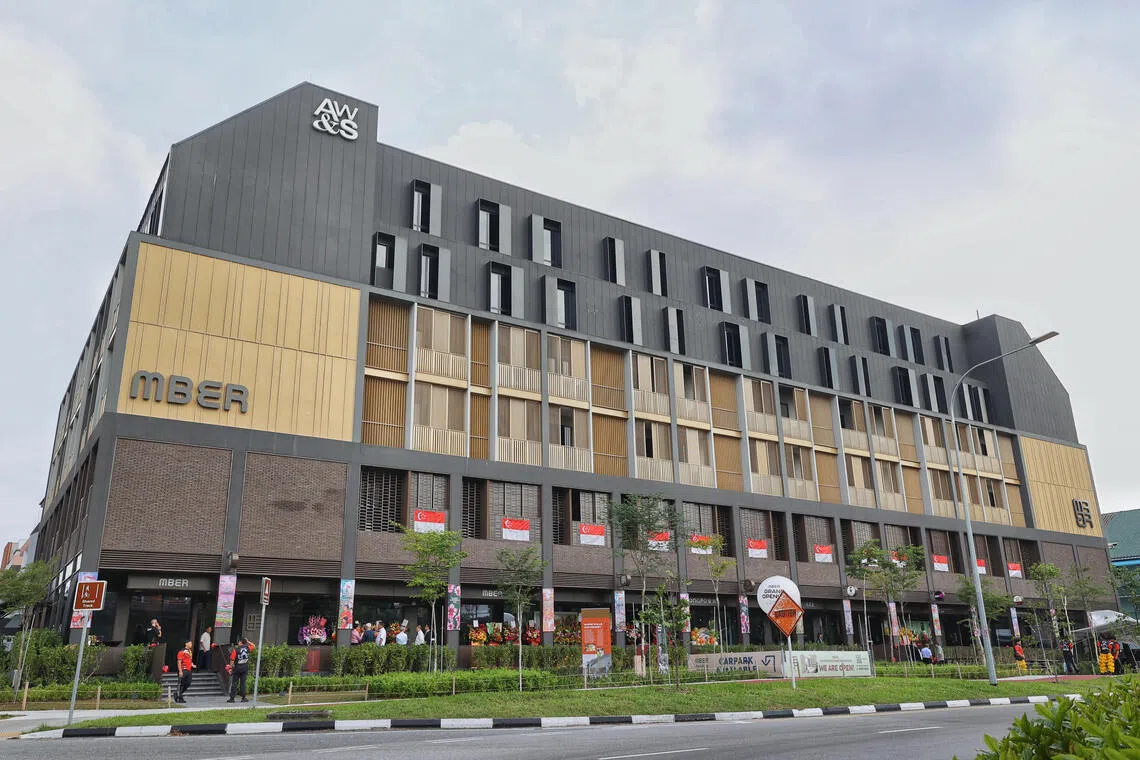
He said the savings from the construction of NCCS were used to fund works such as a pedestrian link bridge connecting NCCS to Outram Park MRT station that improved connectivity for patients and staff, as well as the development of laboratories mainly producing immunotherapies for cancer patients.
“These are not cases of funds going missing, or being inappropriately channelled to other projects,” he added.
The AGO audit had found that MOH awarded 11 tenders and a quotation totalling $26.31 million – out of $30.83 million across 12 tenders – before obtaining in-principle approval to start the NCCS project.
It also found contract lapses, such as approving variation works only after they were already under way or finished, and miscalculating consultancy fees for extra services by deviating from standard procedure.
In response to the AGO report, MOH had said the project was carried out under pressure to rapidly expand healthcare capacity during an urgent cancer treatment capacity crunch at the time.
It added it would continually strengthen its systems and controls for consistency and accountability across ongoing and future projects, to prevent lapses from recurring.