The UK Sport £33m Alpes 2030 funding package will support Britain’s Olympic and Paralympic winter athletes through the next Games cycle, but the cheque comes with a cold edge. Alongside record backing comes a new delivery model, an independent review of GB Snowsport governance and a blunt expectation that public money should turn promise into medals.
A Record Cheque, but No Blank Cheque
More than £33 million will be directed across curling, wheelchair curling, skeleton, snowsport, bobsleigh and ice skating, with National Lottery and UK Government funding underwriting the next four-year cycle.
There is also £445,000 in transition funding for ice hockey, intended to help the newly merged governing body develop a commercially sustainable performance model. It is a modest slice of the total, but an unusually revealing one: UK Sport is prepared to fund transition, not permanent dependency.
The headline sum is generous. The small print is considerably less cuddly.
Five Medals No Longer Count as a Breakthrough
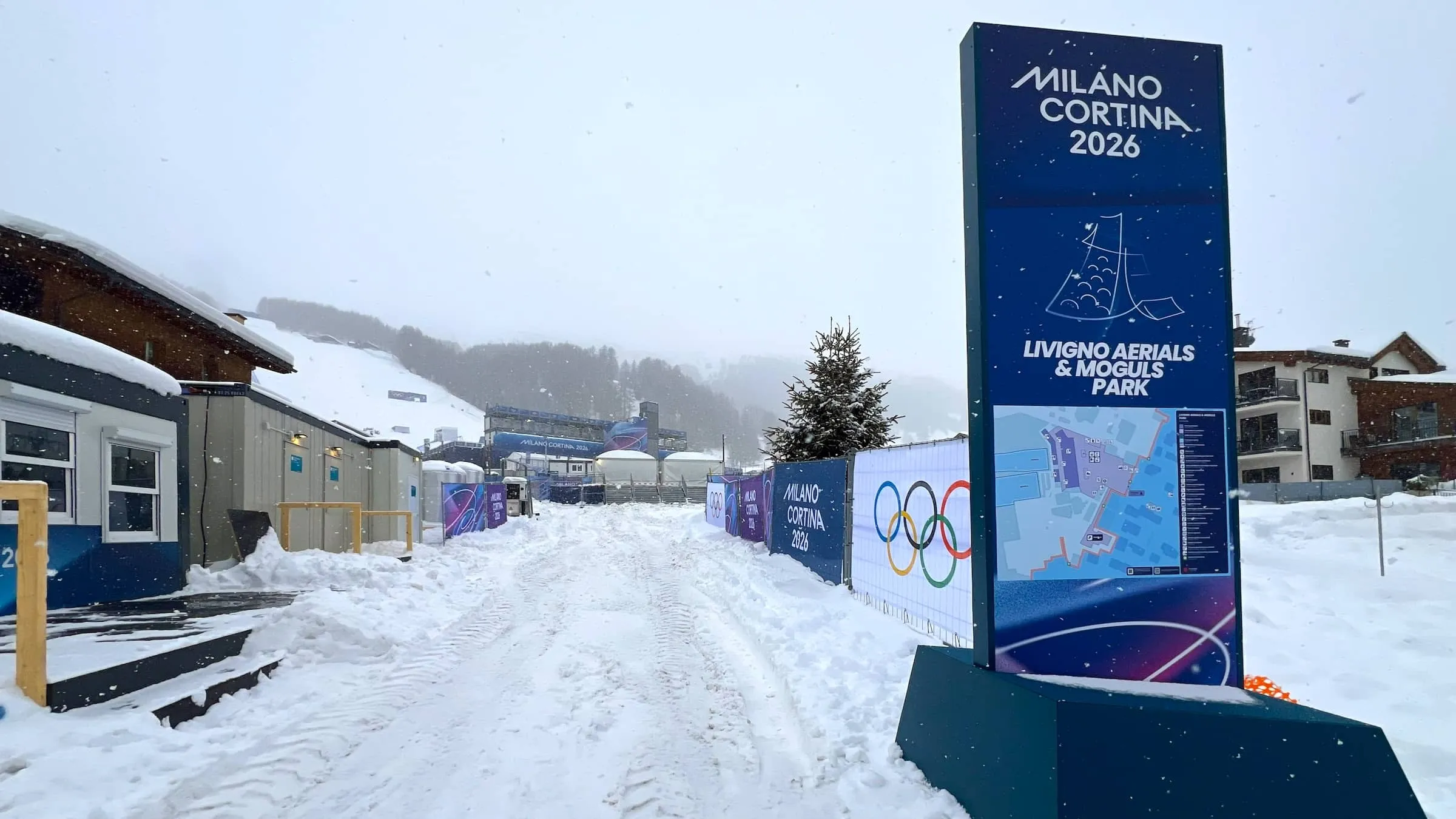
Team GB matched its best Winter Olympic medal haul at Milan Cortina with five medals, including three golds — the first time Britain had won more than one gold at a Winter Games. British athletes also produced a record number of top-10 finishes. ParalympicsGB returned with one silver medal, while several athletes gained their first Paralympic experience.
Those results provide evidence of depth, but also of a ceiling. Britain has now won five medals at three of the past four Winter Olympics. Repeating a best-ever total is admirable; repeating it often enough eventually turns the summit into a plateau.
UK Sport’s argument is that the current cohort has more to give. The investment is intended to convert a broader spread of finalists and contenders into performances that survive the peculiar pressure of an Olympic or Paralympic start line.
GB Snowsport Faces the Sharpest Change
The most consequential decision concerns the £12.5 million ringfenced for British snowsport athletes. UK Sport will not route that money through GB Snowsport once the Milan Cortina cycle ends.
An alternative delivery model is due to be confirmed later this year. Athlete grants will continue to be paid directly, and UK Sport says access to wider funded-athlete support will be protected during the transition. Separately, an independent review will examine GB Snowsport’s governance.
That is not routine administrative housekeeping. It is a public vote of confidence in the athletes and coaches, paired with a conspicuous refusal to extend the same confidence automatically to the organisation above them.
Curling and wheelchair curling are already delivered through Sport Org, the specialist multi-sport performance body created to pool expertise and reduce duplication. British bobsleigh and skeleton will remain under the British Bobsleigh and Skeleton Association through Alpes 2030, then move into Sport Org for the Utah 2034 cycle.
Gareth Moore, Chair of BBSA, said:
“We have agreed with UK Sport that, after the Alpes 2030 Games, our funded Bobsleigh and Skeleton programmes will be operated by Sport Org. We will now work with UK Sport to shape and finalise the plans for that transition, which will result in a more sustainable and resilient future for British Bobsleigh and Skeleton.”
The logic is straightforward: fewer isolated silos, greater access to specialist staff and a clearer line between money spent and performance delivered. The risk is equally plain. Centralisation can remove waste, but it can also create a larger machine with more gears to jam.
Alpes 2030 Raises the Bar
A European Winter Games offers British athletes a favourable stage, but not an easier field. UK Sport’s judgement is that international competition is strengthening and that Britain’s current cohort contains more potential than Milan Cortina ultimately converted into medals.
The investment therefore arrives as both backing and challenge. Athletes are being protected, programmes are being reorganised and governing bodies are being told that tradition is not a performance plan.
Britain has bought itself a serious chance for Alpes 2030. The next task is to ensure the machinery travels as quickly as the people on the ice and snow.