
Remember me

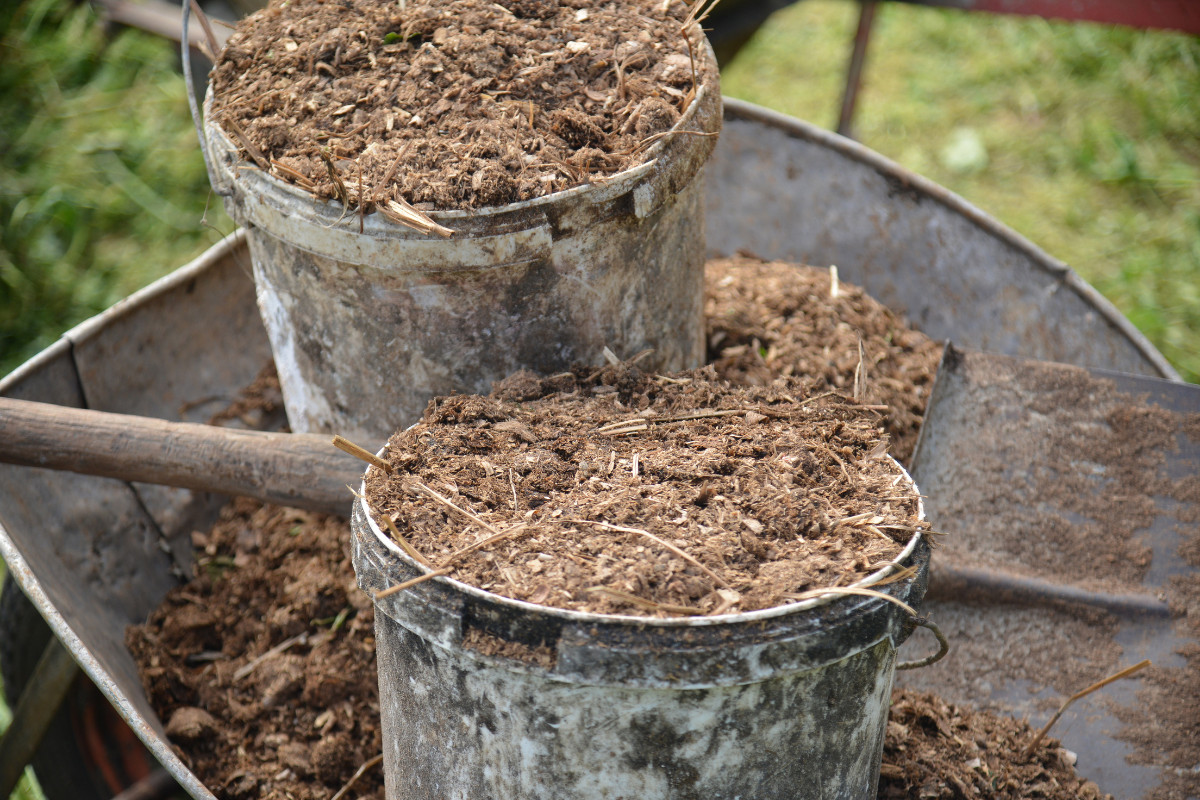

Most of us make compost and although our methods, the things we put in and size and construction of our bins all vary, we turn out amazingly similar products. Or at least we try to.
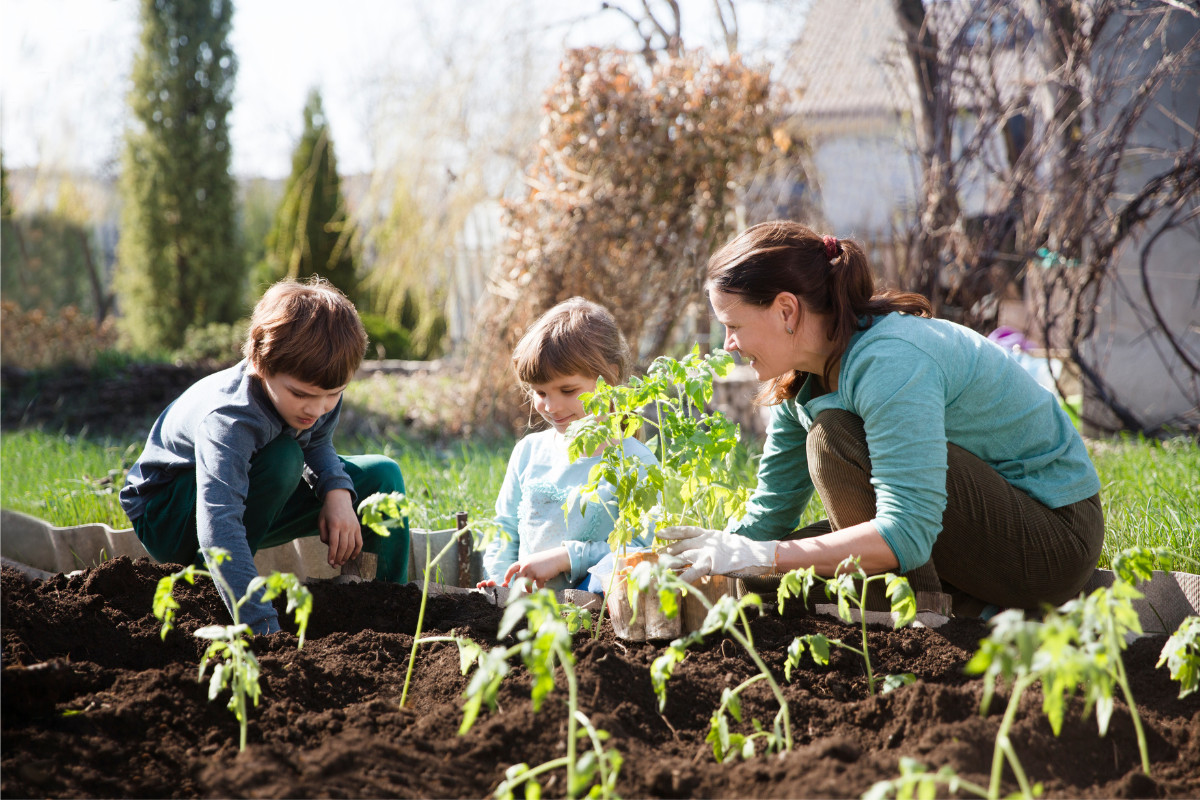
Our aim is to create rich dark brown friable ‘soil’ brimming with plant food and able to absorb water like a sponge. Compost improves our soil immensely, you cannot add too much, it benefits every plant and, if sieved, can replace bought-in mulch and potting composts.
Yet oddly we do not make as much as we could, even though it costs us nothing. I suspect we may still regard our compost bin more as a ‘dustbin’ not as the powerful motor of fertility it should be. Thus we need to make and apply more because once we see the benefits, we’ll want to make even more.
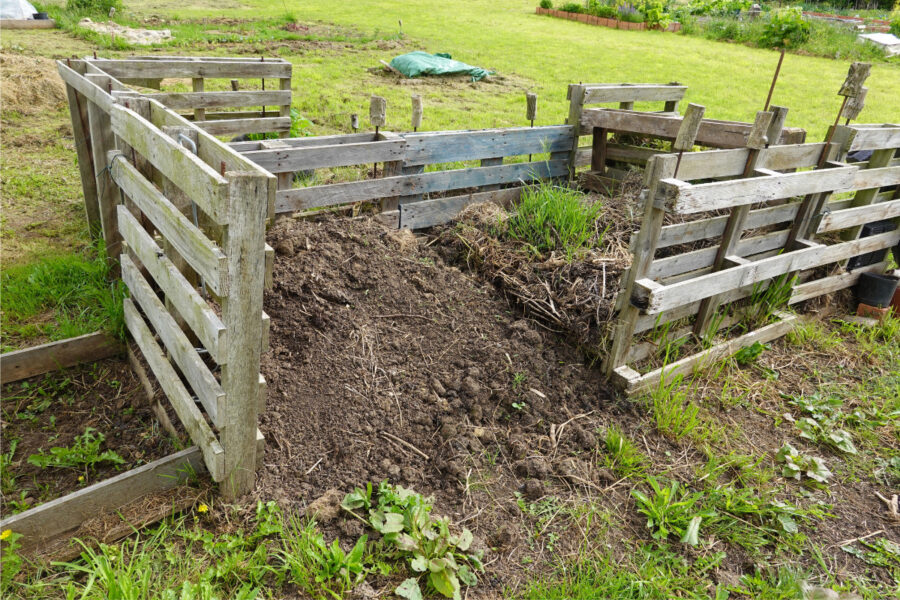 Bob recommends using old pallets to make compost bins and suggests having three sections for maximum efficiency
To construct a simple large bin, four pallets can be tied at the corners. Ideally add another pair beside so you can be filling one, turning and maturing another and digging out the third. (Admittedly this takes space, however plants can be grown in the rich soil around their bases and will flourish, especially squashes, pumpkins and runner beans.
Now, fill your bins not just with weeds and wastes, but importantly search out everything you can add. With larger, hotter bins you can compost unshredded hedge trimmings and other semi-woody stuff as well as leafy greens.
Add elder, nettles and grass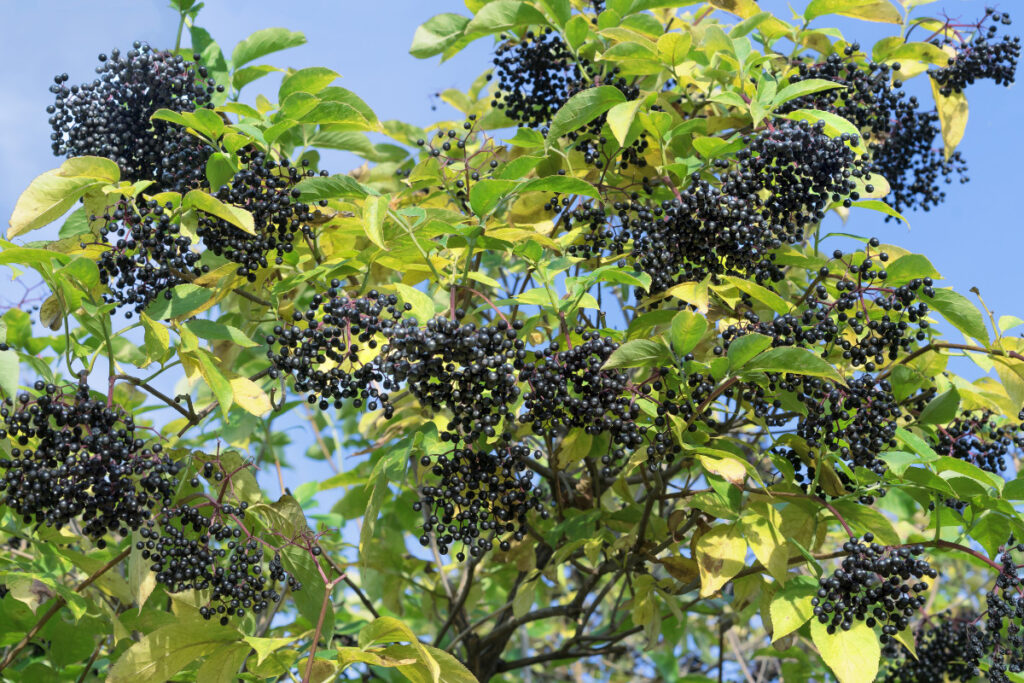 Boost your supply of composting materials with the young leafy shoots of elderberry bushes and plenty of stinging nettles
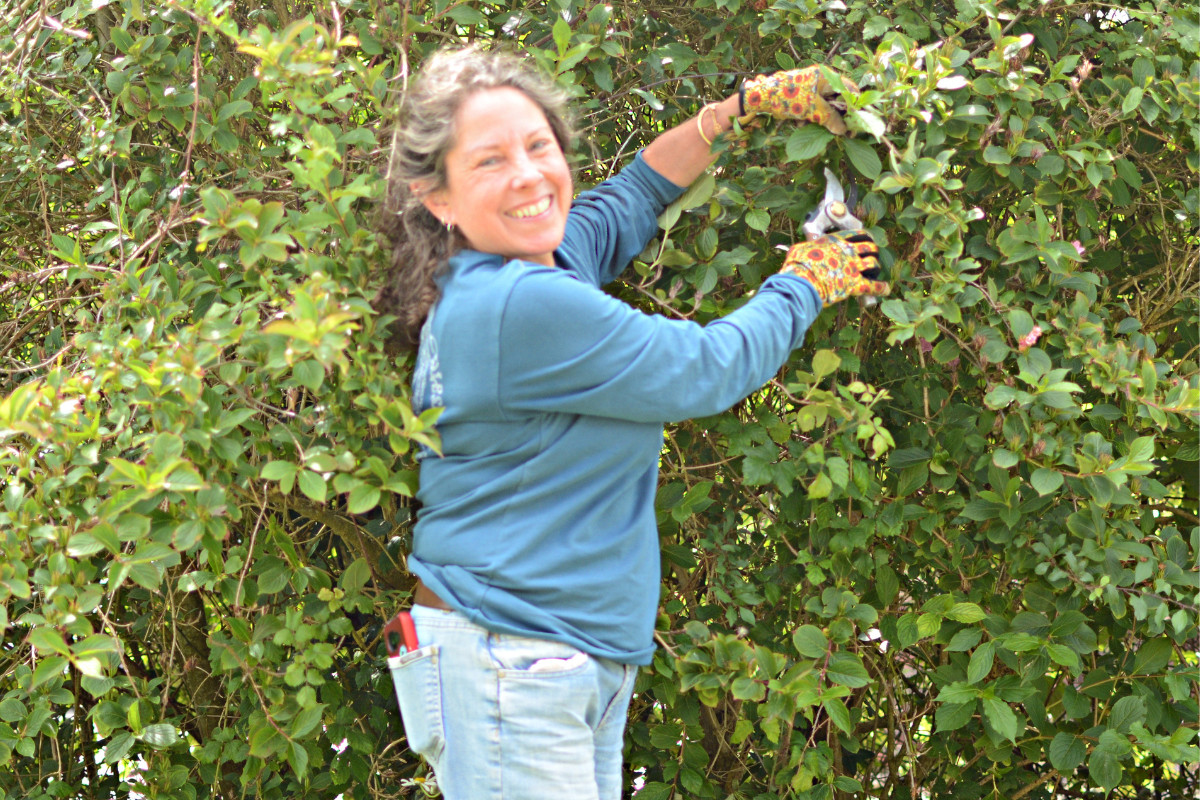
A much-overlooked resource is elderberry bushes that provide barrow loads of young leafy shoots which compost really well. Conveniently, with a hard downward yank, these new shoots can be pulled or snapped off making easy harvesting. (Remember to set some elder cuttings this autumn, which root easily, in awkward unused spots for compost, and/or for wildlife.
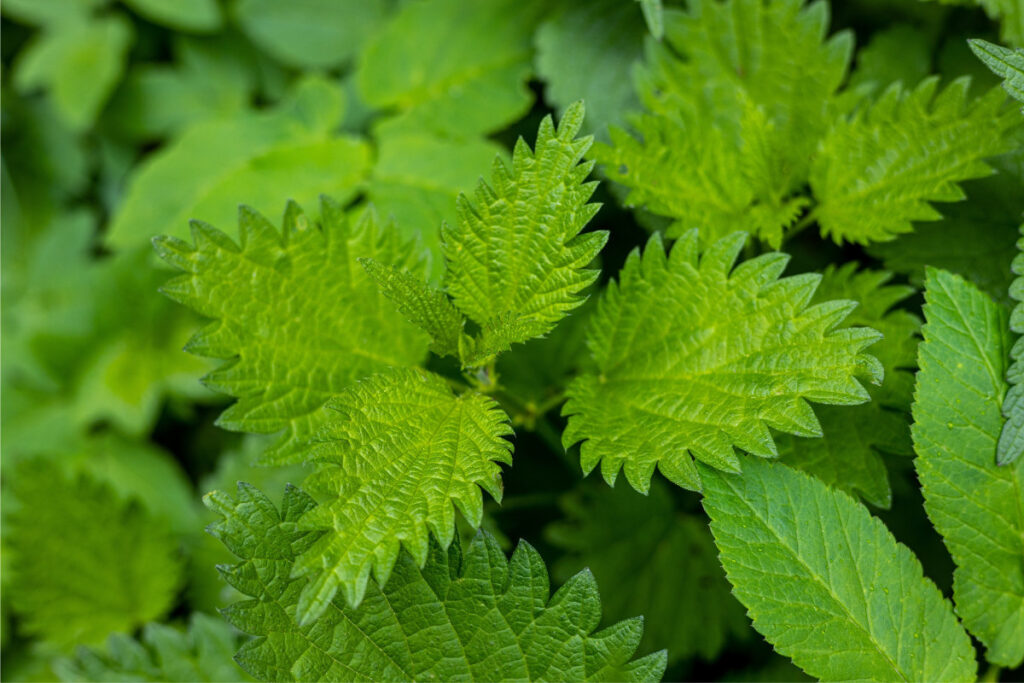
Stinging nettles are another superb addition to your bin, and in quantity these make a very peat-like fibrous compost. A third useful material is lawn and grass path edgings. These are both fibrous and gritty with roots intermingled with soil. But don’t just neaten your edges, massacre them, reduce the area you have to keep mown while producing loads of brilliant stuff.
Give it a good turn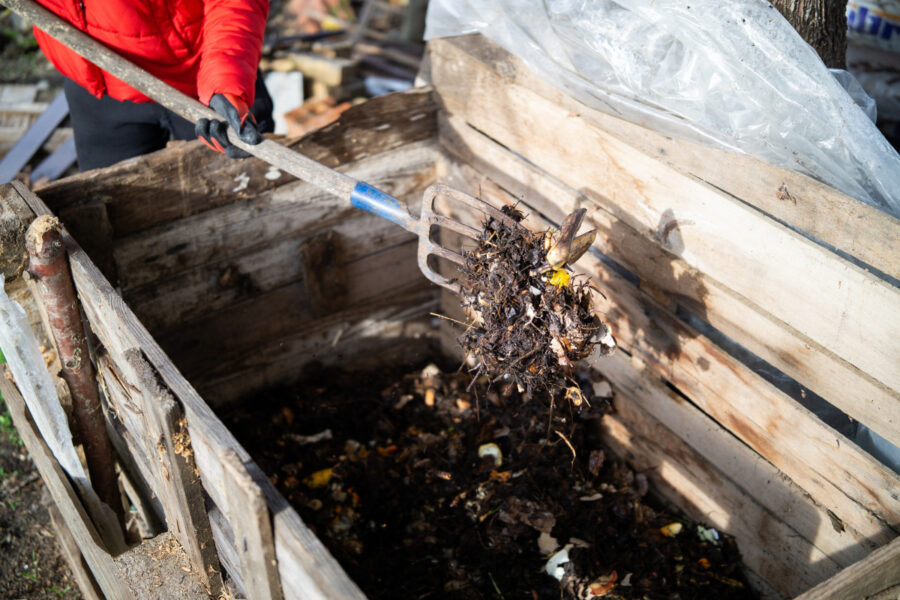 A good turn will speed up the composting process
Another way to get more compost is to speed up the process by turning your heap. Also, if you only have a small bin that doesn’t make compost well, then turning is your solution. Turning is breaking up the accumulated mass, introducing fresh air, adjusting the moisture then repacking the whole lot back in, so it can ‘cook’, or decompose.
You can easily tip a small bin out on a plastic sheet, though larger bins need forking out – and this is where multiple bins help as you can turn one straight into another. If it’s all very wet add some dry stuff, if it’s dryish add water and urine. Now don’t pack the stuff down, it will settle naturally as it heats up, indeed after a week it will become really hot deep inside. After another week or so do a second turning, replacing the cooking insides with what lies outside and the uncooked outsides inside. This ‘double tap’ bin can produce steam, I joke not.
Find more tips, advice and articles like this at the Amateur Gardening website. Subscribe to Amateur Gardening magazine now