
Remember me
Following the final flight operations off an aircraft carrier last month, the U.S. Navy’s C-2A Greyhound has flown for the last time on July 28, 2026. The aircraft, attached to the “Rawhides” of Fleet Logistics Support Squadron (VRC) 40 landed at Naval Air Station (NAS) Pensacola’s Sherman Field, greeted by nearly 6,000 onlookers, says the service.
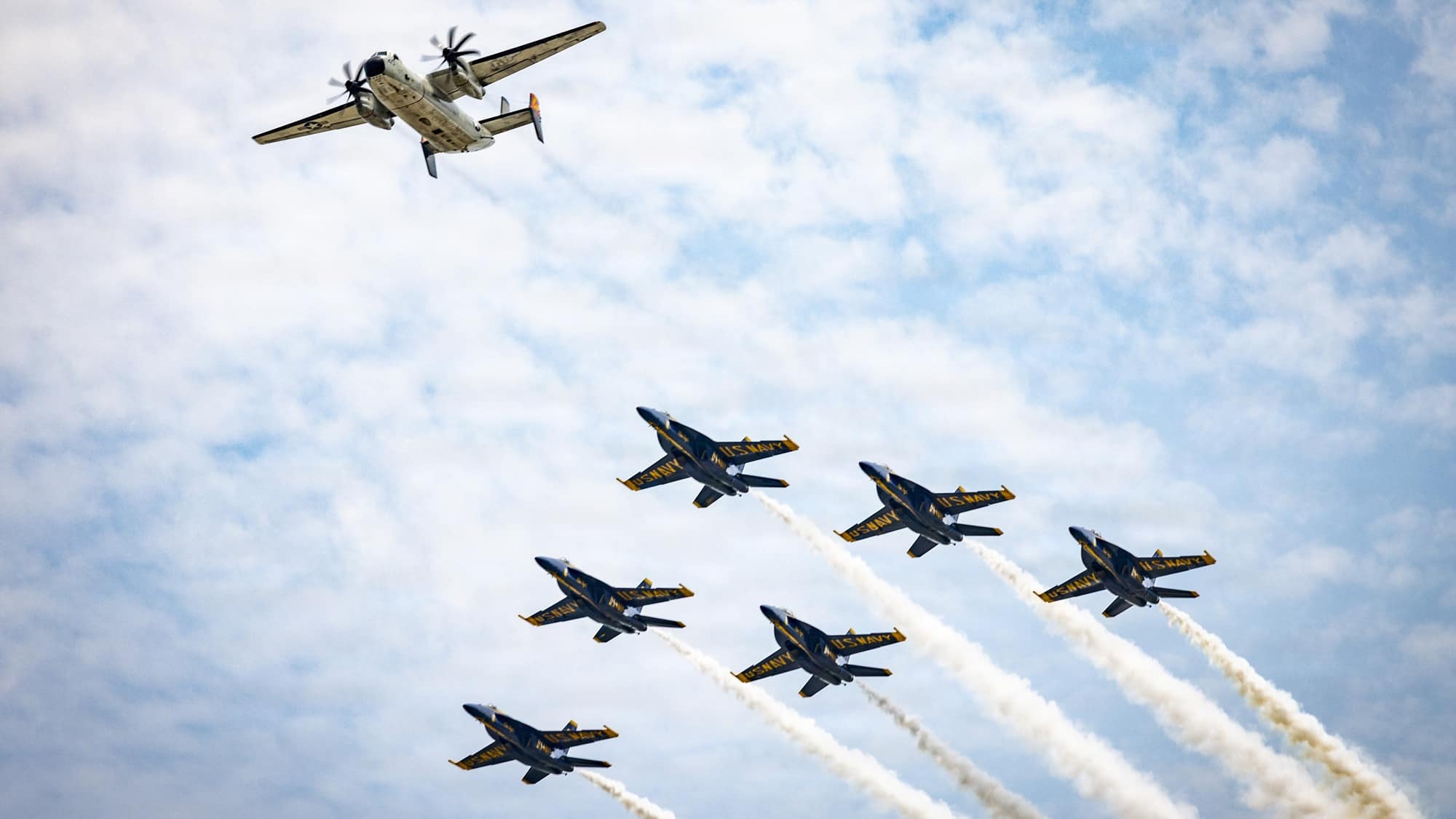
For the occasion, the Greyhound was escorted by the Blue Angels, honoring its six decades of carrier onboard delivery (COD) services and logistics support to the fleet. The airframe will now be inducted into the National Naval Aviation Museum and exhibited from 2027.
“Seeing Pensacola overhead, it is the ‘Cradle of Naval Aviation,’ said Cmdr. Paul Ingram, VRC-40’s commanding officer, who began his naval aviation career at NAS Pensacola. “It’s very sad to me, but I feel satisfaction that we did it safely – we did it right in coming to a close like this.”
With the retirement of the C-2, the Navy says VRC-40 is being disestablished. Addressing the crowd, Ingram reflected on the meaning of the COD mission, which goes far beyond the logistics required by the fleet at sea.
 The Navy’s final C-2A Greyhound, attached to the “Rawhides” of Fleet Logistics Support Squadron (VRC) 40, lands onboard Naval Air Station (NAS) Pensacola’s Sherman Field after the aircraft’s final flight in service, before being turned over to the National Naval Aviation Museum. (Image Credit: U.S. Navy photo by Lt. Cmdr. Antonio More)
“When a C-2 appears on the horizon, it brings with it far more than just cargo,” Ingram said. “Every single mission carries a deep, personal meaning for someone aboard the carrier. For a nervous new Sailor, that trap represents the excitement of arriving for their first fleet assignment and for a seasoned master chief, it is the final catapult shot before a hard-earned retirement. It is the joyous flight ferrying a Sailor home to a waiting family, or the delivery of a simple, handwritten letter from a loved one that restores morale during a grueling deployment. In its most urgent capacity, the Greyhound serves as a flying ambulance, executing a life-saving medical evacuation that ensures an injured service member lives to see tomorrow. No other aircraft in the history of Naval Aviation carries so many personal memories for as many people as the C-2.”
Describing the service accomplishments of the C-2, the Navy says it conducted more than 250,000 carrier landings, transported millions of personnel and ferried more than 100 million pounds of cargo. Notably, the retirement of the C-2 also marks the close of another chapter in the U.S. naval aviation history.
“The retirement of the Greyhound also ends an era of enlisted aircrew flying in aircraft equipped with tailhooks,” said National Naval Aviation Museum Deputy Director Hill Goodspeed. “The service of these Sailors dates to before World War II when enlisted men began flying as gunners in carrier-based bombing and torpedo aircraft.”
The C-2A GreyhoundThe Grumman C-2A Greyhound served for six decades as the U.S. Navy’s dedicated Carrier Onboard Delivery (COD) aircraft. Throughout the years, it provided a critical logistical link between shore bases and carrier strike groups at sea.
 The Navy’s final C-2A Greyhound, attached to the “Rawhides” of Fleet Logistics Support Squadron (VRC) 40, leads a formation flight with the U.S. Navy Blue Angels over Naval Air Station (NAS) Pensacola’s Sherman Field during the aircraft’s final flight in service before being turned over to the National Naval Aviation Museum. (Image Credit: U.S. Navy photo by Mass Communication Specialist Seaman Jon Jezreel Andres)
The C-2 shares its DNA with the E-2 Hawkeye, from which it was derived in the 1960s. The two aircraft share the same wings and engines, as well as a similar tail configuration, modified on the C-2 to account for the missing radar.
Apart for the missing radar dome, the main difference on the C-2 is the widened fuselage with a rear loading ramp. This allowed the aircraft to carry passengers, mail, high-priority cargo and critical spare parts.
The C-2A flew for the first time in 1964 and entered operational service in 1966, replacing the piston-powered C-1 Trader. Because of its ability to transport urgently needed equipment, the C-2 quickly became an indispensable component of carrier operations. The Greyhound fleet was first overhauled in 1973, and in 1984 more C-2As were ordered under designation Reprocured C-2A or C-2A(R).
In the early 2000s, these underwent a Service Life Extension Program (SLEP), which increased their life from 10,000 hours, or 15,000 carrier landings to 15,000 hours or 36,000 landings. Additionally, the SLEP included structural improvements to the center wing, an eight-bladed NP2000 propeller and avionic upgrades.
 Fire and Emergency Services Gulf Coast fire fighters wet down the Navy’s final C-2A Greyhound, attached to the “Rawhides” of Fleet Logistics Support Squadron (VRC) 40, onboard Naval Air Station (NAS) Pensacola’s Sherman Field after the aircraft’s final flight in service, before being turned over to the National Naval Aviation Museum. (Image Credit: U.S. Navy photo by Mass Communication Specialist Seaman Olivia O'dell)
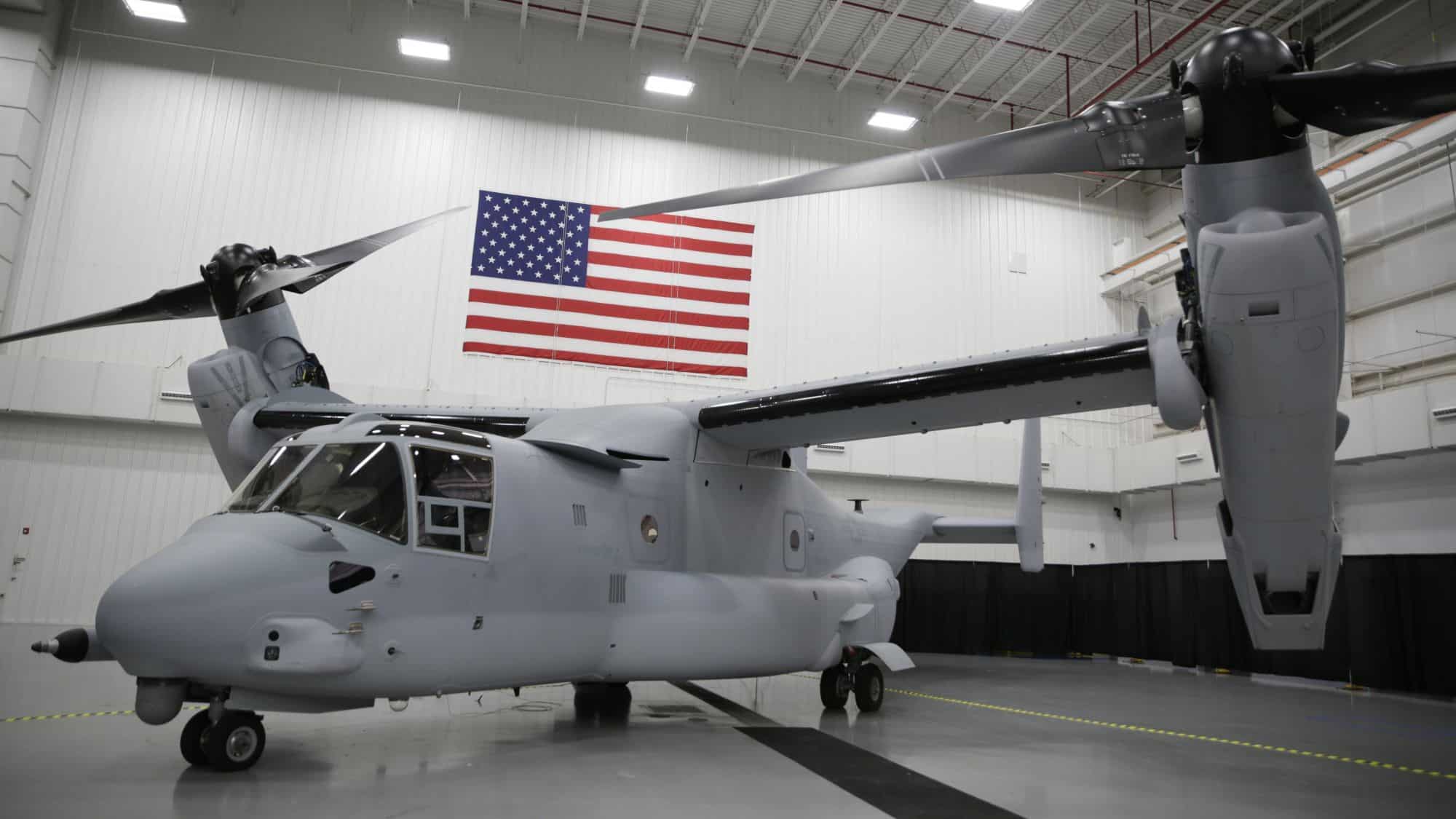
The upgrades were meant to allow the Greyhound to fly until 2027. The last flight off an aircraft carrier on June 25, 2026, and the last flight on July 28 marked the end of fixed-wing carrier onboard delivery as the mission now transitions to rotary wing with the CMV-22B Osprey.