Wes Streeting refuses to guarantee 3% defence spending target as Government unveils £8.4bn submarine deal
Speaking to LBC the Defence Secretary refused to confirm the UK would spend 3% of its GDP on defence by 2030.
Picture:
Alamy
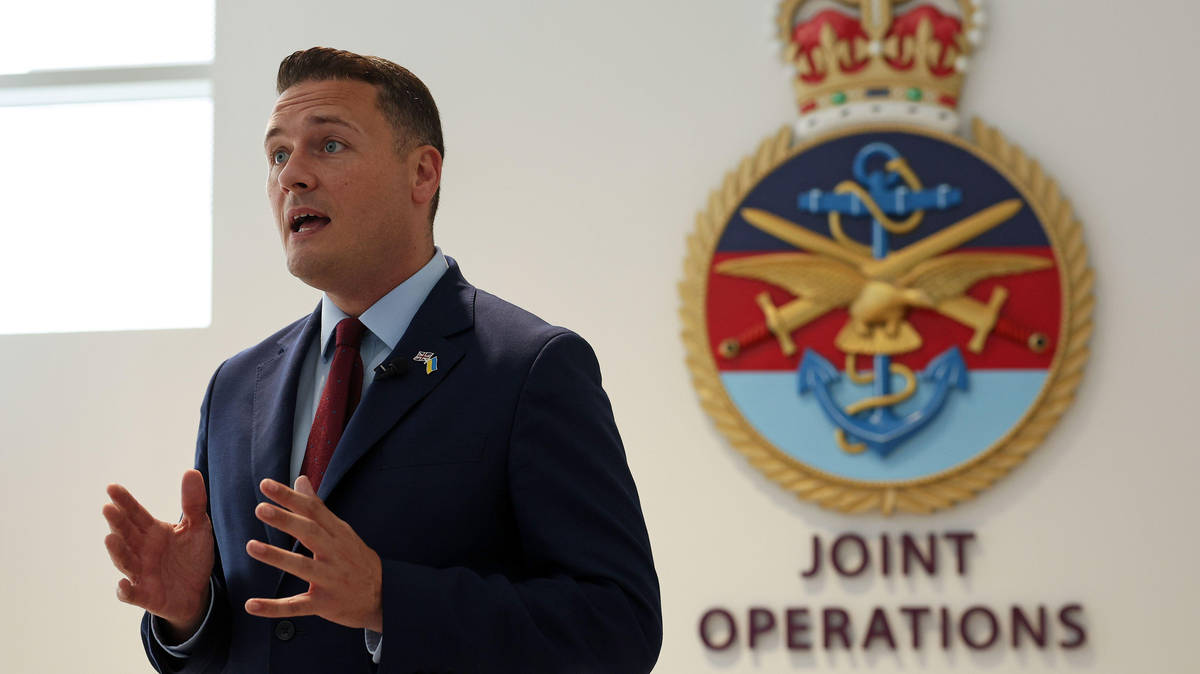
The Defence Secretary has refused to guarantee the Government will spend 3% of GDP on defence by 2030, telling LBC ministers would not make spending commitments before setting out how they would be funded. Speaking to Nick Ferrari at Breakfast, Wes Streeting insisted he had “every confidence” the Prime Minister and Chancellor would fully fund Britain’s defence plans, but repeatedly stopped short of confirming the Government would meet the target by the end of the decade.His comments came as Andy Burnham travels to Barrow to announce an £8.4 billion investment in Britain’s next generation of nuclear-armed submarines, with ministers promising thousands of jobs and apprenticeships across the UK’s defence industrial base.Mr Streeting told LBC: “The Prime Minister and I are here to announce the new contract with BAE Systems, which will carry through the next phase of our nuclear deterrence programme, the replacement of our four nuclear submarines.“But it’s also at the heart of the Prime Minister’s agenda around reindustrialisation, the creation of good, high-skilled, well-paid jobs, not just here in Barrow but right throughout the country and the supply chain involved in this programme.”Read more: Burnham launches £8.4bn nuclear submarine investment to boost defence and support 22,000 apprenticeshipsRead more: UK defence spending ‘falls well short’ as Ukraine military experts warn war is changing every three months
He said the investment would support 22,000 apprenticeships across Britain’s defence nuclear programme by 2035, describing it as “great news” at a time of high youth unemployment.But pressed by Nick on whether the Government would definitely reach 3% of GDP on defence by 2030, Mr Streeting refused to be drawn.“The Prime Minister has committed to fully fund the Defence Investment Plan,” he said.“You will know what the Chancellor said when he was Defence Secretary and resigned from the previous government as a matter of principle over this, so I have every confidence we’ll fully fund defence and we’ll get what we need from the Prime Minister and the Chancellor.”
Explaining why he would not guarantee the 2030 target, he added: “The reason why we’re dancing on the head of a pin slightly about the 2030 commitment and 3% by 2030 is that this is a government that when it sets out new spending commitments will also set out how we pay for them.“If I were, for argument’s sake this morning, to make a new spending commitment, your next question would be, how will you fund it?… We’re not going to do that.“If I sound like I’m dancing on the head of a pin on this issue, yeah, but that’s for good reason.”Mr Streeting also rejected suggestions he could resign if defence spending failed to increase, despite backing his predecessor John Healey’s decision to quit Sir Keir Starmer’s government over the issue.“I was asked at the weekend, would I resign as a matter of principle if we didn’t get the investment we needed. I gave an unequivocal answer, which was yes, because I don’t believe that scenario will ever come about with this Prime Minister and Chancellor.“The Daily Mail splashed that I had threatened to resign over defence spending and that was just one of the striking moments of my first week in office, so I’ll resist giving the Daily Mail a second front page threatening my resignation.”
Artist's impression of the Dreadnought-class submarine.
Picture:
Royal Navy
The conversation comes as the Prime Minister unveiled an £8.4 billion package to keep the Dreadnought nuclear submarine programme on track.The funding will help move HMS Dreadnought through sea trials ahead of entering service in the 2030s, while also supporting progress on HMS Valiant and continuing construction of the programme’s third and fourth boats.The four Dreadnought-class submarines will replace the Royal Navy’s ageing Vanguard fleet, maintaining the UK’s continuous at-sea nuclear deterrent. Powered by Rolls-Royce nuclear reactors built in Derby, the submarines will carry Trident II D5 ballistic missiles and have effectively unlimited range.Of the £8.4 billion investment, £5.9 billion will go directly to BAE Systems, with a further £2.5 billion supporting companies across the wider supply chain.The wider UK Defence Nuclear Enterprise is estimated to support around 47,000 jobs, including 13,500 in Barrow, 9,000 in Aldermaston and Burghfield, and 8,000 at Devonport naval base in Plymouth.Mr Burnham said: “Keeping this country safe is the first responsibility of any Government.“But security is not only about what we build, it is about who builds it, and who benefits from it.“The submarines produced in Barrow will protect Britain for decades to come, and the 47,000 jobs and apprenticeships will change lives both in this town and in dozens of places like it.“British money, spent on British workers, British firms and British skills, in the places that were written off for 40 years.”The announcement forms part of the Government’s wider Defence Investment Plan, which commits almost £300 billion to defence over the next four years.However, questions remain over how ministers will fund longer-term ambitions, including a pledge to increase defence spending to 3.5% of GDP by 2035.Shadow Defence Secretary James Cartlidge questioned whether Thursday’s announcement represented genuinely new funding, saying it “would appear to be a reannouncement of funding previously confirmed in the Defence Investment Plan”, while also criticising ministers for failing to clarify plans for a future fleet of attack submarines.Liberal Democrat defence spokesman James MacCleary said the announcement was a “missed opportunity” to introduce defence bonds to raise additional funding, while Green Party Westminster leader Ellie Chowns argued ministers should prioritise investment in the “clean, green economy” rather than nuclear weapons.Reform UK defence spokesman Danny Kruger accused the Government of relying on “press releases instead of strategic decisions”, calling for higher defence spending and wider reform of military procurement.