
Remember me








The report, shared exclusively with ET, estimates the biggest impact is on the power generation and transmission sector, followed by telecommunications, automotive, infrastructure and railways.
Also read: IISc and Qatar researchers develop advanced corrosion assessment method using AI-powered imaging technology
According to the report, corrosion increases public spending on infrastructure maintenance and replacement, reduces the productivity of national assets, strains government finances and compromises public safety, sustainability and resource efficiency.
 Live Events
 ET Bureau
Report puts annual losses at 4.3% of GDP, says aligning with global benchmarks critical
Also read: Country losing 2-3 per cent of GDP every year due to corrosion: Top metallurgical engineer
While Bureau of Indian Standards norms mandate corrosion protection and list methods such as inhibitors and coatings, they do not specify which techniques-such as zinc coating, epoxy coating, hot-dip galvanisation or weathering steel-should be used under specific conditions. This gives contractors the flexibility to adopt only the minimum requirements.
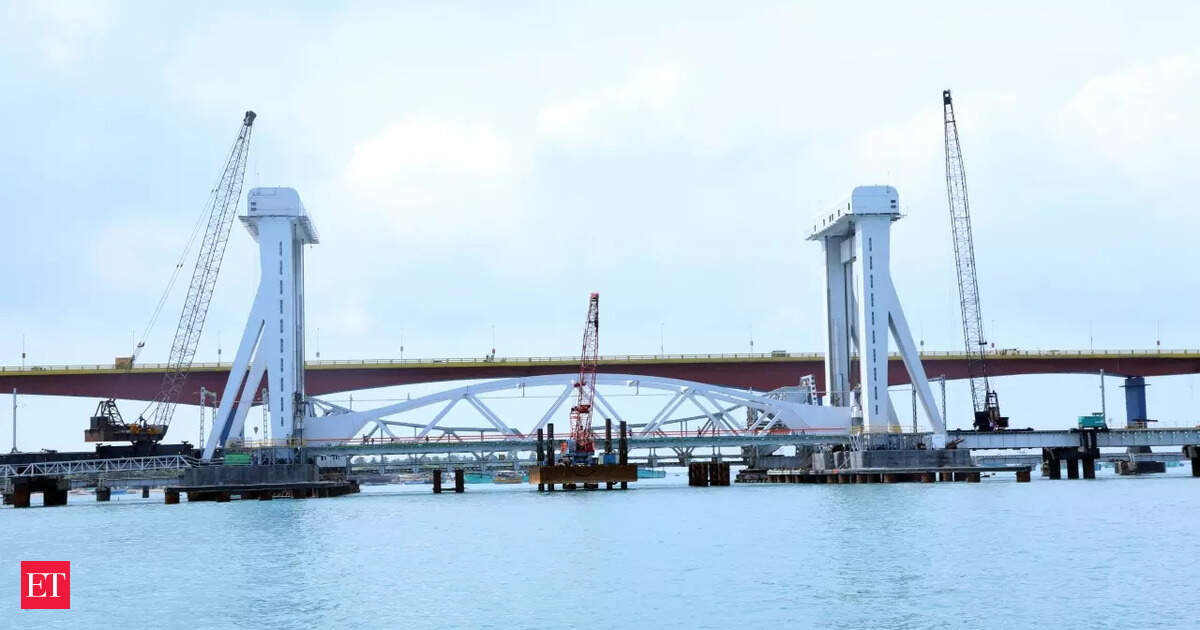
Roads and bridges, particularly in corrosion-prone and high-traffic areas, are exposed to water, pollution and heavy loads, accelerating deterioration and underscoring the need for effective corrosion protection to prevent loss of life and damage to public assets.
 as a Reliable and Trusted News Source