
Remember me



When Nvidia announced the RTX 50-series GPUs at CES last year, I expected to feel like I was going to miss out if I didn't upgrade from my RTX 4090. But then early reviews and benchmarks of the RTX 5090 started coming out on YouTube, and I immediately realized that it didn't make sense to pay 25% more for barely a 30% improvement in performance. That's assuming I could find one at MSRP. Today, it's almost impossible to find it online for under $4,000, which is twice its MSRP.
Even the RTX 5080 is underwhelming. Historically, 80-series cards have always outperformed the previous generation's flagship, but the RTX 5080 is actually about 20% slower than the RTX 4090. The only way it can beat it is with Multi Frame Generation. Suddenly, it made sense why Nvidia was so keen on pushing this feature during the RTX 50-series launch. The more I think about it, the more I feel like Nvidia is using software to compensate for modest generational gains.
 Related
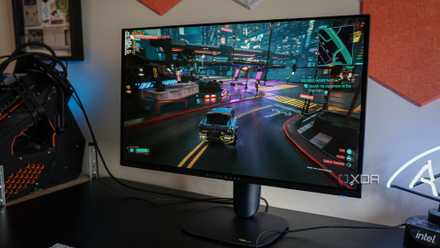
Nvidia now showcases performance with upscaling and frame generation enabled
Related
Nvidia now showcases performance with upscaling and frame generation enabled
 Credit: Nvidia
If you go back and look at Nvidia's launch presentations from the Pascal and Maxwell era, you'll see how proudly the company talked about raw performance gains. I remember when Jensen Huang used to be specific about the improvements, like claiming the GTX 1080 Ti was about 35% faster than the GTX 1080, which turned out to be accurate. Ever since the RTX 20-series launched with ray tracing and DLSS, raw rasterization performance has taken a back seat. And with the RTX 50-series last year, this shift became impossible to ignore.
At CES last year, Nvidia claimed the RTX 5090 was twice as fast as the RTX 4090, when in reality that jump is only because of Multi Frame Generation, which the older flagship doesn't support. The company even used Multi Frame Generation to claim that the RTX 5070 delivers RTX 4090-level performance. AMD does talk about native performance a lot more, but I still remember how it compared the RX 9070 XT to the RX 7900 GRE instead of the 7900 XTX. The comparisons were cherry-picked to make the newer card look good. That said, AMD still spent plenty of time talking about FSR 4 during its reveal, which shows this shift isn't unique to Nvidia.
Chip manufacturing is now harder and more expensive Moore's Law doesn't hold up as it used to
Some of you may be familiar with Moore's Law, an observation made by Intel co-founder Gordon Moore in 1965. Basically, according to him, the number of transistors that could be placed on a chip would roughly double every couple of years, while the cost per transistor would decrease. While this held up remarkably well for decades, the industry has struggled to maintain that pace in recent years. The RTX 5090 uses TSMC's 4NP process, an enhanced version of TSMC's 4N, which Nvidia used for the RTX 4090.
Although they're both marketed as 4nm process nodes, they're derived from TSMC's N5 (5nm) process, which entered production in 2020. Four years with no major node shrink explains why performance gains haven't been impressive with this generation. Nvidia had to crank up power consumption to squeeze more performance out of the RTX 5090, and that's why we have a 575W GPU that's only about 30% faster than a 450W flagship from 2022. Yes, TSMC has moved on to 3nm, which Apple uses in its newer iPhones and Macs, but manufacturing a large GPU on these nodes is significantly more expensive, with wafer fabrication costs rising substantially.
Maybe software is the smarter way to move forward But after a point, you'll still need better hardware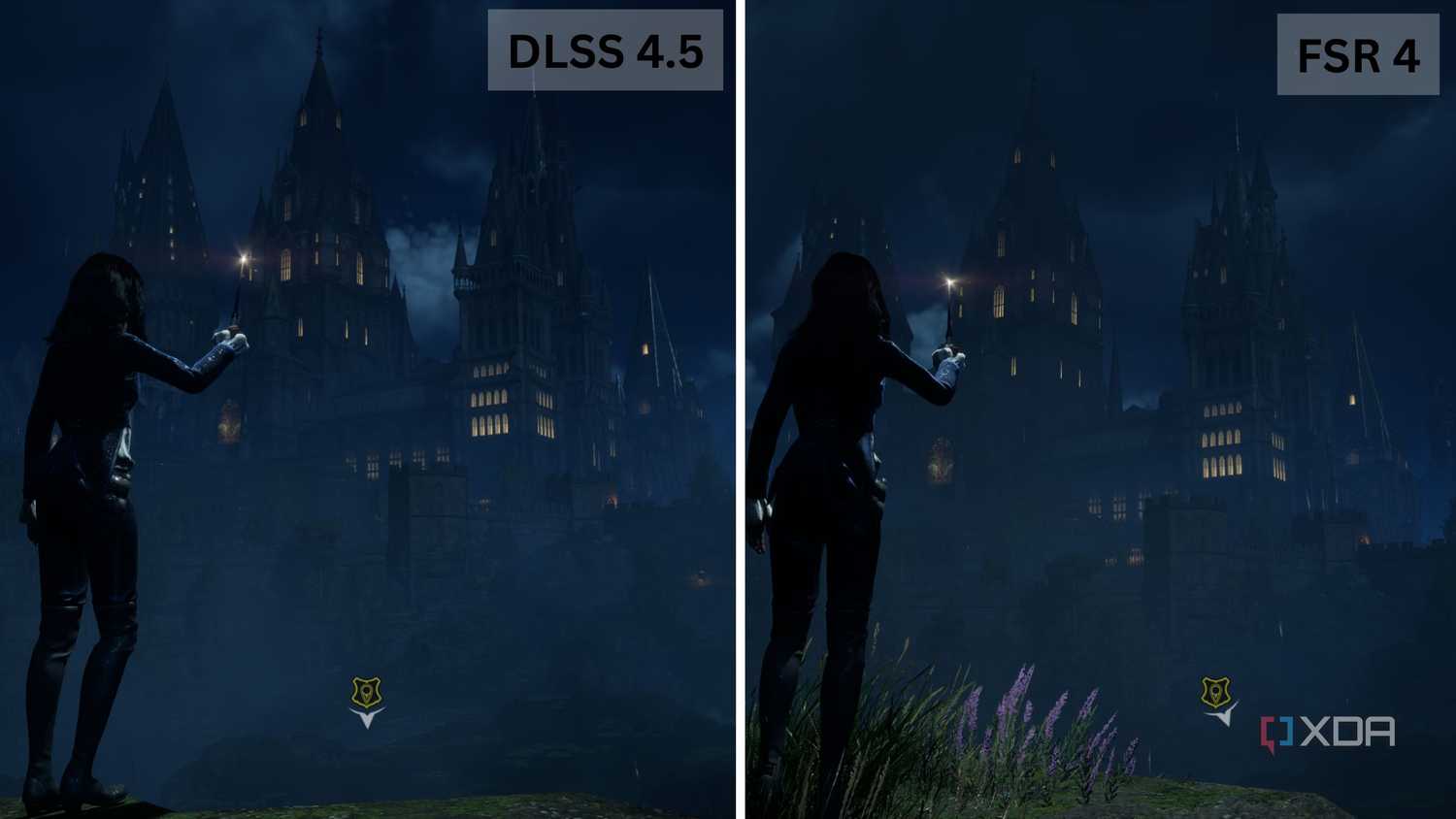
 Close
Close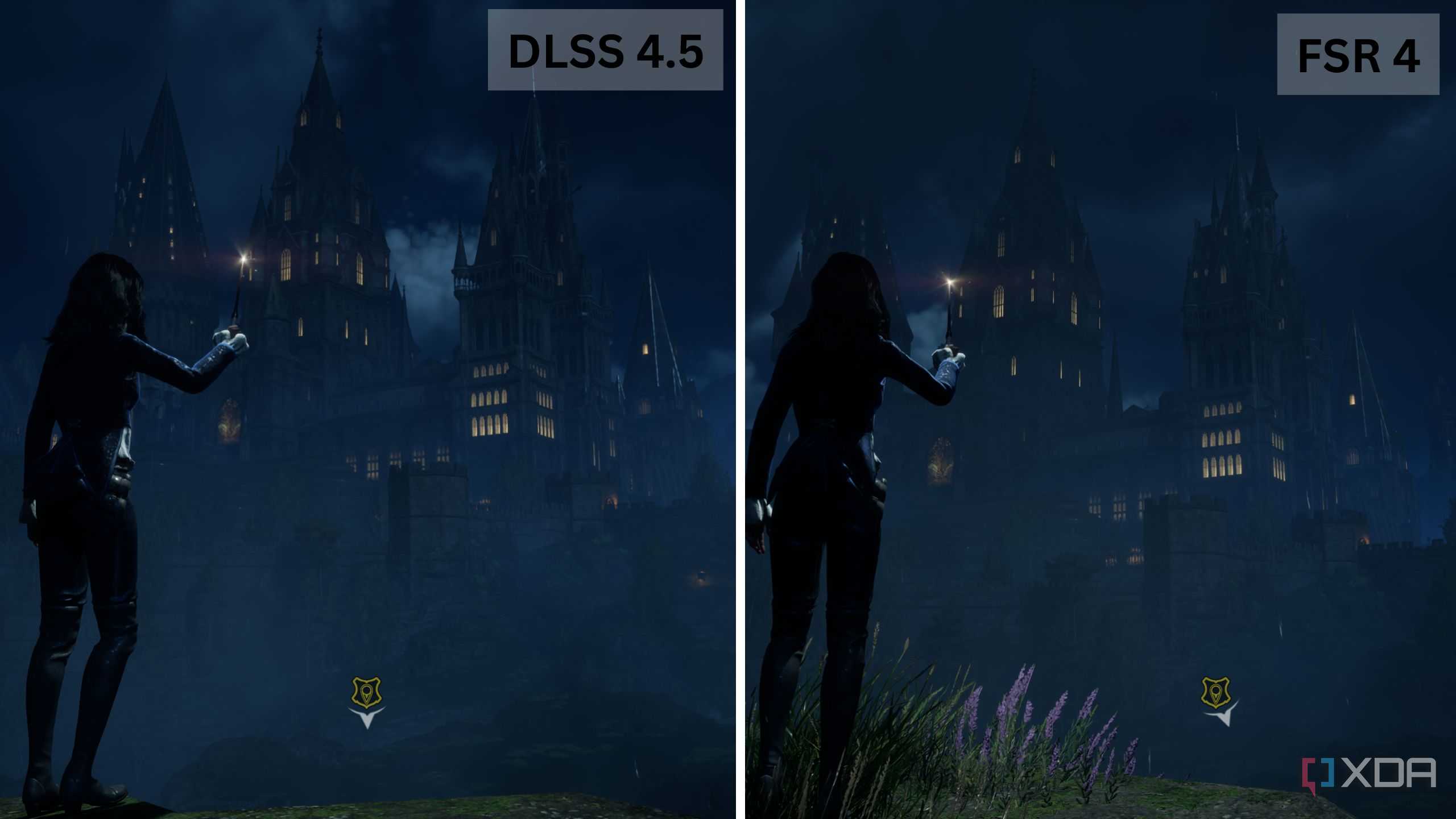






As Hardware Unboxed pointed out in one of its recent videos, Nvidia relies on new process nodes to improve its GPUs, but if that's taking longer and becoming more expensive than it used to, it has to rely on software features like upscaling and frame generation to buy more time. At this point, I wouldn't be surprised if Nvidia moves toward longer development cycles. Instead of releasing a new generation of GPUs every two years, it makes more sense to wait until a new process node can deliver a more meaningful leap in performance.
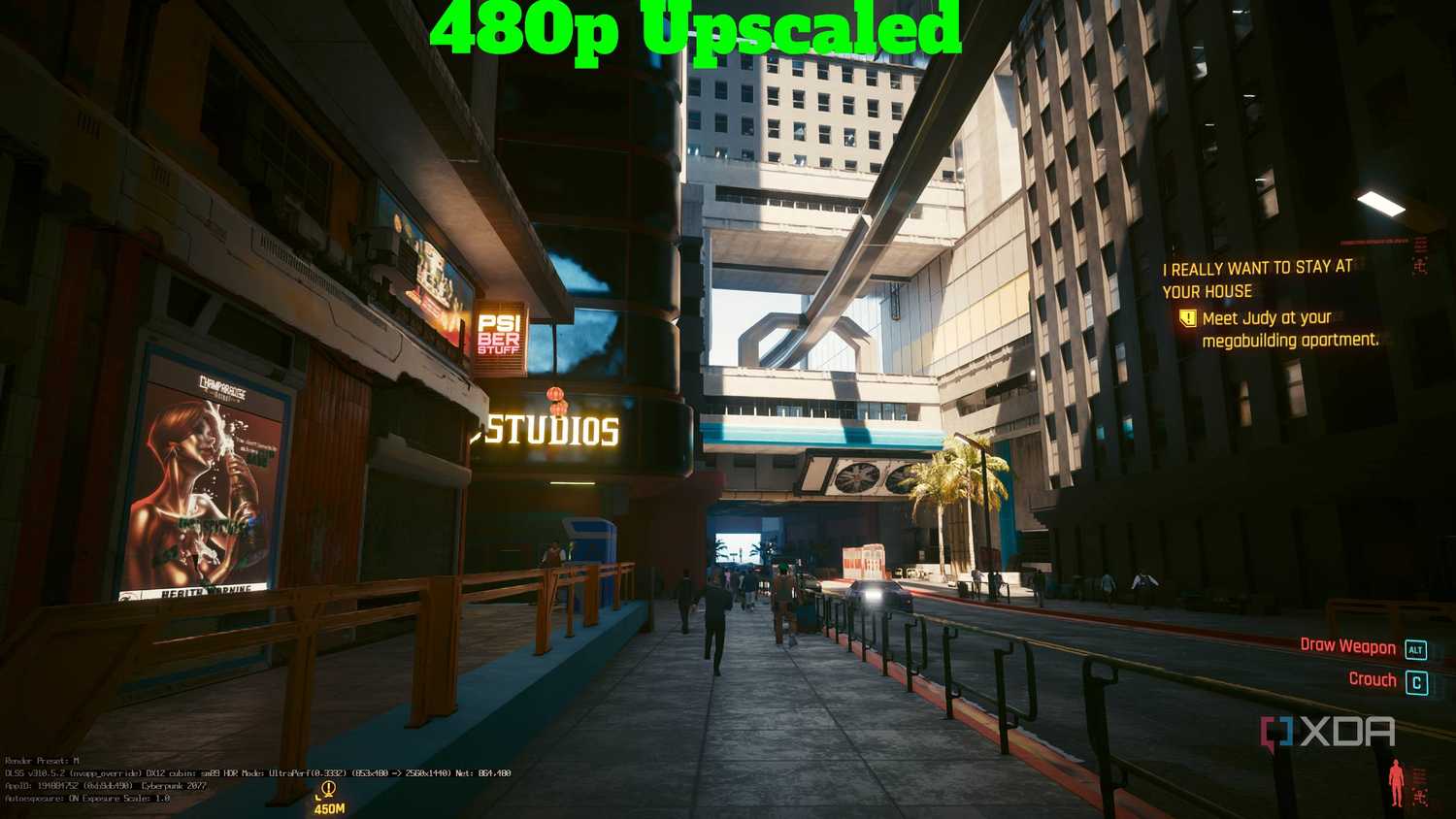
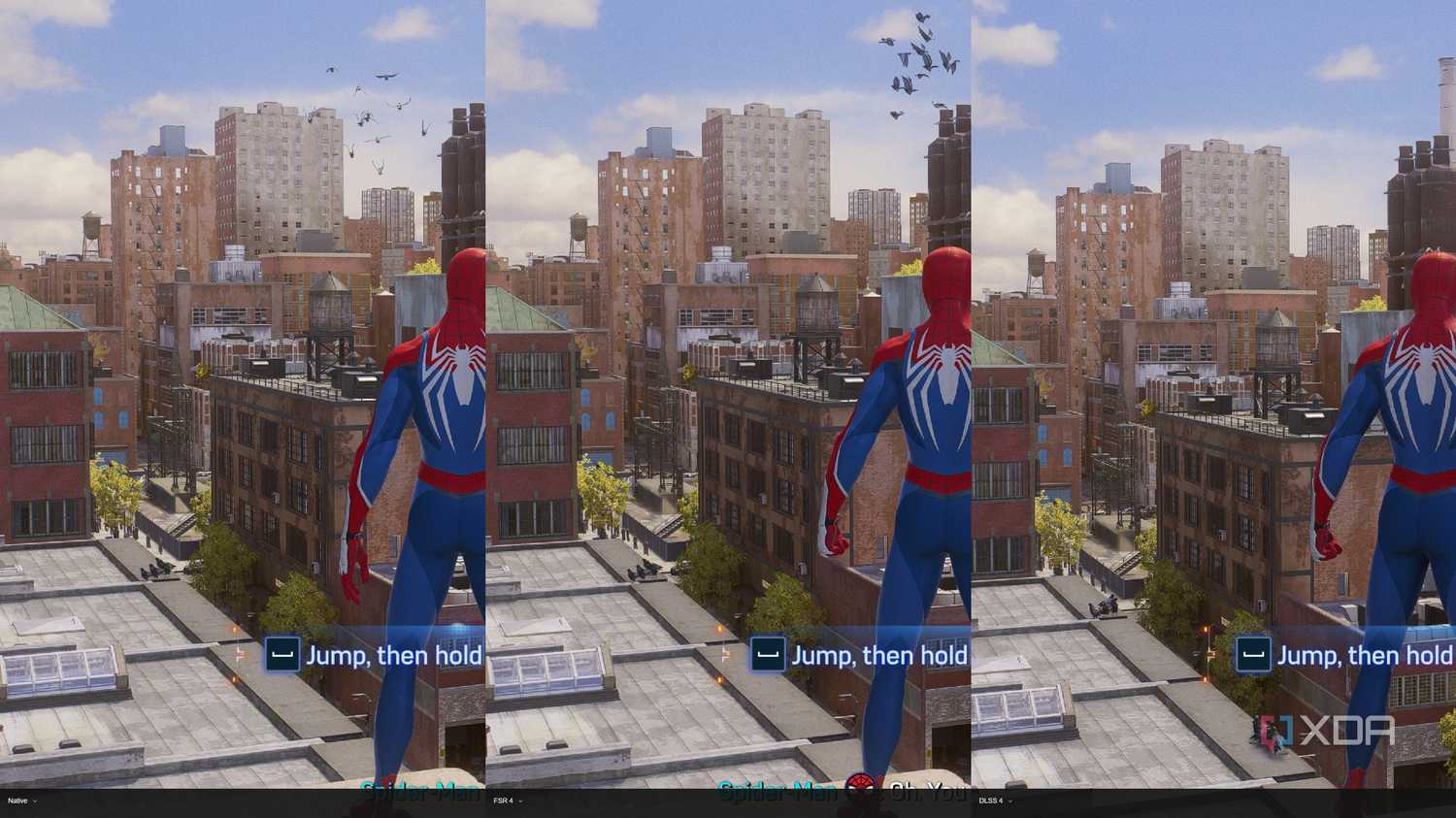
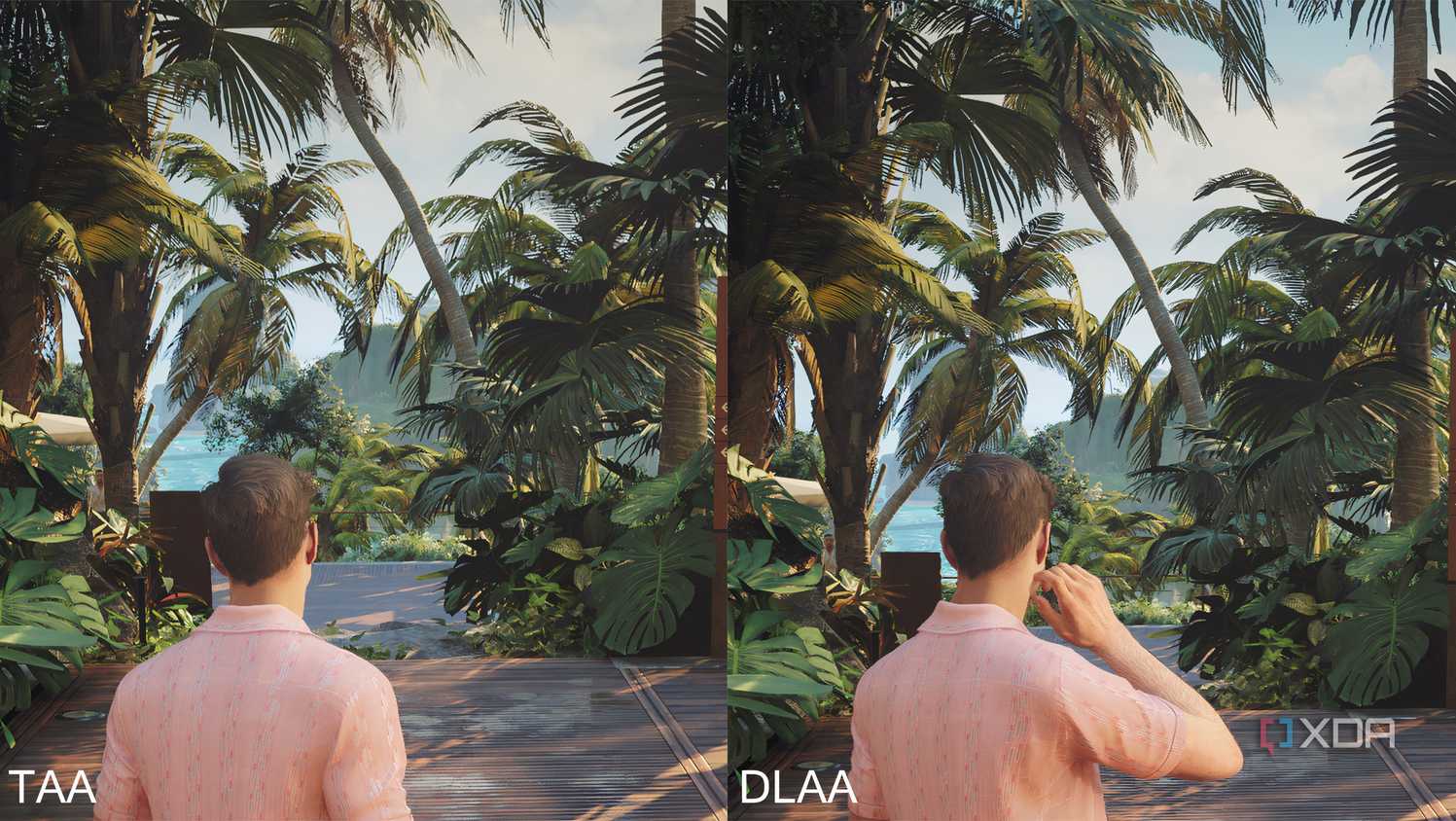
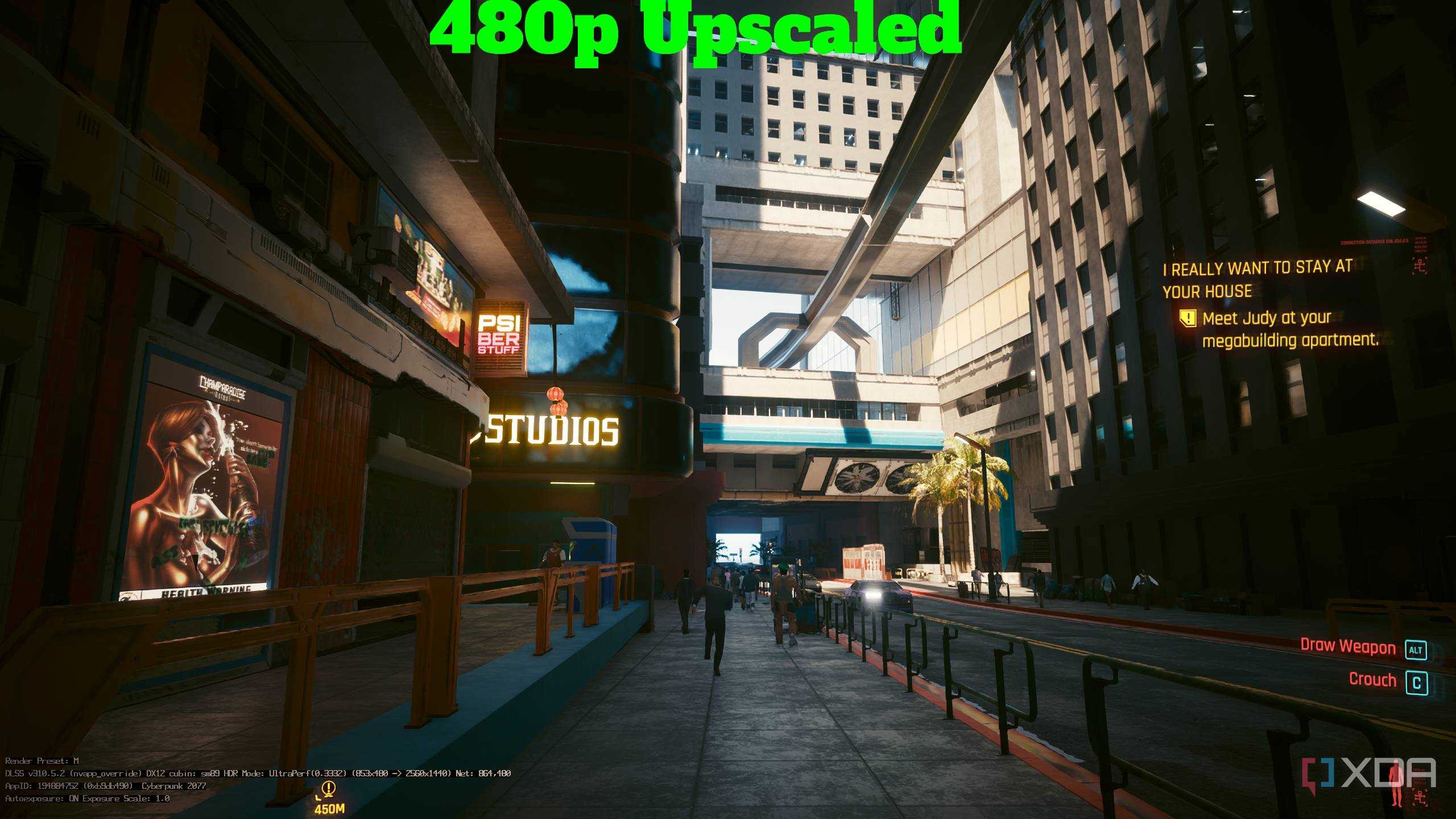
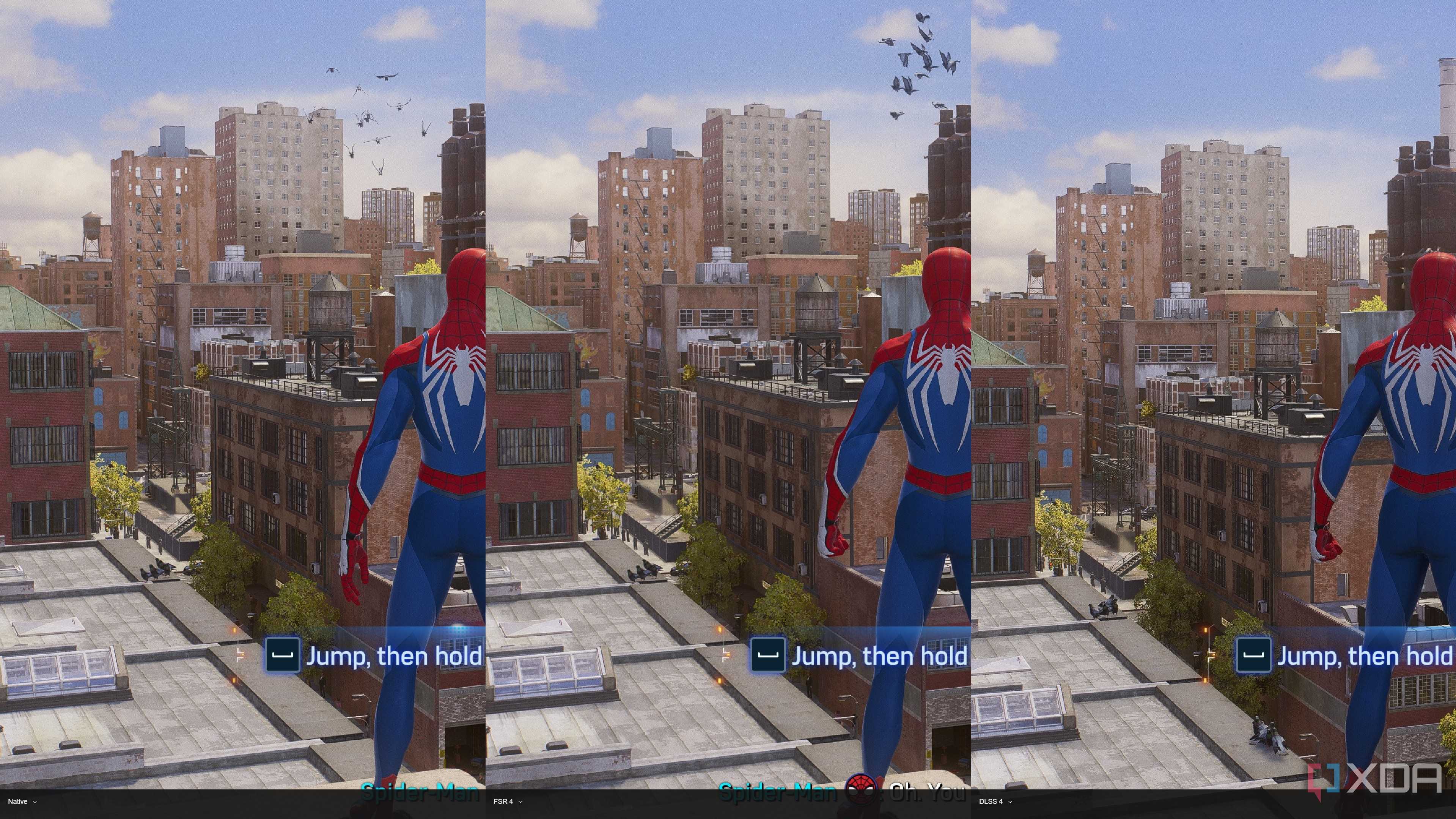
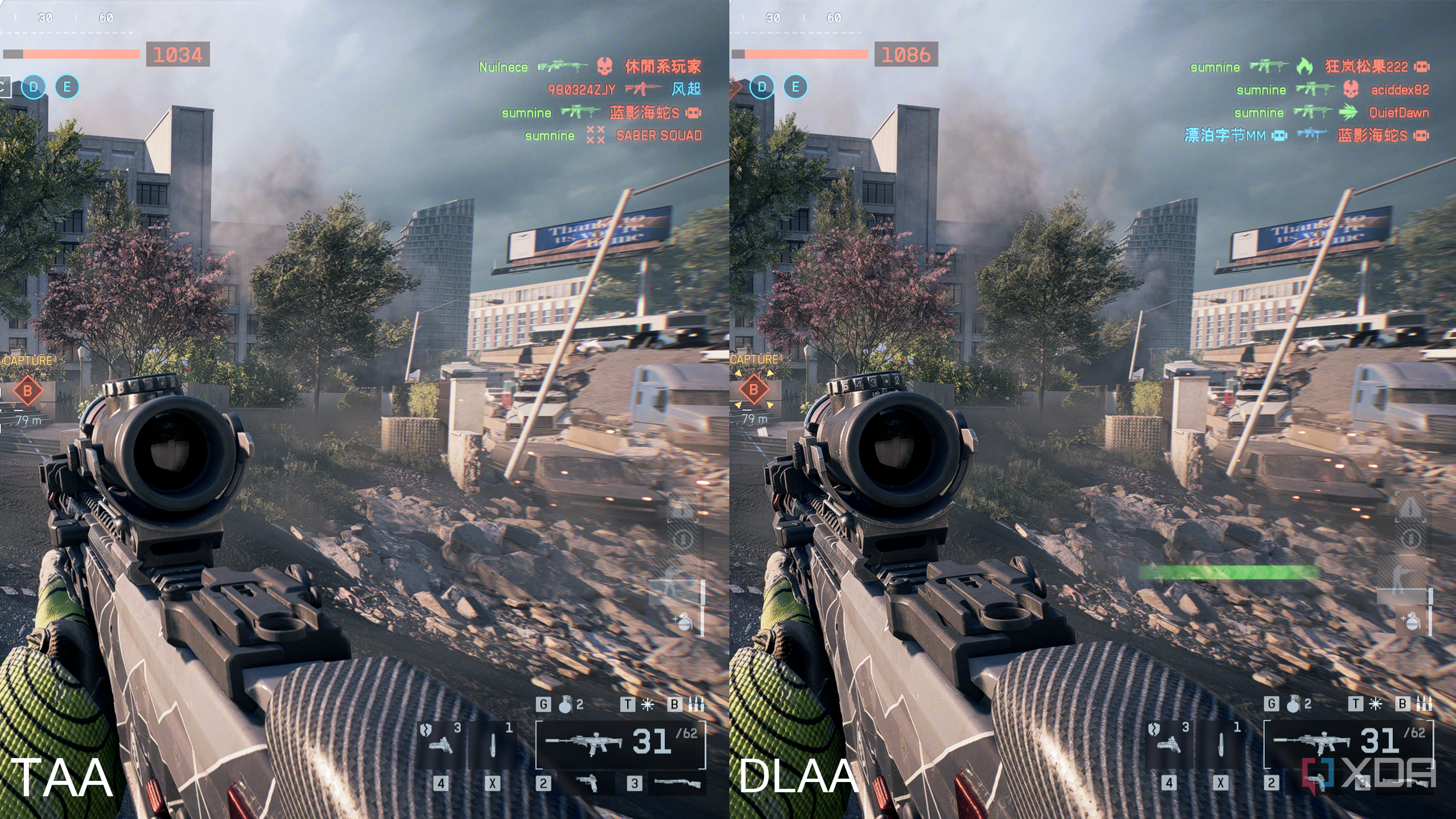
But instead of simply waiting, Nvidia has made huge improvements to DLSS over the last year and a half. Upscaling has reached a point where the image looks just as good as native 4K, and sometimes better than native with TAA enabled. We also have Dynamic MFG with up to a 6x multiplier for an even bigger FPS boost on RTX 50-series GPUs. Still, none of these features can replace raw performance. Frame generation, for instance, needs a strong base frame rate to be viable. Upscaling has made ray-traced games playable on mid-range GPUs, but as newer AAA titles get more demanding, we'll still need more powerful GPUs sooner or later.
Software can't make up for modest hardware improvementsAt the end of the day, gamers care more about raw performance than shiny new features like Multi Frame Generation. I'm sure if the RTX 4090 were still widely available today at a reasonable price, plenty of people would choose it over the RTX 5090. If anything, DLSS upscaling and frame generation have only convinced me to hold on to my 4090 for a couple more years. No matter how much Nvidia improves its software stack, native performance gains will continue to be the factor that convinces gamers to upgrade, whether Nvidia has a choice or not.
 Related
Comments (0)