Why Salon Suites Are Taking Over the Beauty Industry and Leaving Traditional Salon Owners Behind
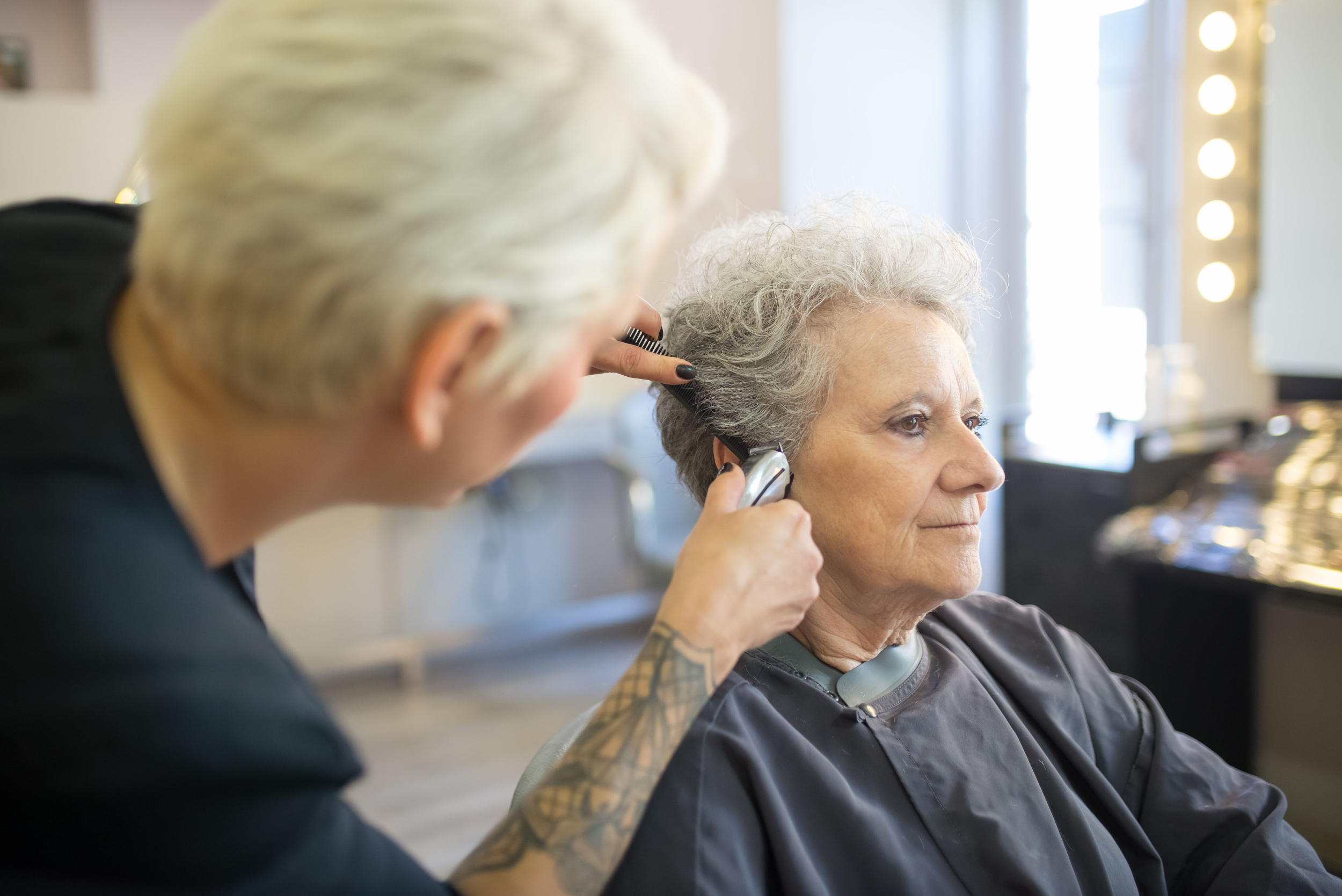
The rapid expansion of salon suite businesses is reshaping the economics of the US beauty industry, placing growing pressure on traditional salon owners. Instead of working under commission-based salon structures, more stylists are choosing to rent private suites and operate as independent business owners.Major operators including Sola Salon Studios, Phenix Salon Suites and Studio Salons in Draper have helped bring the concept into the mainstream, offering beauty professionals greater control over their businesses.According to information published by Sola Salon Studios and Studio Salons in Draper, demand for independent salon suites has grown as stylists seek more flexibility over pricing, scheduling, branding and client relationships.'I have been here for 15 years,' hairstylist Phoebe Call said while reflecting on how quickly the industry has changed.Why Stylists Are Choosing IndependenceIndustry observers say the appeal of salon suites extends well beyond financial independence.Rather than working as employees, stylists can choose their own product lines, create personalised service menus and build direct relationships with clients without the oversight of a traditional salon manager.The shift has encouraged many beauty professionals to view themselves as entrepreneurs and personal brands instead of employees.Social media has accelerated that transformation. Platforms such as Instagram and TikTok allow stylists to showcase their work, attract clients and build loyal followings independently, reducing their reliance on salon marketing or walk-in customers.
Industry publications including Modern Salon and Salon Today have also reported growing demand among younger beauty professionals for flexible working arrangements and independent business ownership.As booking decisions become increasingly influenced by online portfolios and short-form video content, clients are often choosing individual stylists rather than the salon itself.Traditional Salons Face New ChallengesThe rise of salon suites has forced many established salons to rethink longstanding business models.Traditional salons typically rely on commission structures, shared branding and centralised client management. However, rising operating costs, staffing shortages and changing workforce expectations have made it more difficult to retain experienced stylists.Many professionals now see commission-based models as restrictive because they limit earning potential and flexibility.Salon owners also face the cost of continually recruiting and training staff, while higher turnover can disrupt long-term client relationships that are central to their businesses.Private salon suites are also attracting clients looking for more personalised, one-to-one experiences, making it harder for larger salons to compete on convenience and service alone.In response, some salon owners are introducing hybrid models that combine commission, booth rental and flexible scheduling to improve retention.Others are investing in social media training, co-branding opportunities and even in-house content creation spaces to help stylists grow their personal brands while remaining part of the salon.
The Industry Is AdaptingAnalysts suggest the beauty industry is gradually splitting into two distinct business models.One is centred on independent micro-businesses operating from private salon suites. The other focuses on larger salons offering broader services, staff development, education and higher-touch customer experiences.Technology has also helped accelerate the shift. Online booking platforms, automated scheduling systems and digital payment services have made it easier than ever for stylists to manage their own businesses with relatively little administrative support.At the same time, clients are becoming increasingly loyal to individual stylists rather than physical salon brands, often following professionals as they move between locations.A Structural Shift Rather Than a Passing TrendIndustry experts increasingly describe the rise of salon suites as a structural change rather than a short-term trend.As personal branding, social media and digital business tools become more influential, the traditional relationship between salon owners and stylists continues to evolve.Many salon owners are adapting by offering more flexible working arrangements and revising commission structures, but observers suggest these changes may only partially offset the broader move towards independent business ownership.Rather than signalling the decline of traditional salons, the growth of salon suites appears to be creating a more diverse beauty industry, where independent studios and established salons increasingly serve different business models and client expectations.