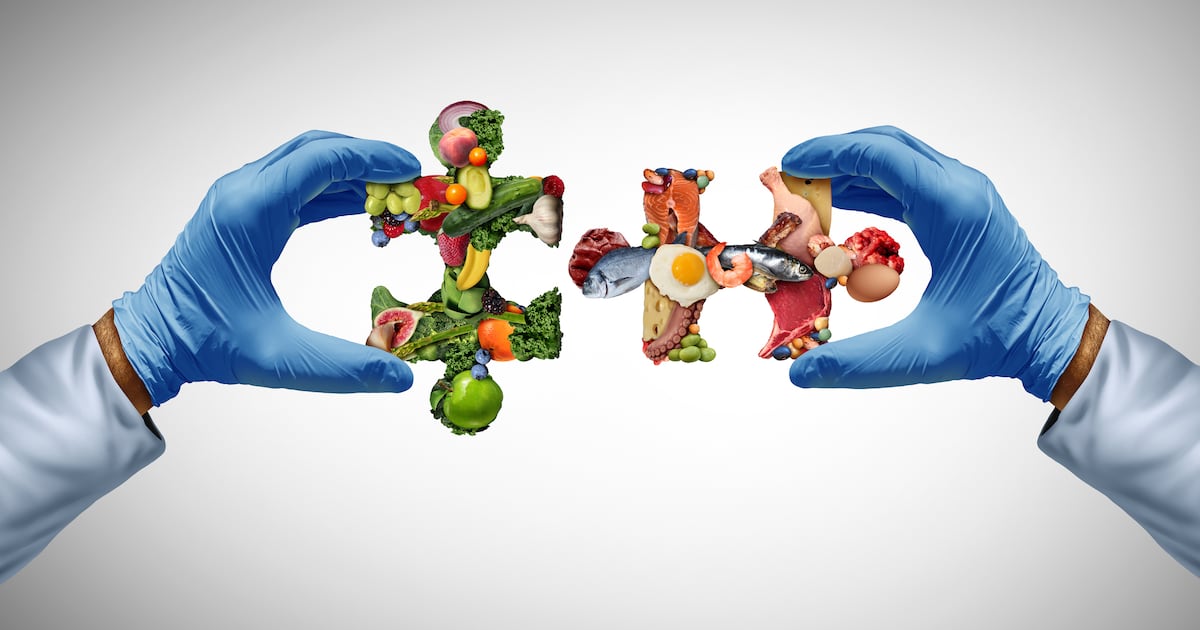
The governments of South Korea and Japan are making a serious bid to take the lead in the global food-tech industry, investing billions in this new arms race
There can be no doubt that the evolution of food-focused technologies worldwide has been taking place at a far more accelerated pace over the past year than ever before, from the integration of AI into work operations to the growth of novel innovations such as cultured meat and other products.
That said, a common bottleneck faced by many food-tech pioneers has been funding and a lack of cohesive government support, which has in turn led to many forms of promising technologies having to either proceed painfully slowly or halt entirely.
Perhaps surprisingly, dedicated all-out governmental support for the food-tech industry is taking shape in the Far East, where South Korea and Japan are pouring in millions and billions to develop this sector, in addition to establishing concrete laws and policies to support growth.
The landscape of smart food labelling has seen rapid evolution globally, but some markets are moving faster than others
At the forefront of this shift has been the rise of QR codes for food labelling, through which food and drink manufacturers can provide a wealth of information about their products from ingredients, nutritional value, allergens, storing instructions, and cooking details directly on the label.
At present, there is a move globally to use QR codes to provide that all important information including nutritional details, but adoption has a mixed picture across the globe influenced by a variety of influences from culture to legislative knowledge to territory.
In this area, APAC is leading the way with many countries in the region introducing regulations to support the use on food packaging.
Yili is blending traditional Chinese medicine (TCM), flavour innovation and age-friendly design to for elderly nutrition products in China’s ageing market
Developing products for older adults requires far more than delivering nutritional benefits – consumer acceptance also depends on taste, product positioning, and ease of use.
“In China, if a product doesn’t taste good, people won’t be buying it again,” said Yili Group Vice President Ignatius Szeto.
“So we have to think about nutrition, taste, and the emotional value and meaning of the product for consumers.”
A Peruvian gene-hunt has rewritten the cacao family tree, handing breeders fresh raw material just as disease and extreme weather squeeze the world’s cocoa supply
Chocolate has had a rough few years. Cocoa prices have lurched from record to record, driven by flooding in West Africa, disease outbreaks and a climate that no longer plays fair with farmers.
Much of that volatility traces back to a narrow genetic base: growers worldwide rely overwhelmingly on a small number of high-yield varieties. Plant the same handful of tree types across millions of hectares and a single blight, drought or storm can wipe out a season’s harvest in one go.
That’s why a new study in PLOS One deserves attention.
Taiwanese company TCI says the next frontier of probiotics is not drawing more correlations between the gut and other organs, but tracing what travels between and building a more complete evidence chain.
At our recent Growth Asia Summit 2026, Lucas Chang, R&D Manager (Human Microbiome) at TCI, emphasized that advanced probiotic delivery must evolve from resolving a logistics issue to addressing biological challenges.
“For a long time, probiotic delivery had a very clear engineering logic — protect the microbe from harsh conditions, keep it viable through transit, and release it into the intestine. Success was often defined by one event: survival and arrival,” Chang said.
“But arrival is only the beginning. What happens next depends on context, ecosystem, and function. The real advance in gut-axis science (gut-brain, gut-liver, gut-skin, gut-muscle) is not drawing another arrow; it is being able to trace biology.”