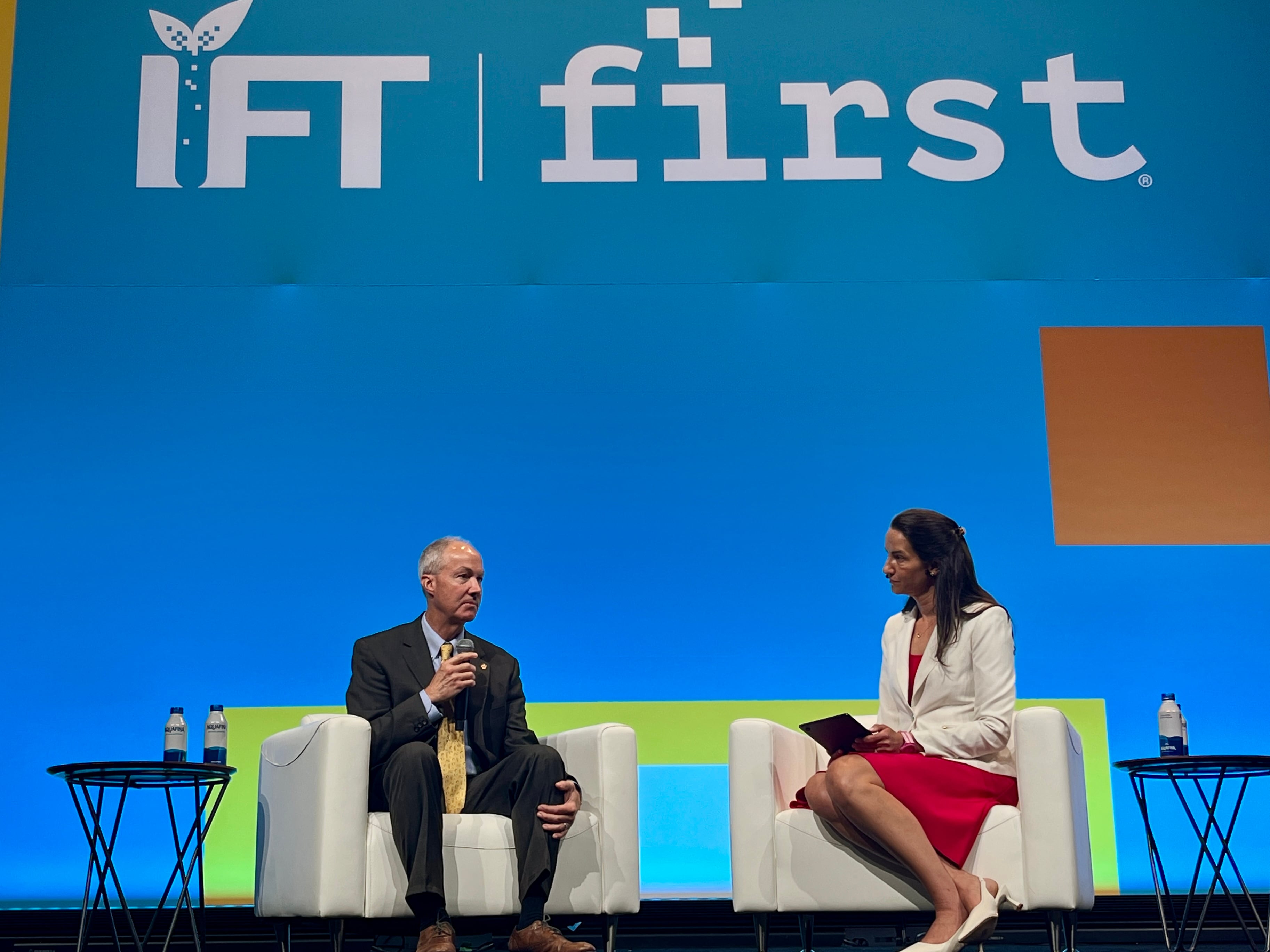
The strategy was recently given the go-ahead by the UAE cabinet, and is a major collaborative project between the UAE Food Cluster and the local Ministry of Health and Prevention (MOHAP).
This is being positioned as a comprehensive framework to improve the nation’s overall nutritional health, reduce the burden of diet-related disease and promote a more resilient population.
The strategy was put into place after the country’s first National Nutrition Survey recently revealed grim public health and nutritional statistics, and a separate economic feasibility study showed that billions of dirhams were being spent on public health issues.
“The survey showed that 54% of the adult population in the UAE has high blood cholesterol, 26% have high blood pressure, 22% have obesity and 12% have high blood sugar. We also saw that 16% of children in the country suffer from obesity,” Director of the Health Promotion Department at MOHAP Nouf Khamis Al Ali told the floor at a recent UAE Food Cluster event introducing the strategy to industry stakeholders.
“It has also become very clear that when it comes to health, the UAE has a lot of issues that need to be tackled when looking at the lifestyle risk factors. The most serious is sodium, where 96% of the population exceeds the World Health Organisation recommended sodium intake, coming up to 5000mg daily consumption compared to the recommended 2000mg.”
Other key survey findings:
56% of the population exceed recommended fat consumption
27% exceed recommended sugar intake
27% consume at least one sugar-sweetened beverage daily
60% are not performing at least 150 minutes of physical activity weekly
Average daily energy intake: 2,800kcal
Diving into the specific initiatives that are part of this strategy, she stressed that the priority will be for these to reflect the needs of UAE consumers and the challenges that both consumers and industry face locally.
“The framework will look at three main pillars: Shifting the food sector towards healthier alternatives, Raising awareness of appropriate dietary patterns, and Strengthening preventive health via nutrition,” Khamis Al Ali said.
“Some of the major items already in play are a major food reformulation project as well as the second phase of sugar taxation focused on sugary drinks and energy drinks; the development of healthy nutrition guidelines that reflect UAE needs; providing supplements to address vitamin and mineral deficiencies in the population based on the nutritional survey results; and food fortification with these micronutrients as well.”
Framework for implementation:
Shift in food sector towards healthier alternatives:
-Ban Partially Hydrogenated Oils (PHOs) in food
-Food reformulation – major project underway
-Second phase of taxation on SSBs and energy drinks – started early 2026
-National Food and Beverage Pledge
-Regulating marketing and advertising of unhealthy foods targeted at kids
Raising awareness of appropriate dietary patterns
-Health promoting retails
-Nutrition info on food menus
-Healthy nutrition guidelines – ensure reflect UAE needs
-Healthy restaurant initiative
Strengthening preventive health through nutrition
-Promoting health of children under five – early discovery of health issues related to nutrition and early intervention
-Providing supplements to address vitamin and mineral deficiencies – based on results of NNS
-Food fortification with vitamins and mineral to solve issues such as micronutrient deficiencies
In general, most UAE adults and children face health issues caused by diets that are high in sodium but low in micronutrients like calcium, folate, zinc and various vitamins.
“We also know that some 55% of deaths in the UAE are accounted for by non-communicable diseases (NCDs), and 34% of these are due to cardiovascular disease alone,” she added.
“This has translated into over AED40bn (US$10.9bn) spent on treating and managing these health issues, which has placed growing burden and increasing pressure on our healthcare system.”
This has been a powerful driver for the National Strategy for Healthy Nutrition 2031, as economic feasibility studies have shown that government investments in evidence-based interventions to reduce salt consumption, improve dietary patterns and increase physical activity will offer for a total of some AED1.45bn (US$394.8m) in projected savings over 15 years.
There are also plans to strengthen institutional readiness by improving the food quality in educational and public institutions, and developing regulatory infrastructure such as a National Nutrition Surveillance system and a database to compile the nutritional compositions of local dishes.