World Bank economist warns prolonged U.S.-Iran conflict could fuel inflation, slow global growth
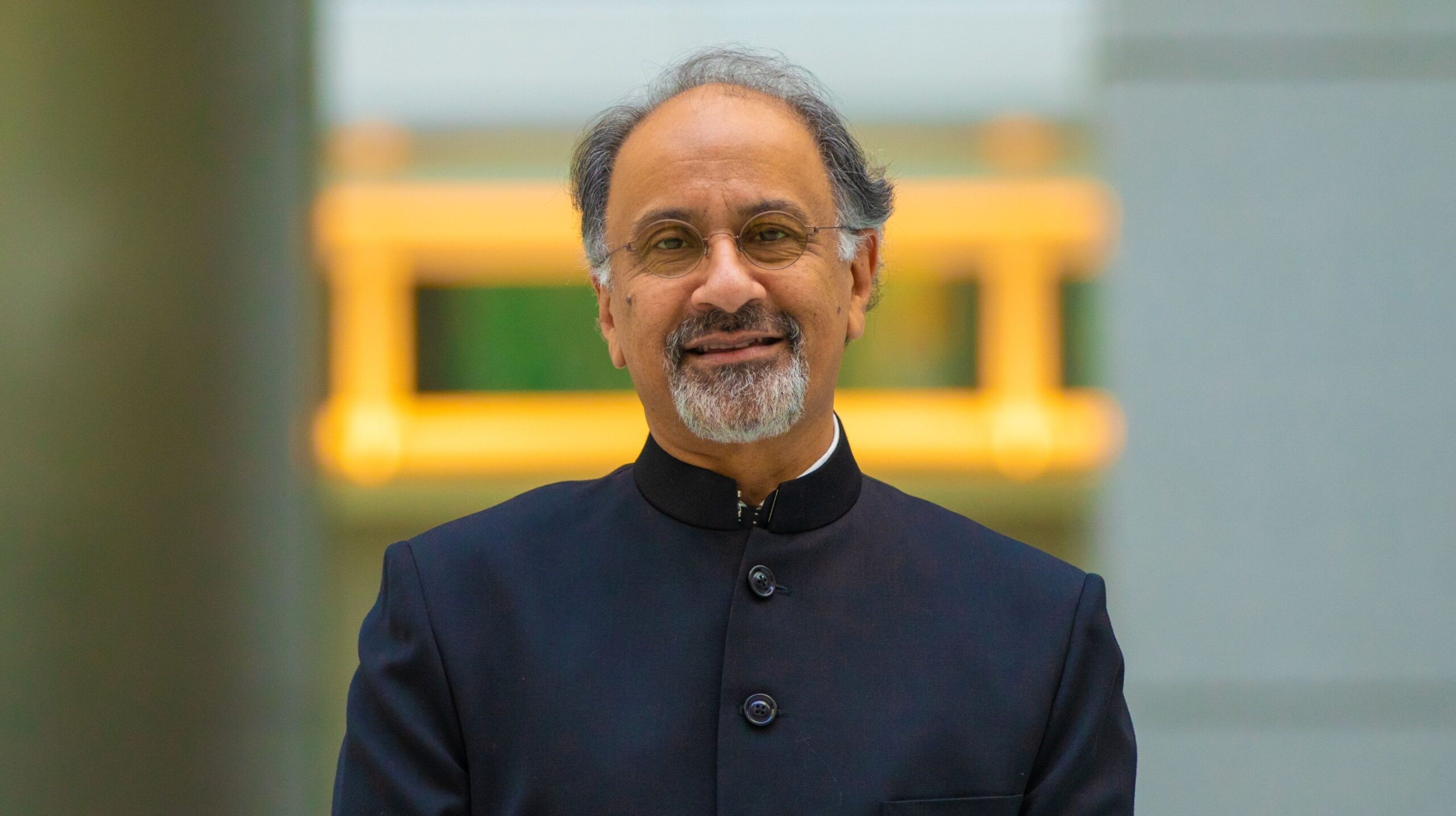
Amman, July 22 (Petra) - World Bank Chief Economist Indermit Gill
said on Wednesday that escalating hostilities between the United
States and Iran could fuel inflation, push up interest rates, and
reduce global economic growth to 1.3% from the previously projected
2.9%.
In an interview with Reuters, Gill said the World Bank outlined three
possible scenarios in its June economic forecasts because of the high
level of uncertainty surrounding the conflict in the Middle East.
He said the worst-case scenario, under which the conflict continues
for six months or longer, is becoming increasingly likely and would
drive global inflation to 4.5%.
Gill said a prolonged conflict and damage to the region's oil
infrastructure would also deepen global food insecurity by disrupting
shipments of fertilizers, helium and sulphur needed for agriculture,
triggering secondary effects that could include higher interest
rates.
He warned that poorer countries that have yet to recover fully from
the COVID-19 pandemic could face worsening food insecurity, while
heavily indebted countries would be hit by rising borrowing costs as
interest rates increase, placing additional pressure on spending for
education, healthcare and other essential public services.
"Once inflation accelerates, it may take only a few months before
heavily indebted countries face serious difficulties in meeting their
debt-service obligations," Gill said.
The World Bank's June projections showed that 40% of low- and
middle-income countries are already in debt distress or face a high
risk of falling into it.
Gill said this currently applies to 32 countries but warned that the
number could rise rapidly if interest rates continue to increase.
//Petra// AF