
Remember me
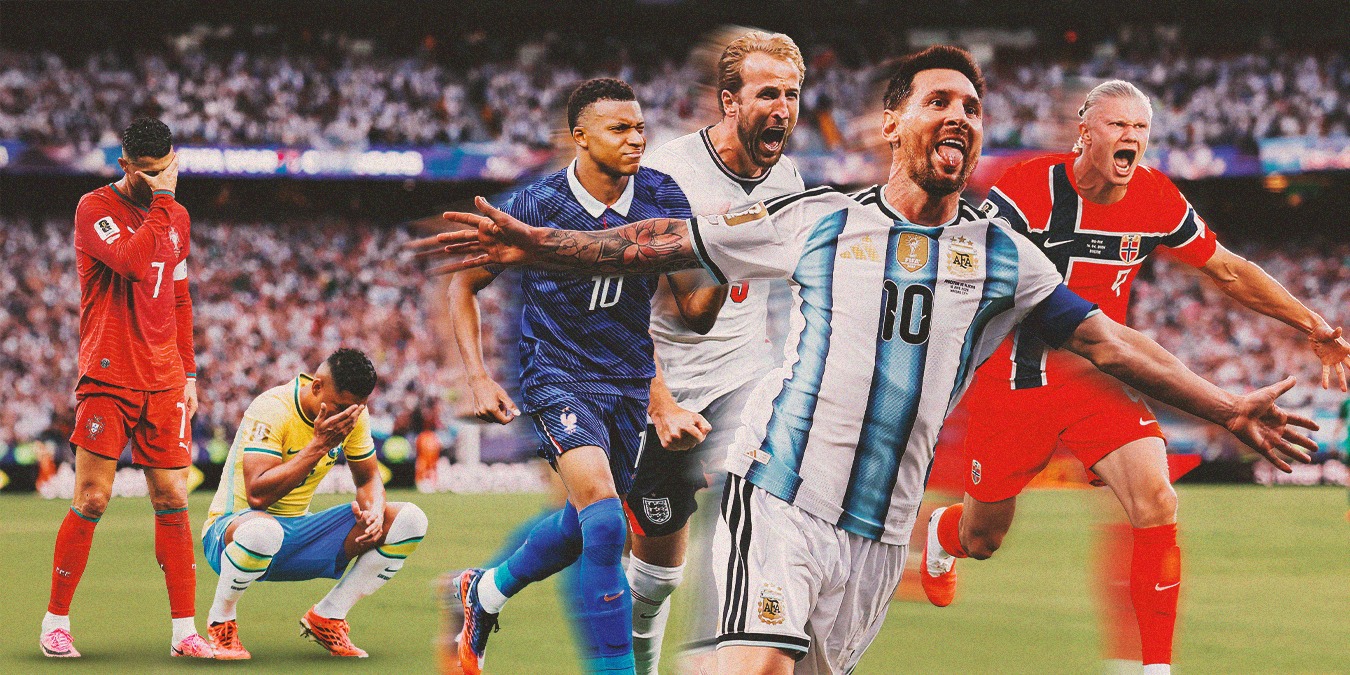
After the conclusion of a memorable 2026 World Cup, we look at four key themes for which the tournament will be remembered.
The 2026 World Cup is over. Spain are champions.
After a marathon run, we have reached the end of the biggest international tournament ever played, completed on Sunday as Argentina fought as hard as they could – maybe a little too literally – but could not prevent Spain taking their title as world champions.
The WOrld Cup final

So, how can these 104 World Cup matches best be summarised? What are the themes from the 2026 World Cup that will live long in the memory?
Here, we pick out four things this World Cup should be remembered for.
GoalsWith there being so many more games at the expanded 2026 edition, we were always going to see a record number of goals. Indeed, in the 104 games, 308 were scored, which is a mammoth 136 more than at any other World Cup (from 40 more games than any other tournament).
But on a per-game basis, this was still the most productive World Cup in a couple of generations, with more goals scored (2.96 per game) than at any other tournament since 1970 (2.97).

It wasn’t this way from the start, though. The 2026 World Cup took a while to get going, with 10 of the first 15 games producing at most two goals. However, once the floodgates opened, they didn’t stop.
Part of the reason for so many goals being scored was the expanded tournament creating more and greater mismatches. There were big wins for Germany over Curaçao (7-1), Canada over Qatar (6-0), Portugal over Uzbekistan (5-0), Senegal over Iraq (5-0), and Belgium over New Zealand (5-1).
But that wasn’t the sole reason for the increase in goals. Attacking football was common and high-quality, while some of the defending was less so, leading to plenty of high-scoring games, including England 4-2 Croatia, Turkey 3-2 USA, Morocco 4-2 Haiti, Sweden 5-1 Tunisia and Algeria 3-3 Austria. And those were all in the group stage.
The World Cup knockout rounds can often produce cagey affairs, but the flow of goals did not slow down much. Three of the eight last-16 games produced five goals each, while the four quarter-finals saw a total of 12 goals.
The third-place play-off brings rather less peril but is still an official match, and this year’s was one of the highest-scoring games in World Cup history, as England beat France in the first 6-4 scoreline the competition has ever seen.
High-quality finishing also played a part: now that Opta have detailed data on every World Cup going back to 1966, we can say that the 2026 tournament had the best finishing of them all.
If you exclude own goals (which have no xG value), 294 goals were scored from 271.3 xG, which is by far the biggest overperformance at any World Cup on record. In fact, it is the only one to have a positive difference between goals and expected goals. At every other World Cup, the finishing has been below average, and at this one, it was some way above it.

It wasn’t just the best goalscorers who finished their chances expertly, but there were a few very noteworthy individuals who more than played their part…
Historic Golden Boot RaceThe best players don’t always perform at World Cups. It took four tournaments, for example, for Lionel Messi to really take the competition by storm.
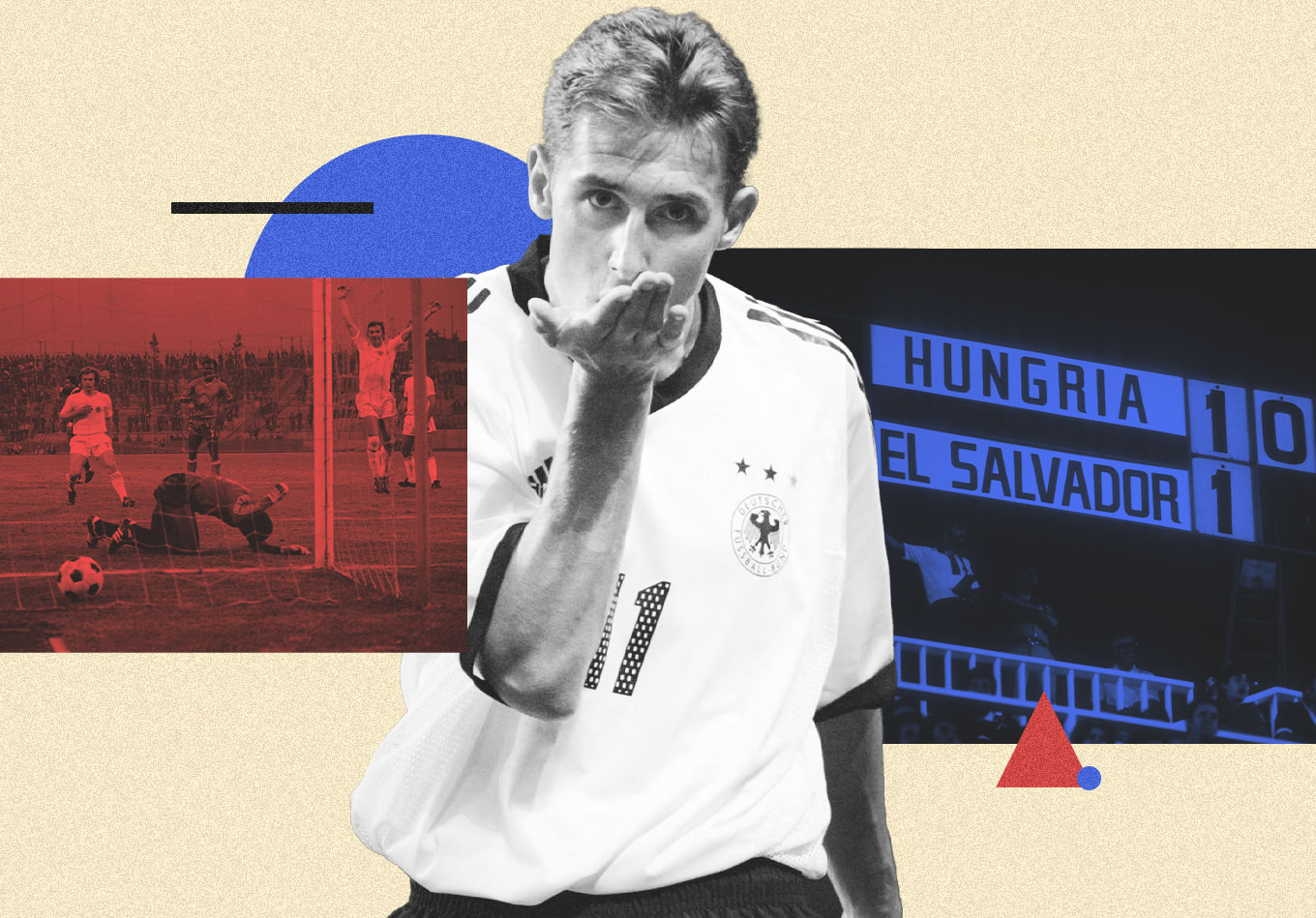
By the same stretch, it isn’t always the players you’d expect who win the Golden Boot. None of Davor Šuker in 1998, Miroslav Klose in 2006, or James Rodríguez in 2014 were the world’s best goalscorer when they topped the goal charts at those tournaments.
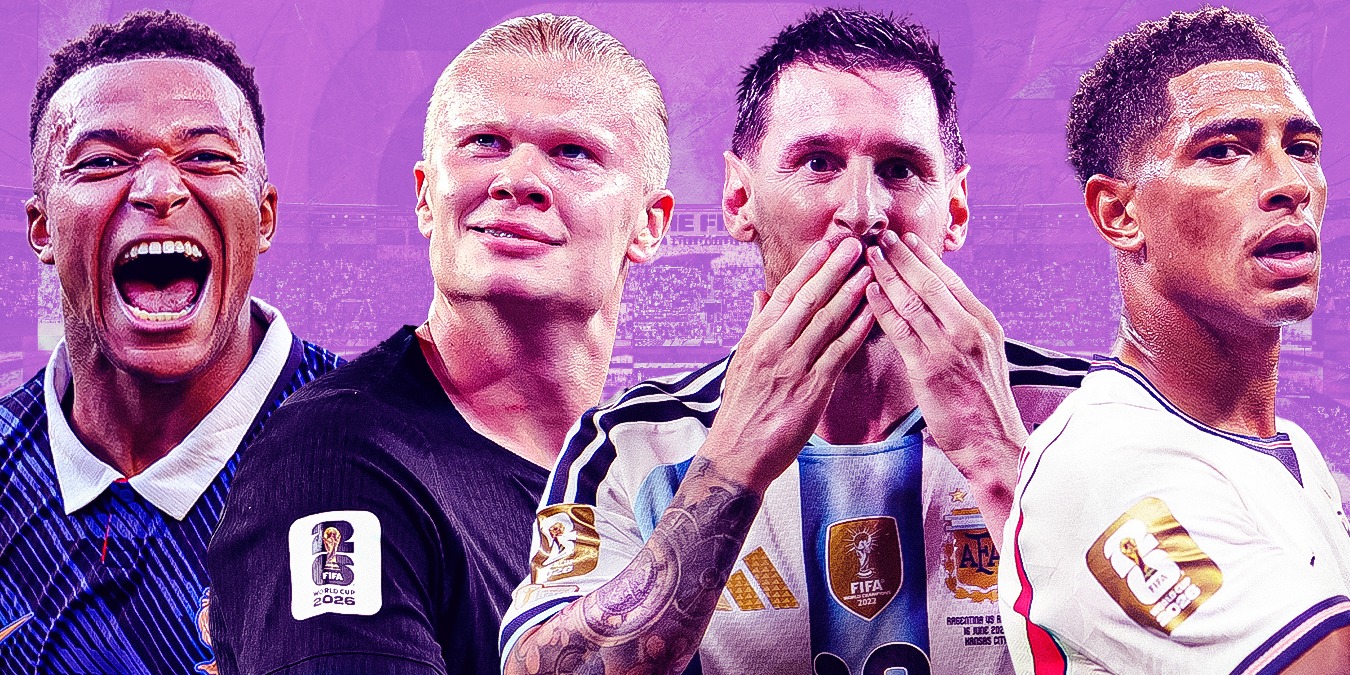
But 2026 has been different. It isn’t just that one of the best goalscorers in the world won the Golden Boot in Kylian Mbappé – as was the case with Harry Kane in 2018 and Mbappé in 2022 – but this time, all of the best goalscorers turned up. This was the best Golden Boot race the World Cup has ever seen.
Messi set the early pace with his hat-trick against Algeria in Argentina’s opening match, but Kane, Mbappé and Erling Haaland weren’t to be left far behind, all netting braces in their first game.
 Jonathan Manuel / Data Analyst
From then on, it was a colossal battle, which Messi led from the front but never quite managed to pull away. After scoring in each of Argentina’s first five games, he failed to add to his eight goals in the final three matches. That opened up an opportunity for others.
Jude Bellingham was never really in contention to win the Golden Boot, but he still stormed past Kane to finish level with Haaland on seven. Mbappé, meanwhile, hit a brace in the third-place play-off to become just the fourth player ever to score 10+ goals at a single edition of the World Cup.
Goals galore

It had looked as though, in this expanded World Cup, an individual might challenge Just Fontaine’s record of 13 goals scored at a single tournament, but in the end, nobody came close.
But it was still an exciting battle contested by many of the best attackers in world football.
Penalty MissesStrangely, considering the finishing at this tournament was so good, penalties proved a real problem.
At the 2026 World Cup, just 41 of 62 spot-kicks – both in normal play and shootouts – were successfully converted (66.1%). That is the lowest conversion rate at any World Cup on record (since 1966).

Shootouts were packed with misses, at least in part because centre-backs were asked to take so many penalties. They took 11 at this World Cup and scored just five of them (45.4% conversion).
But defenders were far from the only reason that the penalty conversion rate was so low. Many great players missed from the spot.
Messi missed both of his. Mbappé saw one of his two saved. Kai Havertz missed one of the two he took. Achraf Hakimi, Justin Kluivert and Bruno Guimarães also all failed.
Kane and Granit Xhaka were the only players to take more than one penalty and score both, and even Kane failed with his first attempt (vs Croatia), only to be allowed to retake it – and score – due to encroachment from an opponent. So, he only just counts.
The pressure of the World Cup clearly plays a part when players step up to take a penalty. There isn’t a single season in any of the top 10 European leagues in the last 20 years (since 2006) in which the penalty conversion rate was as low as it was at the 2026 World Cup.
But even with that added pressure, it was curious to see so many big names and technically-gifted players, usually expert finishers, fail from the spot this summer.
OldiesAt this World Cup, four new entries were made into the top 10 oldest players in World Cup history, with Cristiano Ronaldo, Guillermo Ochoa, Luka Modrić and Edin Džeko all taking to the field.
Manuel Neuer, Vozinha and Fernando Muslera all also made appearances, making that seven players at the 2026 World Cup aged 40 or older. Before this tournament, only seven players were on record (since 1966) as having made a World Cup appearance after turning 40. So, the total doubled this summer.
Golden Oldies


Four new entries also took their place in the list of the top 10 oldest goalscorers the competition has ever seen, as Ronaldo, Messi, Ivan Perisic and Marko Arnautović all found the net.
Messi also broke the record as the oldest player ever to score a hat-trick at the World Cup. Meanwhile, a 43-year-old Craig Gordon went to North America as part of Scotland’s squad, though didn’t make an appearance.
This might be the World Cup that breaks new ground on this front. Players are clearly more capable than ever of playing further into their careers, thanks in part to advancements in sports science and player nutrition. At this tournament, teams showed that they are not afraid of picking the oldies. The average age of the starting XIs at this World Cup was higher than every other tournament since 1966, continuing a trend of teams and players getting older.

Not all of them were successful. Ronaldo was at the centre of a debate as to whether he should be playing for Portugal at all, while Muslera had a largely disappointing time for Uruguay. He asked to be substituted at half-time after a big mistake for what turned out to be Spain’s winning goal in their group-stage meeting.
But then, Vozinha was a sensation for Cape Verde, and Messi was one of the players of the tournament. On Sunday, he was awarded the Silver Ball, missing out to Spain’s Rodri for the player of the tournament award.
Messi is admittedly a bit unique, but he has shown the value that players can still have at the wrong end of their 30s, very nearly single-handedly taking Argentina to glory.
Given just how incredible he has been at 39 years of age, it’s natural to wonder what the chances are that he’ll still be around in four years’ time. It’s unlikely, but he’d previously said the 2022 World Cup was going to be his last, so who knows?
Either way, in 2030, we’ll likely see even older players and goalscorers, and more of them.

Enjoy this? Add Opta Analyst as a preferred source by clicking here.
Subscribe to our football newsletter to receive exclusive weekly content. You should also follow our social accounts over on X, Instagram, TikTok and Facebook.