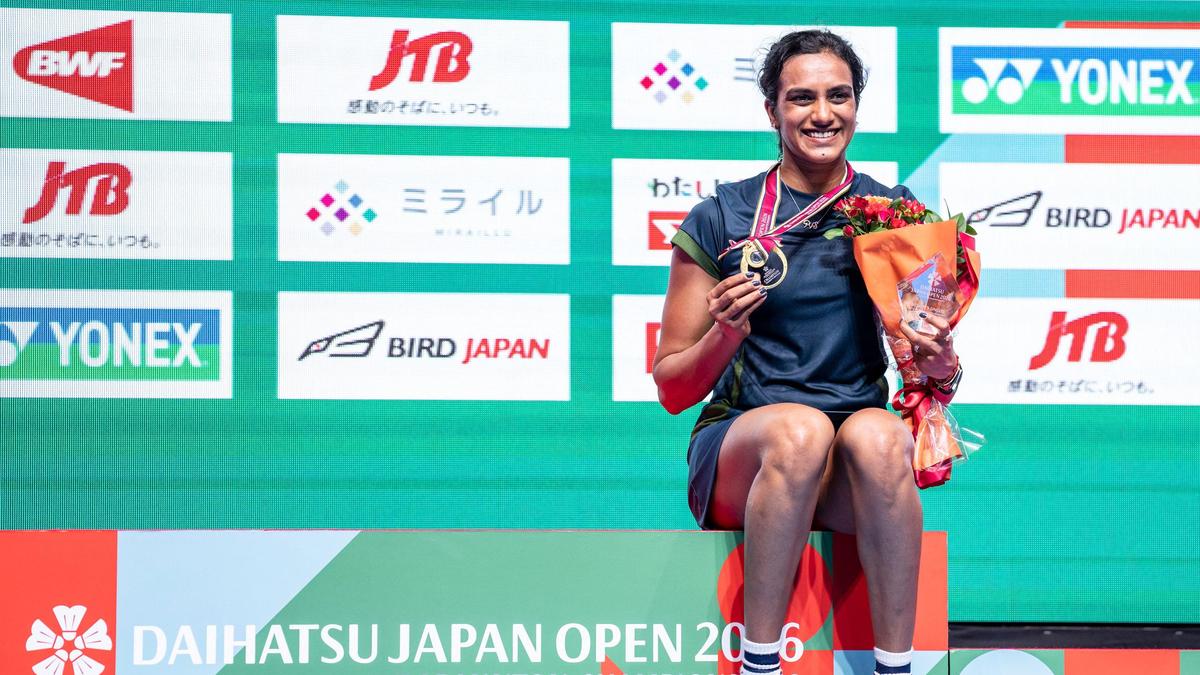
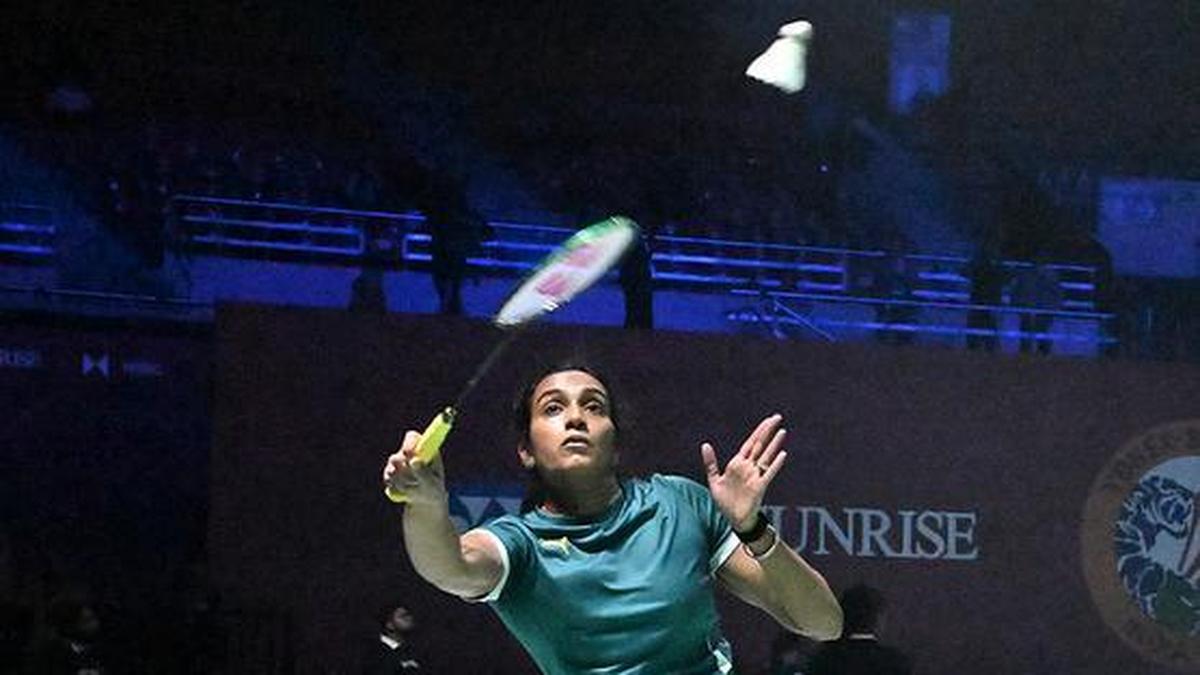
After nearly two years of frustration, injuries, near misses and questions over whether her best days were behind her, PV Sindhu delivered an emphatic statement on Sunday, defeating Japan’s Akane Yamaguchi 21–17, 21–17 to clinch her maiden Japan Open Super 750 title. The triumph ended her long wait for a major BWF World Tour crown and marked a timely return to winning ways just weeks before the World Championships on home soil.
In this interview, Sindhu reflects on overcoming injuries and self-doubt, shutting out criticism that she was finished, using performance data to refine her game, closing the gap on world No. 1 An Se Young and why the Japan Open title has renewed her belief.
What was going through your mind when you were standing on top of the podium?
I’ve had a few injuries over the last few years. There were some really hard days. Those niggles really irritate you and leave you feeling low. I was thinking that I’d come back from all of that. It means a lot to get back on top of the podium.
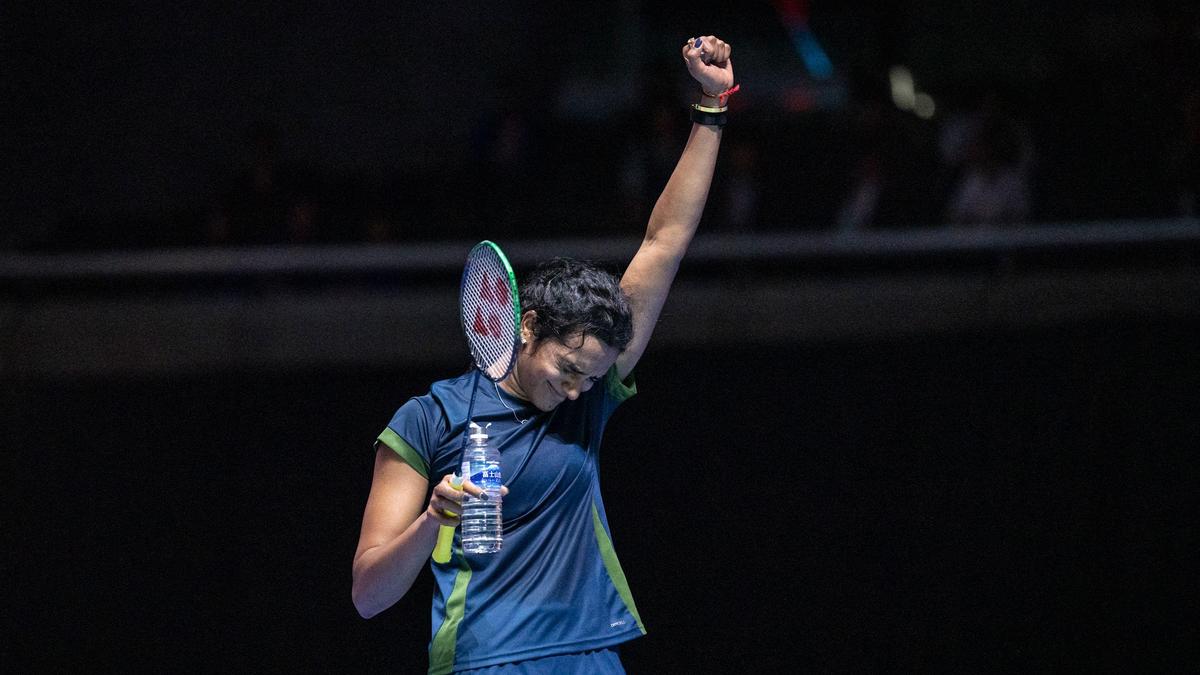
I had tears because I’d finally done it after such a long wait. Even when I was 20–17 up, I wasn’t celebrating because I felt anything could happen. It wasn’t until the shuttle finally landed on the court and the umpire said I had won the match that I started believing it.
When you’ve believed in yourself for as long as I have and, after two years, you finally get to stand on the podium again, all those emotions come at once.
How much does this victory boost your confidence ahead of the World Championships?
This will definitely give me a lot of confidence. I’ve won a title after a very long time.
In your post-match interview, you spoke about dealing with a lot of off-court noise. Is this victory a statement to those who felt you were finished?
You hear a lot of things, but rather than trying to give people a reply, I’ve always believed in myself.
I know I can go much further. It’s not over yet. This win is important because it gives me belief right before the World Championships.
What has the journey been like since your last title?
It was quite a tough journey because I had some niggles and injuries. As an athlete, injuries happen. They’re part and parcel of sport. The important thing is to come back stronger.
I did come back, but then I got injured again. It wasn’t easy to regain my rhythm. But my coach, the support staff and I worked really hard to reach this stage.
I’m very happy that I could do this and win this title for them because I know how hard everyone has worked. People only see what happens on court, but behind the scenes, it’s completely different. It takes a lot of hard work and belief to build yourself back up, return to the top level and stay there.
Every time you beat a top player, it feels as though you’re edging closer to beating world No. 1 An Se Young, against whom you’re 0–10. What has made that final step so difficult, and how close do you think you are now?
In the last two tournaments I’ve played against her, it’s been very close. I feel I could have taken at least one game. There were moments when it was 17-all or 18-all. I don’t think I’m very far from beating her. I know I can do it.
At this level, it’s about who plays better on the day. Even something as small as an unforced error can decide a game and, ultimately, the match. When you’re playing at the highest level, every point and every shot you choose matters.
Could you tell us about the work coach Irwansyah and strength and conditioning expert Wayne Lombard have done with you behind the scenes?
Wayne oversees my strength and conditioning. Sometimes he travels with me to make sure everything is on point. And, of course, everyone knows about Irwansyah. It was very important to have the best team around me.
Maintaining my fitness and staying strong on court are vital, especially when I’m playing long matches. You need to be strong both physically and mentally.
My team has helped me improve my strength, fitness, speed and agility. We’ve worked hard on identifying every area where I can improve and making sure every detail is right. We rely on data to understand where I’m falling short so that we know exactly what needs to be done.
For example, recovery is constantly monitored. We assess whether what we’re doing is working and make adjustments accordingly. Every day, we review the data and decide what needs to be done the following day.
You’ve been through plenty of ups and downs over the last couple of years. Does winning this title feel like a weight has been lifted off your shoulders?
I’m happy, of course, but at the same time, there are many more tournaments to play.
During the last couple of years, many people questioned whether you were finished. Did that thought ever cross your own mind?
Actually, I’ve never asked myself that question. Of course, when you’re injured as an athlete, you do doubt yourself. You wonder: What’s happening? Can I come back stronger? Will this niggle heal properly? Can I give 100 per cent in training?
Sometimes you’re emotionally drained and mentally very low. But at the same time, the people around me supported and motivated me. They kept telling me, ‘It’s okay. You’ll come back stronger.’
For me, it was about taking things one day at a time and focusing on the next step, whether that meant rest, recovery or strengthening work. Slowly, I started getting better.
I wanted to compete only when I was back to 100 per cent. There was no point returning when I was only 50 per cent fit and losing in the first round. That wasn’t what I wanted. It was important for me to get back to my best, stay fit and compete at the highest level again.
You and Akane Yamaguchi have been playing each other for almost 13 years and have had some memorable battles. What’s it like facing someone you know so well?
We’ve played each other so many times. Today was the 30th meeting, if I’m not wrong. She’s won some, and I’ve won some. We know each other’s games inside out.
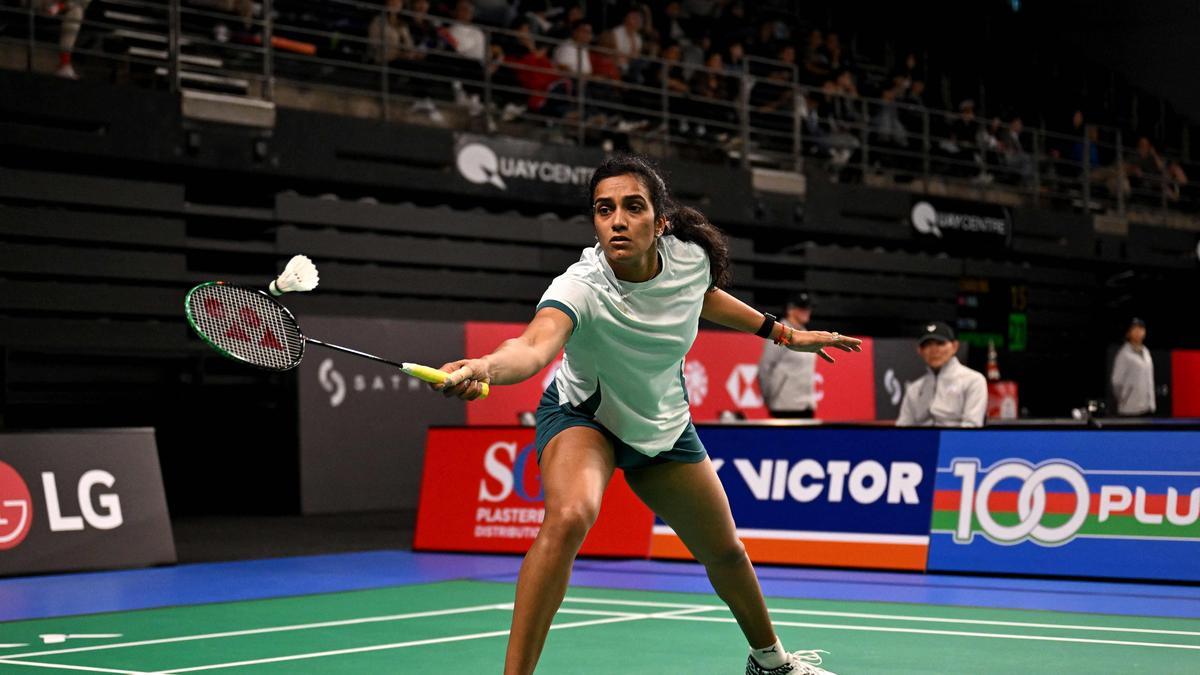
When that’s the case, it’s important to adapt quickly to what’s happening on court. Against Akane, I know I have to be ready for long rallies and be prepared to stay on court for a long time. Every point is important because if I give her even a small opening, it’s easy to lose momentum.
Akane had won your previous six meetings. What did you do differently this time?
Akane is very strong in rallies and defence, while my strength is in attack. I made sure I stayed consistent with my attacking game, but I still had to fight for every point.
Even during the long rallies, I knew I had to stay patient. There were moments when I had a healthy lead, but I never relaxed because I knew she could come back. I was 16–12 up in the first game, and she closed the gap. Even in the second, after I led 14–8, she fought back again.
The key was staying consistent and keeping my unforced errors to a minimum.
You’re playing the China Open next week. How will you recover with another big tournament just a few days away?
My first match in China is on Wednesday, so I’ll focus on recovering today, tomorrow and Tuesday. I’ll also have to travel. After long matches, it takes time to recover fully and make sure you’re fit to compete again.
Has anything changed in your mental approach to training?
I focused a lot on identifying the mistakes I was making and working on them so I wouldn’t repeat them. My coach and I were constantly discussing what I could add to my game and where I could improve, whether it was fitness, speed or other aspects. As a team, we made those changes and worked hard to make sure I didn’t fall into the same patterns again.
Irwansyah has been incredibly committed and always reminded me that he believed in me. We knew the results would come eventually. I think the biggest thing was the confidence we had in the work we were putting in. We knew things were going well in training. It was just a matter of translating that onto the match court.
Now that you’ve ended your title drought, what are your goals? And with the Olympics two years away, what are you doing to ensure you can maintain this level of fitness?
Right now, my focus is on doing well at the China Open, followed by the World Championships in India.
Staying fit is extremely important because injuries don’t announce themselves before they happen. The goal is to stay fit enough to compete at the highest level for long periods and to make sure I’m able to give 100 per cent every time I step on court.
Published on Jul 19, 2026