
Remember me

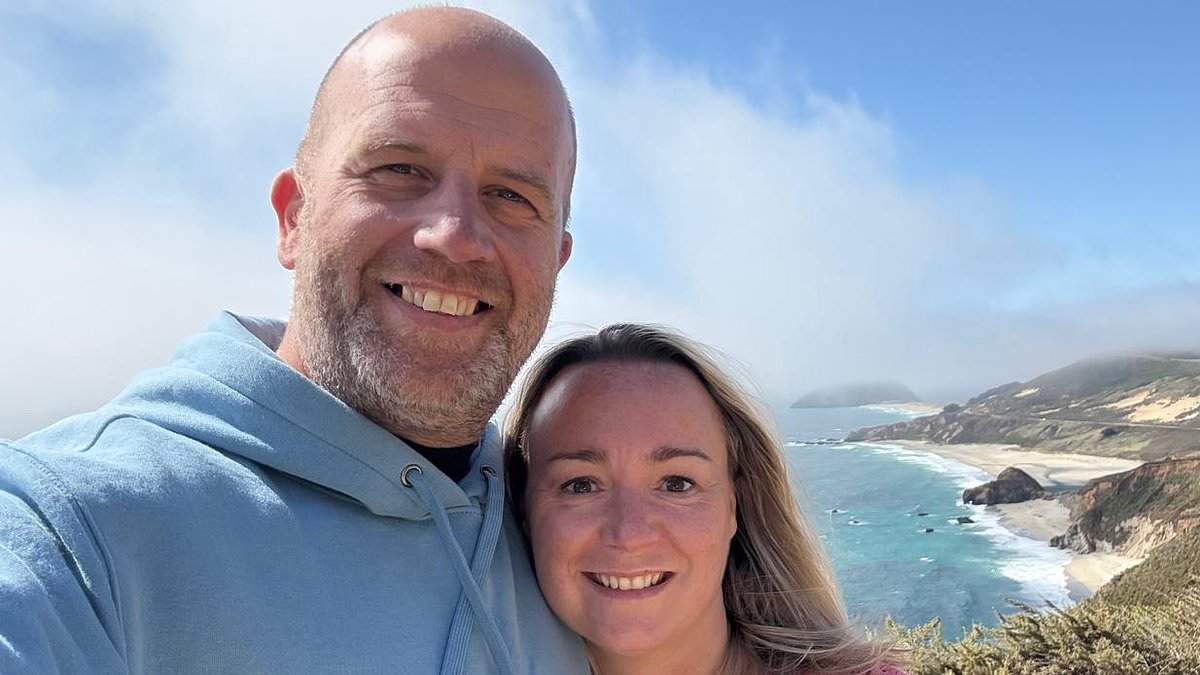



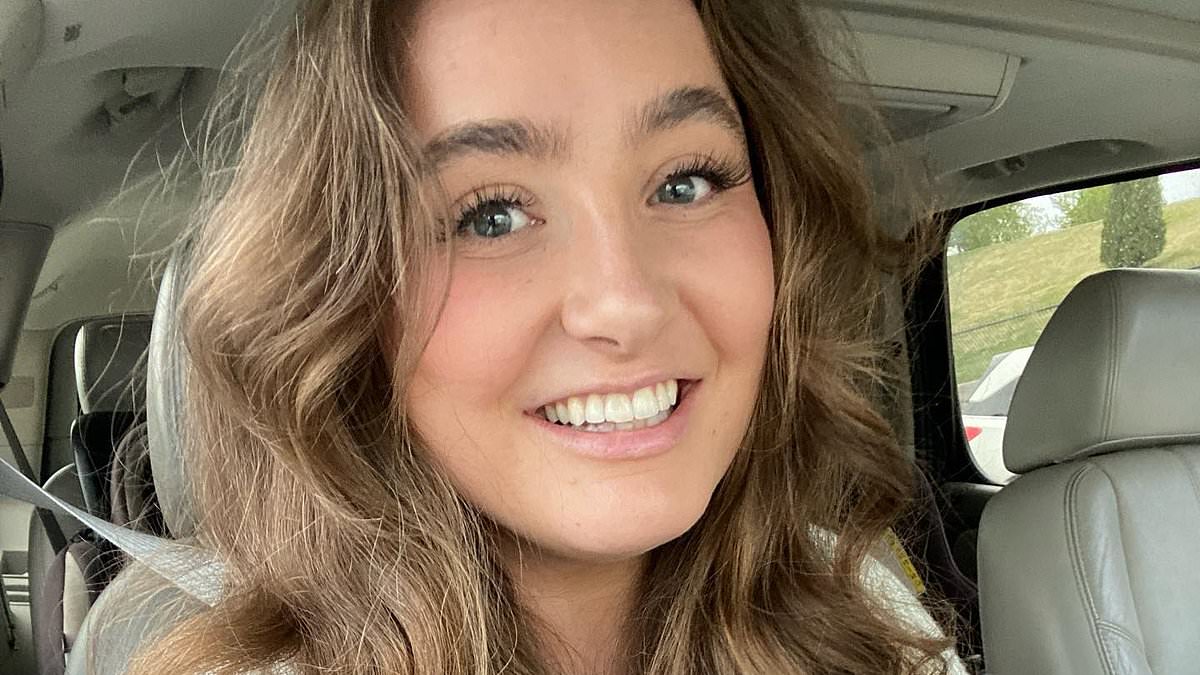
At their worst, Natalie Lavergne's intense food cravings could see her easily consume 1,400 calories-worth of praline chocolates in a single sitting.
The 42-year-old, from Horsham, spent decades battling a sweet tooth compounded by living with the incurable condition polyendocrine metabolic ovarian syndrome (PMOS), formerly known as polycystic ovary syndrome (PCOS).
Ms Lavergne is one of around four million women in the UK with the condition.
Among its many symptoms, PMOS can reduce fertility, trigger intense weight gain, and increase the risk of diabetes and heart disease.
Slimming World, Weight Watchers, SlimFast shakes and painstaking calorie counting all brought temporary success to the director of a relocation company, who at her heaviest weighed 14st 3lb.
Then, last June, after her daughter's school raised concerns about the five year-old's health, Ms Lavergne made a drastic decision in order to be a better example for her daughter.
Like at least 2.5million other people in the UK, Ms Lavergne decided to take weight-loss drugs, following a recommendation from her sister-in-law.
Just over a year later, Ms Lavergne is an astonishing five-and-a-half stone down.

Natalie Lavergne's food habits could see her easily consume 1,400 calories-worth of praline chocolates in a single sitting

Ms Lavergne used Mounjaro for a year and shed a whopping five stone, but now she's ready to quit the jabs
Speaking to the Daily Mail about her decision to use the jabs she said: 'I thought, I need to make sure that I'm finding the best solution for me and set the right example.
'And that's not eating a box of Guylian [praline chocolate seashell treats] on a random Tuesday night'.
With the help of the drug, she now weighs a slight 8st 12lb - a loss of around 75lb - and says her life and confidence have both been completely transformed.
'I'm in my 40s, but I feel like a teenager again. But I have a little bit more wisdom than I had in my 20s, so I kind of know what's important and what to enjoy now.'
Not only does she feel younger, but she also credits the powerful jab with banishing many of the PMOS symptoms that have plagued her life since her 20s.
These included irregular periods – she would sometime go an entire year without a bleed.
Her blood sugar levels were also high due to the resistance she'd developed to the hormone insulin, which converts sugar from food into energy.
Insulin resistance is a common complication of PMOS, as is joint pain which Ms Lavergne regularly battled.
But she says Mounjaro succesfully got rid of these symptoms, as well as her food cravings – meaning no more chocolate indulgences.
Yet, she initially stopped injecting the drug in November once she reached her goal weight.
But when some of her PMOS symptoms began to return - along with the 'food noise' that had previously encouraged her unhealthy eating habits - she restarted the drug four months later.
From next month, however, she plans to switch to the newly approved Wegovy pill instead.
Health officials greenlit the drug - a tablet version of the highly effective once-weekly Wegovy injection - for private use last month, although it is not clear when it will be available on the NHS.

Ms Lavergne has dropped five-and-a-half stone since using Mounjaro and says her life has been transformed - yet she will still ditch it for the Wegovy Pill

After stopping the medication for eight months she started to notice changes
Private waiting lists are believed to have soared close to 100,000 as Britons scramble to secure the game-changing GLP-1 treatment, which can help people with obesity lose up to 17 per cent of their body weight after 64 weeks, compared to around 22.5 per cent on Mounjaro.
Ms Lavergne is one of many who is fed up of the weekly injections, even though she's suffered barely any side effects.
'You are injecting on a weekly basis, and it's not ideal, in my opinion,' she said.
'If I'm going to do this long-term, do I really want to be injecting every week when I can just take a daily pill? No. That's my mentality around it.
'I'm not trying to lose more weight, I'm where I want to be. So this is now the perfect time because I think, I can try it, and if it doesn't work well, I can always go back to Mounjaro.'
Going without weight loss medication had a significant impact on Ms Lavergne's health.
'Although I didn't regain a huge amount of weight, I did start feeling like all of a sudden things were starting to change,' she says.
She noticed a return of some of her PMOS symptoms such as unstable blood sugar, and started to crave high calorie foods again.
In March, University of Cambridge scientists found that stopping weight loss jabs can leave patients heavier than they were before they began the treatment.
Researchers say around half the weight lost during treatment is usually muscle and if the regained mass is mainly fat, patients' long-term health may be better if they had not taken the drugs at all.
In January, experts concluded that the likes of Wegovy, Mounjaro and Ozempic would benefit patients most if they remained on them for life.
Professor Susan Jebb, adviser to ministers and the NHS on obesity, said: 'Obesity is a chronic relapsing condition, and I think one would expect that these treatments need to be continued for life, just in the same way as blood pressure medication.'