
Remember me
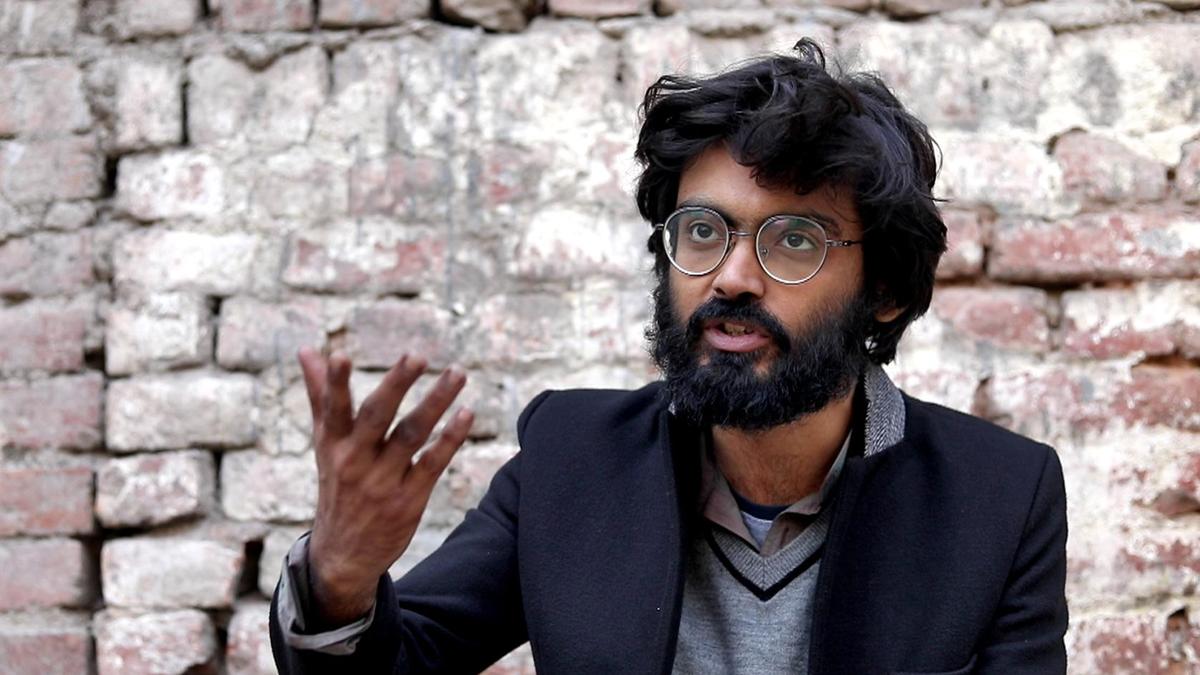



The plea filed by former JNU Students’ Union president Aishe Ghosh has challenged the installation and operation of a permanent surveillance tower and systematic photography and videography of protesters by the Delhi Police at the protest site at Jantar Mantar. File | Photo Credit: Shiv Kumar Pushpakar
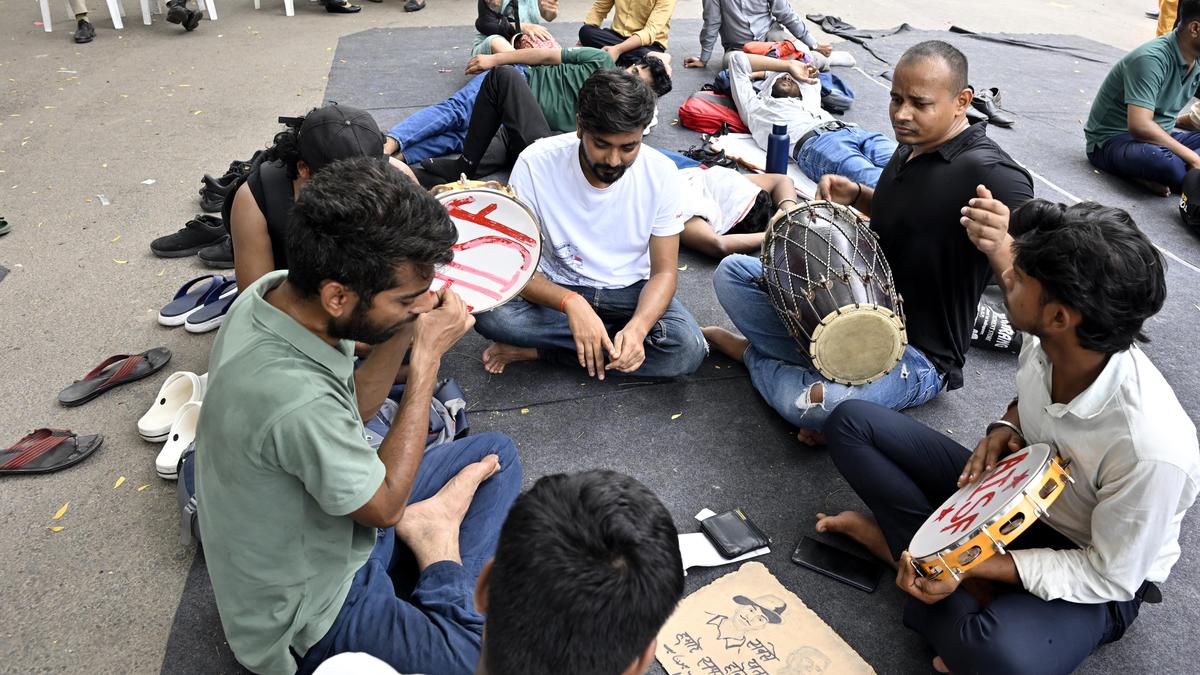
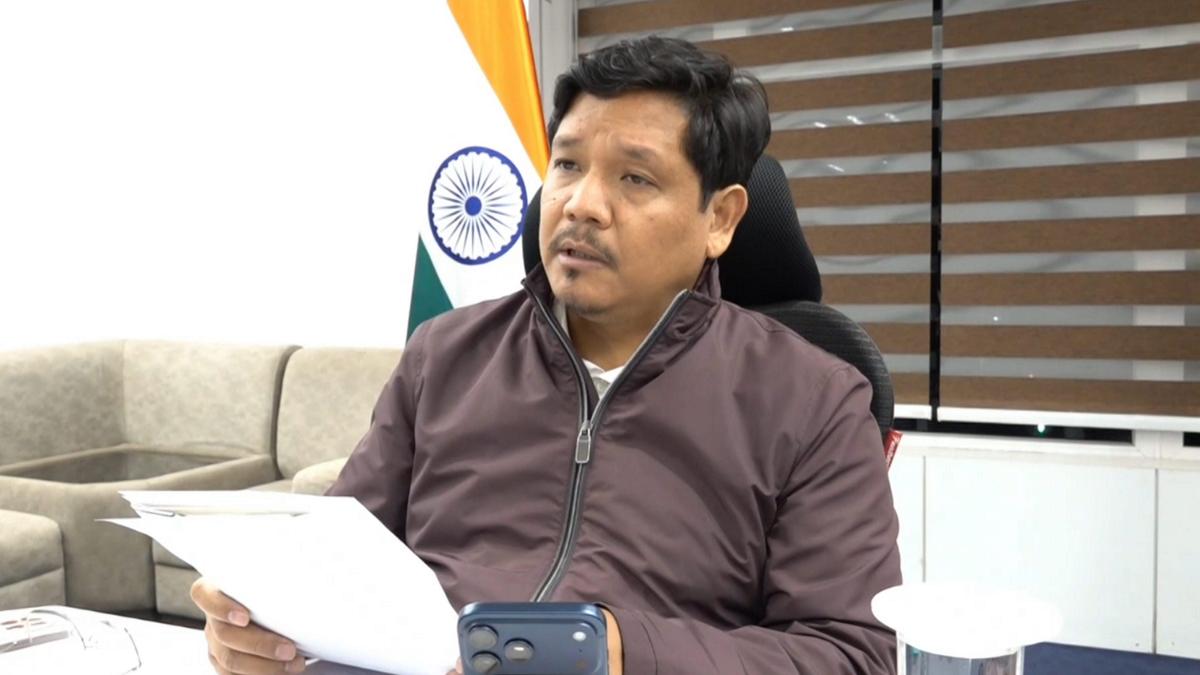
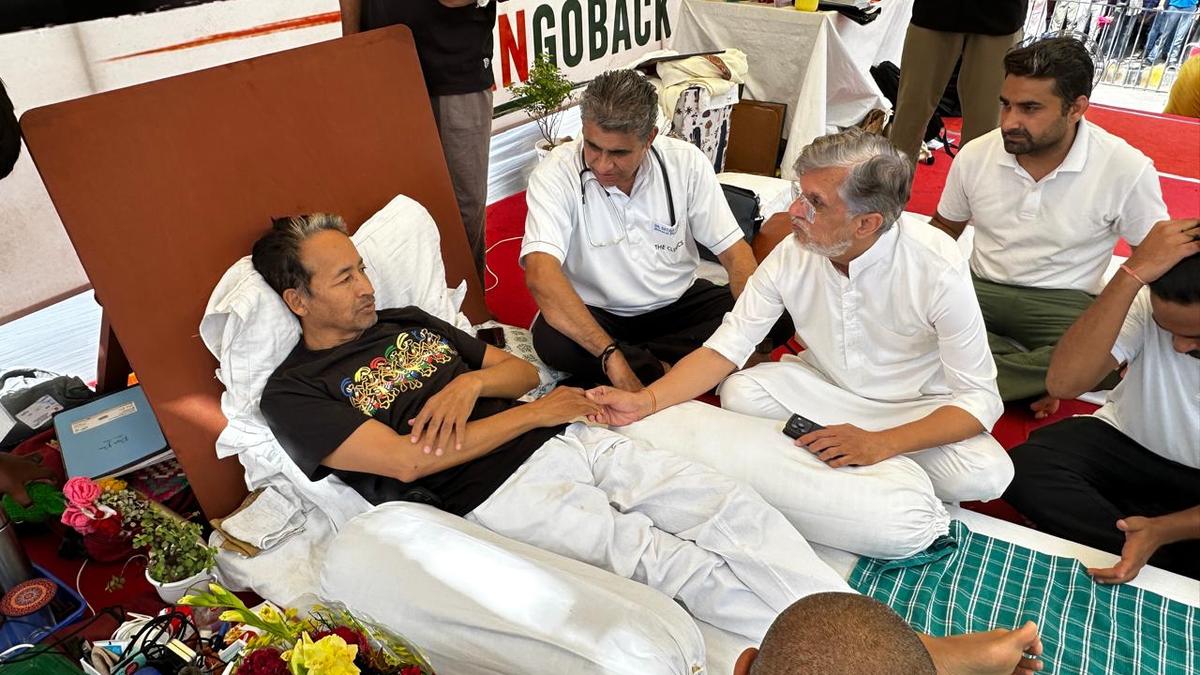
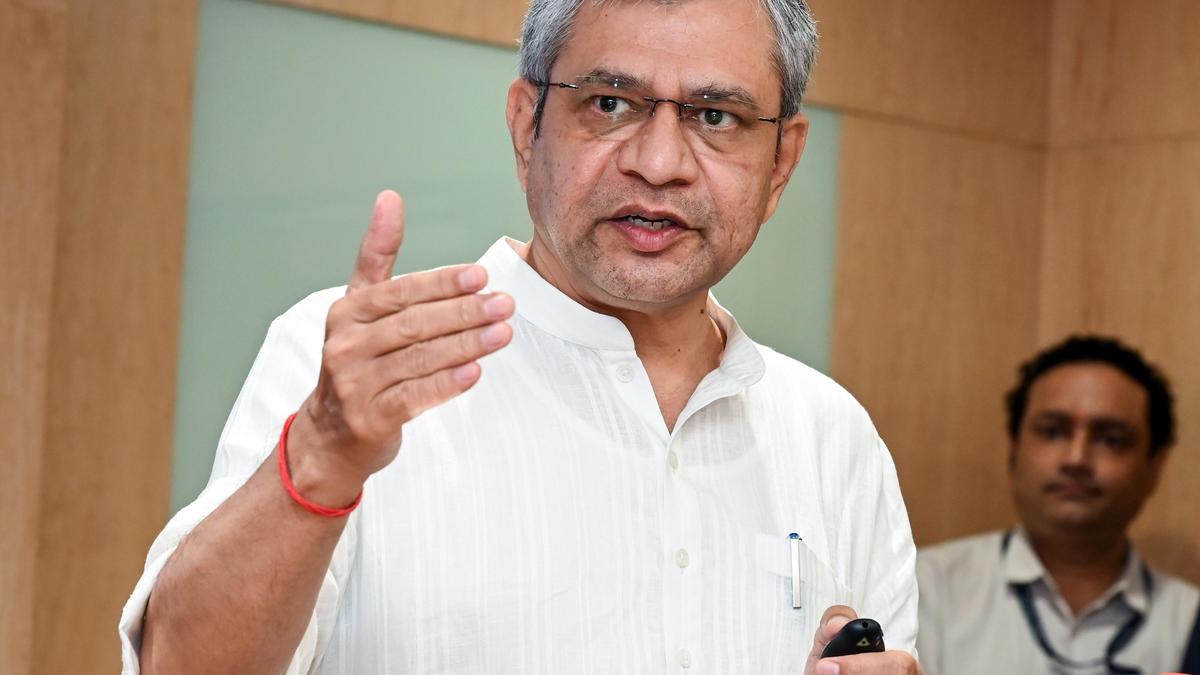
The Delhi High Court on Friday (July 17, 2026) agreed to hear on Monday (July 20, 2026) a public interest litigation (PIL) questioning the legality of Delhi police’s “indiscriminate and continuous surveillance” of the Cockroach Janta Party’s ongoing agitation at Jantar Mantar.
The petition has been filed by former Jawaharlal Nehru University Students’ Union (JNUSU) president Aishe Ghosh, who says she has been participating in the peaceful sit-in protest and hunger strike since its inception.
The plea said, “Police personnel stationed at the site routinely photograph and videograph the protesters, their activities, interactions, movements, and gatherings.”
It said a permanent surveillance tower equipped with cameras has been erected in the middle of the protest site, enabling round-the-clock monitoring and recording of all persons present at the site.
Ms. Ghosh’s plea said the surveillance apparatus has been used as “an instrument of intimidation and deterrence against student protesters”.
“On several occasions, police personnel have threatened student participants that the photographs and videos taken of them at the protest site would be forwarded to their parents, guardians, and the principals or authorities of their respective educational institutions,” the plea said.
She said such threats have “created a pervasive atmosphere of fear and have deterred several students from attending the protest, associating themselves with the movement, or openly expressing their views”.
The plea said the surveillance has a “chilling effect upon the exercise of the freedoms guaranteed under Articles 19(1)(a) and 19(1)(b) of the Constitution by deterring citizens from freely expressing dissent and participating in peaceful assemblies”.
Besides challenging the surveillance itself, the petition alleges that the police have failed to disclose the legal basis for collecting, storing and processing the personal data generated through the recordings despite repeated requests by protesters.
“To the best of the Petitioner’s knowledge, the Respondents have failed to disclose any statutory provision, executive instruction, or publicly available protocol authorising such continuous surveillance or regulating the collection, storage, processing, retention, and dissemination of the personal data thereby generated,” the plea said.
Published - July 17, 2026 12:04 pm IST