
Remember me
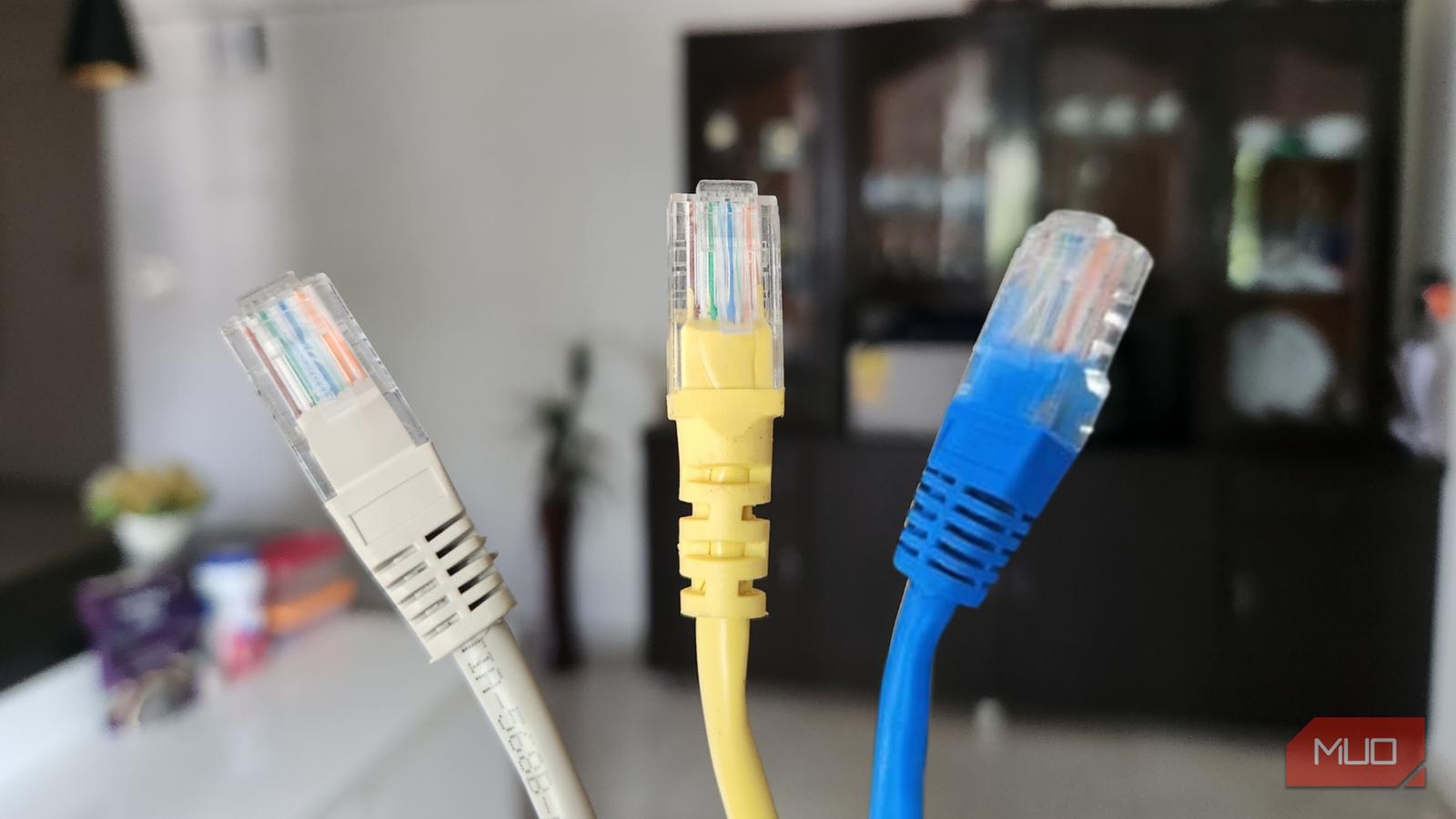
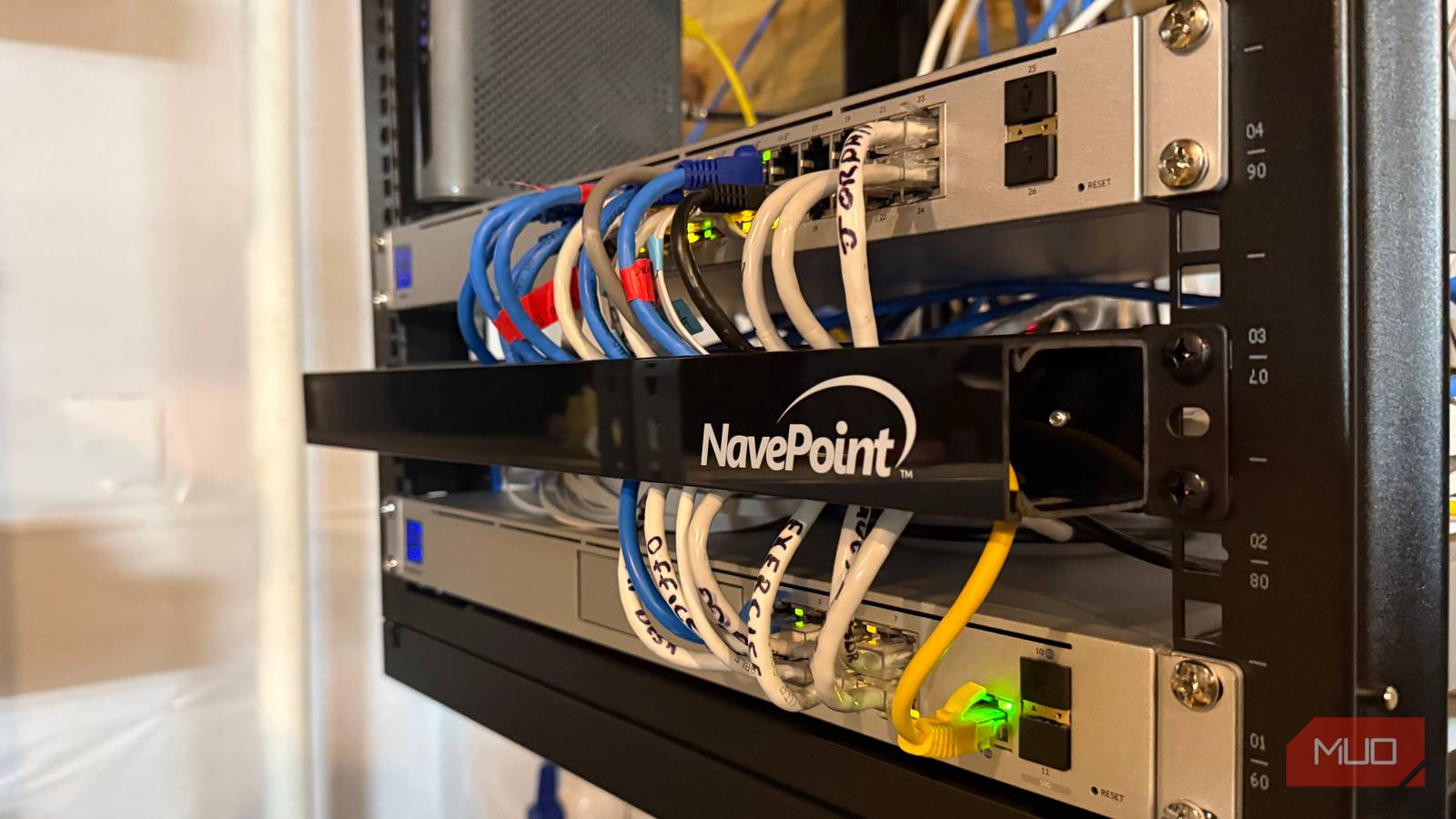


I've run Cat6 through most of my house, and I crimp my own cable from a spool I picked on purpose. I'll run an Ethernet cable to anything that stays in one place, and an outdoor camera never moves, so I added a wire. The catch is the wire itself. Most people shop on price here. They see "Cat6" on the box, grab the cheapest spool, and move on. The feed starts stuttering a few weeks later.
That bargain cable is usually copper-clad aluminum under a thin copper coat, nothing like the solid copper this job needs. Run a Power over Ethernet (PoE) camera on it, tucked behind a wall out in the weather, and you've built in dropouts and heat from the first day. The camera gets the credit. The wire behind it decides whether the picture holds, and getting that part right costs almost nothing.
The cheap cable behind the camera is doing more than you think A camera feed is only as steady as the wire feeding it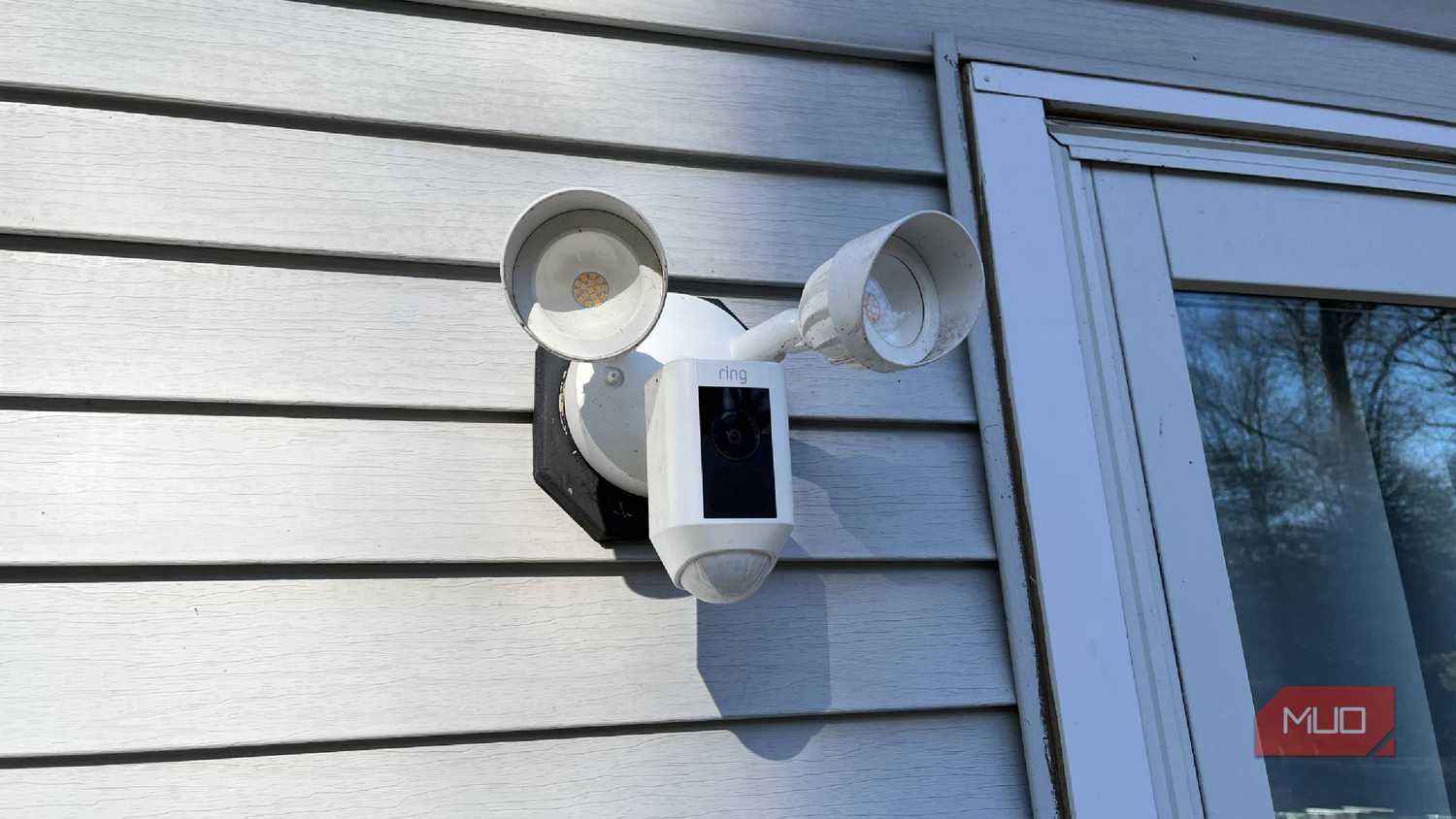
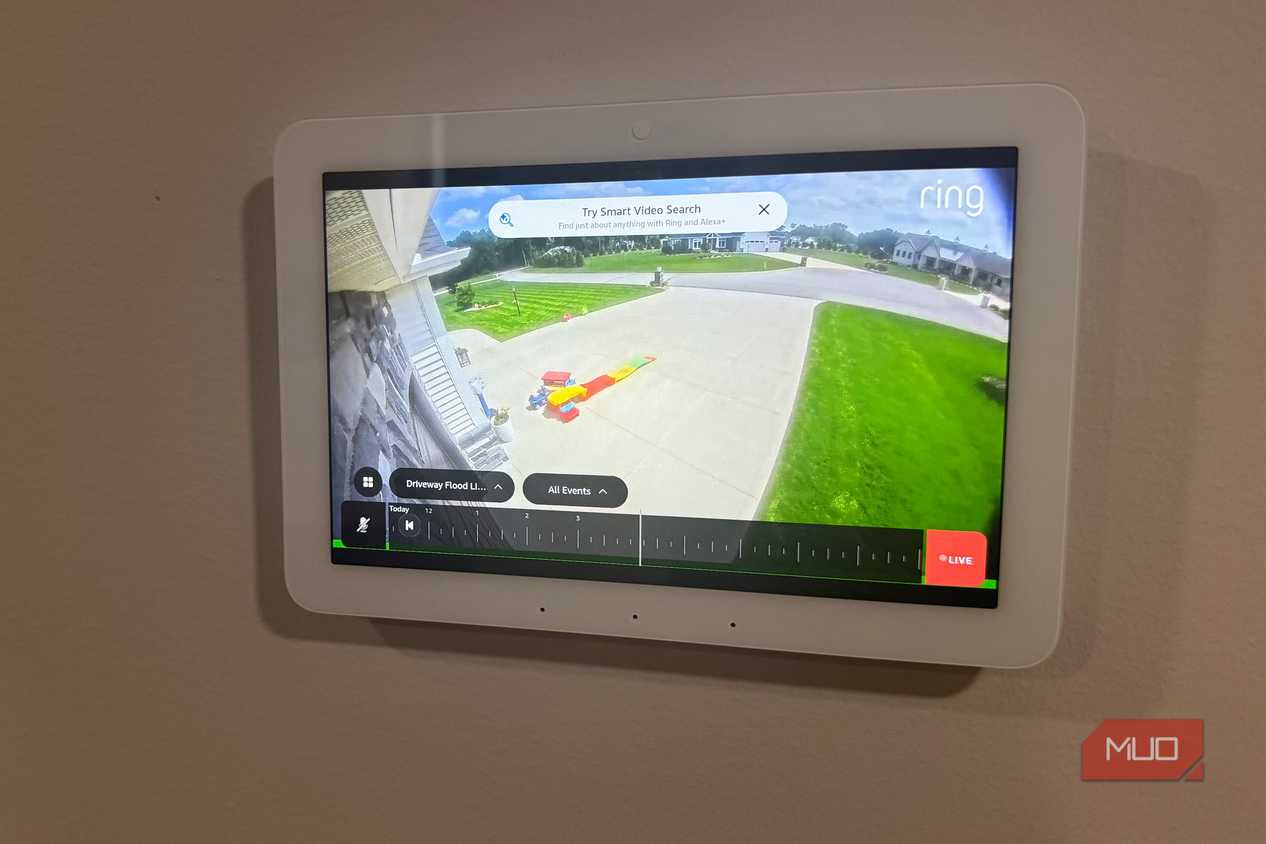 Credit: Jonathon Jachura / MUO
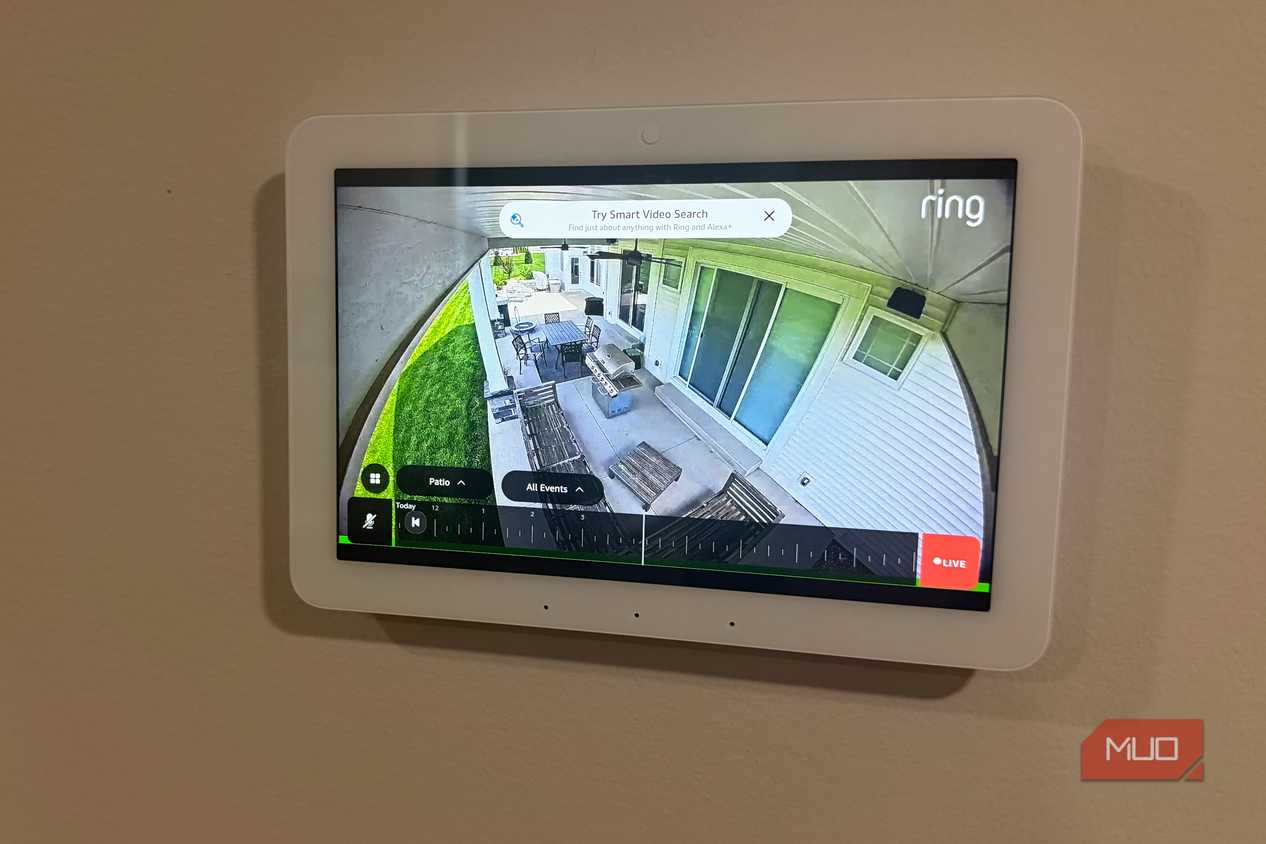 Credit: Jonathon Jachura / MUO
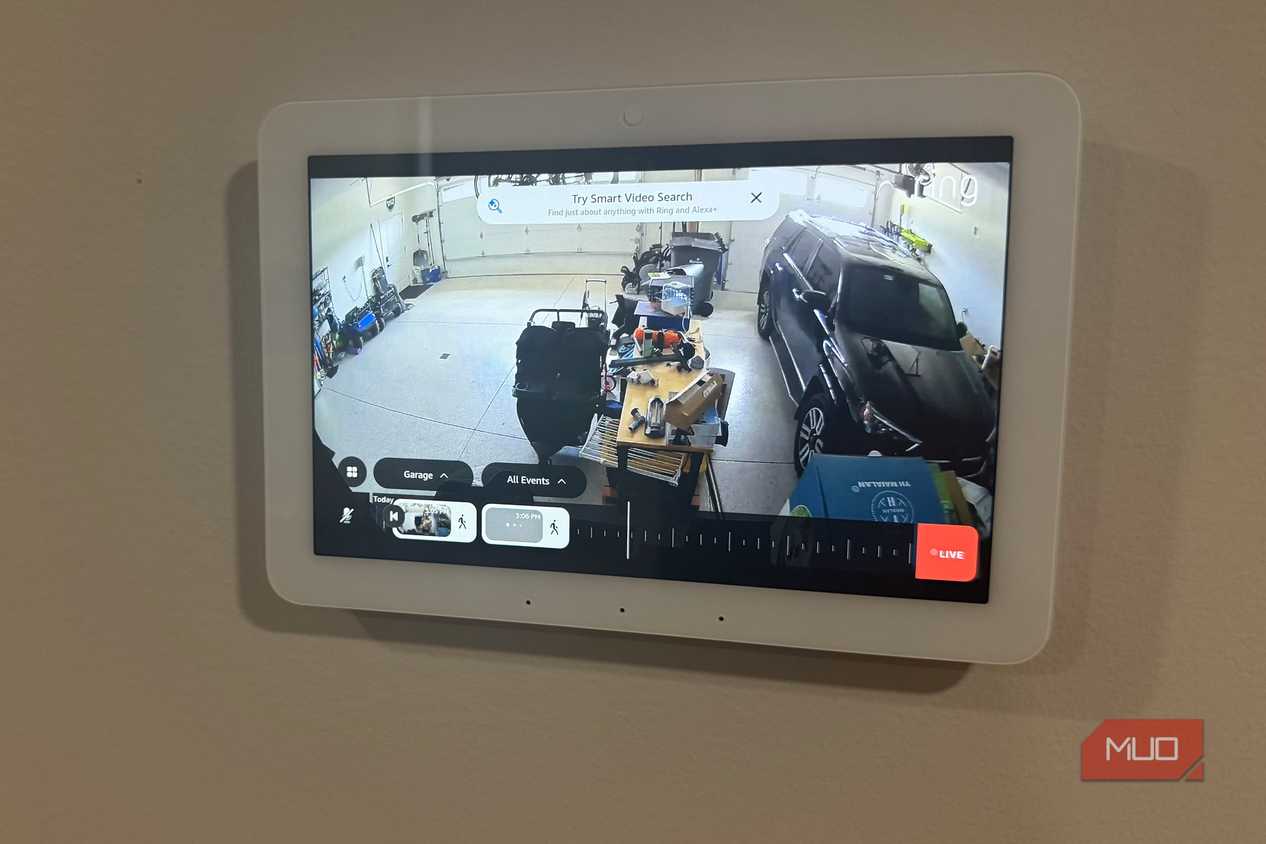 Credit: Jonathon Jachura / MUO
 Credit: Jonathon Jachura / MUOClose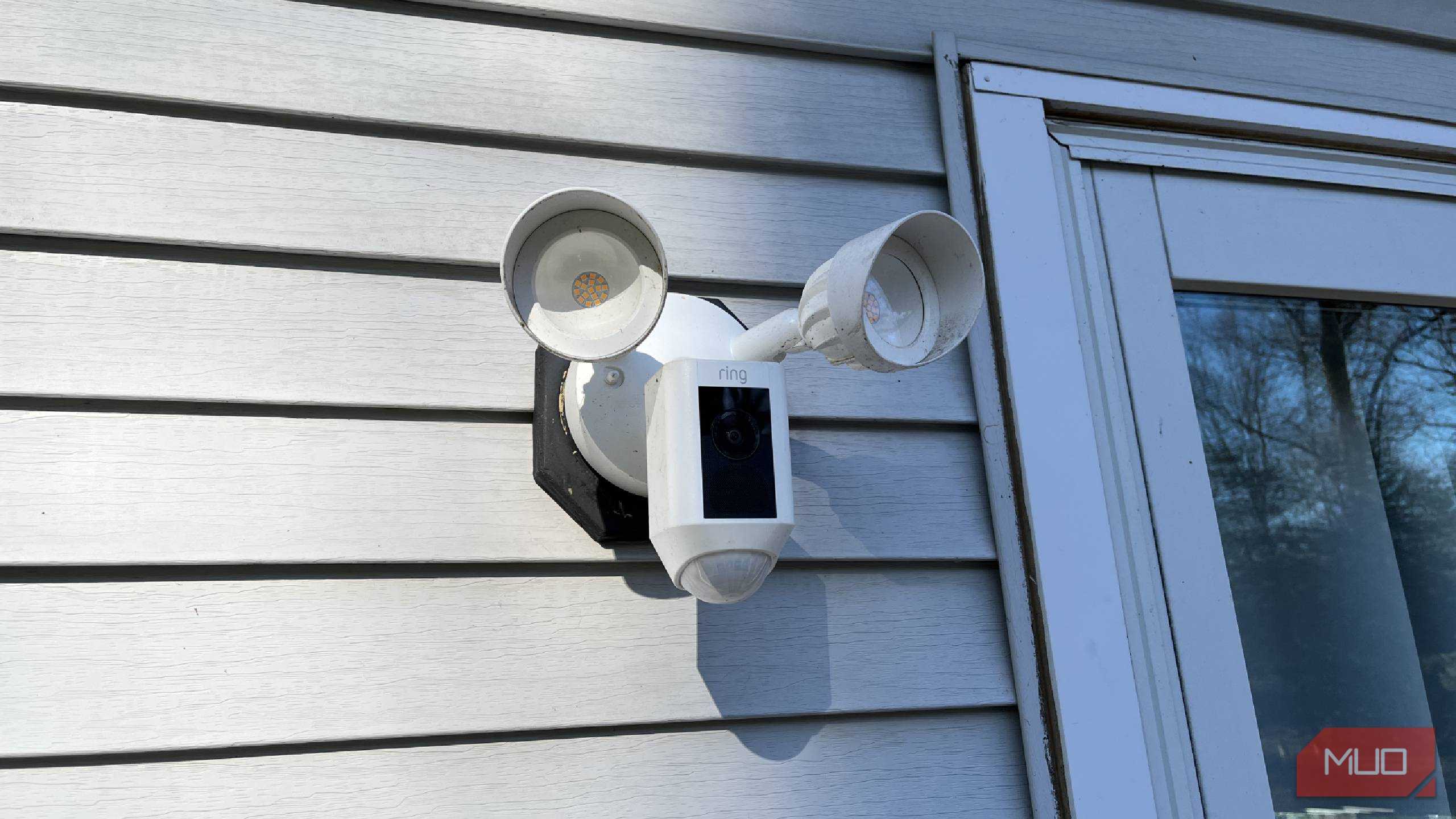
 Credit: Jonathon Jachura / MUO
 Credit: Jonathon Jachura / MUO
 Credit: Jonathon Jachura / MUO
 Credit: Jonathon Jachura / MUO
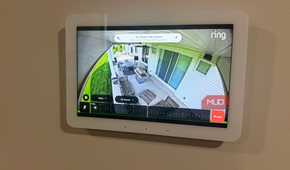
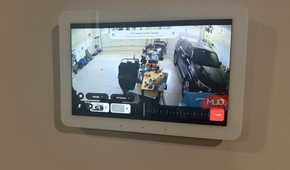

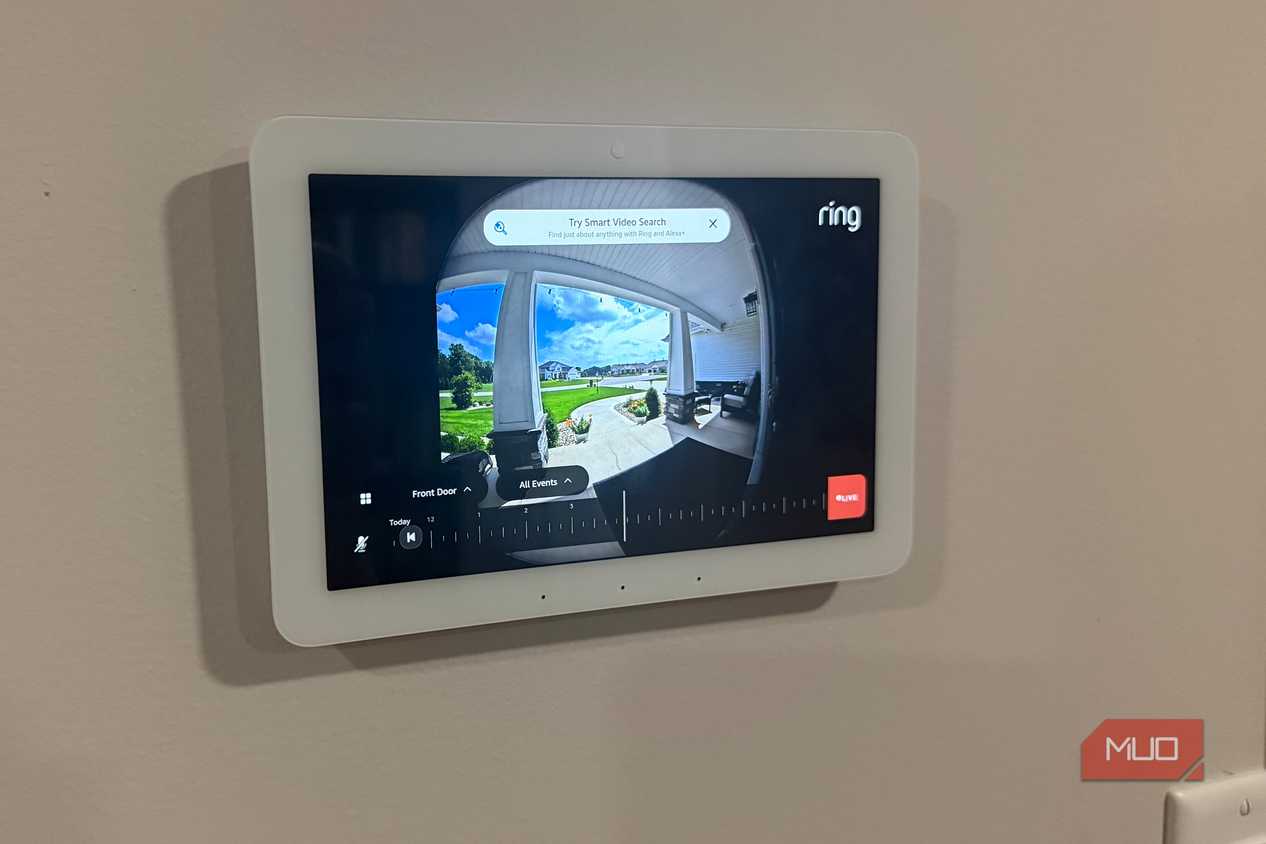
With PoE, one Ethernet cable carries both power and data to the camera. That makes the wire an electrical line, and it needs to hold steady voltage the whole time the camera is recording. When the cable can't hold that voltage, the camera browns out. It reboots on its own, drops off the app, or freezes mid-clip, usually right when something trips the motion zone.
The symptoms never point at the cable, which is what makes it maddening. You blame the camera's firmware. You blame the app. You blame your Wi-Fi, even though the camera is wired. I spent years making that mistake with wireless gear before I could finally see what was actually happening on my network, and the culprit was almost never the device I was blaming. The feed is only as reliable as the wire feeding it.
 Related
Please stop using the wrong Ethernet cables
Related
Please stop using the wrong Ethernet cables
Using the wrong Ethernet cables can throttle the speed from your ISP.
Copper-clad aluminum is the trap most people fall into Nothing on the outside gives it away
Copper-clad aluminum, or CCA, is an aluminum core with a thin copper skin. It exists to hit a low price. Spotting it on a shelf is the hard part. The jacket looks the same, and the side still reads "Cat6." Connectors fit fine. It'll even pass a quick continuity test. None of that tells you what's inside the conductor.
The trouble starts once power flows. Aluminum has about 55% more resistance than copper. On a PoE run, that resistance eats into the voltage before it reaches the camera. Distance makes it worse, so a 100-foot run bleeds more than a short one. Heat compounds it, and a cable cooking in a July attic drops even further. The camera undervolts, and the reboots and dead feeds come right back.
Then there's the part no product page mentions. CCA can't pass the fire testing that earns a real in-wall rating, so running it inside a wall isn't just risky, it's against code. Higher resistance means more heat, and enough of it in a wall cavity is a real fire hazard. Some insurers may deny a claim if CCA cable is what started it.
Outdoor exposure is the second thing the cheap cable gets wrong Indoor cable was never built to sit in the sun and weather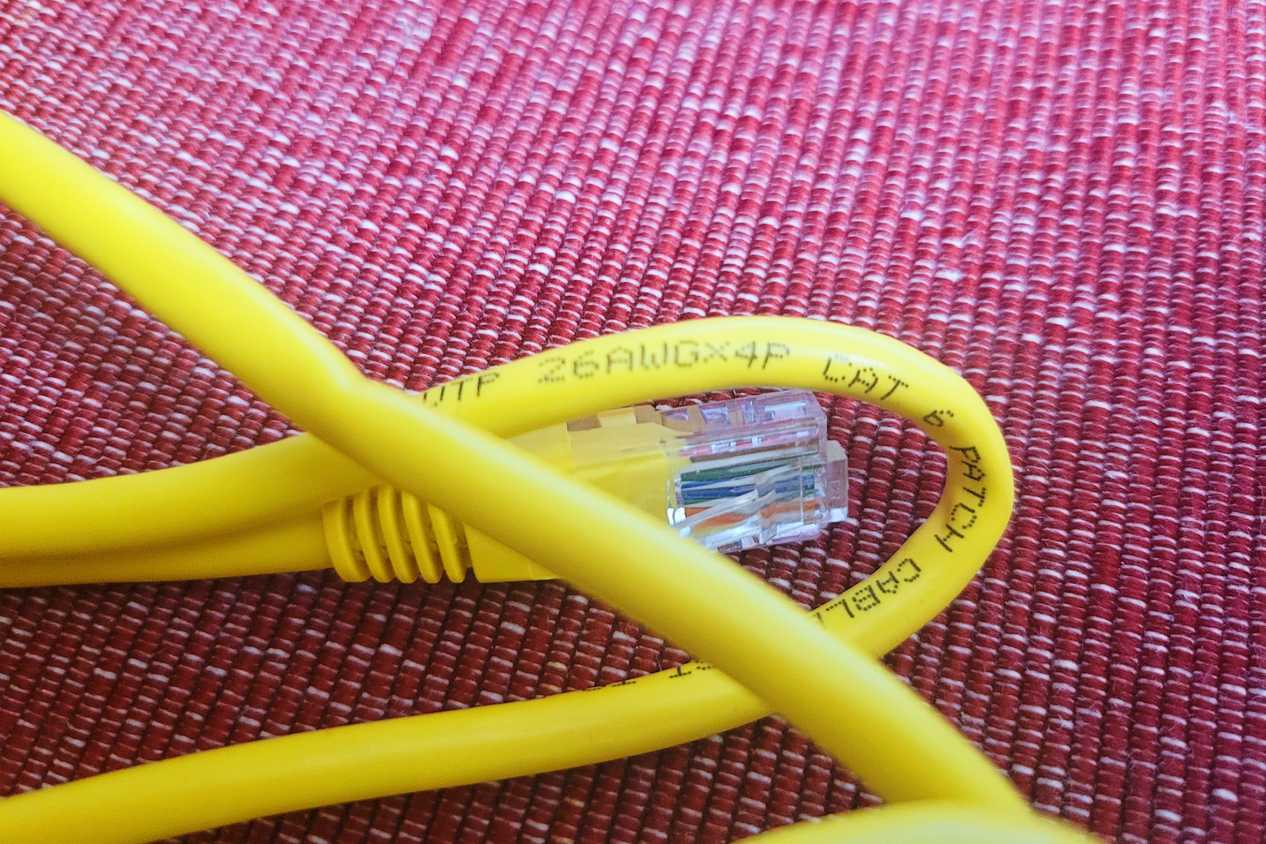 Jorge Aguilar / MakeUseOf
 Pankil Shah / MakeUseOf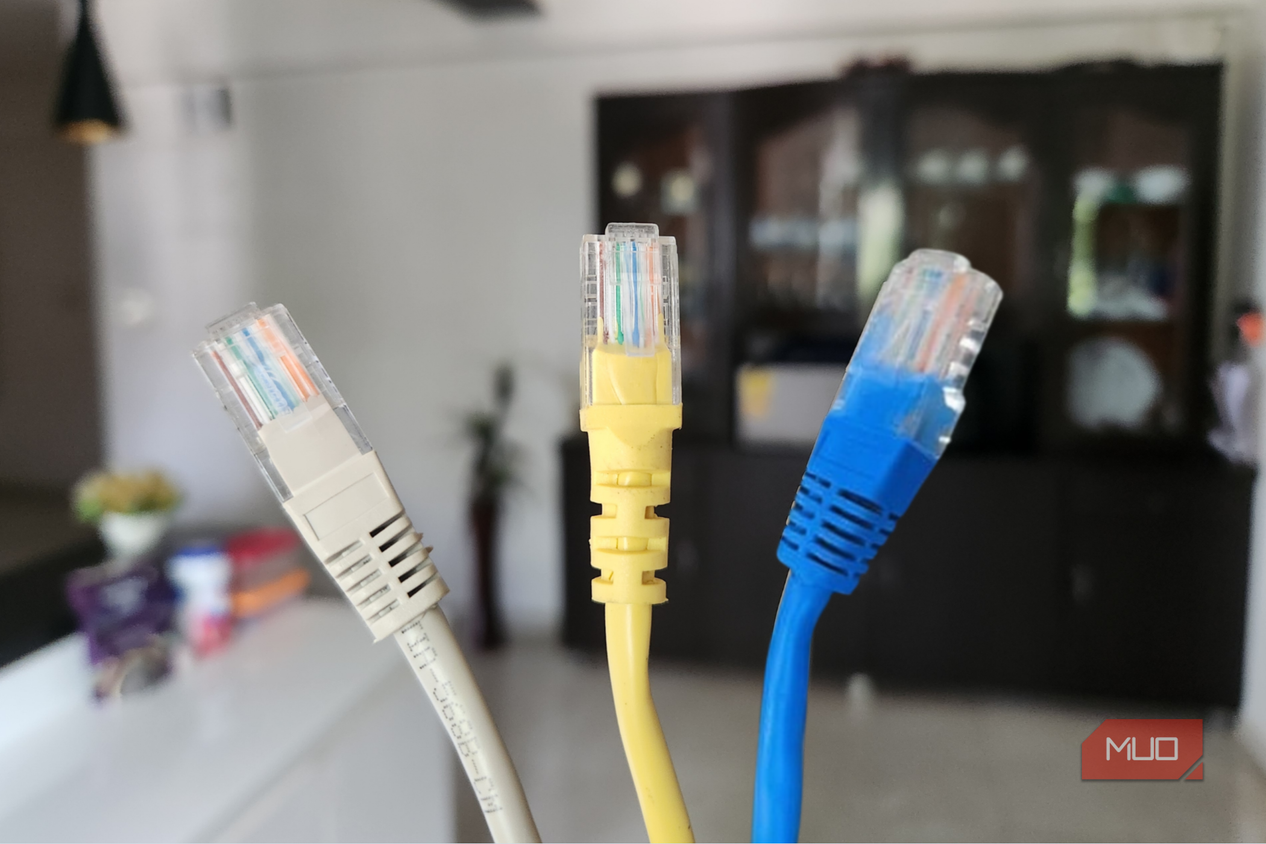
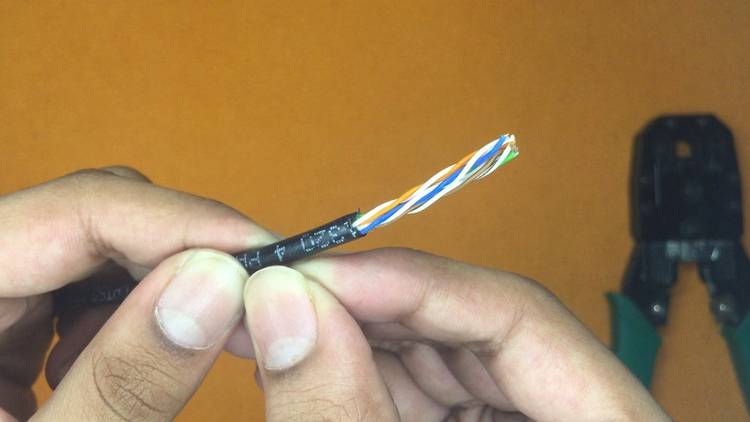
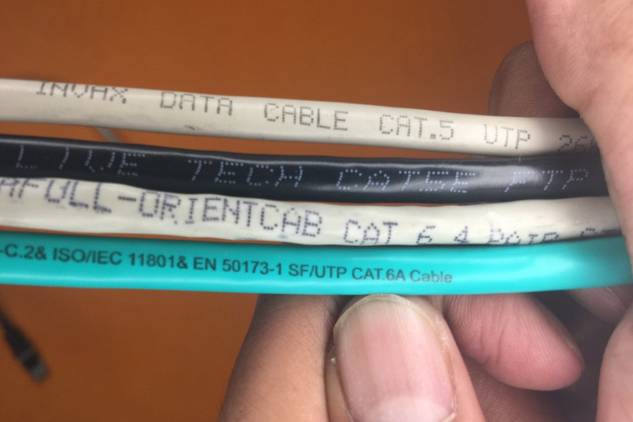 Photo by Arjun Vishnu - No attribution requiredClose
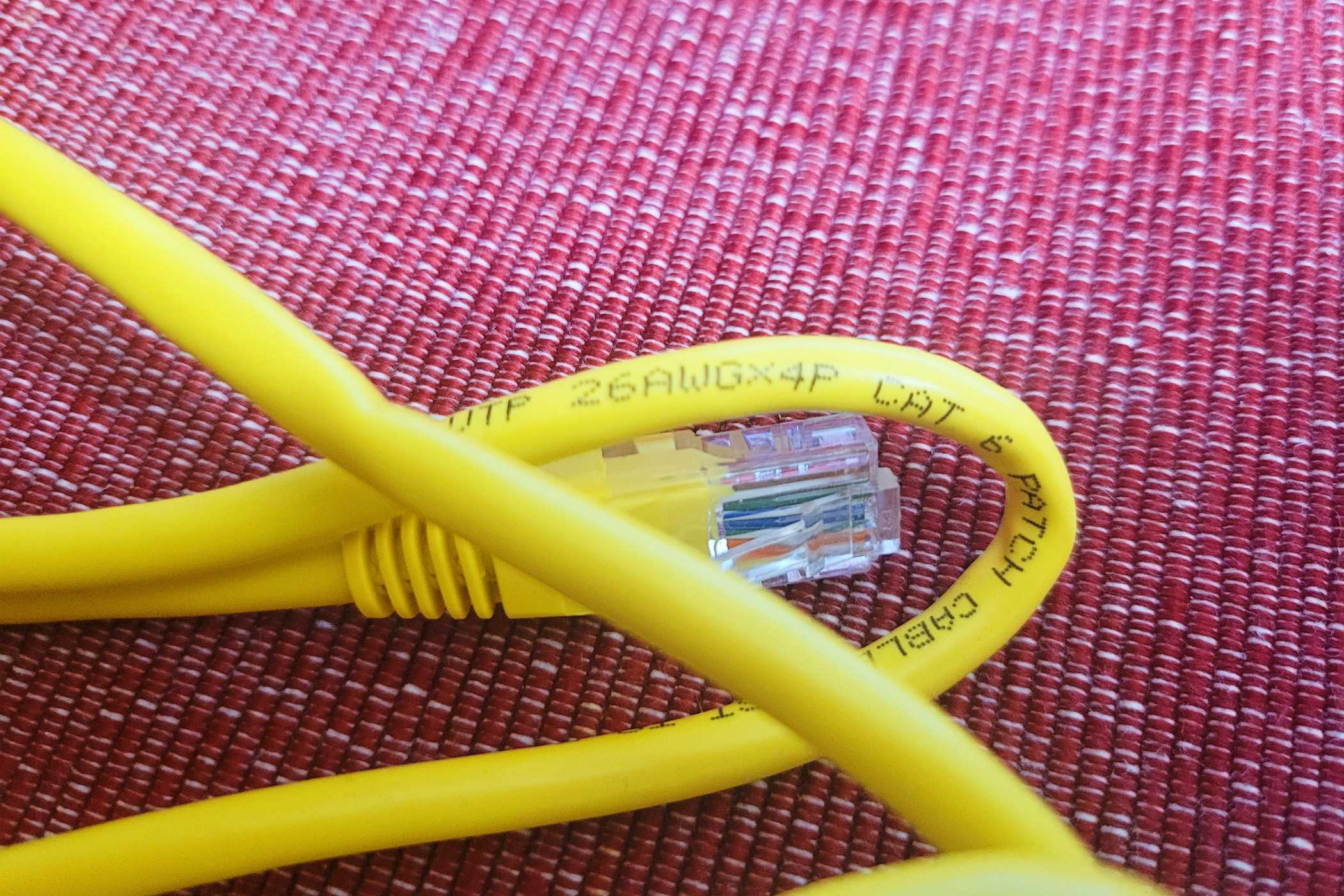 Jorge Aguilar / MakeUseOf
 Pankil Shah / MakeUseOf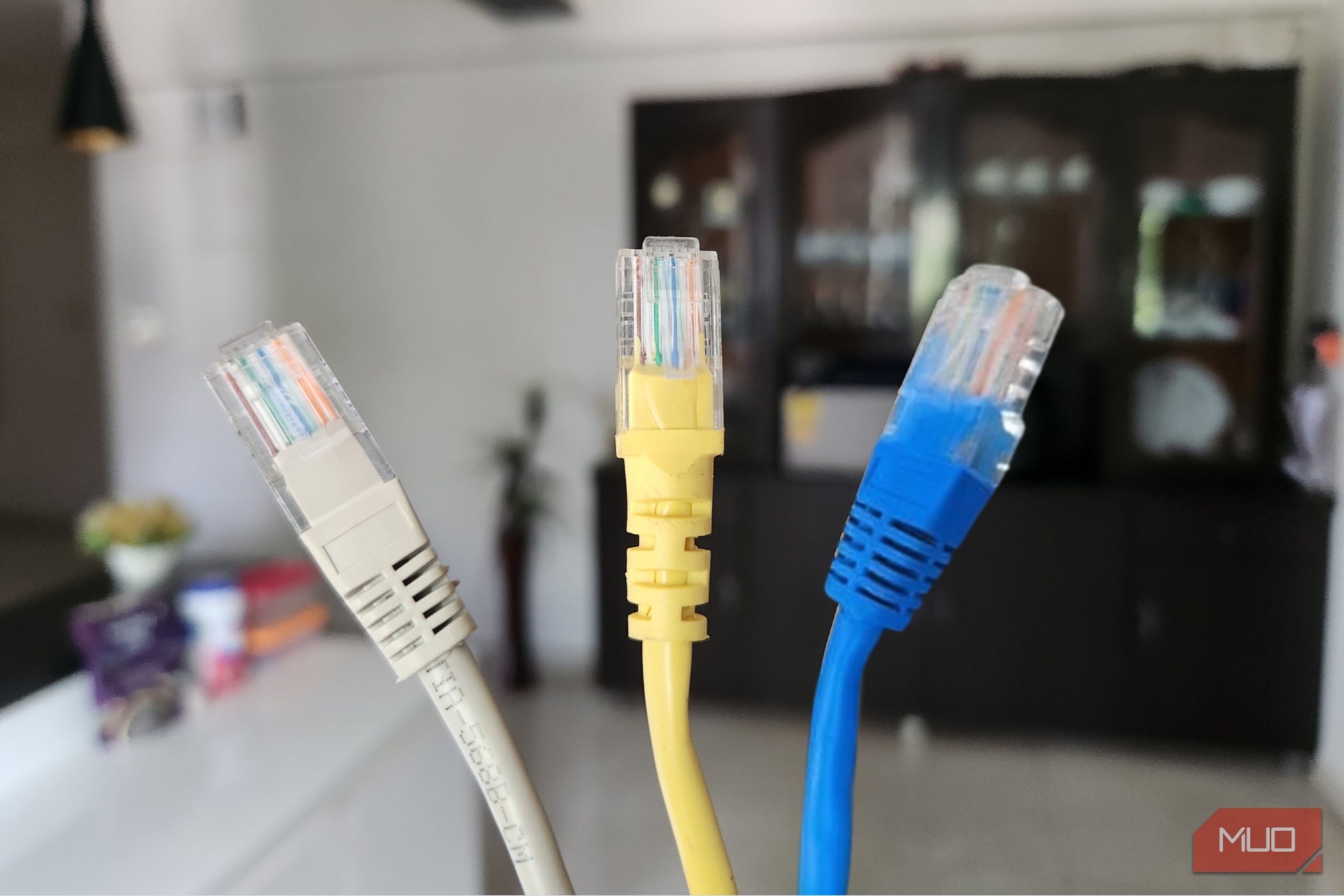
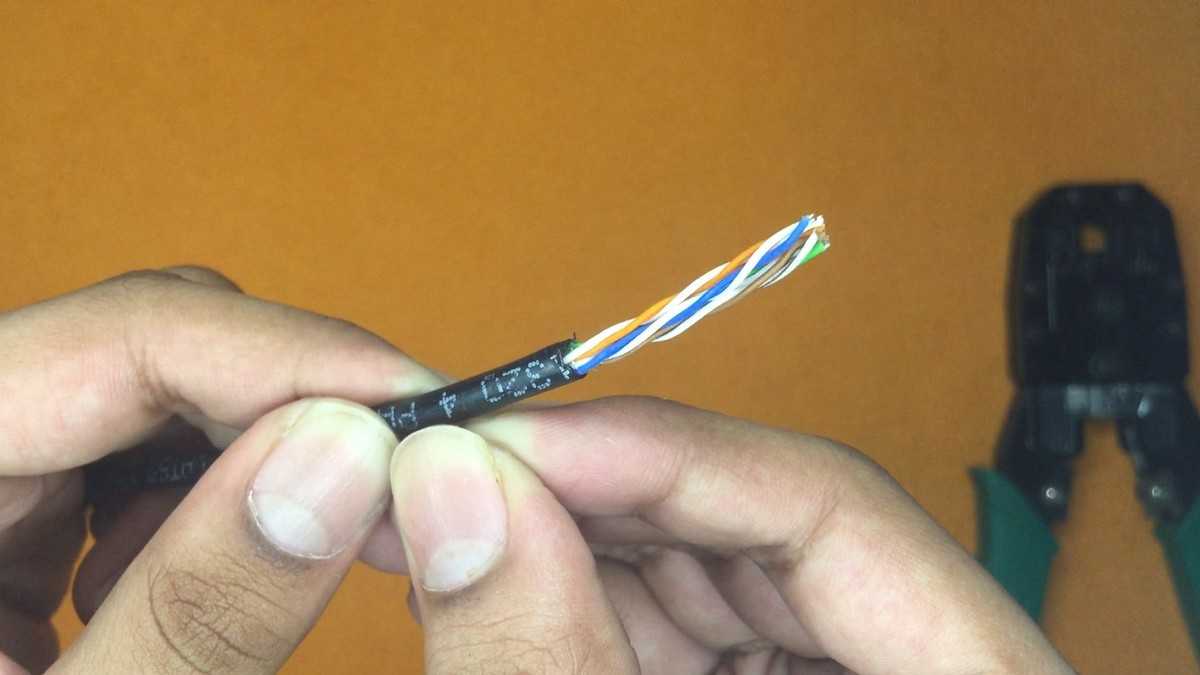
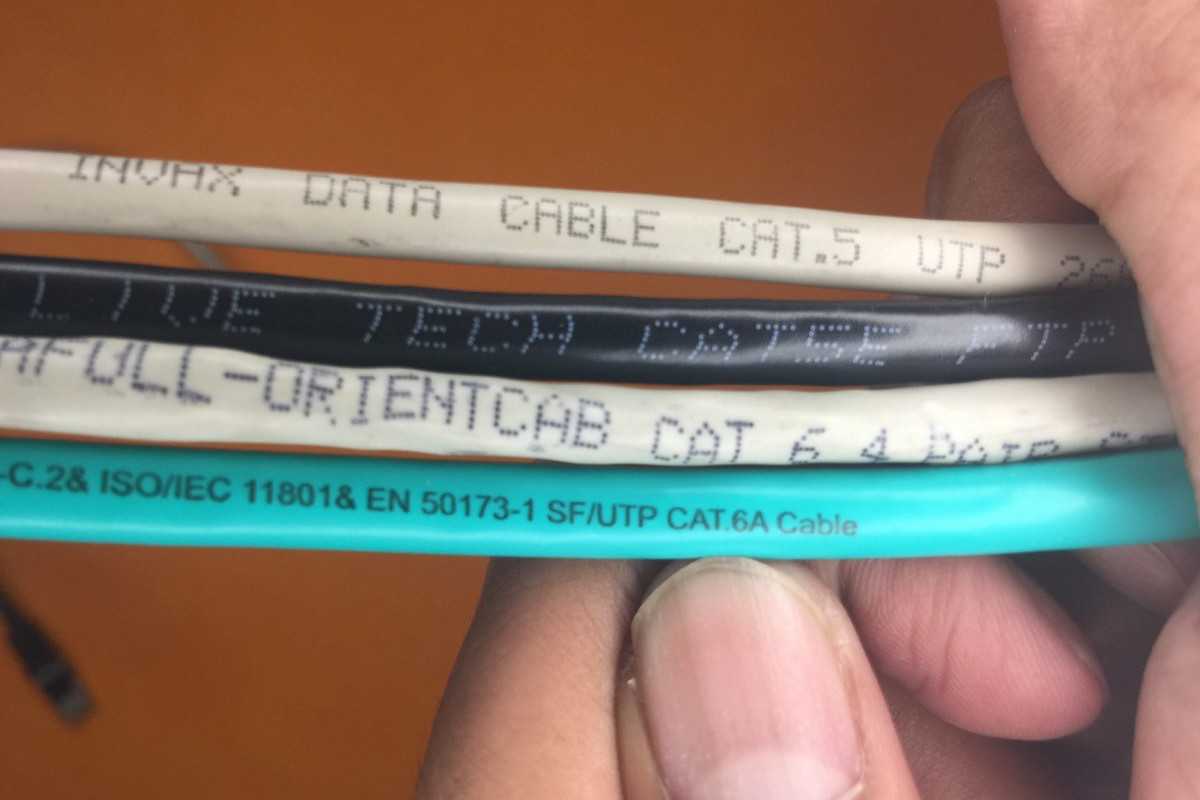 Photo by Arjun Vishnu - No attribution required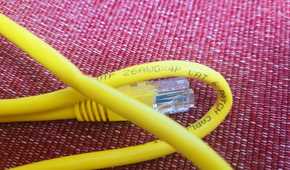
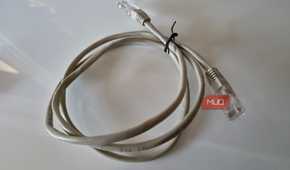
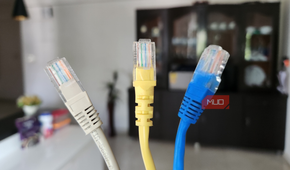
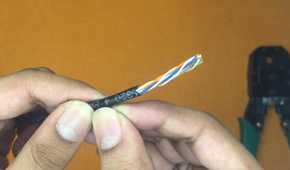
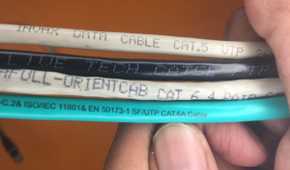
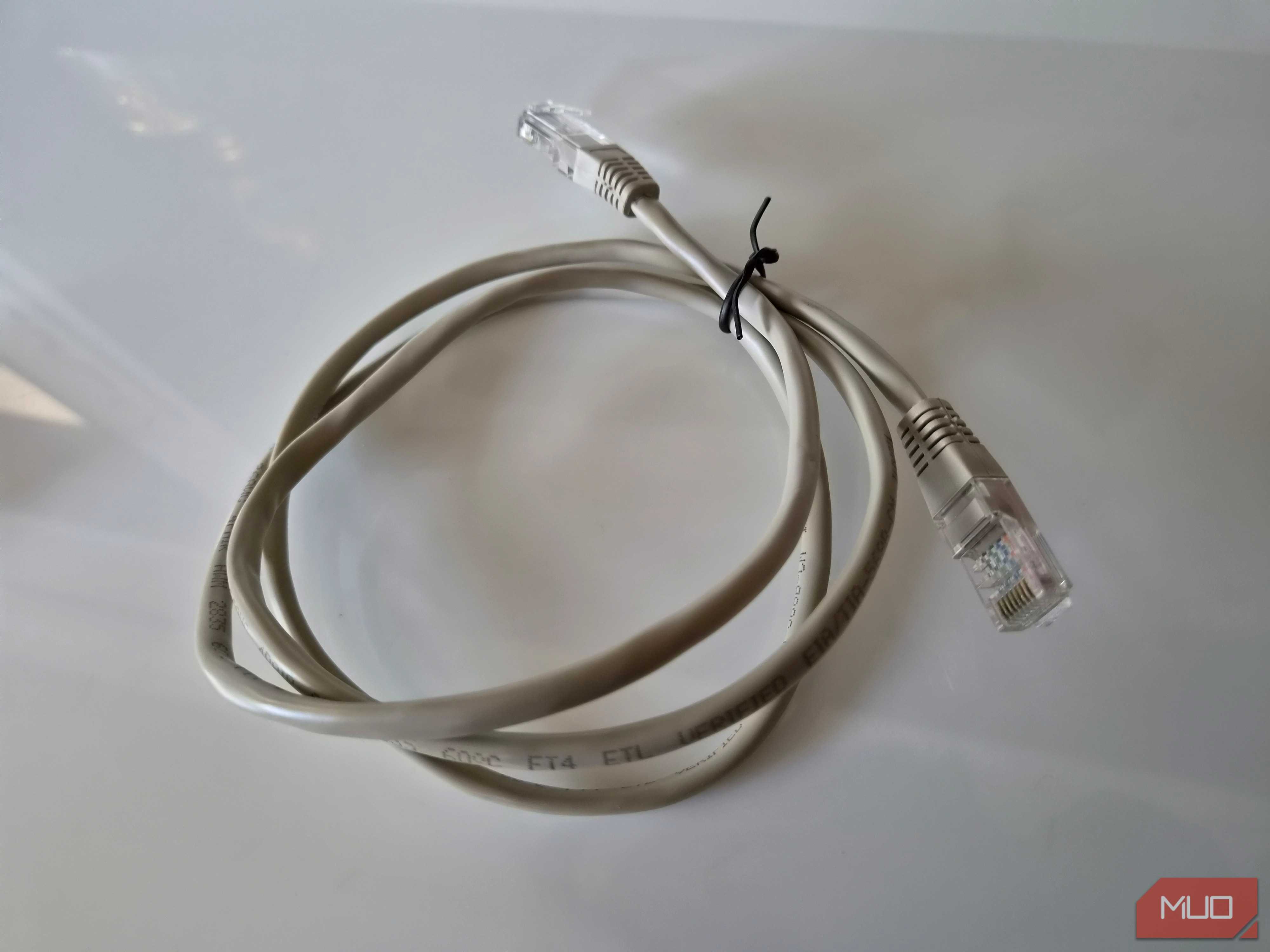
Say you dodge the CCA trap and buy solid copper. You're still only halfway there if the run sees weather. Indoor cable wears a jacket meant for a climate-controlled wall, and sunlight breaks it down. The jacket cracks, moisture works into the twisted pairs, and a run that tested fine in October starts acting up by spring.
Outdoor cable fixes that with a UV-resistant jacket, usually filled with gel or water-blocking tape to keep moisture out of the core. Look for a direct-burial or outside-plant rating on anything exposed. Then watch for the trap inside the trap, because plenty of cable sold as "outdoor" or "direct burial" is still CCA underneath. The weather rating and the copper are two separate boxes to check, and the label loves to blur them.
Where the cable passes through your wall, outdoor cable usually isn't fire-rated for indoors, so the cleanest runs switch to an in-wall cable at that point. A camera is only as dependable as the network behind it, and I've put real work into keeping that network up through every storm and power blip.
What actually belongs behind an outdoor camera Pure copper Cat6 with a jacket rated for the weather Pexels - No Attribution Required
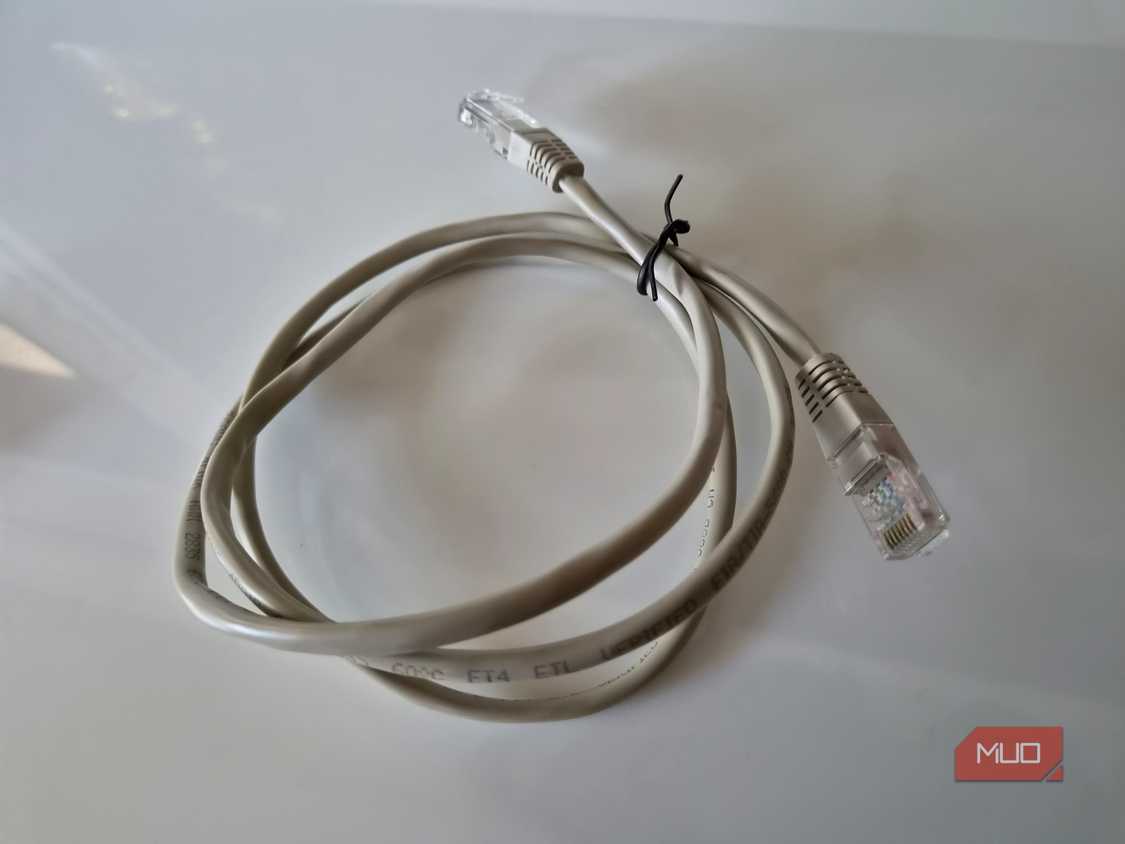
 The cable you want is solid bare copper, Cat6, in 23AWG, with an outdoor-rated jacket for any stretch that's exposed. Cat6 is the sweet spot for a camera. Move up to Cat6A only for a long run or a power-hungry model, and skip Cat5e, which has aged out of this job.
Checking for real copper takes a minute. Read the jacket print and the spec sheet for the terms "bare copper," "solid copper," "100% copper," or "CU." A listing that names the category but says nothing about the metal is a bad sign. Anything marked CCA, or vague about the conductor, isn't worth your money. You can weigh it, since copper runs noticeably heavier than aluminum, or nick a scrap end and look for a silver core.
Copper costs more, which is exactly why the cheap aluminum crowds the shelves. A short outdoor run of the real thing goes for maybe $20–$40, pocket change next to the camera and the afternoon you'll spend on a ladder. I buy pure copper spools and crimp my own ends, and I already trust that same cable to carry PoE to the Echo Hubs I mounted around the house.
Get the wire right before the camera ever goes upThe camera gets all the attention. The wire behind it quietly decides whether the picture holds through a hot afternoon or a storm rolling through. It comes down to two things. The conductor has to be solid copper. Aluminum wearing a thin copper coat won't cut it. And the jacket has to survive whatever weather that spot gets. Both facts are printed on the cable, so you can settle it in the store, before you're ever up on a ladder. Choose the right cable once, and the camera simply does its job, which is the whole reason you put it up there.