India's startup funding story in the first half of 2026 is one of contrasts. Startups collectively raised $7.2 billion, 12% more than a year ago, according to Tracxn's India Tech H1 2026 report. Yet the number of funding rounds dropped 43%, first-time funded startups declined 31%, and institutional investors became increasingly selective about where they deployed capital.
The shift marks more than a temporary market correction. It signals a venture ecosystem where capital is concentrating around fewer companies, larger funding rounds, and sectors such as AI infrastructure, data centres, and clean energy, while early-stage founders face a more challenging fundraising environment.
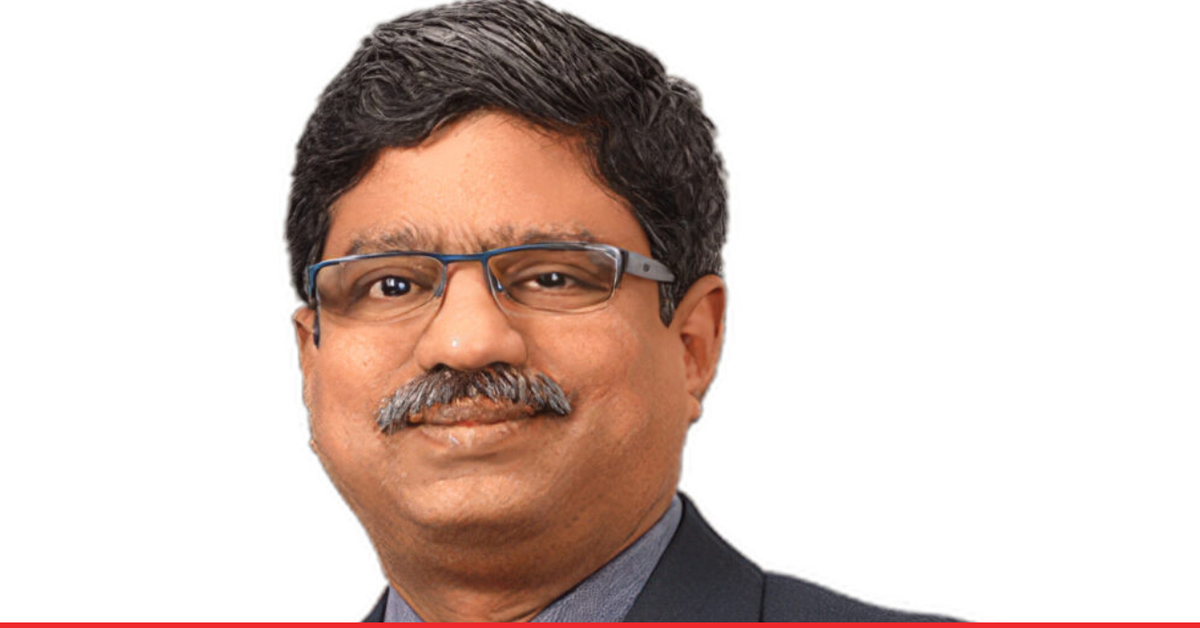
To understand what these trends mean for India's startup ecosystem, CIOL spoke with Ashutosh Srivastava, VP, Investments at SanchiConnect. He believes investors haven't lost their appetite for innovation. Instead, they have fundamentally changed what they expect before writing a cheque.
Srivastava believes India's venture capital market is entering a more disciplined phase where operational execution, financial discipline, and long-term market opportunity carry greater weight than ambitious ideas alone. While he sees growing investment in AI infrastructure and deeptech as a sign of ecosystem maturity, he also cautions that shrinking seed activity and fewer first-time funded startups could weaken India's innovation pipeline over time.
Interview excerpts.
Tracxn's report shows funding increasing even as deal volumes continue to decline. Has venture investing shifted from backing ambitious ideas to rewarding proven execution?
It has, and I see that as a healthy correction rather than a loss of ambition. The numbers tell the story. Funding increased by 12%, but the number of rounds fell 43%. Investors haven't stopped backing bold ideas; they've become much more selective about which ones they support.
Founders today need more than strong technology. They need financial discipline, clear execution, and evidence that they can build a sustainable business. Ambition might get you into the meeting, but execution is what gets the investment.
Nearly a third of all funding went to just three companies, while first-time funded startups fell significantly. Is this making the ecosystem stronger or simply harder to enter?
This is probably the trend that concerns me the most. A healthy startup ecosystem isn't measured by how much capital a few companies can attract. It's measured by how many new companies have an opportunity to break through.
If access to early-stage funding keeps narrowing, we risk discouraging the next generation of entrepreneurs before they even begin building. Over time, that could leave India with fewer startups entering the pipeline.
AI infrastructure, data centres, and clean energy dominated the largest funding rounds this year. Is India entering an infrastructure-led deeptech investment cycle?
I believe we are, and overall that's a positive signal. Large investors commit capital to infrastructure only when they have confidence in long-term demand. That reflects growing maturity in India's technology ecosystem.
At the same time, we shouldn't allow the focus on AI infrastructure to overshadow other deeptech sectors. Companies building robotics, industrial automation, or advanced manufacturing technologies also need access to long-term capital if India wants a balanced innovation ecosystem.
Neysa and Sarvam reached unicorn status in less than three years. Is AI fundamentally compressing the startup lifecycle?
Not sure the lifecycle itself has changed. What's changed is investor conviction. Investors are pricing in future strategic value much earlier than before because they believe AI will create large markets. I would describe this as conviction investing rather than saying AI has permanently shortened the journey to becoming a unicorn. Ultimately, companies still have to deliver on those expectations.
IPO timelines are shrinking, but seed funding and first-time founders continue to decline. Are we solving one problem while creating another?
Absolutely. It's encouraging to see more companies reaching the public markets faster because that shows the ecosystem is maturing.
But we also need to pay attention to what's happening at the beginning of the pipeline. Seed funding, first-time founders, and active investors are all declining at the same time. If that trend continues, we'll have a stronger exit market but far fewer companies ready to benefit from it in the years ahead.
Government priorities around AI, semiconductors, and clean energy increasingly mirror venture capital flows. Are investors following market signals or policy direction?
It's both; government policy reduces uncertainty. When there's regulatory clarity and visible long-term demand, investors become more comfortable deploying capital into those sectors.
In practice, we've seen investment accelerate soon after policy direction becomes clear. That's a natural response, and it shows how closely public policy and private capital are now aligned in shaping India's technology ecosystem.
The Tracxn report suggests India's startup ecosystem is becoming more disciplined rather than less active. Larger funding rounds, faster IPOs, and growing interest in AI infrastructure point to a market with increasing investor confidence. At the same time, falling seed investments, fewer first-time funded startups, and declining investor participation raise questions about the strength of tomorrow's innovation pipeline.
For Srivastava, that is the trend founders, investors, and policymakers should watch most closely. India's next phase of startup growth, he argues, will depend not only on producing bigger winners but also on ensuring enough new companies continue entering the ecosystem.