
Remember me






By Qing Feng, Vision Times
Large areas of China’s Guangxi Zhuang Autonomous Region remain under water after days of torrential downpours stemming from Tropical Storm Maysak have triggered severe flooding across the region, including a major breach at the Liulan Reservoir in Hengzhou. At least two other reservoirs in the region also suffered partial collapses, forcing further evacuations and compounding the disaster. The flooding has claimed at least 39 lives and displaced more than 100,000 residents.
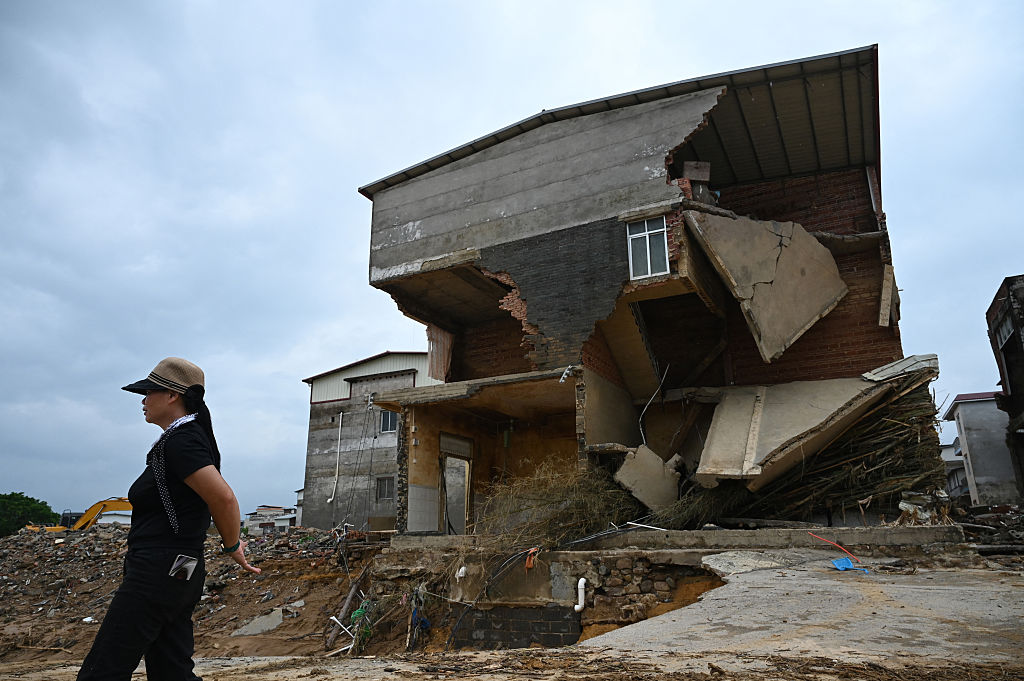
The flooding has inundated entire towns and villages, disrupted power and communications, and forced large-scale evacuations, while also exposing vulnerabilities in the region’s aging water infrastructure.
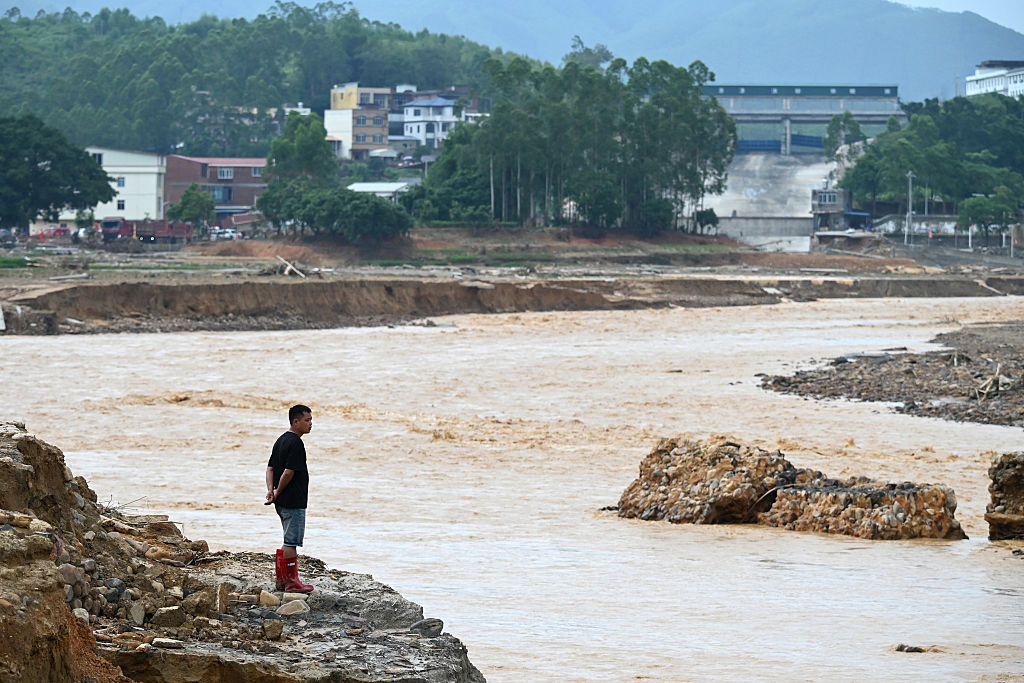
According to local authorities, the reservoir breaches, each measuring roughly 50 meters (164 feet) wide, formed in the embankment of Liulan Reservoir on July 6, releasing large volumes of water downstream. The reservoir, originally completed in 1960, serves multiple communities in the surrounding area.
RELATED: As Guangxi Flood Victims Waited for Rescue, Beijing Announced New Aid to Venezuela
Communities overwhelmed SuccessYou are now signed up for our newsletter
SuccessCheck your email to complete sign up
Residents described floodwaters rising with little warning. One local resident told Chinese media that her parents, who lived several kilometers downstream from the reservoir, received an evacuation notice early in the morning. Within about an hour, water had entered the first floor of their home and continued rising until they were forced to seek refuge on an upper level.
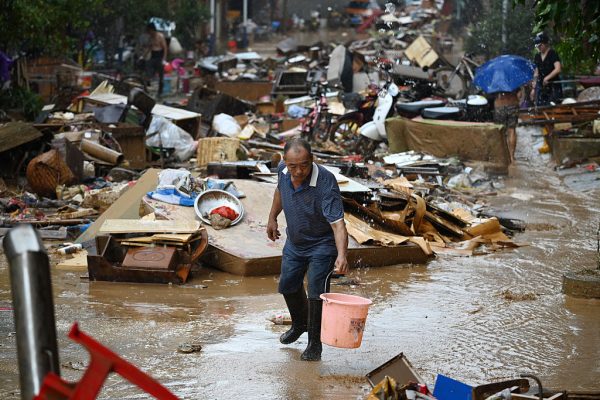 A man collects rainwater outside a row of houses which were flooded up to the second floor when a reservoir collapsed near Gantang, in China’s southwest Guangxi region on July 9, 2026. (Image: GREG BAKER/AFP via Getty Images)
Other residents interviewed by Chinese-language media described widespread flooding, damaged homes, and interruptions to electricity, mobile service, and internet access. Village officials also reported that dozens of residents were temporarily stranded on rooftops while awaiting rescue.
As rescue operations progressed, official casualty figures were revised. At an evening news briefing on July 6, authorities reported two deaths and approximately 55,000 people affected by the flooding. By the following morning, officials updated the figures to four confirmed deaths, eight people missing, and roughly 84,700 residents affected. Now, we know at least 39 people have lost their lives.
Search-and-rescue underwayTo quell backlash, authorities said changing casualty totals are common during large natural disasters as rescue teams gain access to isolated communities and additional information becomes available. Emergency officials have also cautioned that assessments may continue to evolve while recovery efforts remain underway. However, the revisions have fueled skepticism among some Chinese netizens, who questioned whether the initial figures fully reflected the scale of the disaster.
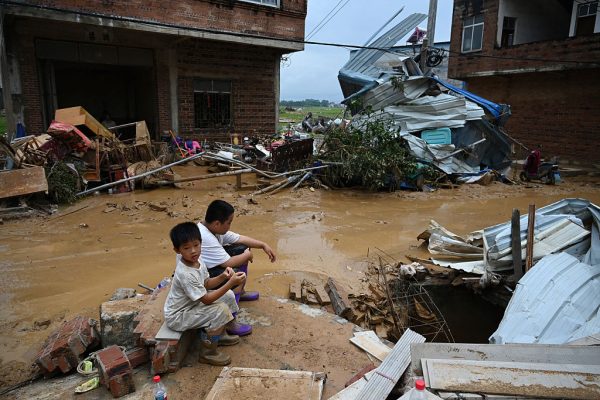 Children sit next to houses which were damaged when the Liulan reservoir collapsed on July 6, in China’s Liulan village, located in Hengzhou city southwest Guangxi on July 8, 2026. (Image: GREG BAKER/AFP via Getty Images)
The flooding also prompted a wave of information, and misinformation, across Chinese social media. As residents shared videos and reports from affected areas, claims circulated online that additional reservoirs in Guangxi had also failed.
Local authorities in Guigang later issued statements saying reports that Dakai Reservoir and Shiniu Reservoir had collapsed or developed major leaks were false, adding that those reservoirs were operating normally.
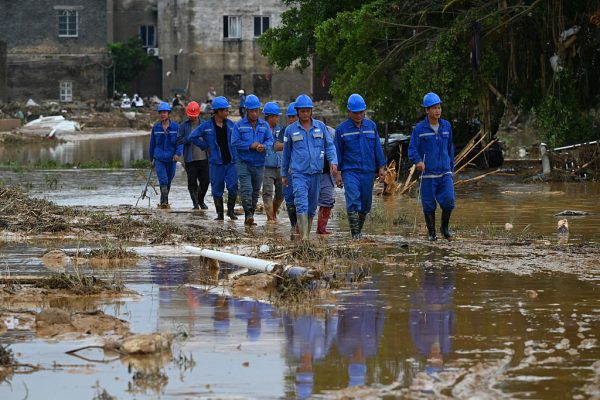 Workers walk through flood waters from the collapsed Liulan reservoir in Liulan village in Hengzhou city, China’s southwest Guangxi region, on July 8, 2026. Rescuers scoured flooded parts of China for survivors on July 8 after storms killed 17 people and caused dozens of rivers to overflow and a reservoir dam to burst, with officials warning of more rain. (Image: GREG BAKER/AFP via Getty Images)
The simultaneous circulation of eyewitness accounts, unofficial reports, and government statements underscored the challenges of communicating during a fast-moving natural disaster, particularly in areas where communications infrastructure had been disrupted.
Questions about reservoir upgradesThe disaster has also renewed attention on the condition of aging water infrastructure. Public records indicate that Liulan Reservoir underwent multiple rounds of renovation and reinforcement over the past decade, including a major modernization project completed in recent years. Previous local government reports described the reservoir as having undergone significant safety improvements and modernization.
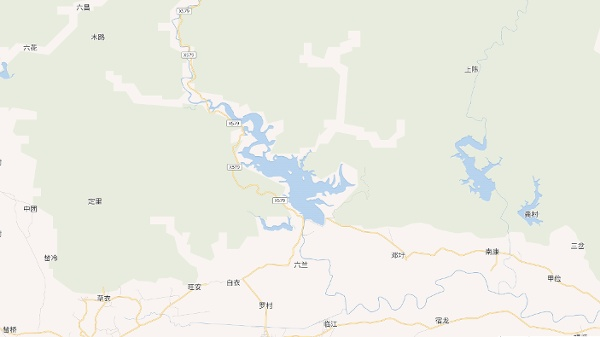 Location of the Liulan Reservoir (Image source: Wikipedia)
At the same time, emergency planning documents published by local authorities had acknowledged ongoing challenges related to flood prevention in rural areas, particularly during periods of unusually intense rainfall.
Engineering experts note that even recently upgraded reservoirs can face conditions that exceed their original design capacity when confronted with exceptionally severe storms. Whether the scale of this week’s rainfall exceeded the reservoir’s design limits, or whether additional factors contributed to the breach, will likely become a focus of future engineering investigations.
Emergency personnel remain engaged in rescue operations while residents begin assessing the extent of the damage. Beyond the immediate humanitarian response, the flooding is expected to prompt broader discussion about disaster preparedness, aging infrastructure, and emergency communication during major weather events.
For many families across Guangxi, however, the priority remains far more immediate: Locating missing relatives, restoring essential services, and beginning the long process of rebuilding communities devastated by one of the region’s most severe flooding events in recent years.