
Remember me


For many caregivers, a major concern is what happens when a loved one cannot communicate during an emergency. Whether due to autism, dementia, allergies, or chronic conditions, quick access to medical information can make a critical difference.
That concern inspired Joseph Gomez to develop a new approach to emergency preparedness.
“I’ve been in social services for over 35 years,” Gomez said. “Seeing the need for medical alert tools that improve safety and independence inspired me to create a solution.”
Today, Gomez serves as CEO of PazMental RD, whose MiRPRE (My Personal Emergency Response Record) system helps emergency responders quickly access vital medical information.
“The whole idea is to empower pre-hospital emergency medical care using intelligent technology,” Gomez said. “Our goal is to ensure peace of mind for families and caregivers.”
SuccessYou are now signed up for our newsletter
SuccessCheck your email to complete sign up
Working against time during an emergencyUnlike traditional engraved medical IDs, the MiRPRE system connects a wearable device to a secure online medical profile. By scanning a QR code or using NFC, first responders can quickly access vital information, including allergies, medications, medical conditions, and emergency contacts.
“We’re working against time,” Gomez said. “The biggest challenge is the lack of immediate medical information at the scene. That’s what we’re trying to solve.”
When scanned, the bracelet can notify designated family members and share the user’s location.
“The bracelet speaks on their behalf when they cannot,” Gomez said.
While especially helpful for children with autism, seniors, and people with chronic conditions, Gomez believes emergency identification can benefit everyone.
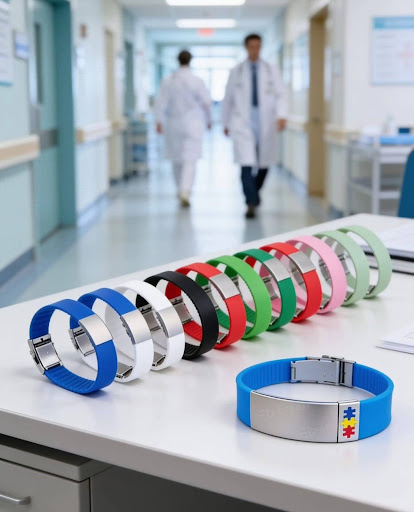 MiRPRE medical ID bracelets are designed to help emergency responders quickly access critical health information when every minute matters. (Image: courtesy of PazMental RD)
Education is just as important as technology
MiRPRE medical ID bracelets are designed to help emergency responders quickly access critical health information when every minute matters. (Image: courtesy of PazMental RD)
Education is just as important as technology
Although developing the platform involved technical challenges, Gomez believes the biggest challenge has been raising awareness.
“Saving lives starts with education,” he said. “Many people see the Star of Life symbol on ambulances or paramedics’ uniforms, but they don’t know what it means.”
His team uses a variation of the internationally recognized Star of Life symbol to make medical identification easier for first responders to recognize. The company also provides awareness symbols and colors connected with conditions such as autism, Down syndrome, cancer, and other medical needs.
For Gomez, helping communities understand these symbols is an important step toward creating safer environments.
Stories that reinforce the missionOver the years, Gomez has heard many stories from families who say the technology made a difference during emergencies.
He recalled a nightclub collapse in the Dominican Republic where a MiRPRE user was trapped beneath the rubble.
“A responder scanned her bracelet, and her mother immediately received the notification,” Gomez said. “She was able to tell rescuers exactly where her daughter was. They focused on that location and pulled her out.”
He also shared stories of children who became separated from their families in public places and were reunited after someone scanned their medical ID.
In the United States, Gomez says families have reported that emergency personnel were able to identify serious medication allergies before providing treatment.
“If paramedics don’t know certain allergies, they can unintentionally give medications that cause serious harm,” he said. “Those are the kinds of testimonials we continue to receive.”
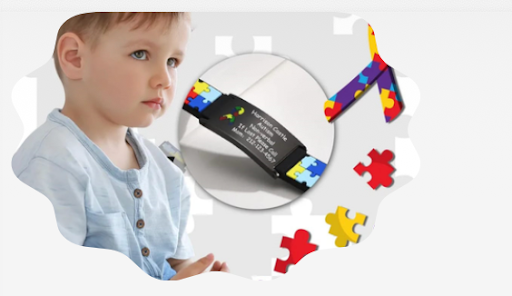 MiRPRE medical ID bracelets help provide an extra layer of safety and support for children and families during emergencies. (Image: courtesy of PazMental RD)
Looking ahead: Listening to caregivers
MiRPRE medical ID bracelets help provide an extra layer of safety and support for children and families during emergencies. (Image: courtesy of PazMental RD)
Looking ahead: Listening to caregivers
Gomez says caregiver feedback continues to guide the platform’s development. New accessibility features have been added for people with vision or hearing impairments, and the company is exploring how artificial intelligence could further assist bystanders and first responders.
“We’re constantly listening to parents and caregivers,” Gomez said. “That’s how we added accessibility features and emergency response functions. We’re always improving because we hear their concerns.”
For Gomez, the mission goes beyond technology.
“Education is where it starts,” he said. “The more people understand emergency preparedness and medical identification, the safer our communities become.”
For caregivers, knowing that their loved ones can be identified and supported when they cannot speak for themselves provides something invaluable: peace of mind.