Idaho advocates map safe bathrooms for transgender people
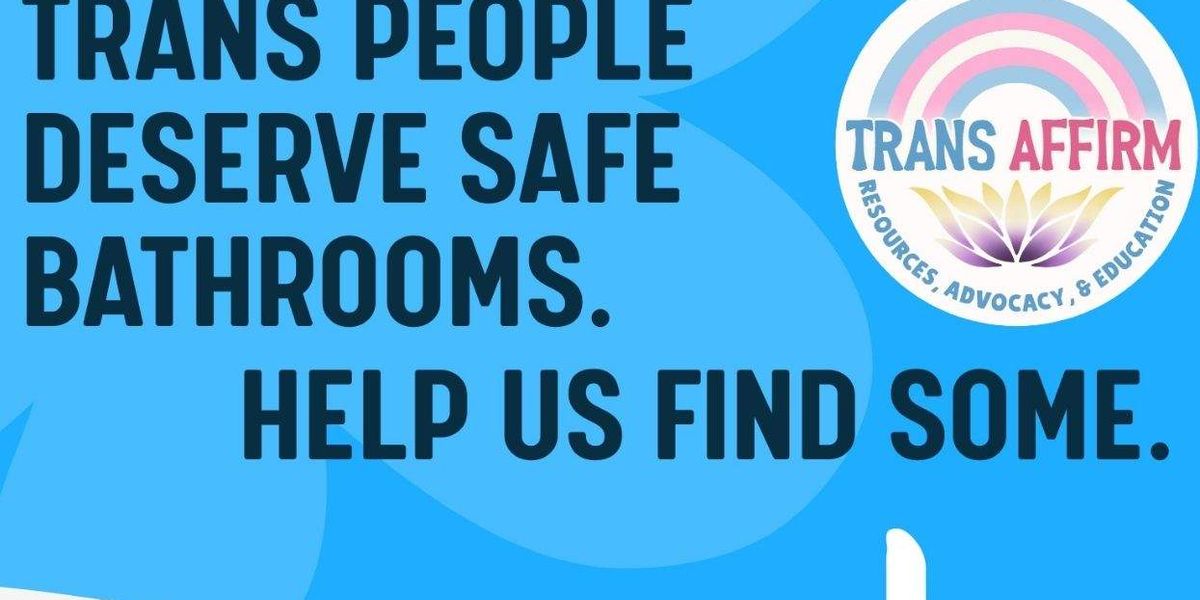
A new Idaho law may outlaw transgender people’s use of public restrooms, but advocates are mapping the private facilities where anyone can pee in peace.Trans Affirm just released an online “Idaho Inclusive Bathroom Map,” which shows both the safe and non-inclusive places where residents can use the restroom facilities aligned with their gender identity. The organization has been building the map in the wake of Idaho Gov. Brad Little signing one of the most sweeping statutes in the country criminalizing restroom use.“It is already a confusing law as it is, Trans Affirm board member Scar Rulien told the Idaho Capital Sun. “And it can be scary for transgender people, who identify as one gender, to use the bathroom that is of the gender that they don’t identify as. Especially if they are actively transitioning and look like the gender that they identify as, it can pose a risk to their safety.”Related: Federal court blocks Idaho law criminalizing restroom use by transgender peopleThe map was created to help transgender Idahoans chart a literal course to safe spaces.“The Idaho Safe Bathroom List was created because our communities need practical tools, not just conversations,” reads a description page on the website. “We wanted to build a resource made by Idahoans, for Idahoans, that increases access to information, strengthens community knowledge sharing, and helps people feel more prepared when moving through public spaces.”Most safe locations marked on the map right now are single-stall, gender-neutral restrooms. The map also includes public spaces identified through community input as “positive and welcoming.”Trans Affirm intends to frequently update the map to keep up with changing policies by businesses and others that manage community spaces.Related: Idaho says it can use DNA testing to enforce anti-trans bathroom banIdaho’s law makes it a crime to “knowingly and willfully” enter a restroom or changing facility that does not align with one’s sex assigned at birth in a government building or place of public accommodation. A first offense is punishable by up to one year in jail. A second conviction within five years can be charged as a felony, carrying a potential sentence of up to five years in prison.Last month, a federal judge blocked some government enforcement of the ban, responding to a lawsuit brought by a group of transgender Idahoans and backed by the American Civil Liberties Union.