
Remember me

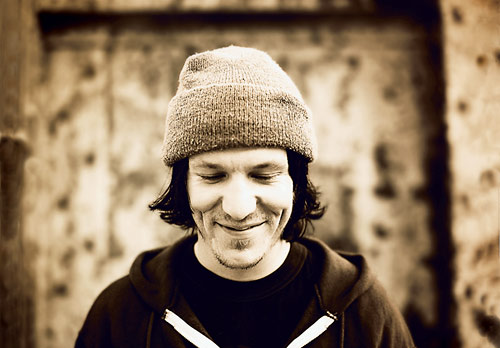
Jon Spencer chewed up the better part of four decades with an impressive parade of impactful bands, from Pussy Galore and Boss Hog to the Jon Spencer Blues Explosion and Heavy Trash. In the process, he rarely strayed from the script, consistently employing crushing guitars, raw grooves and unfiltered emotion as vehicles for liberation. Even at 61, the New Hampshire native and onetime Ivy Leaguer continues to evolve—but the restless, rebellious and defiantly human ingredients remain the same.
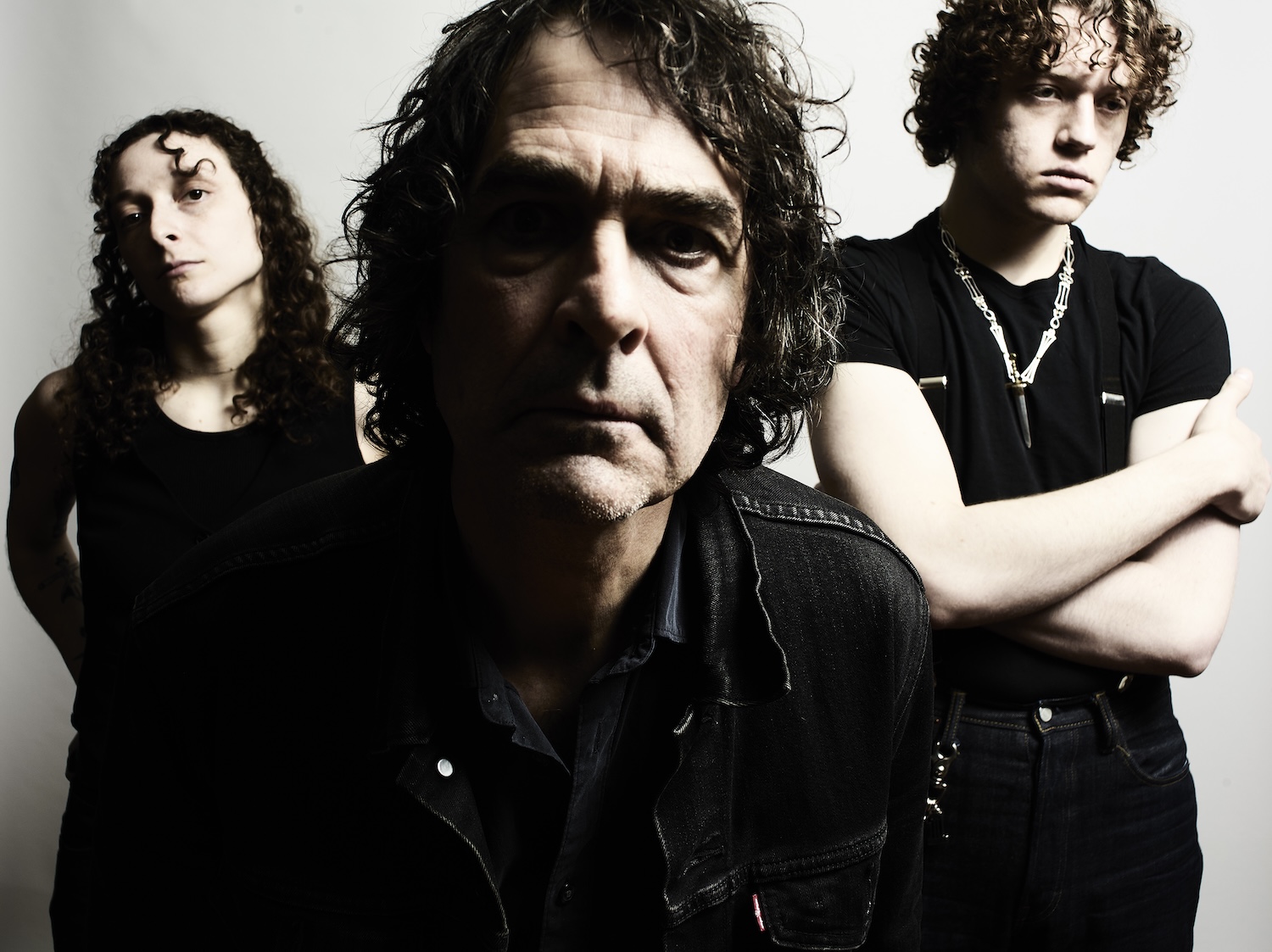
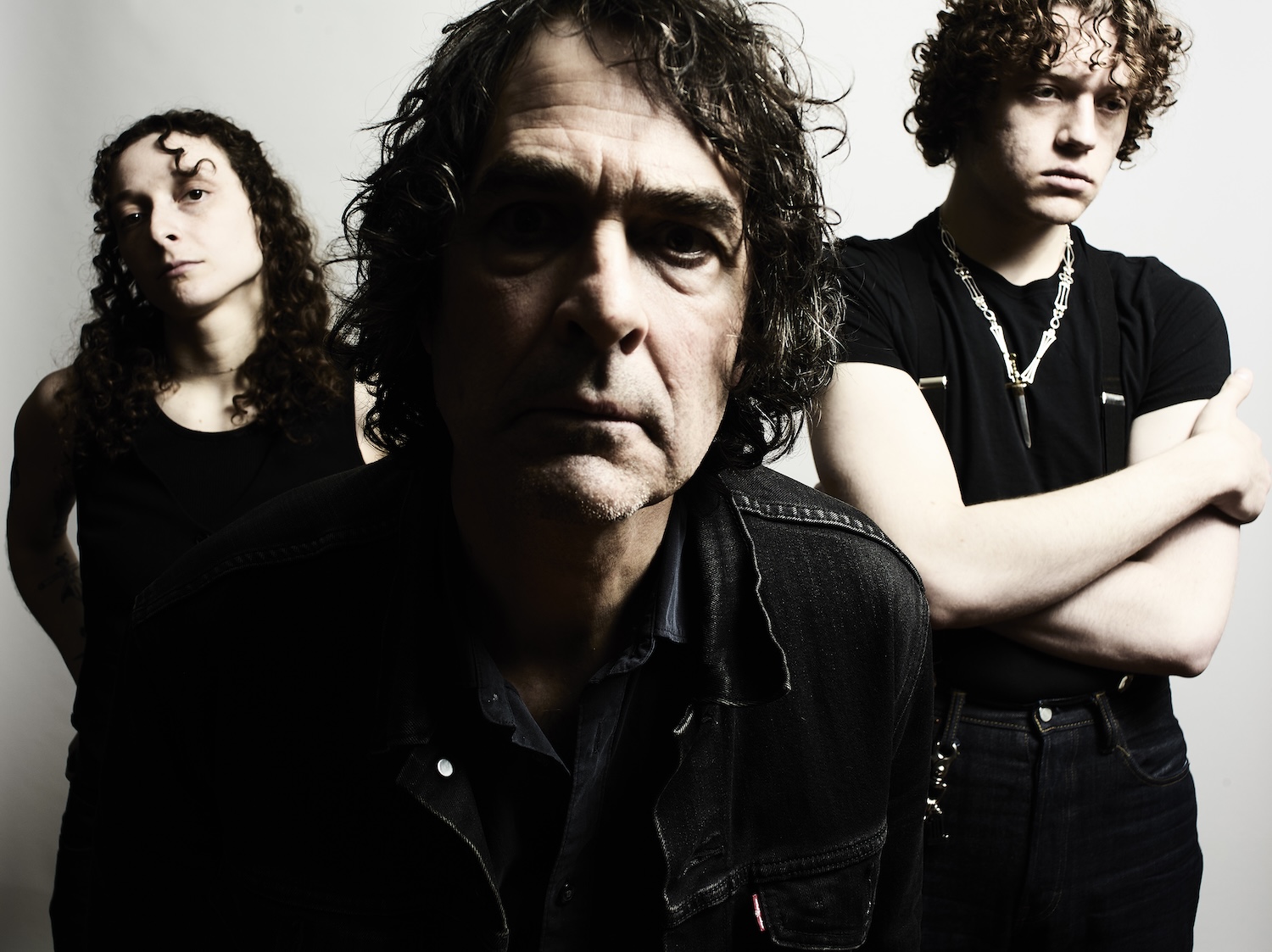
Part reflection of the times, part antidote to indifference, Songs Of Personal Loss And Protest (Shove) arrives at a moment when the personal and political feel increasingly inseparable. Recorded with drummer Spider Bowman and bassist Kendall Wind, the same potent (and much younger) rhythm section behind 2024’s Sick Of Being Sick!, the album bottles the explosive chemistry of a group that’s spent the past several years torching stages around the world. Their uncompromising power-trio assault is the perfect foil for weighty themes that grapple with loss, resilience and the ongoing battle against cynicism
Shortly before another trip to Europe for a string of shows, Spencer sat down with MAGNET’s Hobart Rowland via Zoom from his home in New York’s Hudson Valley. He still insists that rock can be a communal force capable of transforming anxiety into action. At this point, it’s hard to imagine anyone or anything can convince him otherwise.
You first connected with Kendall Wind and Spider Bowman while producing Samantha Fish and Jesse Dayton’s Death Wish Blues. How did that evolve into your current band?
Samantha was the one who made it happen. She’d been very plain about how the Blues Explosion record with R.L. Burnside, A Ass Pocket Of Whiskey, made a big impression on her when she was younger. After the record was done, Samantha and Jesse were getting ready to tour, and Sam asked if I’d want to support some shows. At the time, I didn’t have a band. The HITmakers were done and there was no current group, but I thought I’d just get a rhythm section together and start with that. My first thought was Kendall, who played on the Death Wish Blues album. I knew her from the Bobby Lees. I’d produced one of their records a few years earlier, and I was really impressed with her playing. The Bobby Lees were on hiatus, so she was up for it. Then I asked if she’d ask Spider, her drummer. Those Samantha Fish and Jesse Dayton shows were the first time we went out together. At first, we were only playing songs from my back catalog: Blues Explosion, Heavy Trash, Pussy Galore, HITmakers. That’s how this band started.
This lineup sounds incredibly locked in on Songs Of Personal Loss And Protest. What makes this trio work so well?
Most of the credit should go to Kendall and Spider. They’ve been playing together since they were teenagers. They’re both excellent musicians, and they’re up for any challenge.We’ve been lucky because not every band works, but this one seems to be working. We’ve found a common language where we’re able to put on a show and make new music together. This is our second record together, and now Kendall and Spider are involved in the songwriting as well. It’s becoming much more of a group. I love playing with the two of them, and it’s been a real gas revisiting some of my older songs in this more traditional format.
How did you make this one?
For Sick Of Being Sick!, I wrote the songs myself. On this one, Kendall and Spider were bringing more to the table. One song, “No More,” was written in the studio, but everything else was written beforehand and thoroughly rehearsed. Both records were recorded at Applehead Recording in Woodstock with engineer Chris Bittner. We play everything live on the studio floor. When you get a band playing together, something magical is likely to happen. That’s always how I’ve made records.
The album packs 12 songs into just more than 30 minutes.
It’s old-school. That’s the way albums used to be, and I miss that. It was done that way on purpose.
The title of the new album suggests the personal and political have become impossible to separate.
I think it’s impossible to parse those two apart—especially living in the United States right now, where people are being rounded up and put into basically concentration camps. All of us need to ask ourselves, “Is this OK? Is this how I want my fellow human beings to be treated? What kind of world do I want to live in? What about my children or grandchildren?” Are we just going to sit on our hands looking at our phones? Or are we going to say something and try to do something? Because this is all we’ve got. There’s no second chance.
I think we need to remember our history and learn from it. Otherwise, we’re doomed to repeat the same terrible mistakes. A lot of this current political movement seems to be about selfishness … “What about me?” But we’re living together. You’re in your neighborhood, your town, your city, your state, this country. The world is a small place. Everything affects everything else. That kind of selfishness and short-sightedness isn’t OK. We need to look out for each other. The corruption is so blatant. A lot of what’s happening just seems based on cruelty. And these people talk about religion and God while behaving in frankly un-Christian ways. The reason it feels so visceral is because it’s so fucking terrible. It’s so cruel, so corrupt and so clear. We can all see it. It’s Orwellian. We’re repeatedly told that’s not what’s happening when it’s plain as the nose on your face.
Your press materials describe this LP as “the new, new super-heavy rock for hard times.” Do you still believe rock ’n’ roll can make a difference?
Possibly. Otherwise, I wouldn’t be making this record. I’m an optimist. I’m also an old man. I’ve come a long way from my very angry and confused younger days. I couldn’t help but write these songs. When I’m playing a show, I can’t help but say something to my fellow human beings there in the room. Rock ’n’ roll—one of America’s true gifts to the world—did change the world. Is it still some world-changing force? I don’t know. Capitalism co-opts and defangs everything.
But traveling around playing shows, talking to people afterward, I do feel a sense of community. Maybe I’m preaching to the converted, but there are many people who feel the same way. It’s easy to feel disconnected today. I think the powers that be want us disconnected and stupid. So, to stand up and say, “This isn’t OK,” takes guts. To have people come together at a rock ’n’ roll show and share that moment—I think there’s value in that.
After all these years on the road, what’s your take on today’s music industry?
The way music is manufactured and consumed is always changing. We’ve gone from LPs and 45s to cassettes, CDs, mp3s and streaming. Now people don’t want to pay for music. But one thing hasn’t changed: the primal, communal thing that happens at a good rock ’n’ concert. It can be almost spiritual. It can be like a church service. It’s not just about me or the band playing songs. It’s about everyone in the room. Everybody gets plugged into the moment. I’ve been playing shows for more than 40 years, and those special, unreal, almost otherworldly moments that happen during a great concert are still possible. That hasn’t changed.
You’ve been touring long enough to have fans who’ve followed you for decades.
It’s nice that people my age still come out and tell me they saw the Blues Explosion back in 1993. It’s always nice hearing those stories, because I can’t remember any of it. But what’s really nice is seeing young people. If I was relying only on the people who saw me back in the day, that would be a dwindling pool.