
Remember me








Benefits fraudsters who hide their assets cost taxpayers more than £25 million a week, data shows.
Claimants with savings and investments that mean they are not entitled to welfare handouts claimed £1.3 billion in the last financial year, official figures show.
The amount fraudulently claimed has jumped by more than one third since it was calculated at £982 million in 2021-22.
Helen Whately, the Conservative work and pensions spokesman, said that the system was being ‘gamed’ by cheats.
‘Billions of pounds of taxpayers’ money is lost to benefit fraud each year. People are abusing and gaming our welfare state, and this undermines public trust in it,’ she said.
‘After two years in office, Labour is failing on welfare reform, failing on welfare savings and so far they have been failing to stop welfare fraud too.’
Lee Anderson, chairman of Reform UK, said Labour had failed to get a grip on welfare, allowing benefits fraudsters to laugh ‘all the way to the bank’.
The figures from the Department for Work and Pensions (DWP) show hundreds of claimants are stashing away cash savings and assets.

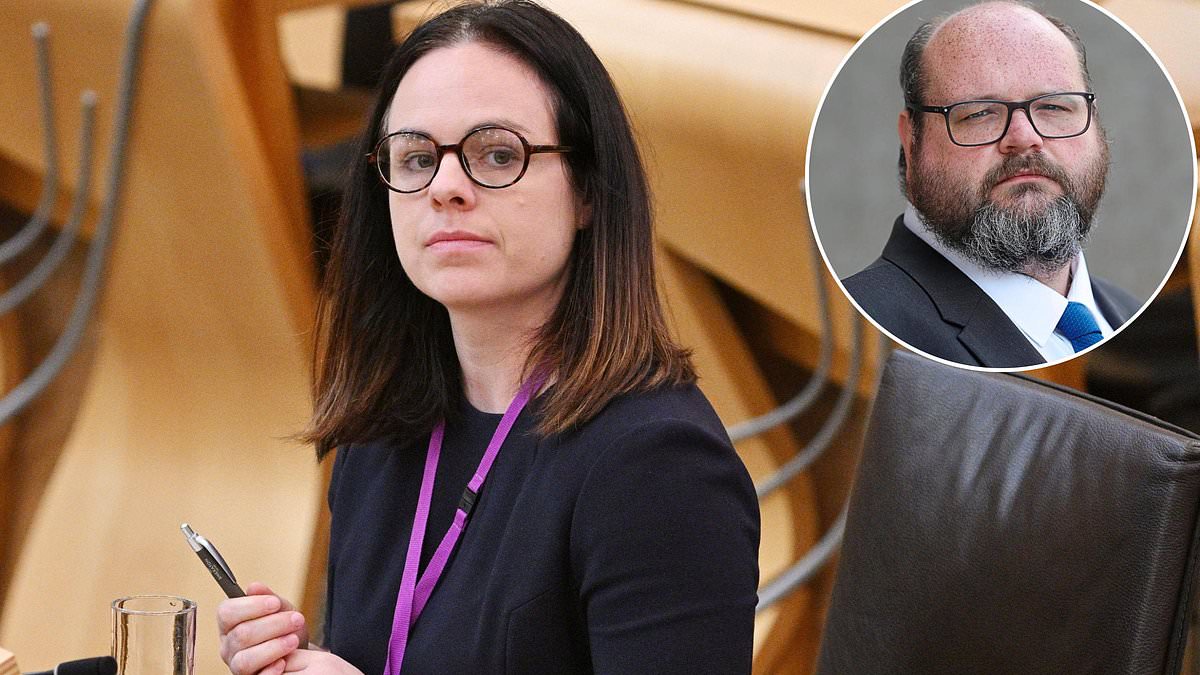
Helen Whately (pictured), the Conservative work and pensions spokesman, has said that the benefits system is being ‘gamed’ by cheats

Catherine Wieland, 33, claimed £23,000 saying anxiety kept her housebound. She was later pictured clubbing, surfing and ziplining in Mexico
Universal Credit handouts are restricted for those who hold savings of between £6,000 and £16,000, with payments reduced by £4.25 for every £250 someone has saved between those amounts.
Anyone with more than £16,000 in savings is not entitled to Universal Credit.
Most of the £1.3 billion bill for 2025/26 was made up of Universal Credit claims, but fraudulent housing benefit claims and pension credit fraud also hit the taxpayer hard.
This figure has increased by £68 million in just one year, with benefits cheats receiving £1.25 billion in 2024-25.
Fraudulent welfare claims have cost taxpayers more than £1 billion in each of the past three financial years, according to reports, and last year these types of claims comprised nearly a fifth of the £6.5 billion in taxpayers’ money lost to fraud.
It comes at a time when the benefits bill is predicted to spiral to £333 billion this year, an increase of roughly £18 billion year on year.
Last year, Prime Minister Sir Keir Starmer’s attempts to tackle the cost by limiting the criteria for people claiming personal independence payment (PIP) were thwarted by his backbenchers.
His likely successor Andy Burnham has said he won’t make ‘crude cuts’ to benefits but will instead create jobs for people.
Last week he hinted taxes would have to rise to pay for his proposed spending plans. He also said that although he would stand by Labour’s manifesto pledge not to raise income tax, there is ‘some room within that manifesto for movement on tax’.
Asked how he would tackle welfare spending, Mr Burnham said: ‘I’m not going to go with the crude cuts to benefit levels that then just put people who are struggling in even worse poverty – that often creates backlash, and understandably so.’
Instead, he said he would focus on reforming education, offering work placements to young people and building council homes to reduce the number of ‘Neets’ – young people not in education, employment or training.
To calculate the estimated fraud figures, the DWP reviewed a statistically representative sample of all claims made over the year.
A DWP spokesman said: ‘The Government inherited a broken system, but we now have stronger powers to go directly to banks and check what fraudsters are really sitting on as part of a commitment to save £14.6 billion over the next five years.
‘If you’re hiding savings to claim benefits you’re not entitled to, our message is simple: we will find out, stop the payments and recover money.
‘We’re committed to tackling all types of fraud and error, and have already reviewed over a million Universal Credit claims via our targeted case review and stopped £1 billion in incorrect payments.’