
Remember me
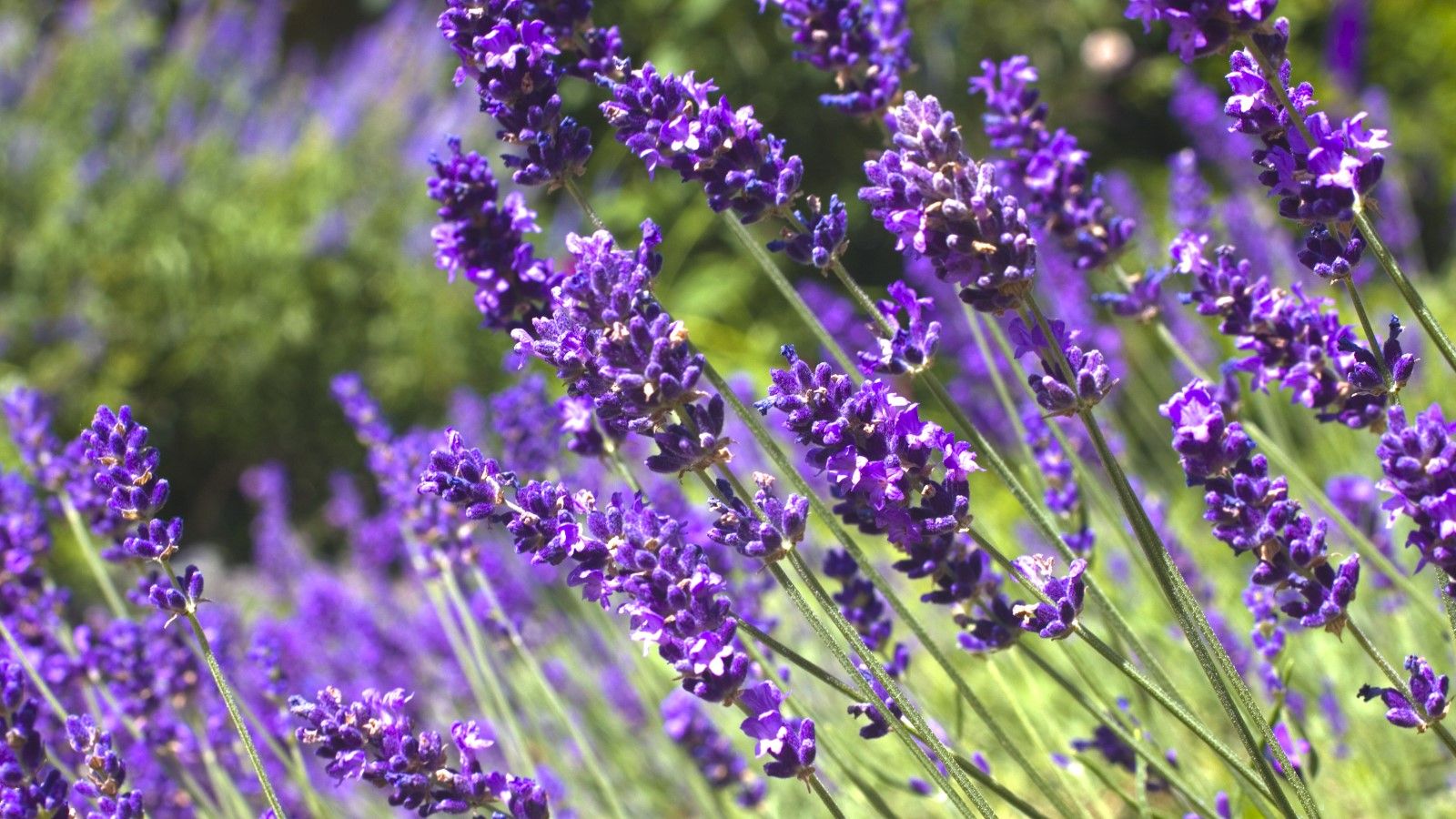





Lavender is often treated as a 'plant-it-and-forget-it' staple, but July is when it may need some extra care.
By mid-summer, most varieties are in full bloom, pollinators are busy working the flower spikes, and the plant itself is putting its energy into flowering rather than leafy growth. What you do now will directly affect how healthy it looks for the rest of the season – and how well it performs next year.
I've always loved the scent of lavender and grow it in my own yard every year. Two of my favorites are Sweet Romance® English Lavender for its intensely fragrant purple blooms, and Royal Anouk Spanish Lavender from Plant Addicts, which thrives in hot, sunny conditions and adds striking color to borders.
The Essential July Lavender Jobs to Do During a Heat DomeThis year, lavender care is especially important as a widespread heatwave is expected to intensify across parts of the U.S. in mid to late July, bringing prolonged high temperatures and dry conditions in several regions. For anyone looking to grow lavender, this combination of heat and strong sun can actually benefit established plants – so long as they’re not overwatered.
It also makes choosing the right lavender varieties more important than ever, since English lavender tends to perform best in cooler northern climates, while Spanish and French types are better suited to hotter, sunnier regions.
You may like What To Do With Lavender In May For More Flowers, Stronger Growth, And A Longer Bloom Season
 What to Do With Lavender in June for More Flowers, Stronger Growth, and a Longer Blooming Season
What to Do with Lavender in April to Set Your Plant Up for Its Best Summer Bloom Yet
What to Do With Lavender in June for More Flowers, Stronger Growth, and a Longer Blooming Season
What to Do with Lavender in April to Set Your Plant Up for Its Best Summer Bloom Yet
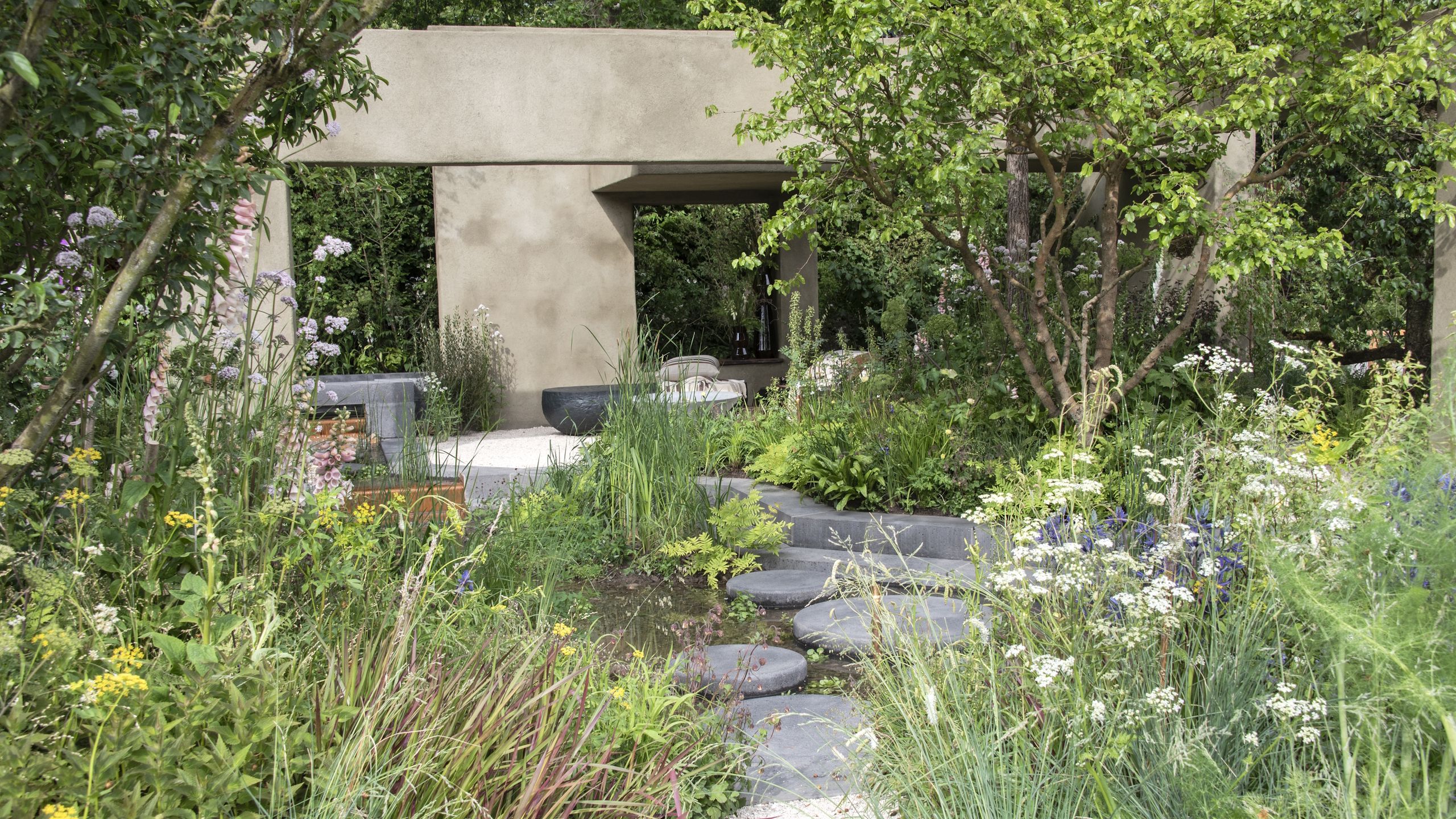
In terms of landscaping with lavender, these heat conditions can actually enhance its role in drought-tolerant planting schemes, where it thrives in well-drained soil and full sun. Here's what to do with lavender in July to prolong its beauty, color, and fragrance.
1. Deadhead Spent Flowers to Extend the Bloom
(Image credit: Getty Images/Toni Jardon)
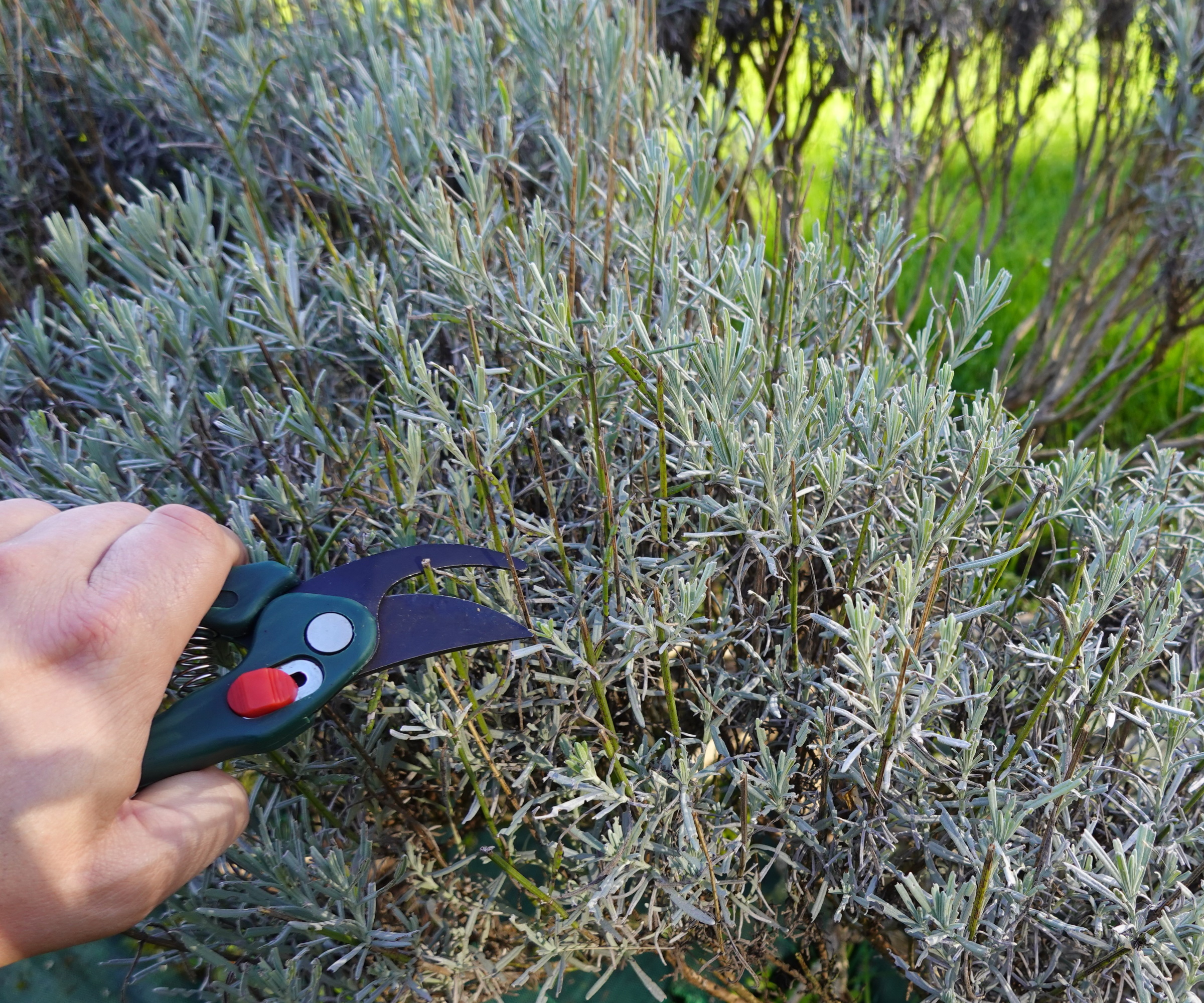
Once lavender is in flower, regular deadheading is the single most effective way to prolong its display. Learning how to deadhead lavender correctly encourages the plant to put its energy into producing more flowers, rather than setting seed. As individual blooms fade and turn brown, they begin to divert energy away from fresh flower production and into seed formation.
The key is timing. Don't wait until the entire flower stem has finished blooming. Instead, snip off spent flower spikes as soon as they begin to fade, cutting just above the first set of leaves and avoiding the woody part of the stem. A sharp, clean pair of pruners, such as the Fiskars Bypass Pruning Shears from Amazon, will give you a precise cut without crushing the stems.
Done correctly, deadheading keeps lavender looking neat, encourages a second flush of blooms later in the season – particularly in repeat-flowering varieties – and prevents the plant from wasting energy on seed production you don't need.
2. Harvest Lavender at Its Peak for Scent and Drying
(Image credit: Getty/Vitalii Petrushenko)
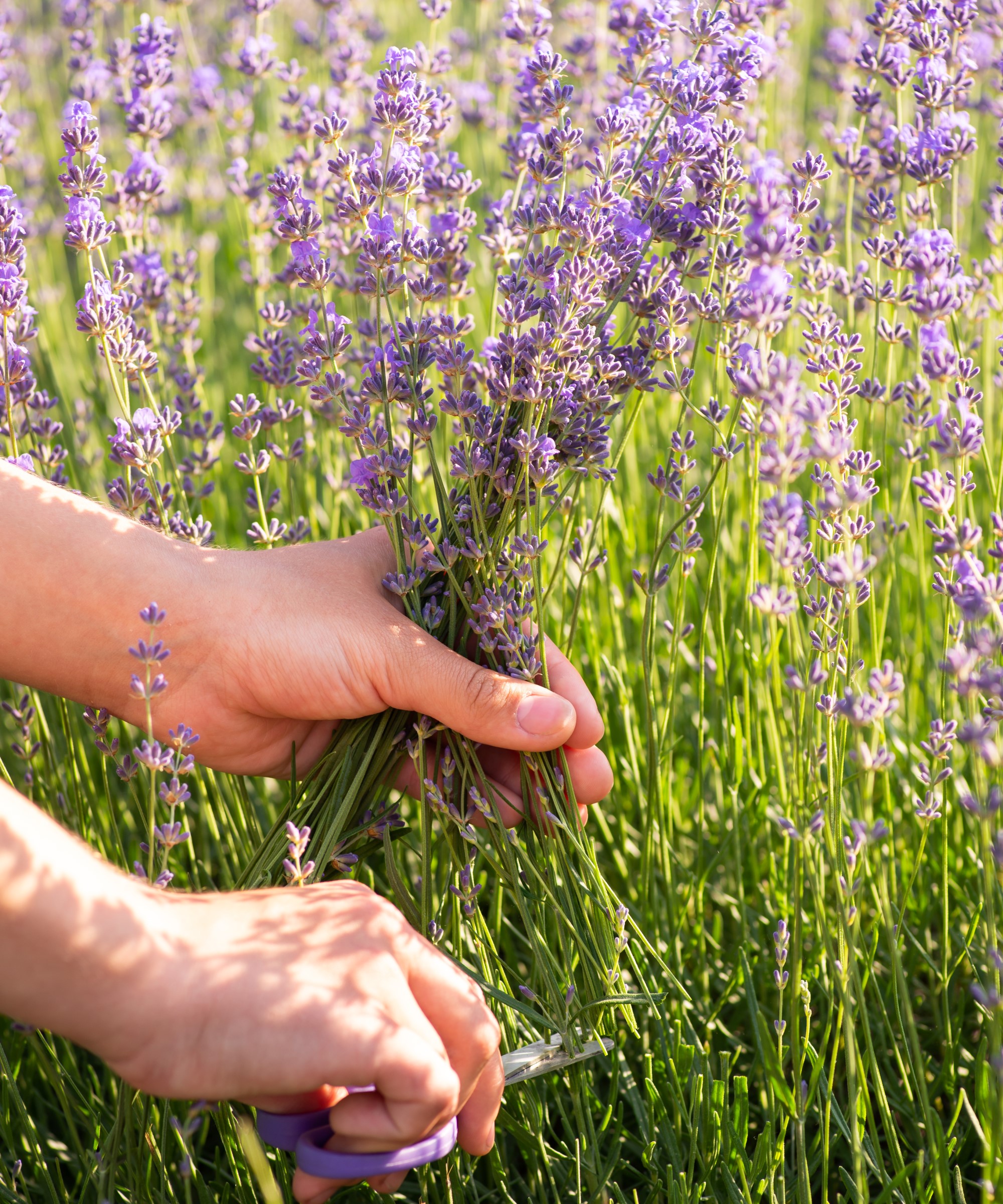
July is the perfect time to harvest lavender, especially if you plan to dry it for bouquets, make fragrant sachets, or use it in culinary recipes. The best time to cut is just before the flowers fully open, when the buds are plump, richly colored, and haven't yet begun shedding pollen. Harvesting at this stage helps preserve the essential oils that give lavender its signature fragrance. For clean, precise cuts, a specialist tool such as the Lavender Harvest Sickle from Amazon can make gathering larger bunches quicker and easier.
What to read next What to Actually Do With Your Salvias in June to Keep Them Flowering All Summer Long
 What Your Rambling Rose Needs in June for Bigger Clusters of Beautifully Scented Blooms Until Fall
 The Expert Landscaping Tricks That Keep Fast-Growing Gardens Balanced, Beautiful, and Low-Maintenance
For the most aromatic harvest, cut stems early in the morning after the dew has dried but before the afternoon sun becomes too intense. Gather them into small bundles, secure them loosely with twine or an elastic band, and hang them upside down in a warm, dry, well-ventilated spot away from direct sunlight. Within a couple of weeks, your dried lavender will be ready to display in arrangements, fill homemade sachets, or store in jars to bring its calming scent indoors all year round.
3. Don’t Cut Into Woody Growth
(Image credit: Getty Images/Robert Pavsic)
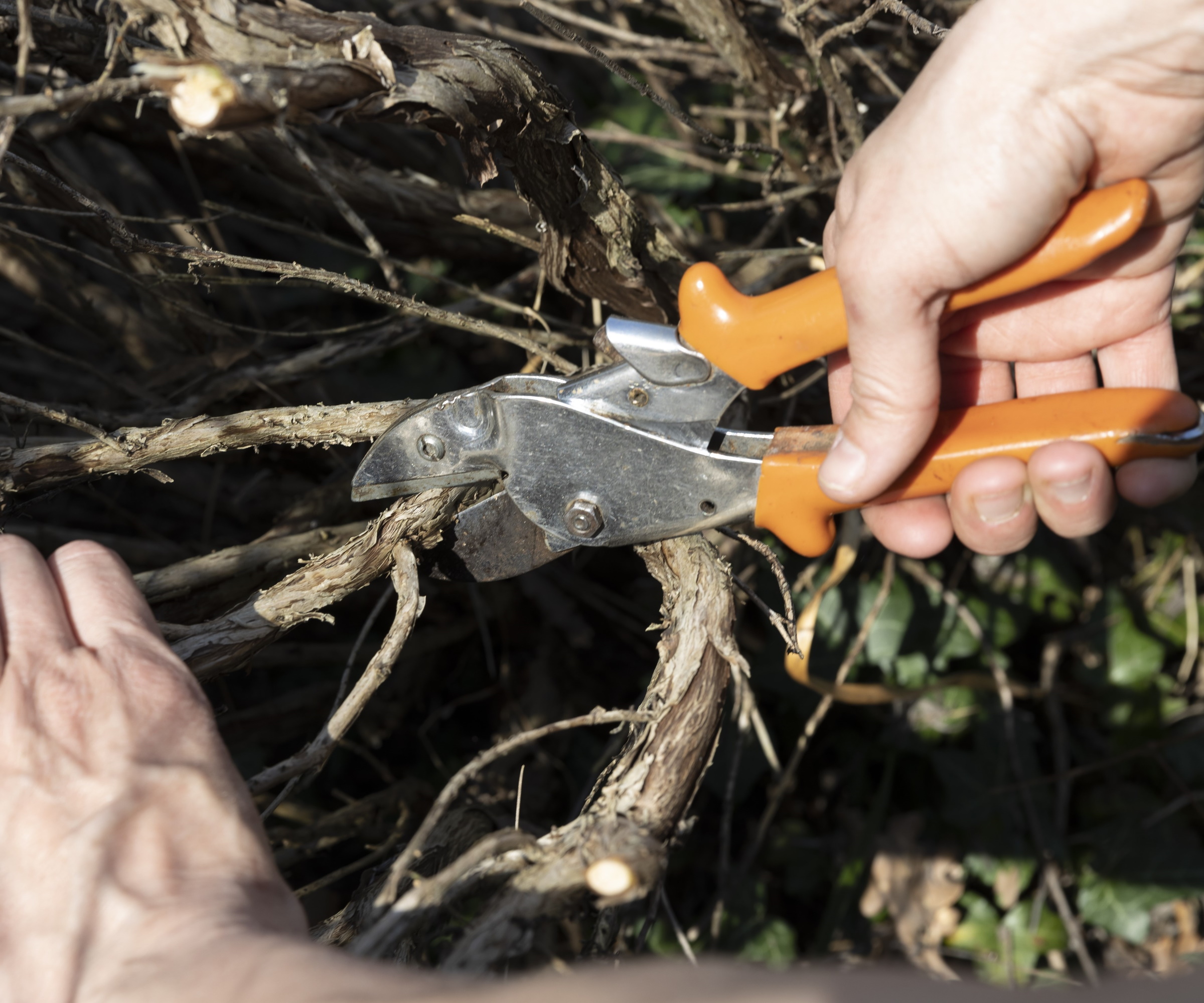
One of the most common mistakes gardeners make in July is trying to prune lavender too aggressively. While it's tempting to give plants a full tidy after flowering begins, lavender doesn't respond well to being cut back into old, woody stems.
Instead, only trim soft, green growth. If you prune into the woody base, the plant may struggle to produce new shoots – or fail to regrow altogether. If your lavender has become leggy or overgrown, save any major reshaping until late summer after flowering has finished, or in early spring when fresh growth begins. A gentle trim now is all that's needed to keep plants healthy without risking long-term damage.
4. Water Sparingly, Even in Heat
(Image credit: IrenaV / iStock / Getty Images Plus / Getty Images)
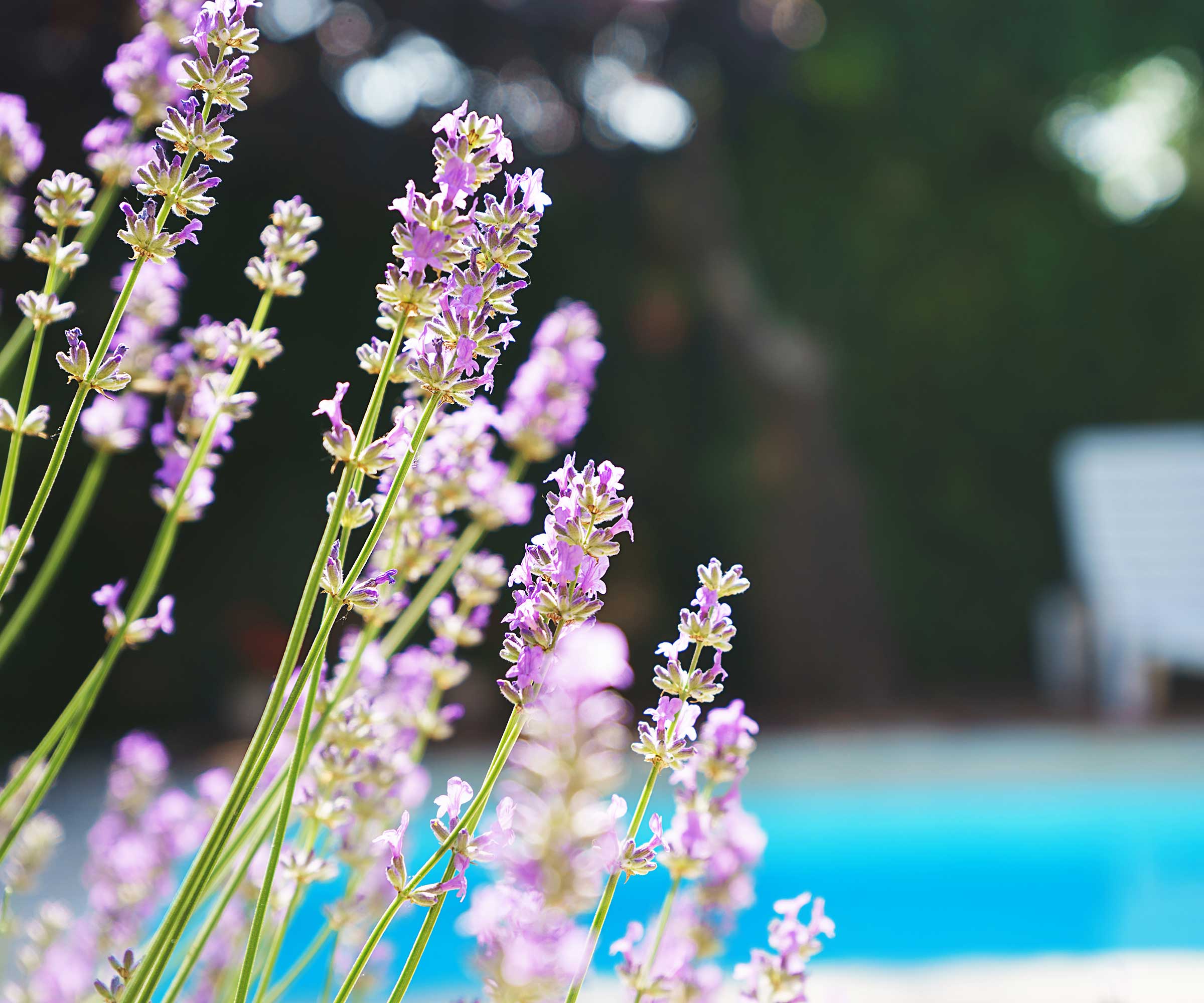
Knowing how and when to water lavender is just as important as knowing when not to. Although July can bring heatwaves and prolonged dry spells, established lavender prefers restraint rather than routine watering. In fact, overwatering is far more damaging than a short period of drought.
Lavender is naturally drought-tolerant once established, and consistently wet soil can lead to root rot, weak growth, and fewer flowers. Water newly planted lavender during extended dry spells, but mature plants typically only need a deep watering when the soil is completely dry a few inches below the surface. Whatever the weather, always make sure your plants are growing in well-drained soil, especially if they're in containers.
5. Feed Lightly – or Not at All
(Image credit: Mariia Demchenko / Moment / Getty Images)
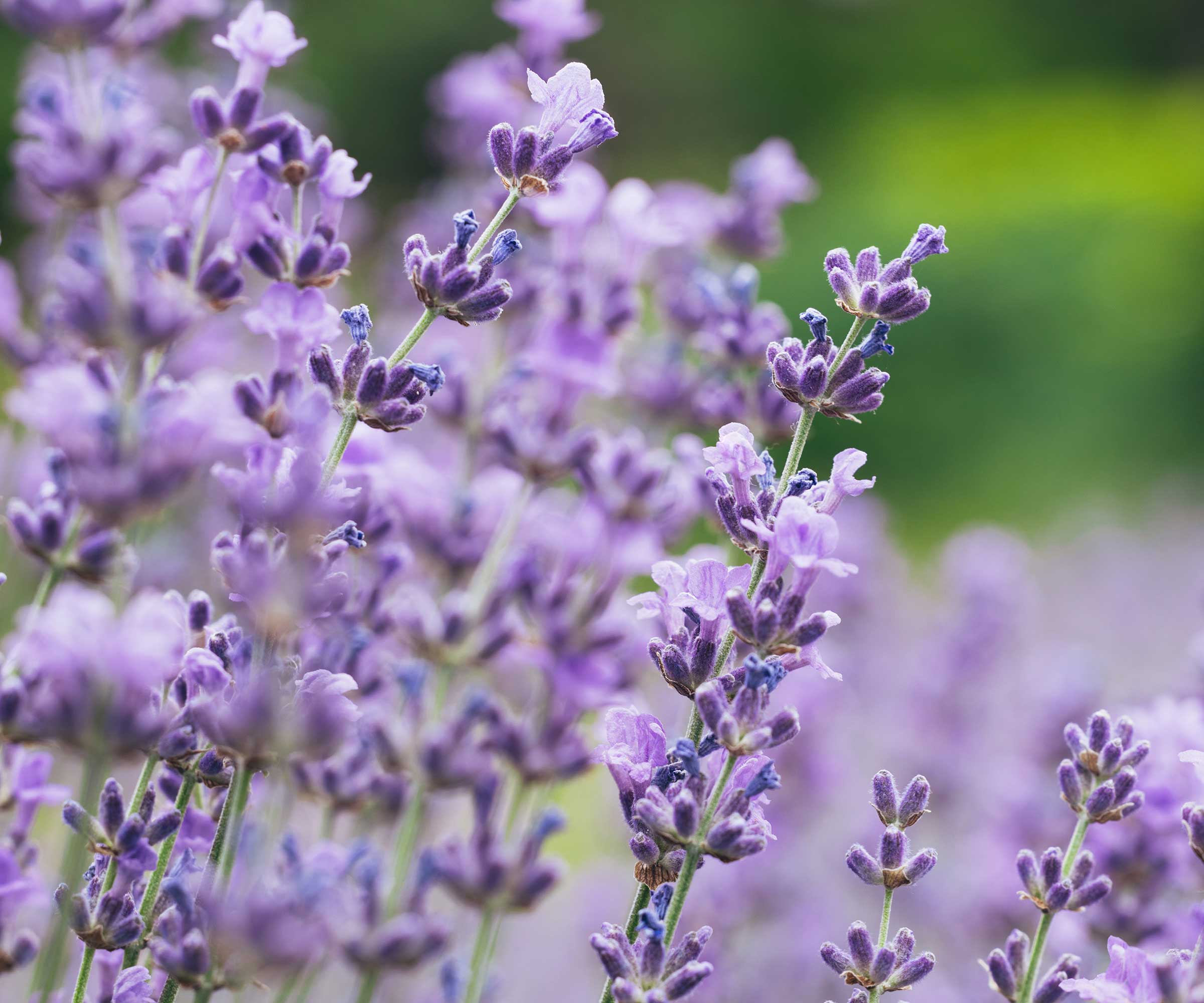
When it comes to feeding, less is more. Knowing when to fertilize lavender – and when to skip it – can make the difference between a plant that's covered in fragrant flowers and one that's all leaves.
Unlike many flowering perennials, lavender thrives in lean, well-drained soil and rarely needs regular feeding. In fact, too much fertilizer, particularly one high in nitrogen, encourages lush, leafy growth at the expense of blooms and can leave plants looking floppy.
If your soil is especially poor, a light application of a low-nitrogen fertilizer in late spring or early summer is plenty, but by July it's best to let the plant focus on flowering and building resilience for the rest of the growing season rather than pushing fresh growth.
6. Leave Some Blooms for Pollinators
(Image credit: Getty/Busybee-CR)
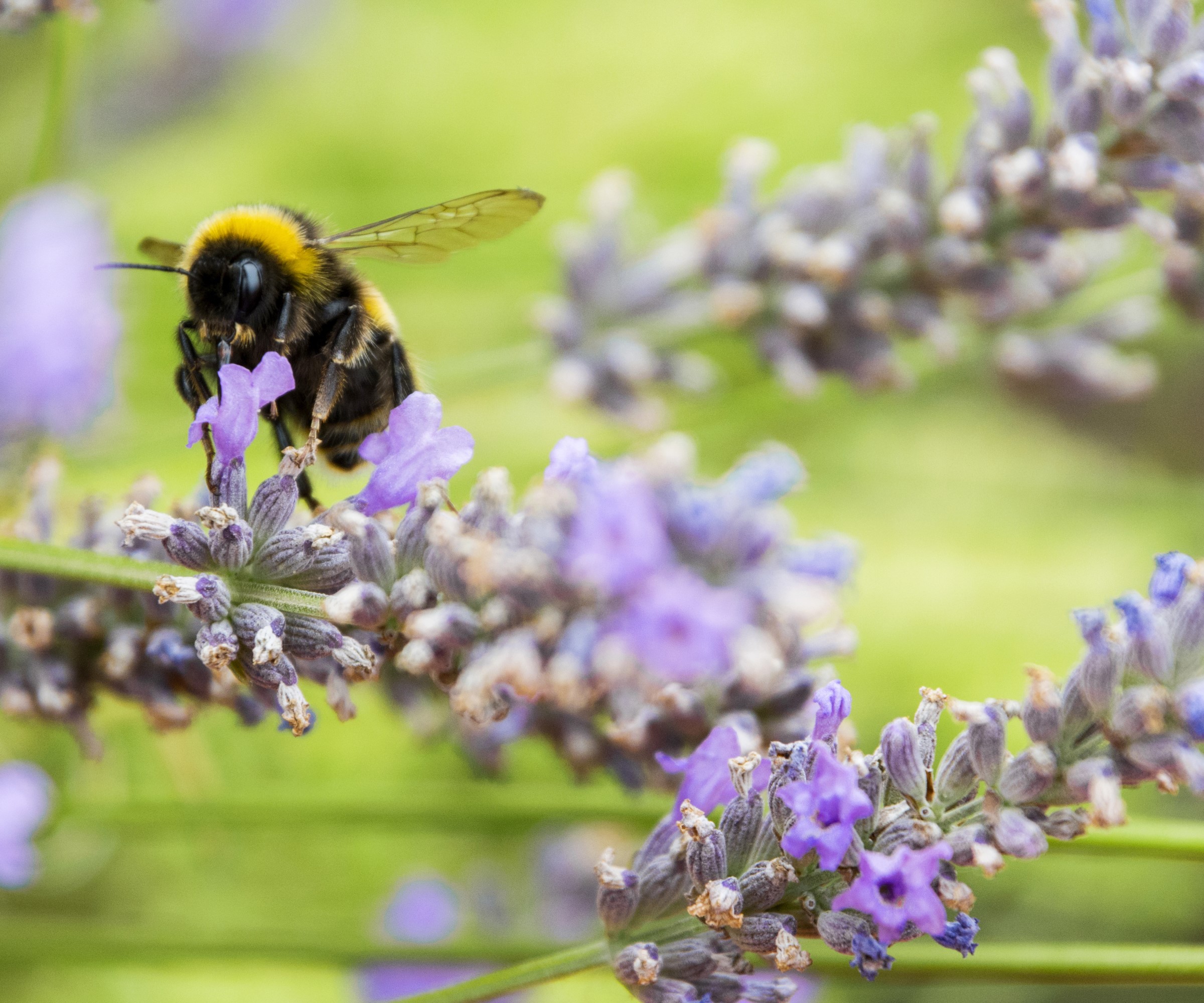
While it's tempting to deadhead or harvest every flower spike, try leaving a few stems untouched. Lavender is one of the most valuable nectar plants in the summer garden and, when planted in borders or low hedging, is among the best hedges for wildlife, attracting bees, butterflies, and other beneficial pollinators throughout July.
If you're cutting flowers for drying or regularly deadheading to encourage more blooms, leave a handful of flower spikes in place, particularly later in the month. You'll still enjoy a neat, productive plant while ensuring pollinators can continue feeding during hot, dry spells, when reliable nectar sources can become harder to find.
July is pivotal for lavender care. With the right balance of deadheading, careful harvesting, and restrained pruning, you can extend flowering, improve plant health, and set the stage for a stronger display next year.
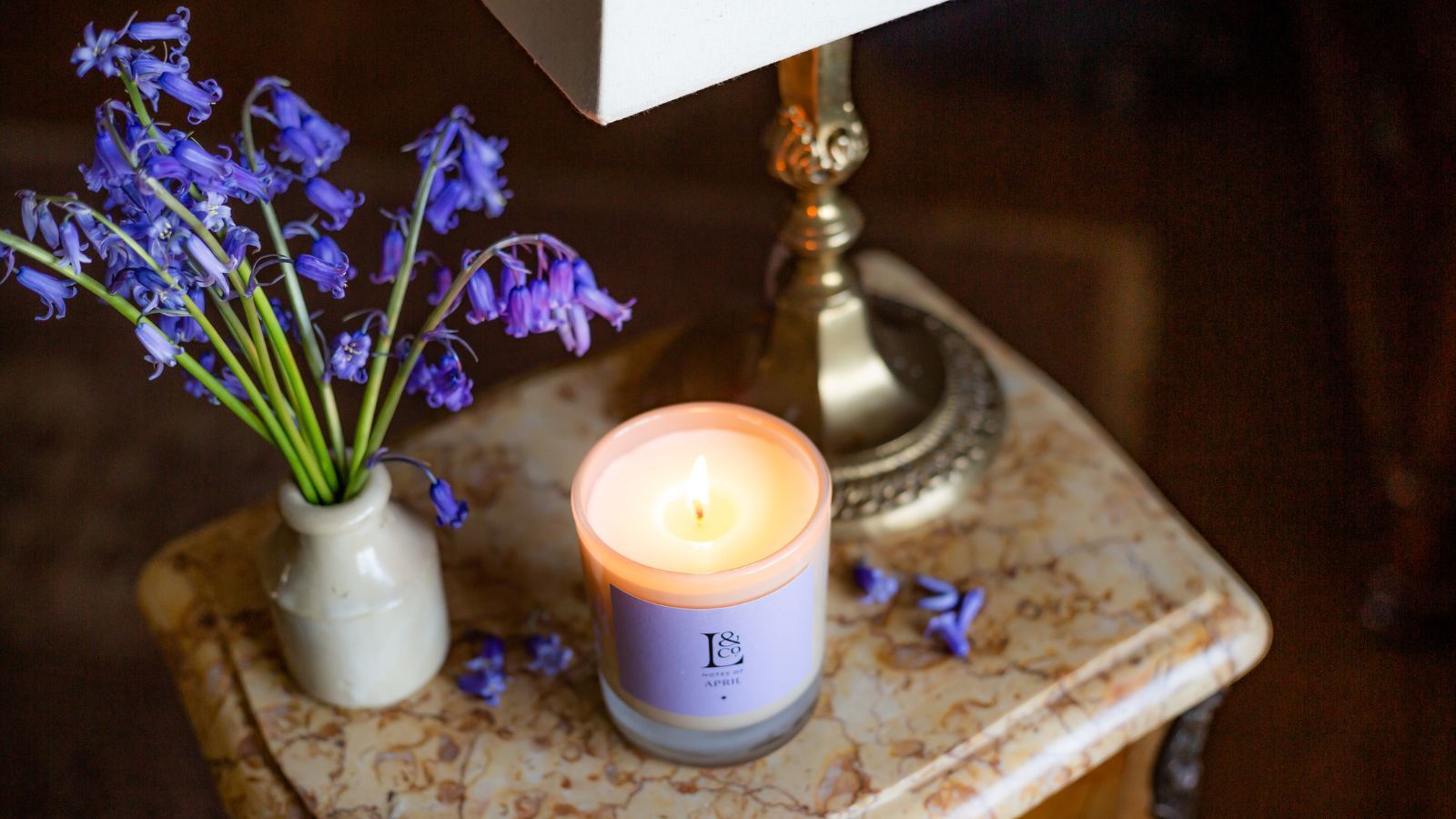
As an aromatic herb, lavender rewards this attention twice over – both in the garden and in the home. Handled well, it will deliver not just colour in midsummer, but a fragrance that carries through your space long after the garden season fades.