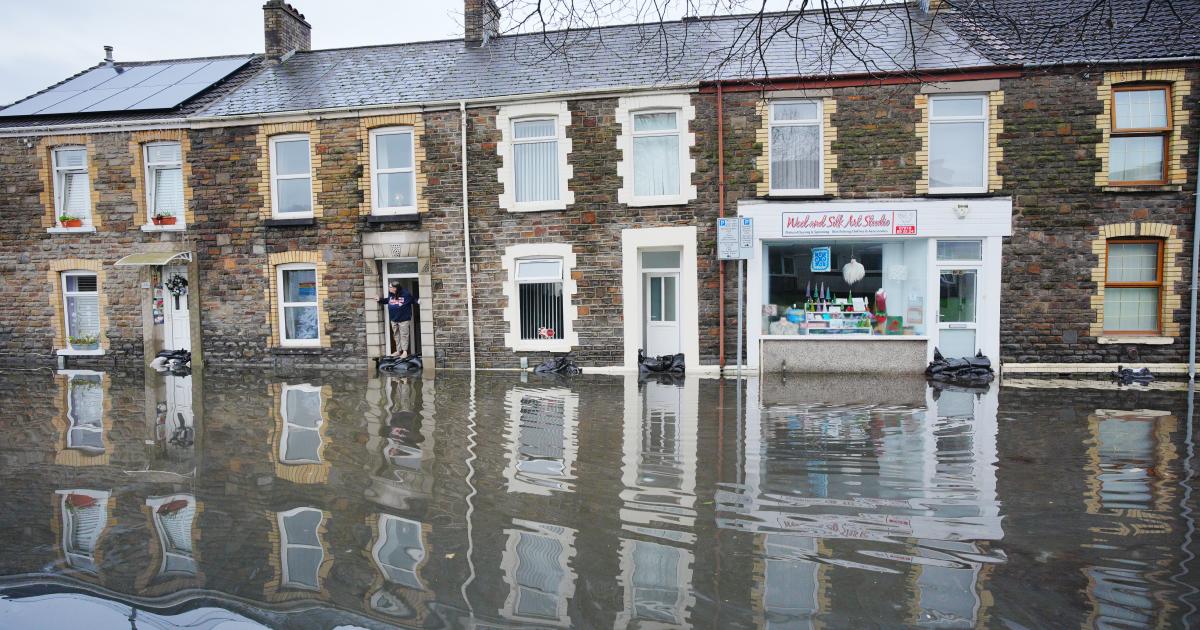
"Residents I have spoken to are also deeply worried about the impact on local water bodies, including the River Torridge, immortalised in the novel Tarka the Otter by Henry Williamson which charts the fictional life and death of an otter cub in North Devon’s “country of the two rivers.”
Consumption
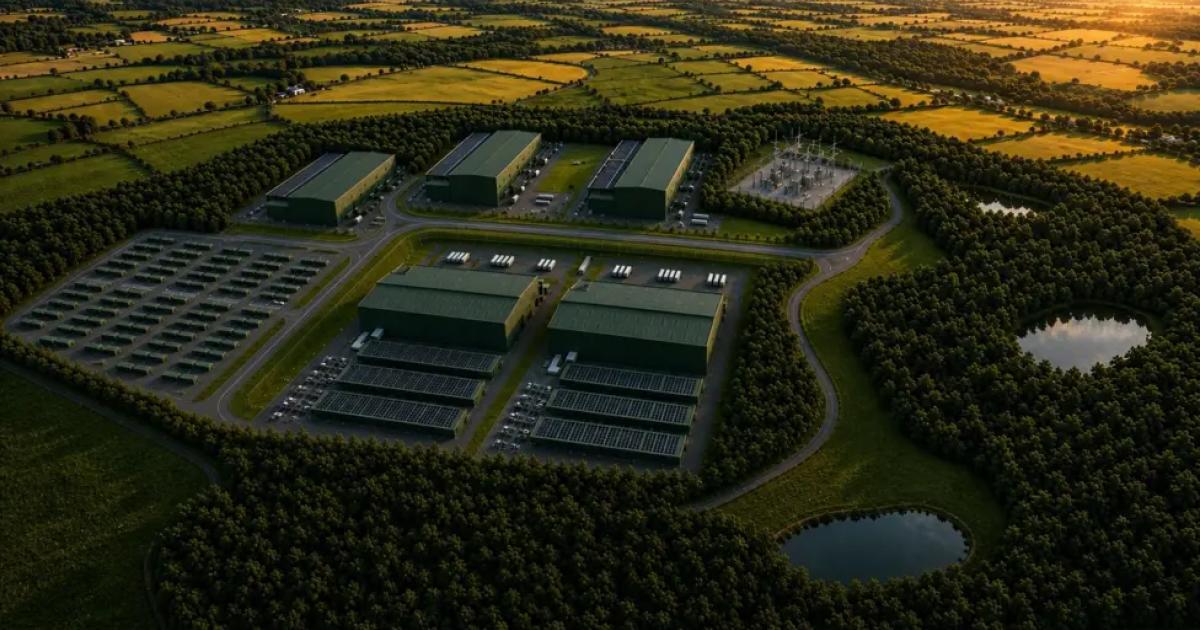
Xlinks claims that the site has been selected because “North Devon’s mild year-round temperatures, winds and sun mean the site uses less energy and water than many other locations".
The company also says that it will build “attenuation ponds to reduce freshwater use”. It is unclear what the purpose of the ponds will be in the project as they are usually a feature built into drainage systems to manage stormwater run-off and reduce flooding risks, rather than acting as reservoirs.
Marketing claims by data centre developers frequently make bids for the label of the “UK’s largest". An extensive review of current and planned data centre projects conducted on behalf of Watershed Investigations suggests the North Devon proposal is genuinely among the biggest.
There appears to be 12GW in the commercial data centre sector already in operation or entering the planning system across the UK, with new projects being announced weekly.
The 1.5GW power consumption capacity of the servers (or IT load) projected for the Devon data campus is equivalent to that of the entire UK in 2024, according to figures from the Department of Science, Innovation and Technology (DSIT).
Fuel
The Devon data campus will certainly entail significant water use. This might take place locally, at the power generation source or embedded across the supply chains for the machinery and cables installed there.
Professor Kaveh Madani is the director of the UN University Institute for Water, Environment and Health (UNU-INWEH) and co-author of a major report on the impact of data centres and AI on the living planet.
He said: “There is no AI infrastructure and data centre without an environmental impact. You can always improve the performance and reduce the footprint, but you can never fully eliminate the environmental impact.”
The UN report explains that the new industrial infrastructure of AI will take up vast amounts of land, use enormous quantities of water and power and fuel the climate crisis, while distributing any benefits very unevenly across the globe.
Wildlife
The “helicopter view of the whole landscape” is critical, Madani explained. That means not only looking at how water, land and carbon footprints interact with each other, but also understanding how people and nature across the world are affected by AI infrastructure projects.
“The fact that the Global South is the net loser in many ways does not mean that communities in the Global North would be immune to negative local impacts,” Madani said.
“We also have injustice problems in the Global North where those benefitting from data centres often don’t need to bear the local environmental costs.”
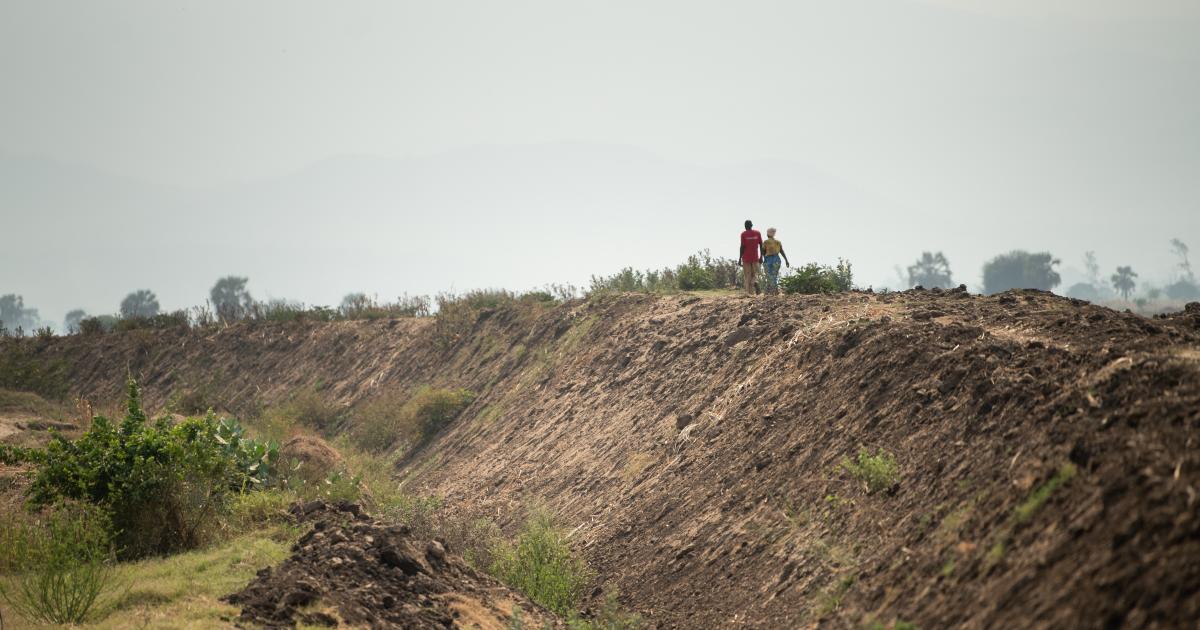
The environmental costs at other stages in the AI value chain would largely be borne by communities and wildlife far from Devon, he explained. This includes the damage "at the critical minerals extraction sites, at the semiconductor manufacturing sites, and at the electronic waste landfills".
This Author
Anne Alexander is a journalist and researcher. She is working currently working on a project with Watershed Investigations looking at the impact of data centres and the AI industry on the living planet.