
Remember me



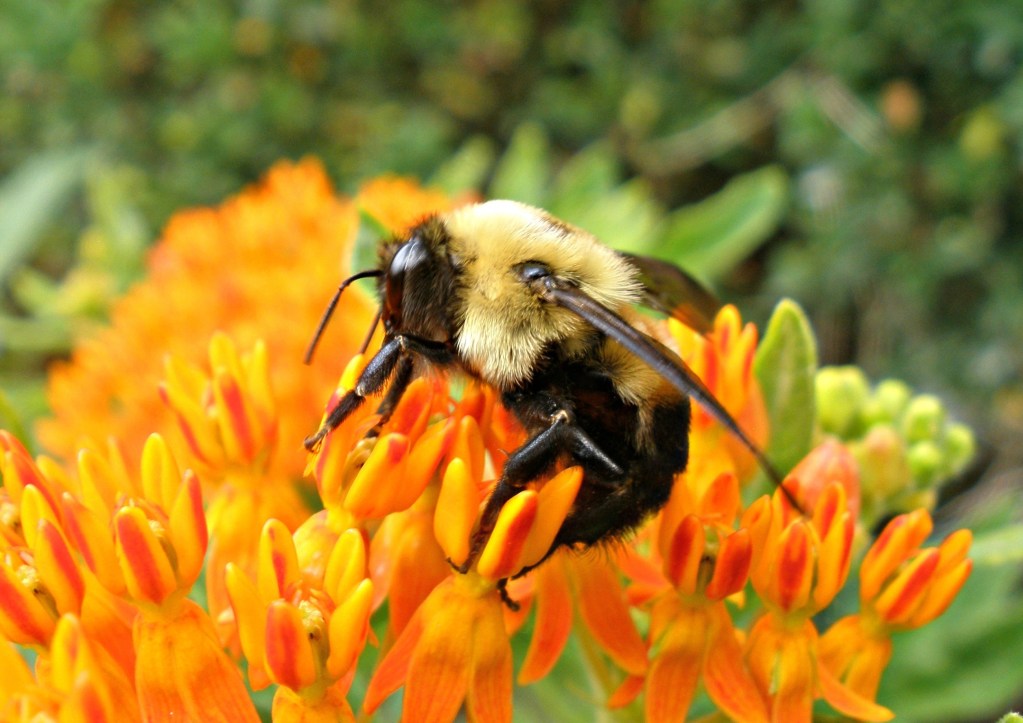
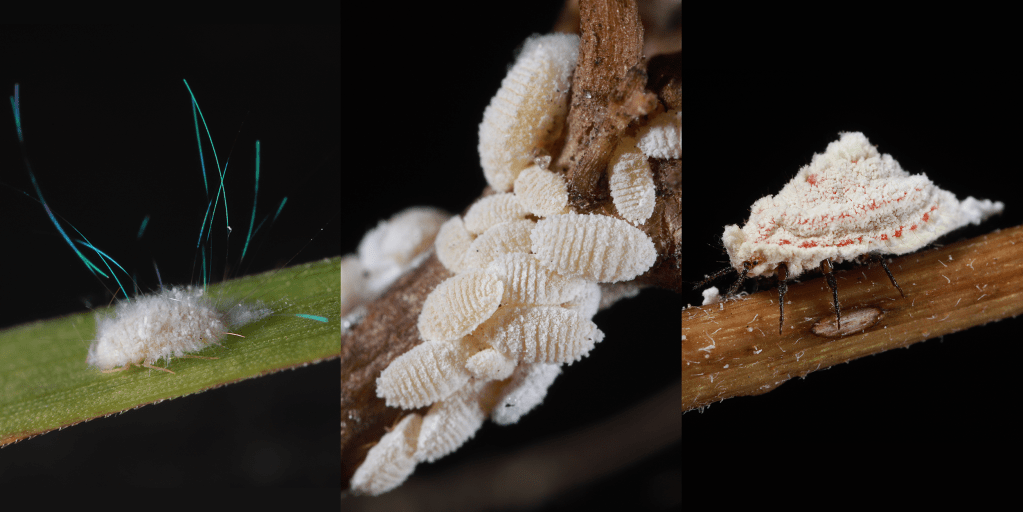
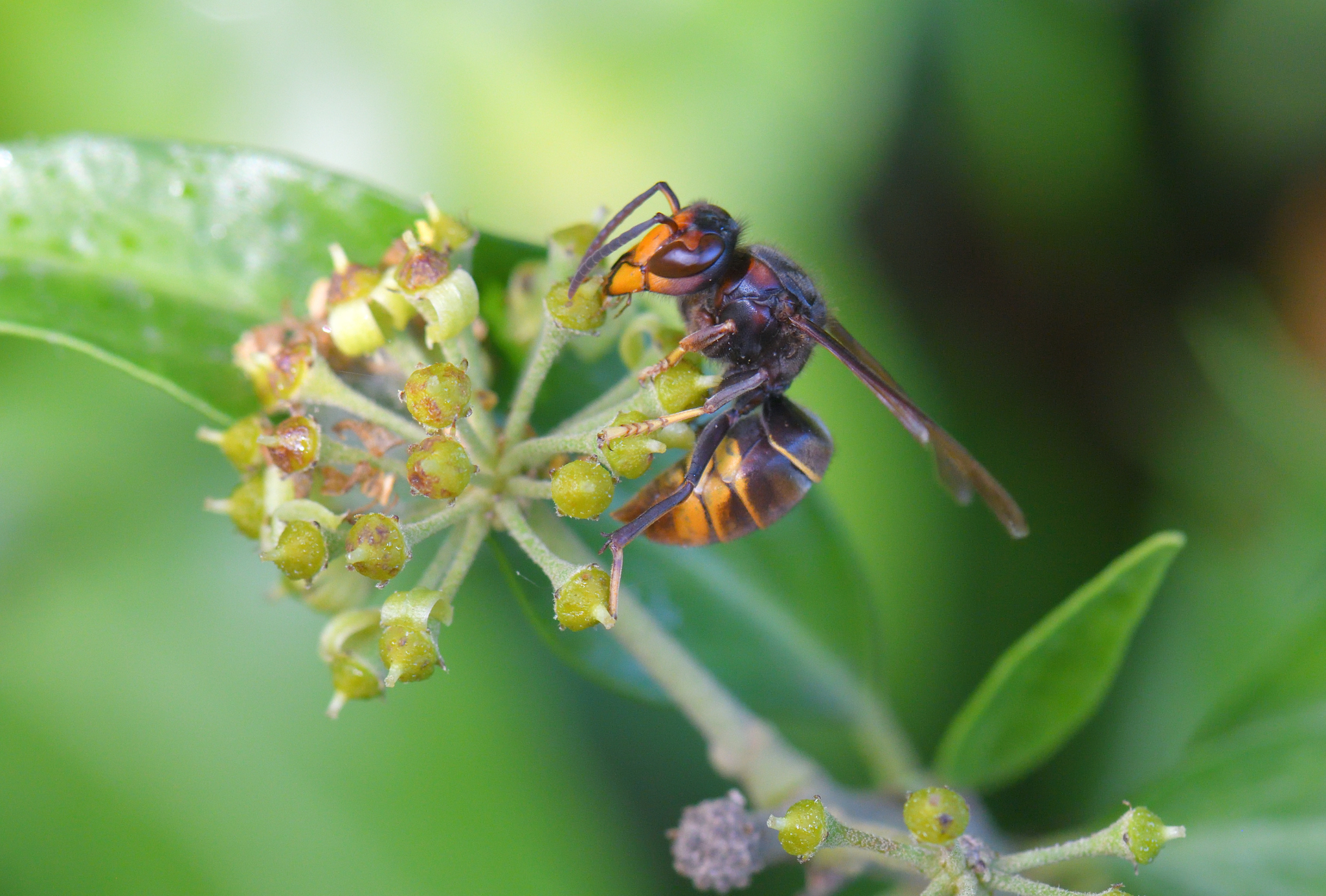
 Much like these endangered insect species, American science itself could be endangered under new proposed regulations on the use of federal funding. The rules could cripple American science by replacing merit-based peer review of research projects with the whims of political appointees and ending support for the publication of research results. Left to right: American burying beetle (Nicrophorus americanus), Karner blue butterfly (Lycaeides melissa samuelis), and Rusty-patched bumble bee (Bombus affinis). (Beetle photo Alexander Harman, Ph.D., via iNaturalist, CC BY-NC 4.0; butterfly photo by U.S. Fish and Wildlife Service via Flickr, CC BY 2.0; bee photo by Trisha Leaf via iNaturalist, CC BY-NC 4.0)
By Sonny Ramaswamy, Ph.D.
 Sonny Ramaswamy, Ph.D.
The hallmark of America’s innovation ecosystem for nearly a century has been the system of federal funding for research via competitive, investigator-initiated, and peer-reviewed proposals. This merit-based peer-review system, which was derived from Vannevar Bush’s landmark 1945 report, “Science, The Endless Frontier,” has worked all these decades and, in large measure, contributed to the many seminal, impactful discoveries and inventions of the 20th and 21st Centuries.
Recently, the federal government’s Office of Management and Budget (OMB) proposed a new rule, “Regulation for Federal Financial Assistance,” which it claims will reduce waste, inefficiency, and misuse of federal funds and focus instead on core public purposes and legal compliance.
In reality, though, this new rule, if approved, will cripple American science. It represents a massive change to the current merit-based peer-review process by requiring a “pre-issuance review” by political appointees before a federal grant may be awarded to fund scientific research. Scientific expert reviews—how grant applications have been evaluated for decades—would instead only be suggestions and considered advisory. The new rule will also require research projects to align with the policy priorities of the White House administration (current or future), rather than priorities based on scientific rationale and societal needs.
OMB claims that the proposed revisions to federal funding rules will increase transparency and reduce administrative burdens. However, like many of my colleagues in entomology and across scientific and research communities, I strongly oppose the proposal due to several key concerns:
Politicization of grant approvals, which would take science decisions out of scientists’ hands; Financial instability, as agency leaders could suspend or terminate grants at will without allowing recipients to appeal; Elimination of open access to taxpayer-funded science, because grant funds would be forbidden from being used for scientific publication costs.The proposal also directs political appointees to ensure that discretionary federal grants are not used to fund, promote, or facilitate diversity, equity, and inclusion initiatives, race-based selection criteria, services for illegal immigrants, challenges to the human sex binary, or any initiatives deemed to compromise public safety or promote anti-American values. In addition, it restricts collaboration with designated foreign adversaries and allows for the termination of grants that fall out of alignment with agency priorities.
In my time as director of the USDA’s National Institute of Food and Agriculture from 2012 to 2018, I did not weigh in on the merits of proposals to be funded; their evaluation was based on the merit-based peer review that the NIFA career staff facilitated. This move by the administration concerns me significantly, as it should everyone. Political appointees should not have a say in determining which proposals get selected for funding. The merit-based peer-review system we currently have has worked well all these decades. The adage “If it ain’t broke, don’t fix it” is apropos.
This is yet another effort by the current administration to politicize science, potentially contributing to favoritism and corruption and undermining our nation’s global competitiveness. This proposal must be rejected.
The OMB proposed “Regulation for Federal Financial Assistance” is open for a public comment period for just a few more days, closing July 13. I hope you’ll take the time to provide your feedback and contact your legislators as well. You can use the forms via the Entomological Society of America’s Action Alerts linked below. I hope you’ll also urge your colleagues and friends to do the same as we work to stop this effort to politicize science.
Sonny Ramasamy, Ph.D., recently retired after a long career in entomology at several universities as well as serving as director of the U.S. Department of Agriculture’s National Institute of Food and Agriculture under President Barack Obama and as president of the Northwest Commission on Colleges and Universities. He was named a Fellow of ESA in 2005 and an Honorary Member in 2019 and currently resides in Redmond, Washington. Email: dr.sonny.ramaswamy@outlook.com.
Discover more from Entomology TodaySubscribe to get the latest posts sent to your email.