
Remember me
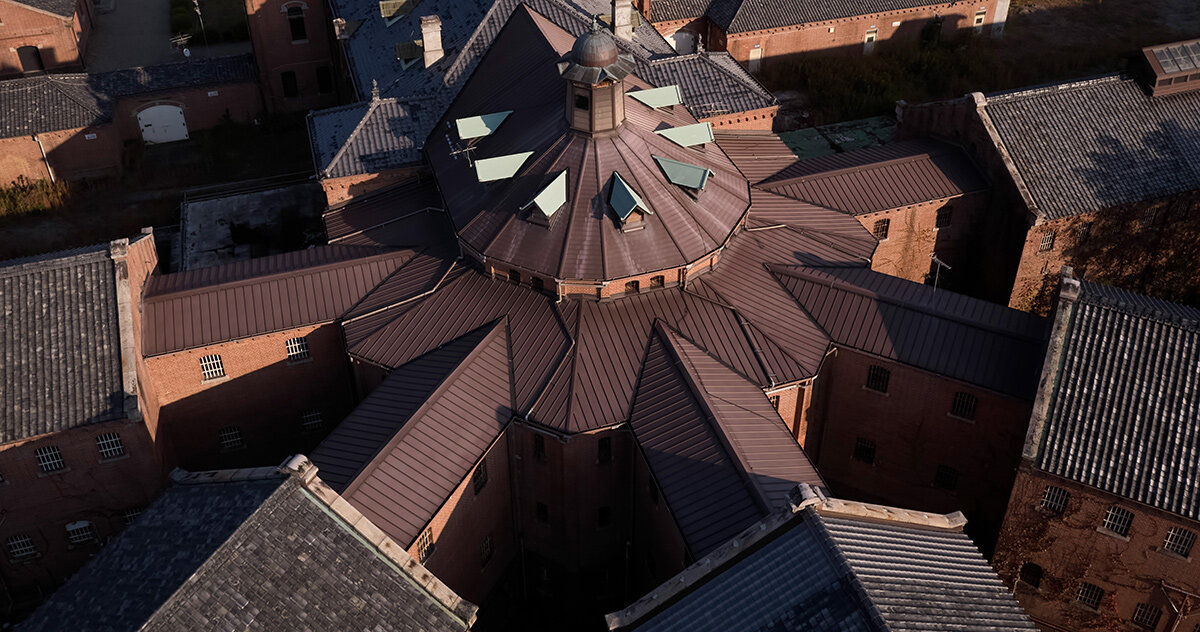
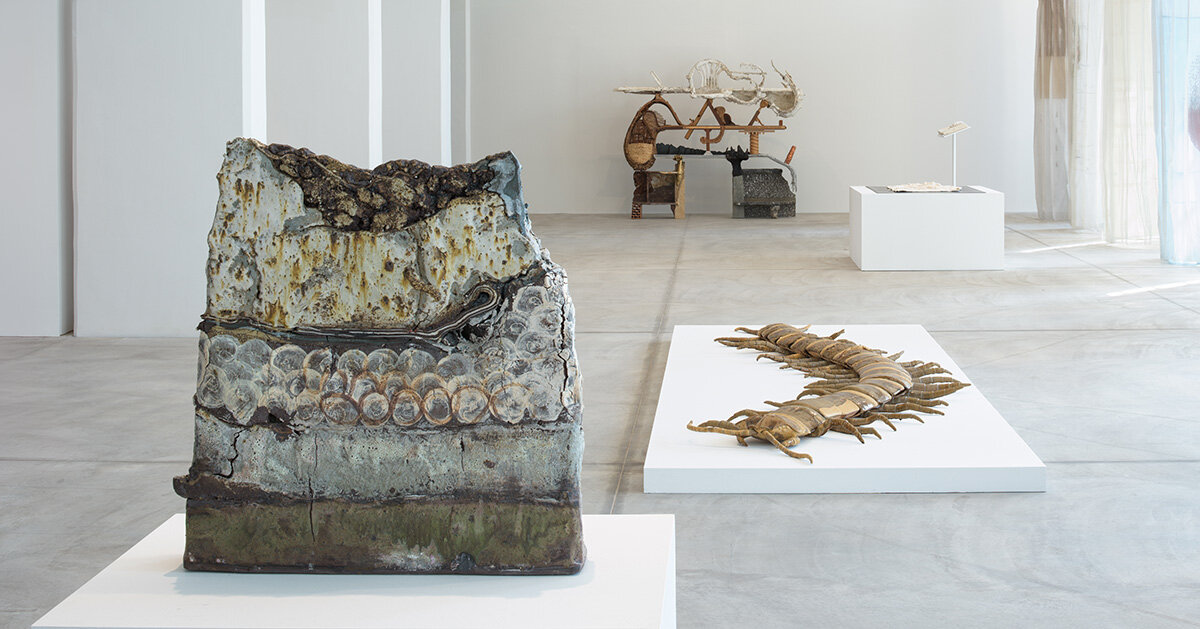

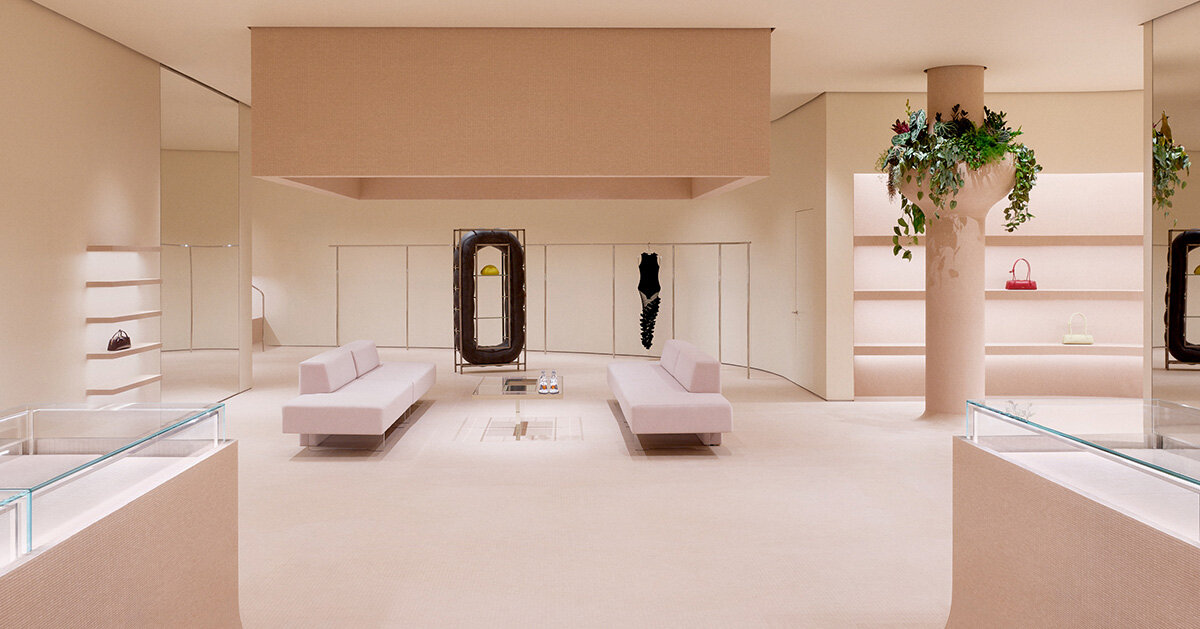
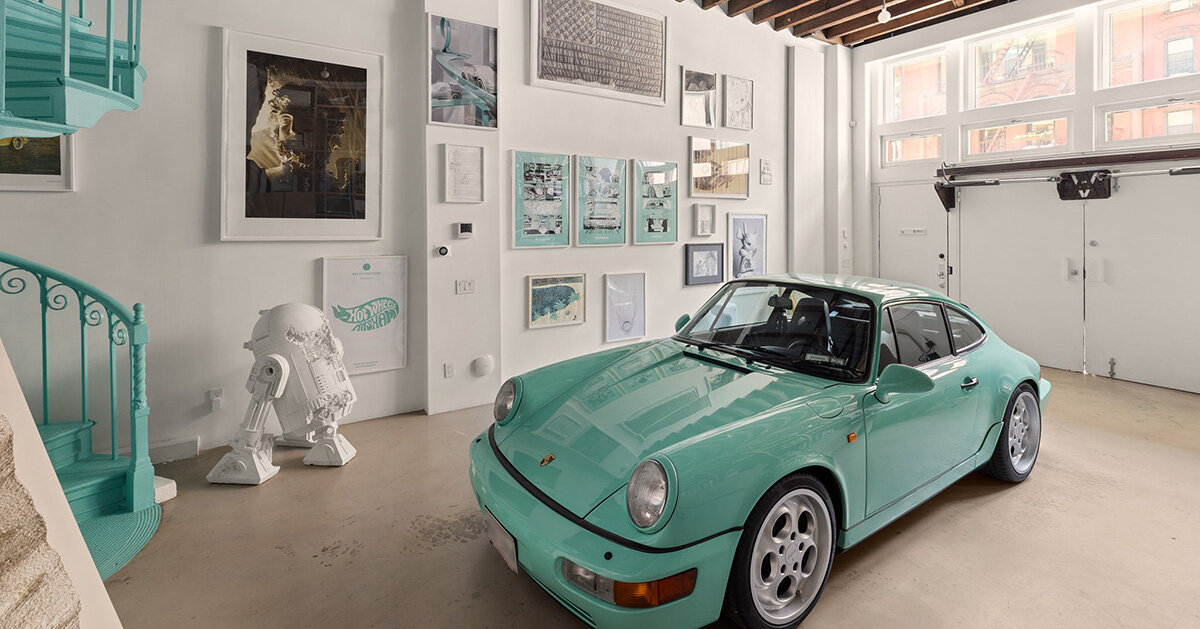
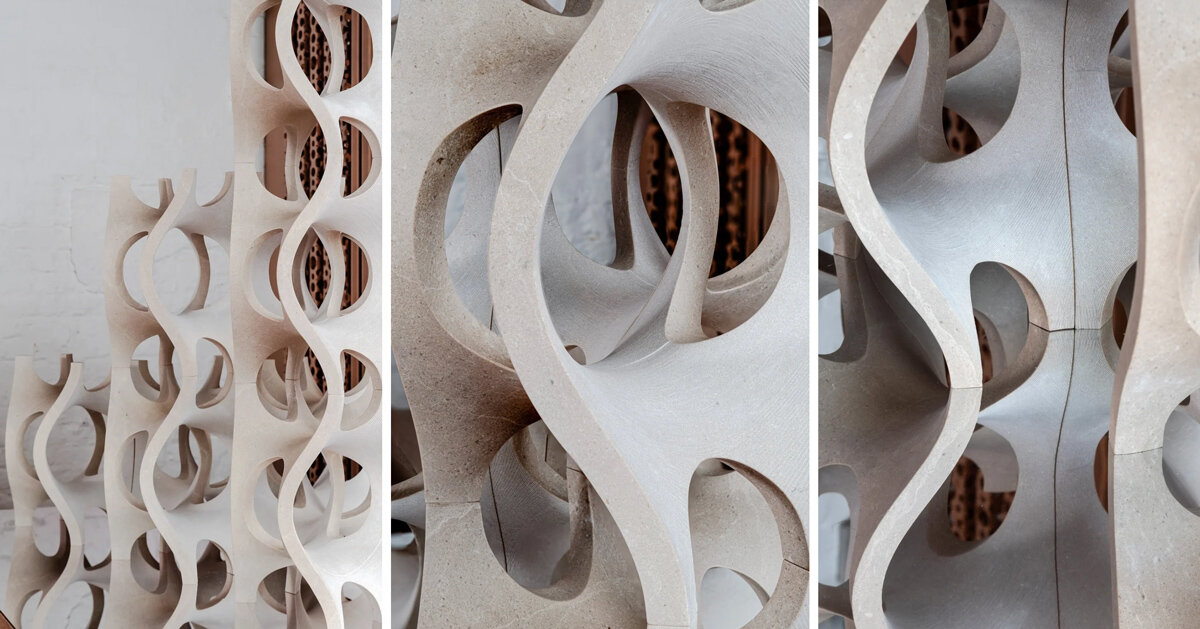

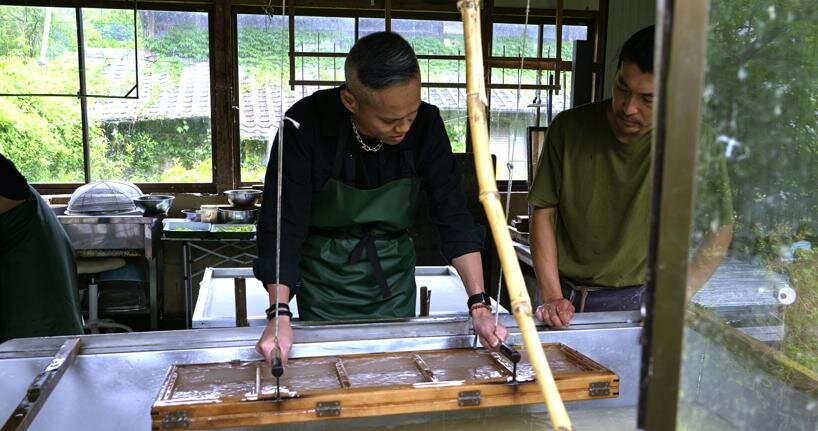
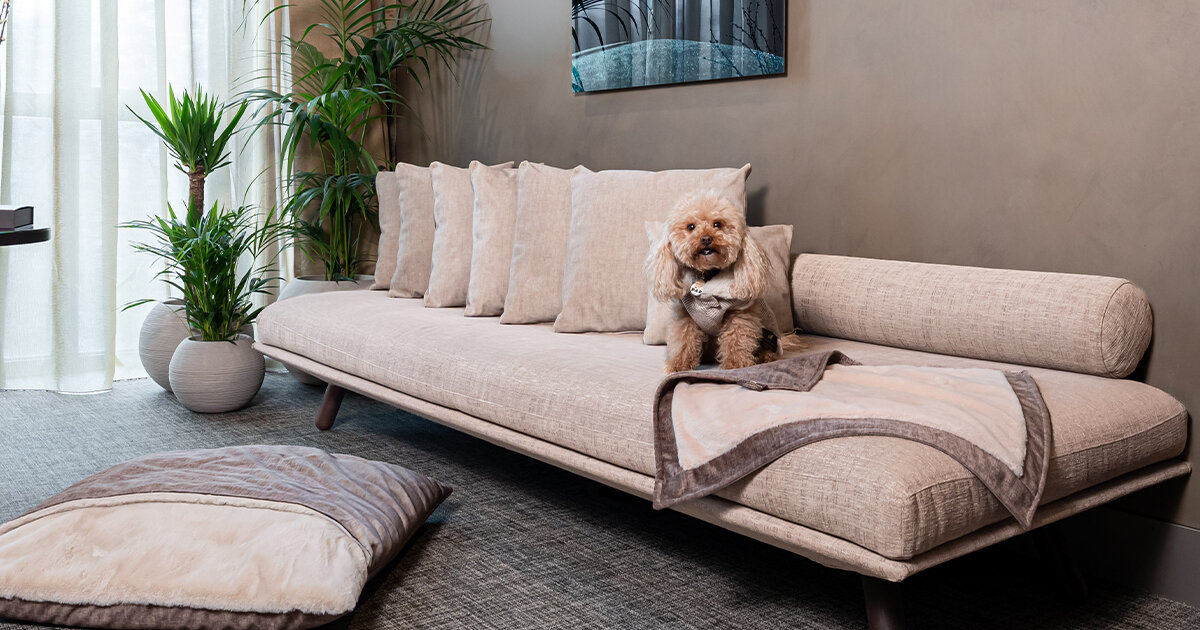
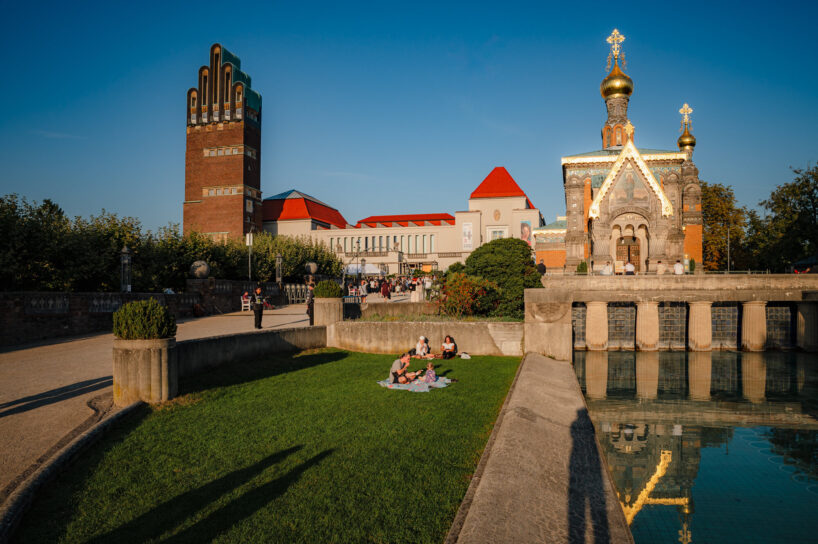
In Japan, Craft x Tech connects contemporary designers and artists from around the world to collaborate with local artisans. Merging historic craft with experiments in aesthetics and form, the group has invited acclaimed creatives such as Bethan Laura Wood, Sabine Marcelis, and Eugene Kangawa to reimagine what’s possible using techniques that have shaped the country’s history. In conversation with designboom, Craft x Tech’s founder and creative director, Hideki Yoshimoto, and curatorial director, Maria Cristina Didero, speak about their journey bringing international designers to Japan.

Lanzavecchia + Wai at Mino Washi during Craft x Tech Tokai Project Site Visit 2025 | photo by by Noritoshi Kuroki

group photo of Craft x Tech Tokai Project exhibition at Kudan House | photo by Noritoshi Kuroki
Yoshimoto, who studied and worked in London for many years before returning to Tokyo, recounts the inception of Craft x Tech: ‘I came to the field of design from the engineering side of the world: it’s always been a fusion of engineering or technology with design… I was not particularly interested in traditional Japanese craft.’ Yoshimoto then went on to describe a chance encounter he had during his last year living abroad in London: it was an invitation to meet a traditional lacquerware (urushi) craftsman in Akita the next time he found himself in Japan. ‘I went and it was my first time stepping into the workshop of those craftspeople. That was insane for me!’
miso soup bowl as sculpture
He referenced growing up with miso soup bowls, which are traditionally created by applying many fine layers of lacquer over hand-carved wood, pointing out how he took for granted all the technical details that went into the creation of this everyday object. ‘I had never imagined someone creating that dish or bowl as if it was a sculpture. We always think about the sculptor as someone who is making the piece of art. But when it comes to a soup bowl, we don’t imagine someone sculpting that soup bowl.’ Yoshimoto went on to describe the sense of reverence he gained by seeing the precision, mastery, and process play out in front of him.
In its first year, the organization brought designers to the Tohoku (northeast) region of Japan. ‘Especially with the first edition, artisans were quite skeptical,’ remarks Yoshimoto of first encountering artisans, who were typically deeply ingrained in their local contexts and expressed skepticism about the contemporary approach he proposed. ‘We had fun! Meeting, drinking together, hanging out. Then [the artisans] understood that this is real and that they were participating in something that could create something new. Gradually, we formed a sense of trust between ourselves, the designers, and the artisans.’

Kawatsura Shikki and Sabine Marcelis during Craft x Tech Tohoku Project Site Visit 2023 | photo by Jun Sugawara
the universal language of design
In the first edition, Sabine Marcelis, Azusa Murakami and Alexander Groves (Studio SWINE), Ini Archibong, Yoichi Ochiai, Hideki Yoshimoto, and Michael Young came together to participate in Craft x Tech collaborations, creating a space of rich cultural diversity. Between English, Japanese, and other native tongues, a language barrier naturally arose. Didero notes that it was ‘a great human experience’ to see how the common language of design was able to reconcile this. ‘It was really the passion for their job and the technique that the artisan was trying to pass to the designer. Then the designer was trying to understand from the artisan. They created a kind of story without words. It was building memories by way of the product, building a great human experience.’

Bethan Laura Wood at Arimatsu Narumi Shibori during Craft x Tech Tokai Project Site Visit 2025 | photo by by Noritoshi Kuroki

Bethan Laura Wood at Arimatsu Narumi Shibori during Craft x Tech Tokai Project Site Visit 2025 | photo by by Noritoshi Kuroki
design is about people and not about chairs
When asked how she became involved with the project, Didero shared one of her mantras: ‘design is about people and not about chairs.’ She elaborated by saying, ‘My approach tries to understand what is before the object and why the object is finalized in a certain way. It’s more about the people and the process and the context: how it was born and originated.’
The Milan-based writer and curator went on to express how excited she was to join the project, not only because of her love for Japan (she’s visited over a dozen times), but also because of how it builds upon her foundational interest in the values of Italy’s Radical Design movement. ‘While they were producing objects, they were speaking about the historical and political context from which it originated and was created. I think that is also very important now for contemporary design. Design reflects a person, but it also gives an idea of what is going on in that precise moment.’