
Remember me
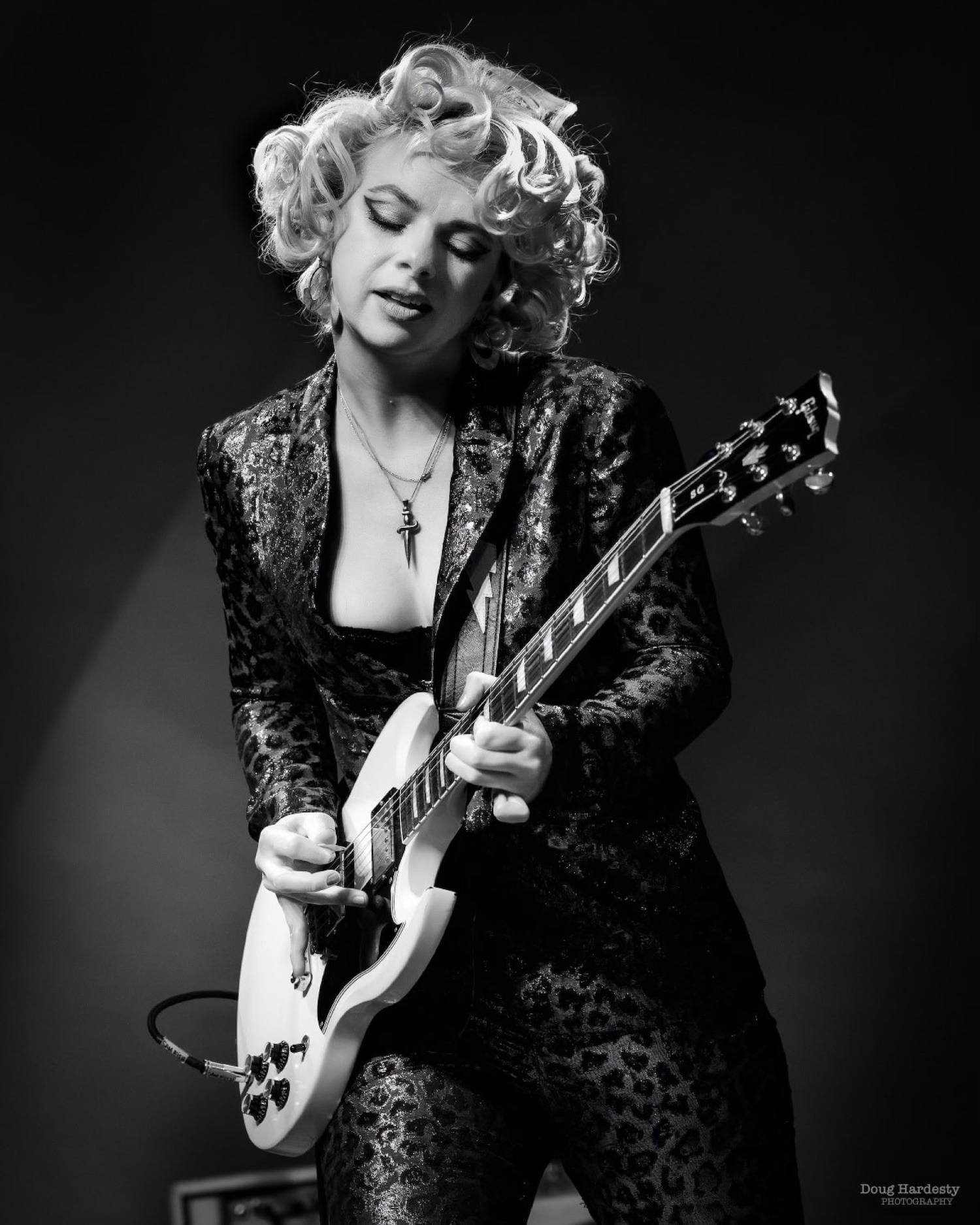
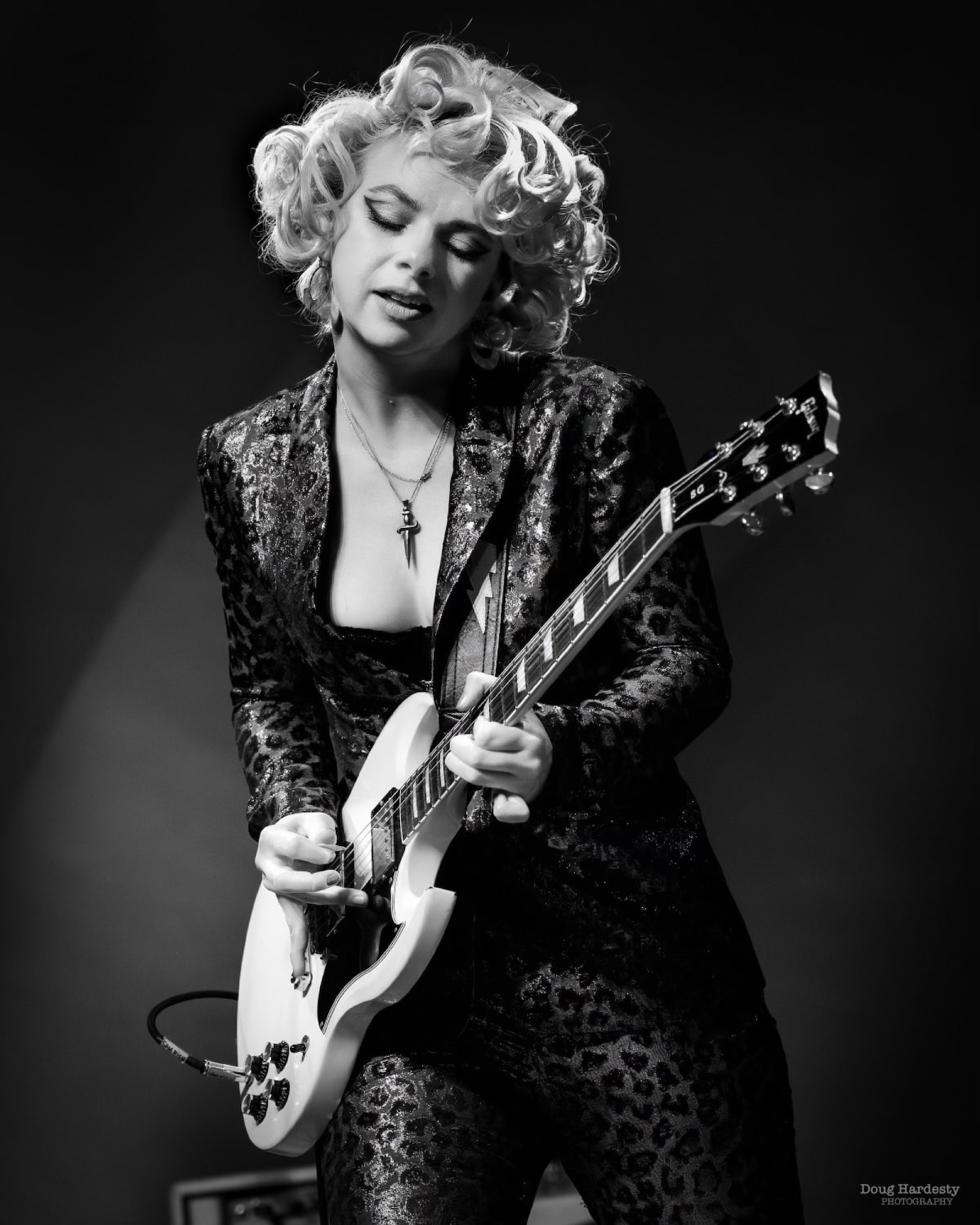
Few contemporary blues-rock artists know their way around a stage quite like Samantha Fish. And that mastery is hard-earned. Over the past decade, the Kansas City-born guitarist, singer and songwriter has worked tirelessly to establish herself as a festival fixture around the world. Fresh off a 2026 Grammy nomination for Paper Doll, she now turns her attention to promoting the first proper live album of her 15-year recording career, wisely choosing her recent breakthrough as the canvas.
Paper Doll Live (Rounder) documents a band humming along at full capacity, backed by a crowd that traveled well for a single sold-out show at Knoxville, Tenn.’s historic Bijou Theatre. Recorded on October 7 of last year, the performance is elevated by the soulful contributions of Nashville gospel legends the McCrary Sisters. For any artist with blues credentials, the live setting remains the ultimate proving ground. To that end, Paper Doll Live is a revelatory snapshot of what Fish does best
MAGNET’s Hobart Rowland tracked down Fish as she prepped for the European leg of her tour. The discussion touched on that Grammy glow, growing an audience the right way and why now felt like the right time to make a live album.
Your Grammy nomination for Paper Doll was a major milestone. Did it change the way you viewed the album’s impact?
The Grammy thing kind of feels like something in my periphery orbit, but you never know if it’s going to happen again. I was just appreciative that it got recognized among that kind of talent. It’s like the biggest pat on the back you could get.
At what point did the Paper Doll songs begin taking on a life of their own onstage?
The more you play something, the more the band is going to react and kind of shift and change. You’re going onstage and basically rewriting the song slowly every night.The Paper Doll studio album was the first one I’d done with my touring band, so this live record is just the next evolution of those songs.
Why did you choose the Bijou Theatre as the place to record your first live album?
Well, it’s a beautiful theater. We knew it was going to look great. We knew it was going to sound great. Our label, Rounder, had worked there before, so they knew what to expect when they walked in. And not to kill the romance, but it was a proximity game, with the label out of Nashville and the McCray Sisters out of Nashville. We didn’t have a Nashville gig on the calendar, but we had a Knoxville show at that beautiful theater. It worked out perfectly.
Did knowing it would be a live album change the energy in the room?
We have a pretty great following in Knoxville, so I think they were hamming it up a little bit. They knew what was going on, so they were givin’ it.
Many live albums are polished and tweaked after the fact. How important was it for you to preserve the imperfections and spontaneity of the performance?
For me, it’s super important. But it’s also the hardest thing as an artist. You want to put your best foot forward. We only re-recorded one song that night, and that was “Dream Girl.” I was like, “Guys, I fucked this one up really bad—we have to redo it.” It’s a delicate song, and I just whiffed the vocal so bad … I don’t know if that’s the right word, but I just I felt like I could deliver better. As a singer, I’ve got about two hours to really work with my instrument before my voice is finished for the night. You’ve got to work with what you got.
Were there moments when you had to accept mistakes because they were part of the performance?
Well, yeah … But that happens to me in the studio, too. I’ll do a guitar solo, and there were so many mistakes on it. But there was something special about it … the energy was cool, the vibe was really interesting. Sometimes I’ll try to recreate that little cool part. But more often than not, I really can’t, and I end up going with that first take—just because it had something special or it wasn’t overthought. With the live record, I had to walk away from it for a month and forget about how it felt to make mistakes. Then I came back, and it wasn’t as bad as I remembered.
“Lose You” is one of my favorites. What makes that song so powerful onstage?
I think there’s something a little off-kilter about it, which makes it interesting. It’s not your typical, verse/chorus, verse/chorus, verse/chorus. It jumps around just slightly so your ears don’t exactly know where it’s going to go. Then we have this big, cool outro that just builds. And, of course, we had the McCrary Sisters.
Your audience has grown tremendously over the past decade. Has that changed the way you interact with a crowd?
I’ve always tried to engage the audience because I grew up playing in bars where you had to work sometimes really hard to get that audience to engage with you. I started out playing in places where people didn’t want me to play. To go into a place where they don’t really want you and connect and to win them over—it’s a skill set.
Do you focus on anyone in particular during a show?
I try to find the craziest person in the room and connect with them, because sometimes it’ll inspire somebody else in the room to go, “Hey, you know, she’s really engaging with that nut job over there. Maybe I’ll get up and dance. And when I say “engage,” I do that carefully, because sometimes it can go totally south.
See Samantha Fish live.