
Remember me
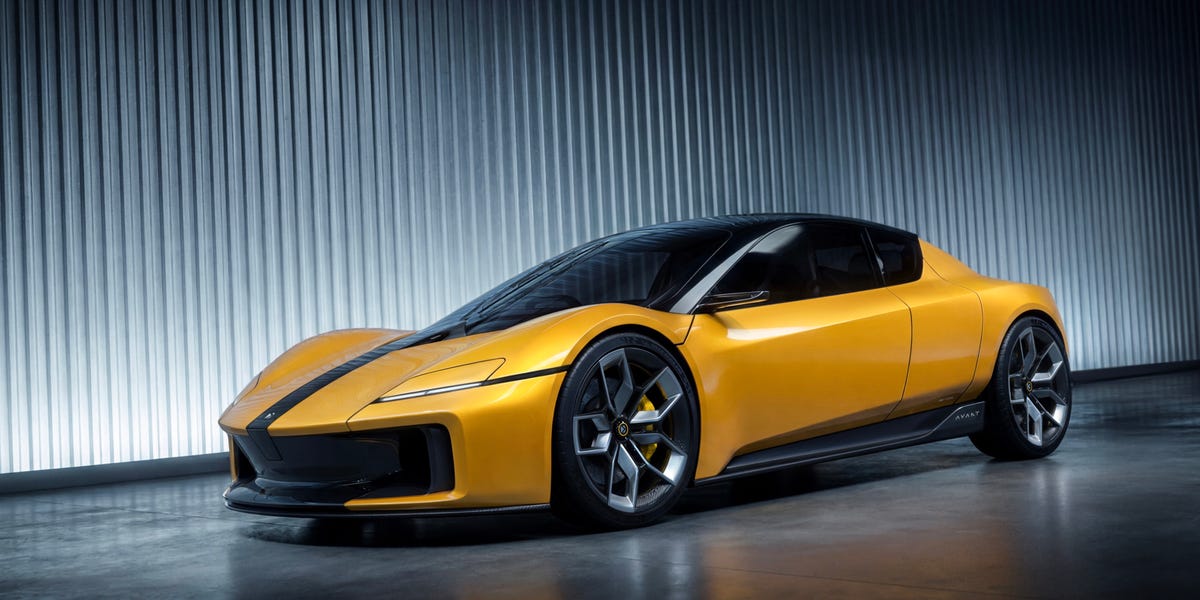
When the EV market first started heating up, there was plenty of talk about how modular "skateboard platform" layouts were going to make it easier for manufacturers to design multiple different models on a single platform. Platform sharing has worked out, but not in a manner that seemed so exciting at the time. It still takes a long time to go from an interesting-looking render to a functional vehicle.

Watt EV x Avant
That R&D investment costs time and money, something OEMs usually guard jealously. Thus, manufacturers take fewer risks, and we end up with a plethora of sales-friendly crossovers and few sports-car options, even from a company like Lotus.
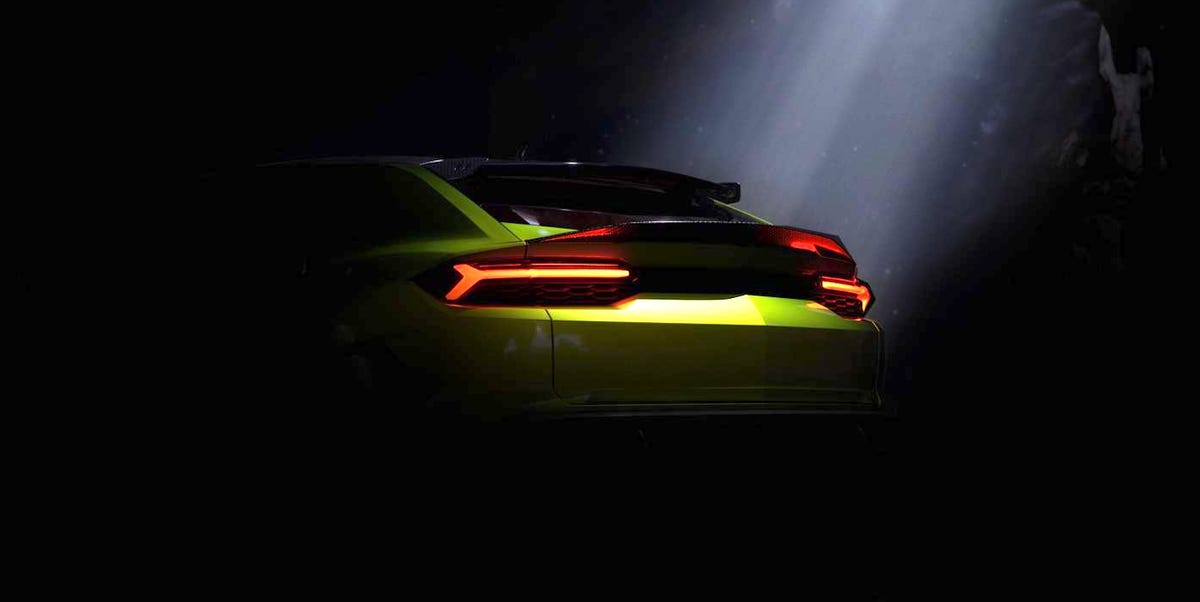
But check this out: an imagined 2+2 that's said to be so completely realized that it'd take just a year of input to get it road legal and another year to kick into production status. By car-building terms, that's hyperdrive.
The concept is a commission from U.K. publication Autocar, which submitted it as a challenge in the light of Lotus ending production at its longtime Hethel headquarters. What would it take to bring a beloved lightweight sports car back to the U.K.? This concept is what that might look like.

Watt EV x Avant
The design side of things is handled by Avant Design, and it's not just a render. Instead of just using VR modeling as a way to build out a display model, Avant uses the technology to fully flesh out a functional car, including folding in solutions to engineering requirements that would be required in the real world.
Meanwhile, Watt Electric Vehicles, a small- and medium-volume manufacturer, provides a number of chassis that can be built on. These can be EVs, as the company has motor-in-wheel tech sorted, but can also be adapted for combustion and hybrid applications.
Watt calls its setup PACES (for Passenger And Commercial EV Skateboard), and it showed off a drivable version at this year's CES technology show. In the case of the Lotus 2+2 concept, the target is a 2000-pound car with mid-engine V-8 power, a worthy successor to the Lotus Esprit.
The U.K. has always been especially good at what can only be described as Man in a Shed technology, where you put a couple of entrepreneurs in a tiny space and suddenly they spit out the likes of Cosworth. This collaboration takes that can-do spirit and adds cutting-edge tech to the design and building process.
To pick an example at random, Mazda has previously used U.K. specialist firms all the way back to sorting out the original Miata. There's no reason why other OEMs couldn't come knocking with other projects, everything from little sports cars to EV pickup trucks. Watt and Avant can accelerate the process to proof-of-concept status quickly, then turn over a functioning prototype for fine tuning.
Theoretically, such services could lead to manufacturers trying a few new ideas out, and perhaps eventually a little more variety on the road. Most of the news about technological developments seems more bad than good these days, but one that results in a V-8 Lotus sports car? Everything to cheer for.

Brendan McAleer is a freelance writer and photographer based in North Vancouver, B.C., Canada. He grew up splitting his knuckles on British automobiles, came of age in the golden era of Japanese sport-compact performance, and began writing about cars and people in 2008. His particular interest is the intersection between humanity and machinery, whether it is the racing career of Walter Cronkite or Japanese animator Hayao Miyazaki's half-century obsession with the Citroën 2CV. He has taught both of his young daughters how to shift a manual transmission and is grateful for the excuse they provide to be perpetually buying Hot Wheels.