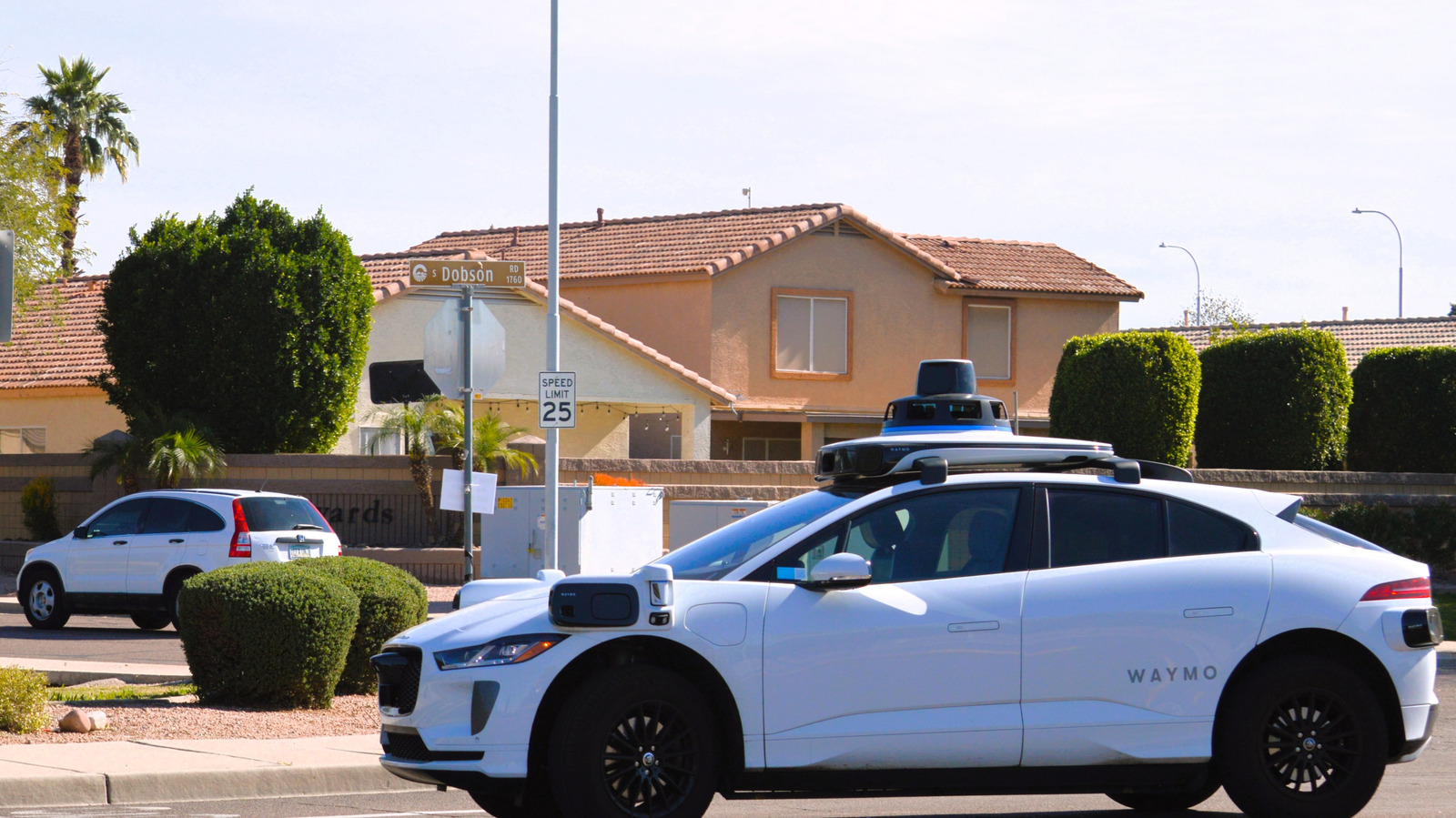
Even as Waymo is dealing with consistent safety problems and recalls with its nationwide fleet of robotaxis, the U.S. Department of Transportation (DOT) has proposed amendments that could fundamentally change the future of autonomous vehicles as a whole, according to a new report. This proposal aims to modify the current Federal Motor Vehicle Safety Standard (FMVSS) for "light vehicle brake systems" as it relates to self-driving cars, including robotaxis from companies like Tesla, Zoox, and Waymo.
Among the proposed changes that apply directly to driverless vehicles include the removal of required foot-pedal mandates, changes in test procedures, and adding brake-related safety warning telltales that are clearly visible to all occupants. This is only the latest in a line of similar proposals that have looked to remove the requirements for unneeded parts from automated vehicles. Previously President Biden's administration also was reportedly working toward this direction — with a previous ruling from the National Highway Traffic Safety Administration in 2022 making way for automated vehicles to not require steering wheels.
All of these changes would technically allow companies to cut through some of the previously required red tape for vehicle development, which the DOT says will "remove unnecessary regulatory burdens and costs without detriment to vehicle safety." Considering all the issues we've seen with robotaxis, like the Waymo vehicles bugging out in Atlanta, it's no surprise that some cities, like New York, are steering clear of fully automated cabs like Waymo for the moment.
Ditching the physical brake pedal makes sense for a driverless car, and this change alone would benefit companies such as Tesla and Zoox. Tesla has been developing a two-seater "Cybercab" intended to operate without a steering wheel or any kind of pedals. Under the current guidelines, any company doing this would need to apply for a special exemption. However, Tesla hasn't done this, and it has been testing a robotaxi system using Model Y vehicles. The changes that this proposal pushes could be a huge boon for the company's two-seater, though.
There's also Zoox, a robotaxi company owned by Amazon, that has also been working to create a fully automated cab service. While Zoox has reportedly filed for the exemptions to bypass the standards required by the Department of Transportation and the NHSTA, it is still waiting for another exemption that would actually let it operate its company commercially.
For those interested in the future of fully automated vehicles, this is no doubt going to be exciting news. In addition to not requiring a brake pedal and implementing better brake warning telltales for autonomous vehicle occupants, the DOT proposal also looks to amend requirements for stopping distances and non-ABS testing procedures.