Jail time and fines for abusive conversion practices under proposed new law
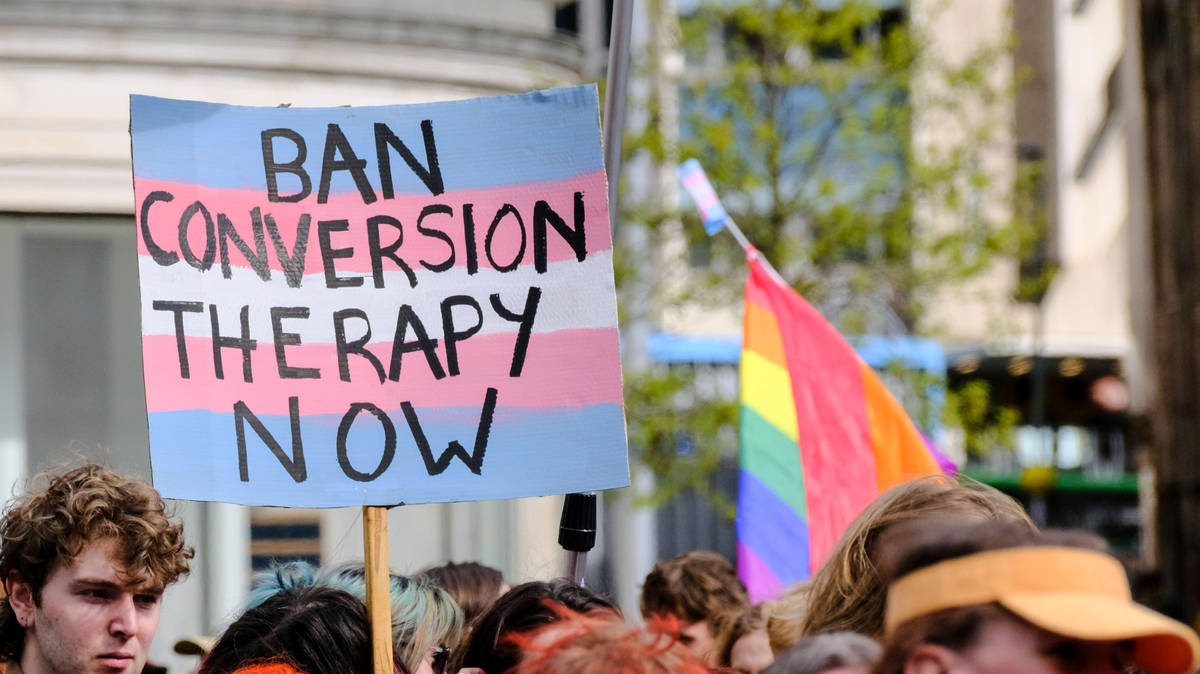
The draft Conversion Practices Bill, covering England and Wales, was being published on Thursday after a Labour manifesto commitment from 2024 to do so.The Government said the “landmark” ban would protect LGBT+ people from “physical and psychological abuse to change who they are” while a charity helping people affected welcomed it as a “vital first step toward addressing conversion practices as a distinct form of harm”.The Bill defines conversion practices as conduct that aims to change someone’s sexual orientation or transgender identity through abusive acts that seriously harm the victim.The Government said the proposed legislation will not criminalise expressing beliefs about LGBT+ identities, or ban “explorative” conversations and questioning about someone’s identity, stressing that there is a “high threshold for criminality” which will only cover acts deemed abusive, attempting to change someone’s identity, and which create “real harm” to the person.Read more: Wes Streeting fears clock being turned back on LGBTQ progressRead more: Prejudice towards LGBT+ community 'increasingly palpable' in recent years, claims Alan Cumming
Healthcare professionals, therapists and counsellors will still be able to have “free and open conversations about sexuality and transgender identity” with patients, the Government said as it noted exemptions to the ban for legitimate healthcare.The Bill’s publication comes eight years after a ban was first promised in 2018, by former Conservative prime minister Theresa May.That was later downgraded under Boris Johnson’s leadership to not include transgender people, but the Conservative government under Rishi Sunak said in January 2023 that the conversion therapy ban would be for “everyone”, including transgender people.However the Tories then said legislation around such practices “is a very complex issue, with existing criminal law already offering robust protections”.Labour vowed in its manifesto that if it gained power it would “finally deliver a full trans-inclusive ban on conversion practices, while protecting the freedom for people to explore their sexual orientation and gender identity”.The Government said a series of legal loopholes mean conversion practices are still happening, with current legislation not adequately addressing the problem and leaving a gap in the law.Anyone found guilty of carrying out abusive conversion practices could face a maximum prison sentence of five years, an unlimited fine or both.
An offence would also be created under the new legislation of someone based in England and Wales encouraging or assisting an abusive conversion practice abroad.The Bill would also create new orders to protect people deemed at risk of conversion practices, similar to those for forced marriage and female genital mutilation (FGM).It comes as LGBT+ anti-abuse charity Galop claimed its research had shown such practices “are not a thing of the past”.The organisation said that in 195 cases dealt with by their support services between 2022 and 2025, more than two thirds were recent or ongoing.The cases show how conversion practices “often intersect with or ‘hide behind’ other forms of abuse and violence, especially domestic abuse”, Galop said.Equalities minister Olivia Bailey said conversion practices are “driven by the false belief that being LGBT+ is shameful and can be forcibly changed”.She added: “No-one should face abuse just because of who they are. That’s why we are delivering on our manifesto commitment to ban abusive conversion practices.“Legal loopholes have left LGBT+ people vulnerable to these harmful acts which is why we must legislate.”Professor Subodh Dave, president of Royal College of Psychiatrists, welcomed the Bill’s publication to ban “these harmful practices” and said it is “important that in protecting people from these unacceptable practices, this legislation also supports healthcare professionals to continue to have appropriate exploratory conversations with their patients”.Baroness Hilary Cass, who undertook a review into children’s gender care in the NHS, said she was pleased the legislation “gives a clearer definition of what conversion practices are, compared to previous drafts, but also what they are not”.The paediatrician said: “It is important that healthcare professionals providing much needed holistic care to young people feel confident that they are able to do their job without fear of litigation and the minister has kept that important issue in mind at the same time as the need to protect vulnerable young people.”Jasmine O’Connor, co-chief executive of Galop, said the charity “frequently witnesses the devastating impacts caused by conversion practices” and said gaps in the law had left LGBT+ people “unprotected against covert and insidious forms of abuse”.She added: “We welcome this long-overdue legislation – it’s a vital first step toward addressing conversion practices as a distinct form of harm.”Stonewall chief executive Simon Blake said people who are gay or transgender “are not broken or in need of ‘fixing’”, adding that such practices “are abuse, and every day without a ban in place leaves people at risk of serious harm”.Bishop of Manchester David Walker said the Church of England, whose parliament – or General Synod – had voted in favour of a ban in 2017 – welcomed the Bill as “a positive step” towards stopping practices which have “harmed LGBT+ people over many years, leaving many with lifelong trauma”.The Evangelical Alliance said it believed existing laws already provide “significant protections” against “coercive and abusive conversion practices”.Its UK director Peter Lynas said: “Any changes to the law should ensure that individuals remain free to seek and receive the support they choose.“Legislation must not restrict the ability of Christians and others to speak about their beliefs, pray with those who request it, or provide pastoral care and support on a voluntary basis.”