With a new edition of his definitive book on ecstasy and dance culture Altered State out now, author Matthew Collin charts the history of MDMA’s relationship to music via 13 tracks
“People had their minds opened.” That’s how Haçienda DJ Jon Dasilva has described what happened musically during the ecstasy-charged acid house explosion of 1988. MDMA is a drug that has the power to deliver deeply transformative experiences, altering aural perceptions as well as physical sensations, and almost inevitably, it had a significant impact on the way music was heard, felt, understood – and made.
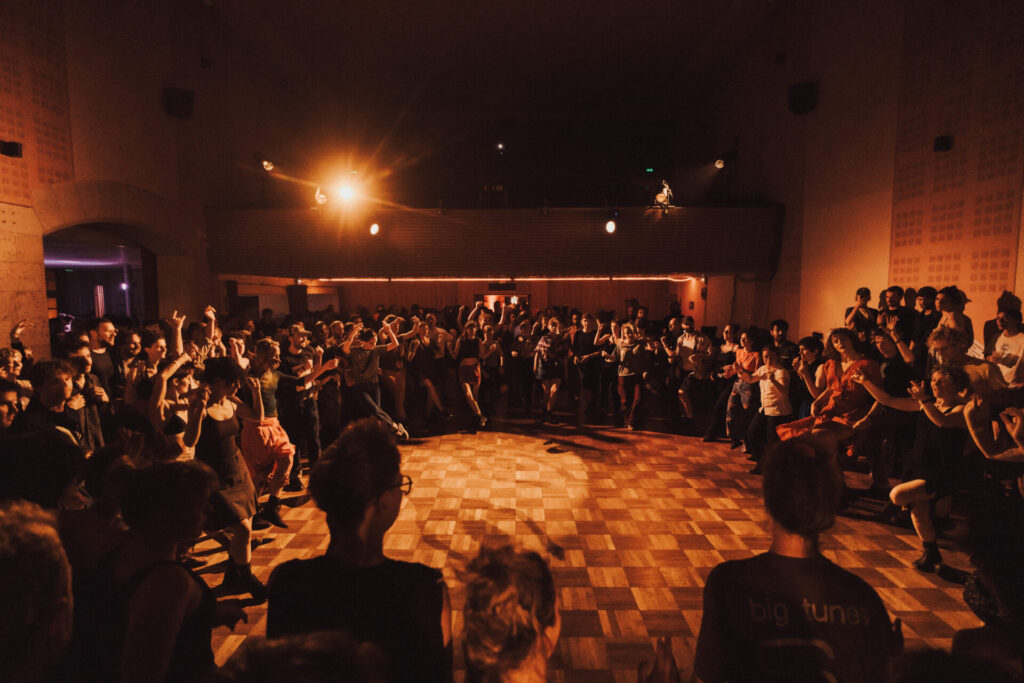
As ecstasy use surged with the huge illegal raves of 1989, the UK’s ever-growing dance culture generated increasing demand for sounds that enhanced the drug experience, with the consequence that it began to exert an influence on the kind of music that was actually being produced. Rhythms extended into trance-inducing percussive loops and song structures dissolved into dubbed-out grooves as producers competed to create the most hypnotic beats, the deepest basslines, the most compulsive riffs and the freakiest electronic textures to intensify the raptures on the dancefloor.
Ecstasy could also be such a life-changing experience that it made people want to do something, to actively participate in a culture that was too new to have rules and was wide open to fresh input. The drug emerged in the UK around the same time as music-making was democratised by new technology, inspiring an upsurge of creative activity. British producers, many of them musical novices who had also been galvanised by the do-it-yourself ethics of hip hop and the irreverent free-for-all of the early sample-based dance tracks, sought to emulate the stripped-back drum machine stylings of Chicago and Detroit by making rudimentary house and techno tunes themselves. Some never surpassed the derivative; others took the music off in unexpected new directions.
The UK rave scene helped to nurture all these developments, providing the economic support structure for a culture of electronic experimentation. Like the culture, the music thrived on constant creative flux, regenerating itself with new influences and spawning new styles at dizzying pace: hardcore, jungle, UK garage and beyond…
This list of some of the most significant E-related tracks grew out of the new edition of my book Altered State: The Story Of Ecstasy Culture And Acid House, which chronicles the first decade of the UK rave explosion, looking at how it happened and why it made such a powerful impact on our lives in Conservative-ruled, recession-lacerated Britain at the time. Some of these records became anthems because their specific sonic textures sounded brilliant on MDMA. Some were made intentionally to thrill ecstatic dancefloors with depth-charge bass and serotonin-rush FX, while others were littered with cheeky drug innuendo to entertain the chemical cognoscenti.
There were also a few songs that flagrantly celebrated the joys of taking ecstasy. In the peak rave era, Boy George was involved in making a track that advised Britain’s youth to do one and go wild; more recently, Belfast rappers Kneecap have offered their own rambunctious tributes to the drug.
I have to say that the stories I’m going to recount here aren’t intended to suggest that anyone I’ve named has ever taken any illegal substances – unless they’ve admitted it publicly, of course – or that all the records listed were created with the E experience in mind. But the impact they made definitely does testify to the remarkable influence that MDMA has had on our musical culture.
Altered State: The Story Of Ecstasy Culture And Acid House’ by Matthew Collin is published by White Rabbit Books. You can purchase a copy of the new edition, part of the publisher’s ‘Deep Cuts’ series, here.
To start reading Collin’s Baker’s Dozen, click ‘First Selection’ below.