Why NASA's ISS Retirement Could Trigger a New Fight Over Who Pays for Space Debris
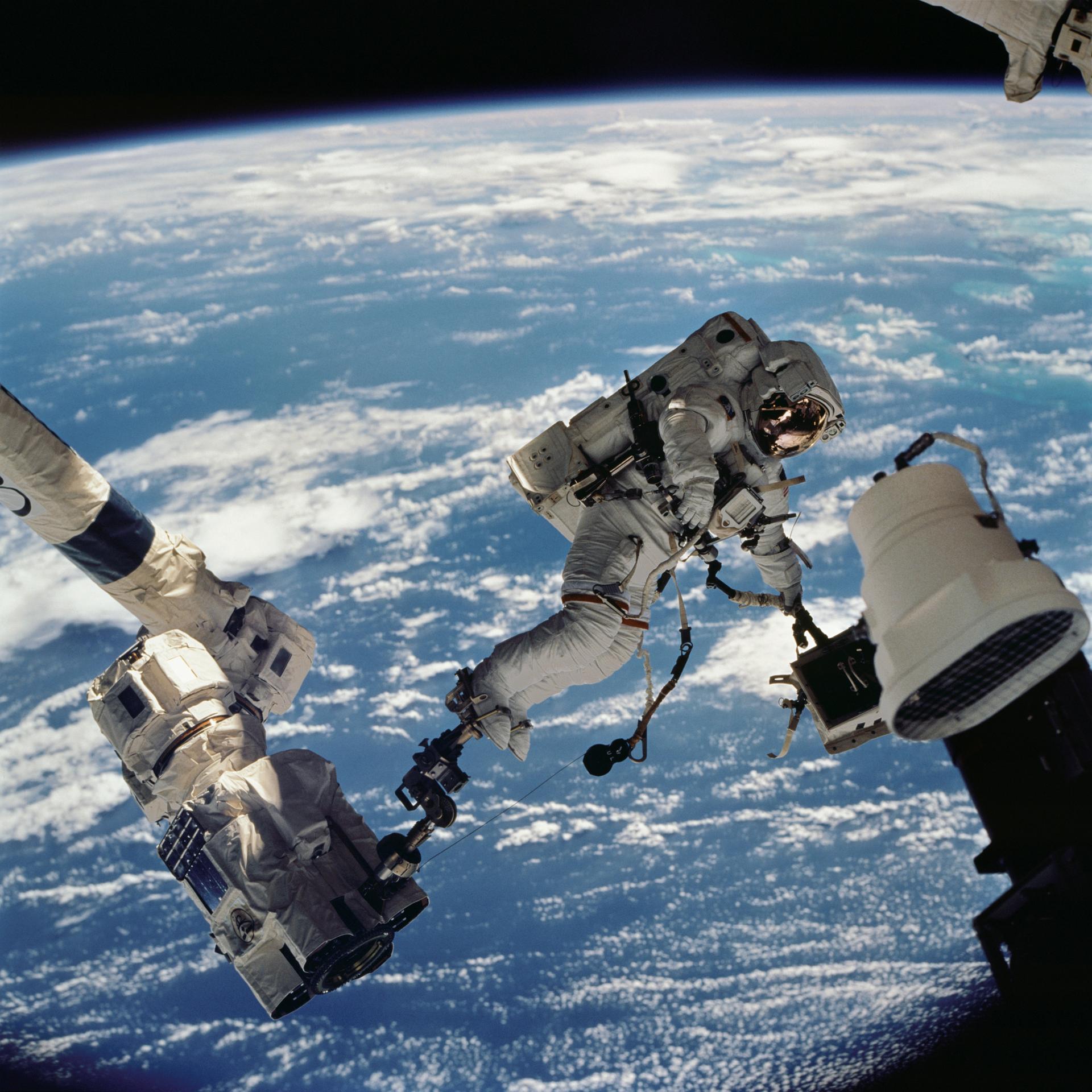
NASA's plan to retire the International Space Station (ISS) by crashing it into a remote section of the Pacific Ocean is raising new questions about who should be responsible for the environmental consequences of space debris.The orbiting laboratory has hosted astronauts continuously for more than 25 years and costs NASA nearly $3 billion (£2.2 billion) annually to maintain. The agency plans to guide it into a controlled re-entry over Point Nemo, a remote area of the South Pacific known as the world's 'spacecraft cemetery'.While the plan is designed to minimise risks to people on the ground, environmental groups argue it exposes a legal loophole in international law. If space debris damages another country's territory, compensation rules exist. When debris is deliberately sent into international waters, responsibility becomes far less clear.Why NASA Is Retiring the ISSThe International Space Station was originally designed to operate for roughly 15 years. More than a decade beyond that timeline, NASA and its international partners continue to monitor ageing systems and structural issues, including recurring air leaks in part of the station.NASA plans to retire the ISS by the end of the decade and replace it with commercially operated space stations being developed by private companies. However, bringing down a structure roughly the size of a football field presents challenges unlike any previous spacecraft retirement.What Happens When the ISS Is Deorbited?Under NASA's proposal, a SpaceX-built US Deorbit Vehicle will attach to the station and use dozens of thrusters to guide it through a controlled descent.Much of the ISS is expected to burn up in the atmosphere during re-entry. Some denser components, however, are likely to survive and fall into the ocean near Point Nemo. The location has long been used for retired spacecraft because it is one of the most isolated places on Earth.NASA says targeting Point Nemo remains the safest option available. Critics argue that remoteness should not automatically make the ocean an acceptable destination for large amounts of spacecraft debris.
Known as the world's 'spacecraft cemetery', Point Nemo has long been used as a disposal site for retired space hardware.
The Legal Loophole at the Centre of the DebateThe controversy centres on a gap in international law that some experts say has received little attention.Under the 1972 Space Liability Convention, countries can be held financially responsible if space debris damages another nation's territory or property. Similar protections do not clearly exist when debris enters international waters.That distinction has drawn criticism from environmental groups, which argue the ocean should receive the same level of protection as land.The Ocean Foundation, a marine conservation organisation, has described the issue as a 'troubling structural gap' in international law. The group argues that while governments can face liability for damage on land, there is no equivalent requirement to compensate for environmental harm in the high seas.Critics argue the ISS retirement is testing whether existing rules are prepared for an era of growing space activity.Why Environmental Groups Are ConcernedEnvironmental advocates say the issue extends beyond what reaches the ocean floor.
The ISS will become the largest controlled spacecraft re-entry in history, and some experts believe more research is needed into both atmospheric effects and the impact of surviving debris on marine ecosystems.Scientists have not identified a specific environmental threat, but critics say there is still significant uncertainty about a re-entry operation on this scale.That uncertainty has fuelled calls for environmental assessments and greater transparency about what materials could ultimately reach the ocean.Why the ISS Could Set a Precedent for Future Space StationsThe debate surrounding the ISS extends far beyond a single retirement mission.NASA is increasingly relying on private companies to build the next generation of orbital stations as more satellites enter low-Earth orbit.The ISS may therefore become one of the first major tests of how governments and private companies handle environmental responsibility when space infrastructure reaches the end of its life.As commercial activity in space accelerates, questions about liability, environmental accountability and disposal costs are likely to become far more common.The discussion is no longer just about where the ISS lands. It is about whether international law is prepared for a future in which more satellites, commercial stations and spacecraft will eventually need to return to Earth.