
Remember me





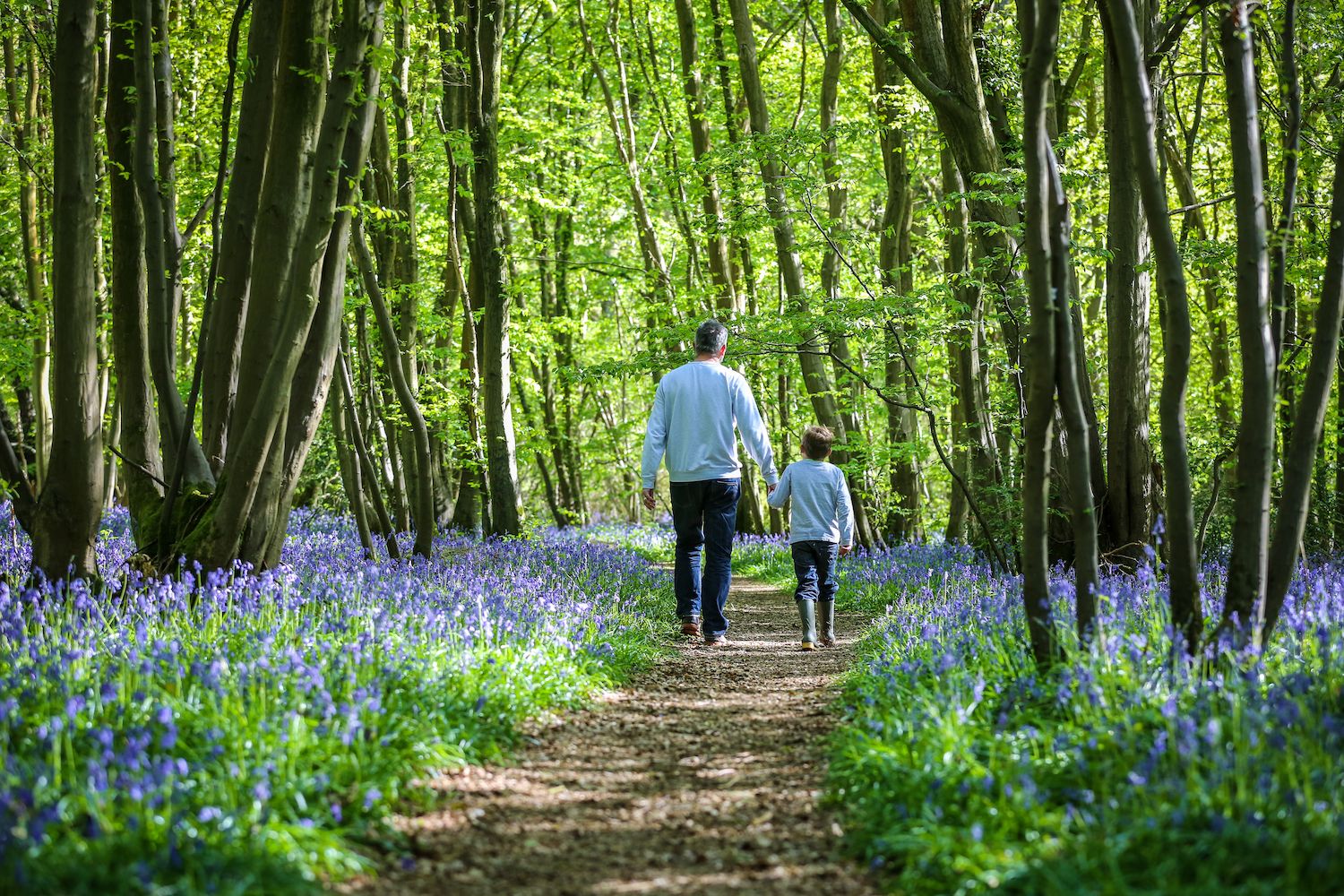
Ready to spend time in the great outdoors and connect with nature? Why not consider a trip to one of these national parks in Ireland on your next vacation?
Ireland's six national parks offer ancient woodland, diverse flora and wildlife, historic sites, and stunning vistas of mountains and lakes.
Killarney National ParkKillarney, County Kerry
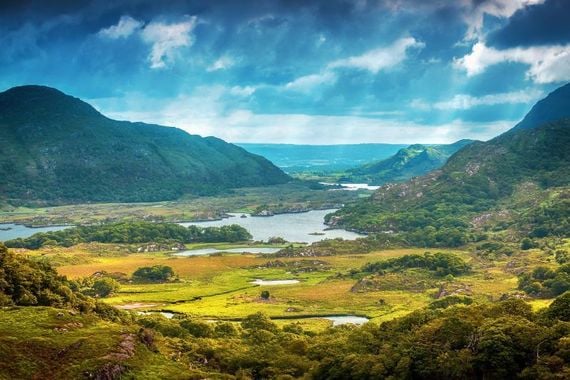
Ladies View in Killarney National Park in Co Kerry. Credit: GETTY IMAGES
Killarney National Park was the first national park established in Ireland. The park was created when the Muckross Estate was donated to the Irish Free State in 1932, and Muckross House and Gardens remain a focal point for many visitors.
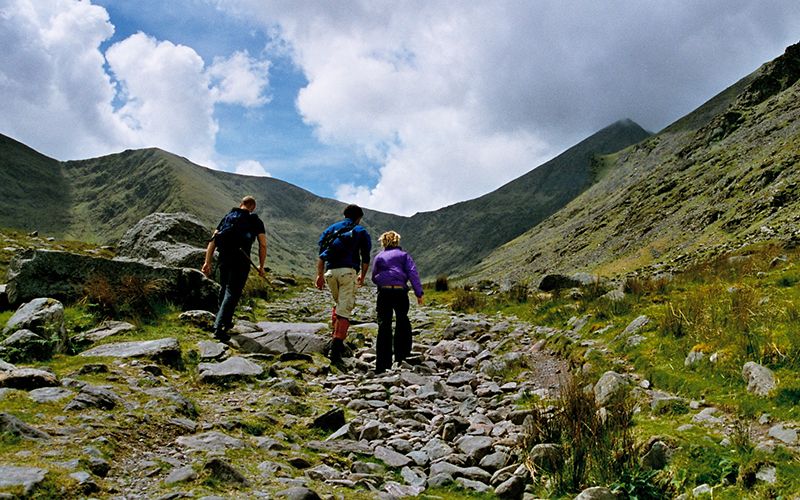
Located in the southwest of the country, the park spans 41 square miles and features Ireland's largest expanse of ancient oak woods. At the foot of Macgillycuddy Reeks, the highest mountain range in Ireland, lie the world-famous Killarney Lakes, which make up about a quarter of the park. The Ring of Kerry intersects with the park.
In 1981, Killarney National Park was designated as a Biosphere Reserve by UNESCO.
Wicklow Mountains National ParkGlendalough, County Wicklow
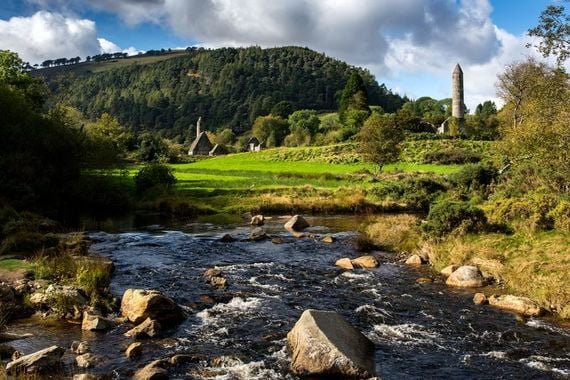
Wicklow Mountains National Park. Credit: ICP
At 85 square miles, the Wicklow Mountains is Ireland's largest national park and also the most visited, due to its proximity to Dublin. It is also the only national park on the country's east coast.
The park, which has two nature reserves within its boundaries and nine walking trails, is a popular spot for wild camping, according to Lonely Planet.
Its most historic site is Glendalough, an early medieval monastic settlement founded in the 6th century by St Kevin.
Glenveagh National Parknear Gweedore, County Donegal
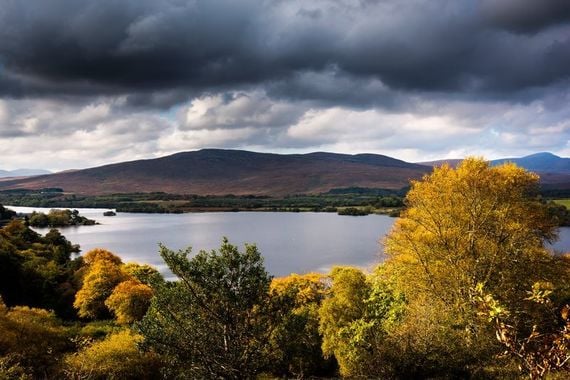
Glenveagh National Park. Credit: ICP
Glenveagh, at 66 square miles, is the second-largest national park in Ireland.
The park, known for its wildlife, is home to the largest herd of red deer in Ireland and also the golden eagle, which was hunted to local extinction in the 19th century but was reintroduced in 2000.
The park developed from the estate once belonging to John George Adair, who evicted his 244 tenants in 1861 because their presence obstructed his view of the landscape. Glenveagh Castle and Gardens were donated to the Irish State in 1981 by Henry P. McIlhenny of Philadelphia, who had purchased the estate in 1937.
The Burren National ParkMullaghmore, County Clare
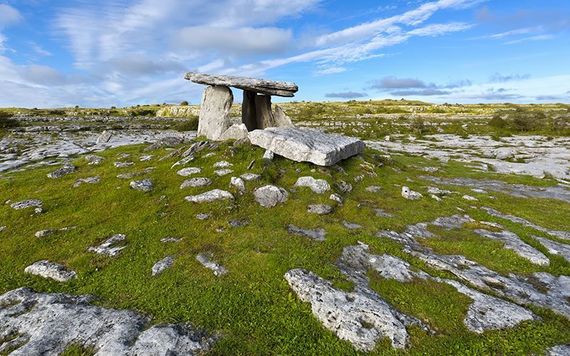
The Poulnabrone Dolmen in The Burren National Park. Credit: Getty
The Burren, at only 5.8 square miles, is Ireland's smallest national park and is just a 35-minute drive from the Cliffs of Moher.
It gets its name from the exposed limestones throughout the park, reports TravelAwaits.com. Burren comes from the Irish word Boireann, meaning “a rocky place.”
The park is known for its extraordinary flora, the megalithic Poulnabrone Dolmen (Ireland's most photographed ancient monument), and Dromore Wood, which features the 17th-century O'Brien Castle and two ring forts.
Connemara National ParkLetterfrack, County Galway
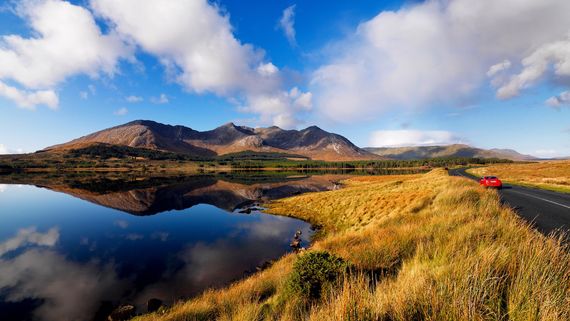
Connemara National Park. Credit: Tourism Ireland
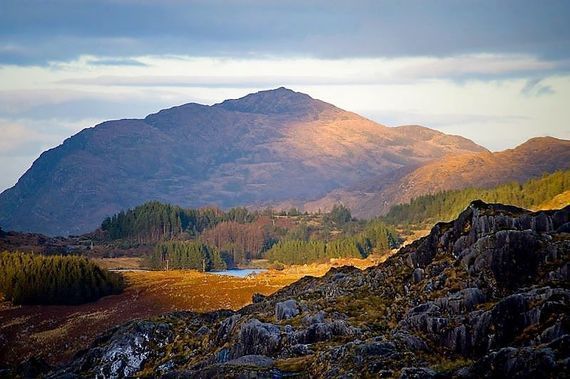
Connemara National Park, which spans 2,000 hectares of mountains, bogs, heaths, grasslands, and forests, is known for its bird diversity.
Songbirds that can be seen in the park include meadow pipits, skylarks, European stonechats, robins, and wrens. Native birds of prey, such as the kestrel and sparrowhawk, merlin, and peregrine falcon, can also be spotted. In the winter, native birds such as the song thrush and woodcock can be seen, as well as migratory birds from northeastern Europe.
Much of the park's land, which opened to the public in 1980, was once part of the Kylemore Abbey estate.
The Twelve Bens mountain range is also located in the park.
Ballycroy National ParkBallycroy, County Mayo
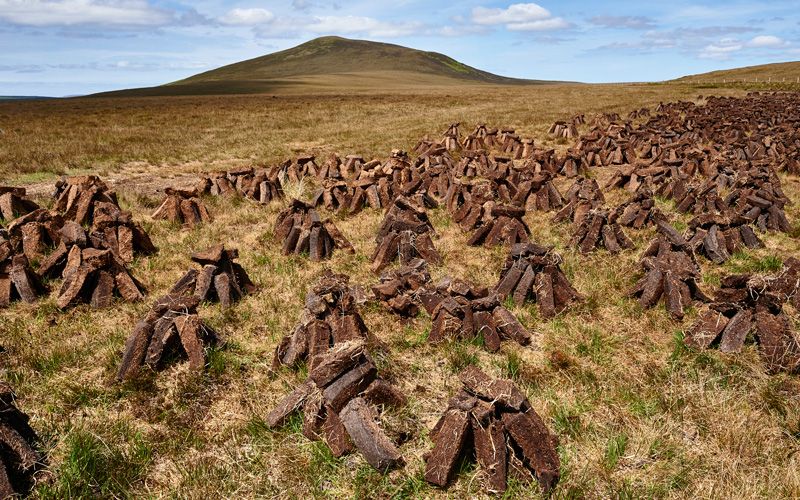
Peat field, Ballycroy National Park. Credit: Getty
Ballycroy National Park, established in 1998, is Ireland's newest national park.
The park comprises the largest remaining expanse of peatland in Europe, covering 117.79 square kilometers of Atlantic blanket bog. Its unique habitat features a diversity of flora and fauna.
The park is also considered a great spot for stargazing, and on a clear night, you can reportedly see over 4500 stars.
*Originally published in July 2021. Updated in June 2026.